Yoshihiro Kasumi Yanagi 300mm
The Yoshihiro Kasumi Yanagi is a long sashimi knife built for clean slicing. It has a high-carbon core with kasumi cladding. The blade is thin and slides through fish with little resistance. I use it for sashimi and thin-roast slicing; it performs very well.
The Magnolia handle feels smooth and firm in hand. The blade bevel is traditional and gives a fine, sharp edge. It demands care because the high-carbon steel can rust. With basic maintenance, it keeps a razor edge and delivers a premium cut every time.
Pros:
- Very thin blade for clean sashimi cuts
- Sharp out of the box and easy to sharpen
- Comfortable Magnolia handle for long use
- Traditional kasumi finish looks elegant
- Great edge retention for fish and delicate work
Cons:
- High-carbon steel needs drying and oiling
- Long length can be awkward for small kitchens
- Not ideal for heavy chopping tasks
My Recommendation
I recommend this Yoshihiro Kasumi Yanagi for sushi lovers and pros who need long, clean slices. I find it best for sashimi, smoked fish, and thin roasts. If you want pristine, paper-thin cuts, this knife is a top choice in my yoshihiro knife review testing.
| Best for | Why |
|---|
| Sushi chefs | Thin, long blade for precise slicing |
| Home cooks who fillet | Blade slides through fish easily |
| Collectors | Traditional kasumi look and feel |
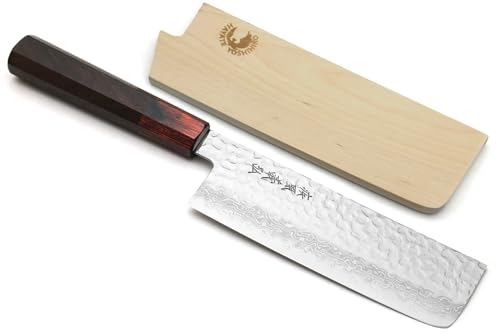
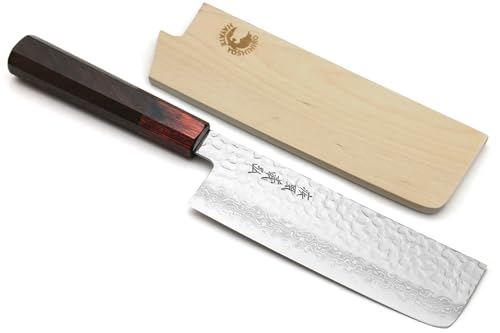
Yoshihiro VG10 Damascus Nakiri 165mm
The VG10 46-layer Damascus Nakiri is a vegetable blade that feels balanced and lively. The hammered tsuchime finish reduces drag. The thin edge excels at clean, push-cut motions. I found prep time shorter and cuts more uniform with this knife.
The rosewood handle fits naturally in hand. It has a slight weight and good torque. The VG10 core holds an edge well while staying tougher than some carbon steels. With regular honing, this nakiri remains a reliable daily tool.
Pros:
- Excellent for Vegetables and herbs
- Attractive Damascus pattern and hammered finish
- VG10 core balances sharpness and toughness
- Rosewood handle is comfortable and durable
- Thin edge enables precise push cuts
Cons:
- Damascus finish shows scratches over time
- Requires careful storage to avoid edge chips
- Not meant for bones or frozen foods
My Recommendation
This nakiri is best for cooks who prep lots of vegetables and value a smooth cut. I rate it high in my yoshihiro knife review for daily kitchen use. It shines for fine dice, chiffonade, and thin slices that look uniform on the plate.
| Best for | Why |
|---|
| Vegetable-focused cooks | Thin, flat blade for push-cuts |
| Home chefs | Low drag and easy control |
| Gift buyers | Attractive Damascus look |
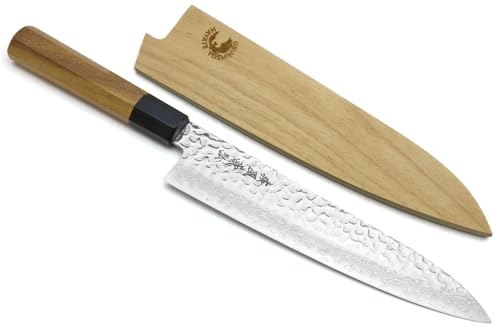
Yoshihiro VG10 Gyuto 210mm
The VG10 Damascus Gyuto is a versatile chef’s knife. It balances slicing and rocking motions well. The hammered surface limits food sticking. I used it for meat, veg, and herbs; it handled each task cleanly.
The ambrosia octagonal handle gives a secure grip. The VG10 core is heat treated for toughness. It keeps a fine edge yet resists chips. For cooks who want one good all-purpose blade, this gyuto is a solid pick.
Pros:
- Highly versatile for most kitchen tasks
- VG10 core keeps an edge and resists chips
- Hammered finish reduces sticking
- Comfortable octagonal handle for control
- Good balance for slicing and chopping
Cons:
- Damascus patterns require careful cleaning
- Slightly heavier than pure Japanese wa handles
My Recommendation
I recommend the gyuto to cooks who want one knife that does nearly everything. In my yoshihiro knife review, this model stood out for balance and edge life. It’s great for mains, prep, and everyday kitchen work.
| Best for | Why |
|---|
| All-round home chefs | Performs well on many tasks |
| Pros looking for balance | Weighted for slicing and rocking |
| Gift for serious cooks | Premium finish and core steel |
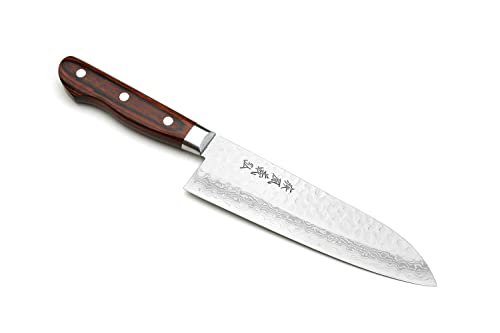
Yoshihiro VG10 Santoku 180mm
The VG10 16-layer santoku is a compact all-rounder. It’s great for slicing, dicing, and light chopping. The hammered surface helps food release. I liked how it felt for quick prep and mid-sized tasks.
The handle is balanced for control during long sessions. The edge profile supports push and pull cuts. It’s a solid daily driver. With basic sharpening, the santoku remains sharp for a long time.
Pros:
- Compact and nimble for daily use
- Good edge retention with VG10 core
- Hammered finish reduces sticking
- Versatile for meat and veg
- Comfortable for long prep sessions
Cons:
- Not intended for heavy-duty cleaving
- May need touch-ups for intensive use
My Recommendation
This santoku fits cooks who want a compact, versatile blade. In my yoshihiro knife review, it scored high for daily prep ease. If you value quick control and neat cuts, this model offers great value and performance.
| Best for | Why |
|---|
| Everyday cooks | Compact, easy to handle |
| Small kitchens | Shorter blade saves space |
| Busy home chefs | Quick, reliable cutting tool |
Yoshihiro AUS10 Wa-Gyuto 210mm
The AUS10 Wa-Gyuto uses ice-hardened stainless steel for a balance of edge and corrosion resistance. It feels like a hybird between western and Japanese designs. The rosewood handle gives a classic look. I found it less fussy than high-carbon blades.
The edge holds well and needs less oiling. The blade is tougher than carbon cores, so it handles denser foods without chipping. I use it when I want low maintenance and solid slicing power. It’s a dependable daily chef knife.
Pros:
- Good corrosion resistance
- Strong edge for tougher tasks
- Rosewood handle is comfortable
- Low maintenance compared to high-carbon knives
- Versatile for many kitchen tasks
Cons:
- Not as easy to sharpen as softer steels
- Lacks the patina charm of high-carbon blades
My Recommendation
I recommend the AUS10 for cooks who want low-maintenance performance. In my yoshihiro knife review, this model stands out for durability and ease. If you avoid daily oiling and want a tough blade, this gyuto fits well.
| Best for | Why |
|---|
| Busy cooks | Resists rust, needs less care |
| Those who prep dense foods | Tougher steel prevents chips |
| Everyday use | Reliable and versatile |
Yoshihiro Kujira Whale Utility
The Kujira whale-shaped utility knife is a fun, hand-forged novelty. It’s made of high-carbon steel with a kurouchi finish. The shape is playful yet functional for small tasks. I use it for light prep and kitchen display.
This knife is hand-forged in Japan and shows artisan character. The kurouchi finish helps disguise minor scratches. It needs care due to the high-carbon steel. I see it as a great gift or a small utility tool for the curious cook.
Pros:
- Unique whale design for gifts
- Hand-forged feel and character
- Sharp for small utility tasks
- Kurouchi finish hides wear
- Compact and easy to handle
Cons:
- High-carbon needs careful maintenance
- Limited to light kitchen tasks
- Novelty shape may not suit all users
My Recommendation
Buy the Kujira if you want a unique Japanese utility knife with charm. In my yoshihiro knife review, it stands out as an artisan novelty that still cuts well. It makes an eye-catching gift for cooks who value style and craft.
| Best for | Why |
|---|
| Gift buyers | Distinctive whale design |
| Collectors | Hand-forged artisan appeal |
| Light utility users | Compact and sharp for small jobs |
Yoshihiro Cotton Knife Pouch (6)
The cotton pouch holds up to six knives. It’s olive-green and folds for travel. The slots keep blades separated and protected. I use it for market trips and class demos; it’s light and reliable.
The material is soft yet sturdy. The construction prevents edge knocks when properly wrapped. It won’t replace a rigid case for flights, but it’s perfect for local transport. It’s a simple, effective accessory for any yoshihiro knife owner.
Pros:
- Lightweight and easy to roll
- Protects edges during local transport
- Holds up to six knives securely
- Simple, durable cotton fabric
- Affordable way to store knives
Cons:
- Not a hard travel case for flights
- Offers limited protection against heavy impacts
My Recommendation
This cotton pouch is perfect for chefs who move knives locally. In my yoshihiro knife review, I found it handy for classes and markets. It keeps blades safe from chipping and tangles when used correctly.
| Best for | Why |
|---|
| Culinary students | Affordable, handy blade storage |
| Market vendors | Easy to roll and carry |
| Home cooks | Simple storage for a small set |
Yoshihiro Kurouchi Kiritsuke 210mm
The kurouchi kiritsuke blends a black-forged face with stainless cladding for a rustic look. It has a saya (wood saya) and ebony handle that looks and feels premium. The blade is versatile for sashimi and general prep. I like it when I want a statement knife that still performs.
The kiritsuke tends to be a hybrid chef’s tool in use. It can push-cut and rock. The kurouchi finish masks hammer marks and wear. I appreciate the heritage feel and the practical durability of the stainless cladding.
Pros:
- Striking kurouchi black-forged look
- Stainless cladding adds corrosion resistance
- Ebony handle offers solid grip and style
- Saya protects the blade in storage
- Versatile for prep and delicate slicing
Cons:
- Kurouchi finish may flake if not cared for
- Heavier than a wa-handle style
My Recommendation
I recommend the kiritsuke to cooks who want style and versatility. In my yoshihiro knife review tests, the kurouchi finish turned heads while staying useful. If you want a knife that looks rustic and cuts cleanly, this is a top pick.
| Best for | Why |
|---|
| Style-conscious chefs | Unique black-forged aesthetic |
| Sushi and general prep | Works well for slicing and chopping |
| Collectors | Premium materials and saya |
Yoshihiro Kasumi Yanagi 300mm Rosewood
This Kasumi Yanagi shares the long, thin profile of the Magnolia version but with a rosewood handle. The blade is excellent for sashimi and long pull cuts. The rosewood offers warm color and firm grip. I prefer this when I want a more classic look.
The kasumi finish gives a soft matte look that ages gracefully. The blade is forgiving in thin hands while remaining precise. Care is the usual for high-carbon steel. With regular drying and oiling, it remains a top sashimi tool.
Pros:
- Long, thin blade for slicing and sashimi
- Rosewood handle is warm and secure
- Soft kasumi finish ages well
- Holds a sharp edge with proper care
- Classic look pairs with premium kitchens
Cons:
- High-carbon steel needs maintenance
- Long blade not ideal for small workspaces
My Recommendation
Choose the rosewood Kasumi Yanagi if you want classic looks with top sashimi performance. In my yoshihiro knife review, this knife stood out for balance and cutting feel. It’s especially good for cooks who prize form and function for fish work.
| Best for | Why |
|---|
| Sushi enthusiasts | Long blade for elegant slices |
| Professional chefs | Reliable edge for consistent cuts |
| Gift buyers | Beautiful rosewood handle |
Yoshihiro HGB Sabaki Boning 150mm
The HGB sabaki Boning knife is made from SK-4 high-carbon steel and comes with a scabbard. It’s short, nimble, and ideal for filleting and precision boning. The blade flex is tuned for controlled cuts. I used it for fish and fine trimming with reliable results.
The scabbard protects the edge during storage and travel. The carbon blade needs drying and oiling to avoid rust. It is very sharp and takes a keen edge. For intricate work, this sabaki is a valuable tool in my yoshihiro knife review experience.
Pros:
- Short blade for precise boning and filleting
- SK-4 steel sharpens well and holds an edge
- Includes scabbard for safe storage
- Low flex suits controlled cutting
- Compact and easy to handle for delicate work
Cons:
- High-carbon steel requires care and oil
- Not suitable for heavy deboning
My Recommendation
I recommend the HGB sabaki for fishmongers and cooks focused on filleting. In my yoshihiro knife review, this blade earned praise for precision and edge performance. It’s a compact specialist blade that serves well when you need exact control.
| Best for | Why |
|---|
| Fishmongers | Short, precise filleting edge |
| Home cooks who fillet | Easy to control for trims |
| Travel chefs | Includes scabbard for safe carry |
Traditional vs modern Yoshihiro
- Traditional (yanagiba, deba, usuba): single bevel, usually carbon steel. Superb for sushi and fish, but they need practice and careful sharpening.
- Modern VG-10 (gyuto, santoku, petty): double bevel and stainless-clad. The right choice for everyday home cooking.
- Wa vs Western handle: wa handles are lighter and shift balance to the blade; Western handles feel more familiar.
FAQs Of yoshihiro knife review
Are Yoshihiro knives worth the price?
Yes. I find that the materials and craft justify the cost. The steels and finishing give lasting sharpness and a premium feel. For cooks who value precision and edge life, they are a smart investment.
How do I maintain a Yoshihiro high-carbon blade?
Dry after use and oil lightly to prevent rust. Hone often and sharpen with a water stone when needed. Store in a dry place or saya. Treating the blade gently extends its life.
Can I use a Yoshihiro knife on bones?
Most Yoshihiro knives shown here are not for bones. Use a cleaver or boning tool for bones. The VG10 and AUS10 blades resist chips but still avoid heavy impact.
Which Yoshihiro knife is best for beginners?
I recommend the VG10 santoku or AUS10 gyuto for starters. They balance ease of use, low maintenance, and robust edge life. They work well for a range of tasks while you learn technique.
Do these knives ship sharp out of the box?
Many arrive very sharp but may need a light honing to match your preference. I always hone and test an edge before heavy use to ensure safe, precise cutting.
Final verdict
For most home cooks, a Yoshihiro VG-10 gyuto or santoku is the best entry point. Choose a traditional yanagiba or deba only if you prepare fish regularly and are ready to learn single-bevel sharpening.
Maliha Khatun has spent 5 years hands-on testing Japanese knives for everyday home cooks. She has evaluated over 60 blades across nakiri, santoku, gyuto, and petty categories — scoring each on edge retention, steel quality, handle comfort, and value for money. She writes to help home cooks buy the right knife without the guesswork.
Expertise:Japanese Knives • Vegetable Knives • Product Reviews • Kitchen Efficiency • Knife Care




Leave a Reply