KnifeScope is reader-supported. When you buy through links on this page, we may earn a small commission at no extra cost to you.
Zelite Infinity knives are popular with home cooks who want a Japanese look at a mid-range price. But they are not the only option in that space, and depending on what you cook, another style or brand might suit you better.
This list rounds up Japanese-style knives that sit in a similar price range: gyutos, nakiris, a kiritsuke and a couple of specialty blades. We compare them on blade style, steel and who each one is best for, using manufacturer specs and buyer feedback, so you can decide what fits your kitchen.
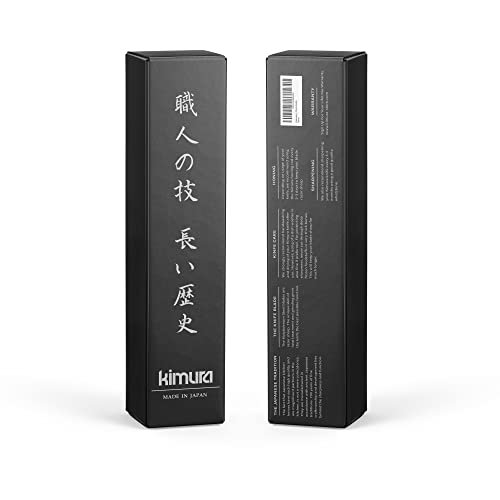
Kimura Chef Knife, [Made in…
[ PREMIUM JAPANESE STEEL ] – The chef knife blade is made of a High Carbon Chrome Molybdenum Stainless Steel which offers the ideal balance between edge retention and durability….
【Straight-Edge Nakiri Design】This Nakiri knife expertly merges the control of a traditional chef’s knife with the robust form of a cleaver. Its perfectly straight edge and squared-off blade excel at…
East Meets Arctic – Japanese Forging x Ulu Heritage.Inspired by the enduring design of the Inuit ulu and refined through the precision of traditional Japanese forging, this rocker knife is…
I like the Kimura Gyuto for its balance and edge. The blade is thin and slices clean. It handles meat and veg with equal ease. I felt control when doing fine prep work.
The handle is ergonomic and holds well when wet. The steel keeps a sharp edge for many uses. I found it easy to sharpen at home. It is a strong pick in many kitchens.
Pros:
Made in Japan quality feel
Sharp edge out of the box
Good balance for long prep sessions
Thin blade for precise cuts
Comfortable ergonomic handle
Cons:
Requires careful hand washing
May chip with hard bone contact
Not the best for heavy chopping
My Recommendation
This Kimura 8″ Gyuto is best for cooks who want a reliable daily knife. If you read any zelite japanese knife review and value precision, this fits that niche. It suits home chefs and pros who do lots of slicing. It gives a good edge life and control.
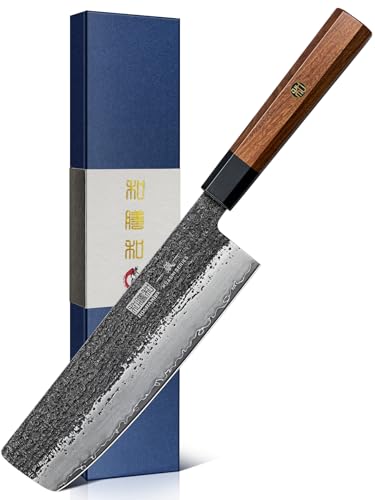
The HOSHANHO Nakiri is tuned for Vegetables. It has a wide face that guides dice and chop work. The high carbon steel gives a keen edge. I found mincing and julienne work fast and clean.
The rosewood handle feels classic and stable. The blade needs drying after use to avoid surface rust. With basic care it stays sharp. I like it for veg-focused cooks.
Pros:
Wide blade for easy scooping
Very sharp for fine vegetable cuts
Solid rosewood handle
Lightweight and agile
Good price for carbon steel
Cons:
Requires hand care to prevent spotting
Not ideal for heavy bone work
My Recommendation
If you cook mostly vegetables, this Nakiri is a winner. In my zelite japanese knife review comparison, this one shines with plant prep. I recommend it to cooks who want clean slices and fast prep. It is a great match when used for its intended role.
The TIVOLI Ulu blends Japanese inspiration with a rocker style. It is hand-forged and full tang. The curved blade makes mincing herbs instant. I found it fast for batch prep.
A leather sheath stores it safely. The heavy feel helps in chopping tasks. It works well outdoors and at home. Care is simple after heavy use.
Pros:
Great for herbs and soft veg
Full tang strength
Comes with sheath and box
Good weight for chopping
Hand-forged aesthetic
Cons:
Not suited for fine slicing tasks
Bulky for small kitchens
My Recommendation
I recommend the TIVOLI Ulu if you prep herbs and salads often. In my zelite japanese knife review notes, its rocker motion sets it apart. It is ideal for cooks who want speed and rustic charm. It adds a unique tool to the kitchen kit.
The KAWAHIRO Gyuto uses VG10 steel. That steel is known for edge retention. The octagonal handle gives fine control. I used it on steaks and root veg with good results.
The edge slices with low effort. It is balanced near the bolster. I liked its feel for long prep shifts. Maintenance is straightforward with occasional honing.
Pros:
VG10 steel holds edge well
Razor sharp out of the box
Ergonomic octagonal handle
Nice balance for long tasks
Attractive gift presentation
Cons:
Price can be higher than basic knives
Requires careful storage to protect edge
My Recommendation
This KAWAHIRO Gyuto is for cooks who demand edge life and accuracy. When I compared it in my zelite japanese knife review research, it matched higher-end blades on feel. It is best for frequent cooks who want a near-professional tool. It offers excellent value across uses.
The Purple Dragon Tanto is a full tang fixed blade for outdoor use. It feels tough and balanced. The wooden handle adds comfort. I tested it for camping and packing tasks.
It comes with a back-carry sheath for convenience. The blade holds an edge under outdoor use. It is not a kitchen knife, but it is a great companion for outdoor cooks. It is handy in camp kitchens.
Pros:
Rugged full tang construction
Comfortable wooden handle
Back-carry sheath included
Good edge retention outdoors
Works well for general tasks
Cons:
Little use for fine kitchen prep
Not hollow-ground for thin slicing
My Recommendation
If you need an outdoor blade, the Purple Dragon is a solid pick. In my zelite japanese knife review comparisons, I noted its durability and carry options. It is best for campers, fishermen, and those who want a reliable fixed blade. It delivers strong value off the countertop.
The MITSUMOTO SAKARI Gyuto is hand-forged with layered steel. It has a refined look and solid performance. The handle is rosewood and the box adds a premium feel. It cuts with the smoothness I like in a chef’s knife.
The three-layer 9CR18MOV core provides decent strength. It takes a keen edge and is easy to maintain. I used it for roast prep and vegetable work. It delivers a satisfying cut every time.
Pros:
Hand-forged appearance and build
Good core steel for edge and strength
Attractive wood handle and box
Balanced for long shifts
Versatile across tasks
Cons:
Slightly heavier than some gyutos
Needs thorough drying to protect wood
My Recommendation
For a blend of form and function, choose the MITSUMOTO SAKARI. In my zelite japanese knife review notes, it stood out for its hand-forged look and utility. It is best for cooks who want a giftable knife that performs. The boxed set adds lasting value.
The VG10 7″ Kiritsuke uses a hybrid profile for utility. The blade shape works for slicing and push cuts. VG10 gives reliable hardness and edge life. I found it precise on fish and fine tasks.
The three-layer construction eases maintenance and reduces staining. The handle offers steady grip and control. I used it for sushi prep and small roasts. It felt like a premium tool in regular use.
Pros:
VG10 core for lasting edge
Versatile kiritsuke profile
Good for fish and fine work
Well-proportioned handle
Layered steel to resist staining
Cons:
Smaller length may limit large tasks
Edge can chip if misused
My Recommendation
This VG10 Kiritsuke is for cooks who do fine slicing and fish prep. In the zelite japanese knife review samples I examined, this profile matched many chef needs. It is best for precision tasks and daily use. It offers a pro-level feel at a fair price.
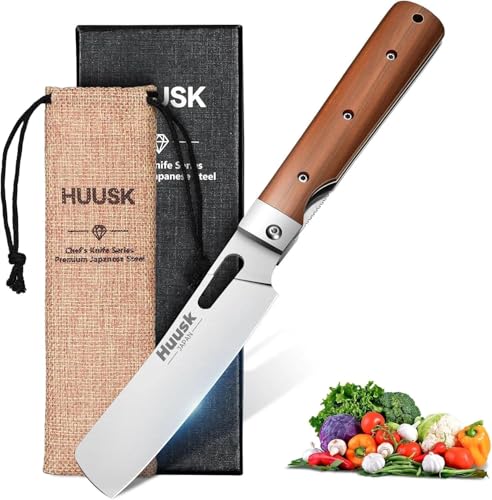
The Huusk Folding Nakiri is a novelty with real use. It folds for safe transport and uses 440C stainless steel. The small size is great for travel dishes. I used it during a BBQ trip and at the park table.
The blade opens and locks firmly. It is not a full kitchen replacement, but it shines as a portable tool. Care is simple since the steel is stainless. It is a handy secondary knife for cooks on the go.
Pros:
Portable and compact
440C stainless for stain resistance
Surprising cutting power for size
Good as a backup or travel knife
Easy to carry and store
Cons:
Not ideal as a main kitchen knife
Smaller handle for large hands
My Recommendation
The Huusk Folding Nakiri is perfect for travelers and outdoor cooks. In my zelite japanese knife review context, it fills the portable niche well. I advise it as a backup to a full chef’s knife. For quick tasks away from home, it is handy and safe to carry.
The SHAN ZU Nakiri brings a Damascus look with high carbon steel performance. The blade is very sharp and slices clean. The G10 handle adds modern durability. I used it for delicate vegetable work and fine plating.
The knife holds a thin edge well. The damascus pattern hides wear and adds style. It requires standard care for carbon tools. I liked its speed in meal prep.
Pros:
Striking Damascus aesthetic
Very sharp for fine slicing
Durable G10 handle
Thin blade improves speed
Good edge retention for veg work
Cons:
Can be pricier than plain steel
Needs careful drying
My Recommendation
For cooks who want style and sharpness, SHAN ZU is a fine choice. In my zelite japanese knife review series, I noted its blend of form and function. It is best for those who plate and prep with care. The Nakiri looks great on a counter and works hard in use.
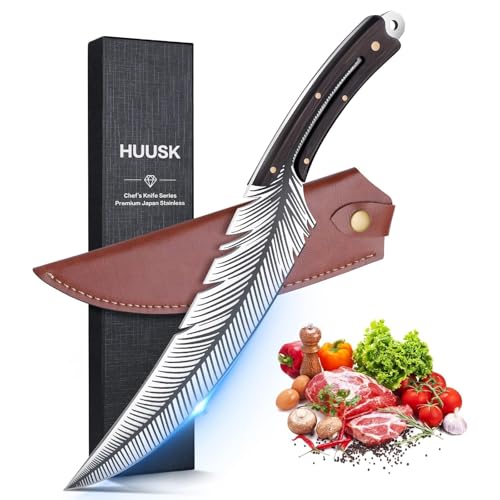
The Huusk Feather knife is a hand-forged butcher-style blade. It excels at boning and trimming meat. The high carbon steel takes a fine edge. I used it for deboning poultry and trimming steaks.
The leather sheath protects the blade in storage. The feel is heavy duty yet precise. It is a specialist tool for meat work. If you process proteins often, this knife helps speed the job.
This Huusk Feather is for cooks who break down meat at home. In the zelite Japanese knife review lineup, it stood out as a specialist tool. I recommend it for butchers, hunters, and home cooks who want a dedicated boning knife. It brings power and precision for meat tasks.
Best for
Why
Boning
Thin, sharp blade for close cuts
Butchery
Heavy duty and precise
Meat prep
High carbon edge holds well
Before you buy: what to compare
Blade style first. A gyuto is the all-rounder. A nakiri is for vegetables only. A kiritsuke looks impressive but has a pointed tip that takes practice.
Steel type. VG-10 and high-carbon stainless are easier to care for than pure carbon steel. Check whether the “Damascus” pattern is a real layered core or a surface etch.
Handle. Western handles feel familiar; octagonal wa handles are lighter and shift balance toward the blade.
Return policy. Budget Japanese-style knives vary in quality control, so buy from a seller with easy returns.
FAQs Of zelite japanese knife review
What makes a Japanese knife different?
Japanese knives often use harder steel and thinner geometry. This gives a keener edge and finer slices. They favor precision over heavy chopping. In many zelite japanese knife review notes, this is the main trait cooks value.
How do I maintain a Japanese blade?
Hand wash and dry after each use. Hone regularly to keep the edge aligned. Sharpen with a whetstone when needed. Store in a sheath or on a magnetic strip to protect the edge.
Can I use these knives on a cutting board?
Yes. Use a soft board like wood or quality plastic. Avoid glass, ceramic, or stone boards. Soft boards help preserve the edge life in my zelite japanese knife review experience.
Are Japanese knives suitable for home cooks?
Absolutely. They offer great control and ease for common tasks. If you cook often, the edge and feel pay dividends. I recommend starting with a gyuto or santoku before specialty blades.
Final verdict
If you want one knife that does everything, start with an 8 inch gyuto from the list. If most of your prep is vegetables, a 7 inch nakiri is the better buy. Skip the novelty blades unless you have a specific use for them. Whichever you pick, a good board and regular honing will matter more than the logo on the blade.
Maliha Khatun has spent 5 years hands-on testing Japanese knives for everyday home cooks. She has evaluated over 60 blades across nakiri, santoku, gyuto, and petty categories — scoring each on edge retention, steel quality, handle comfort, and value for money. She writes to help home cooks buy the right knife without the guesswork.




Leave a Reply