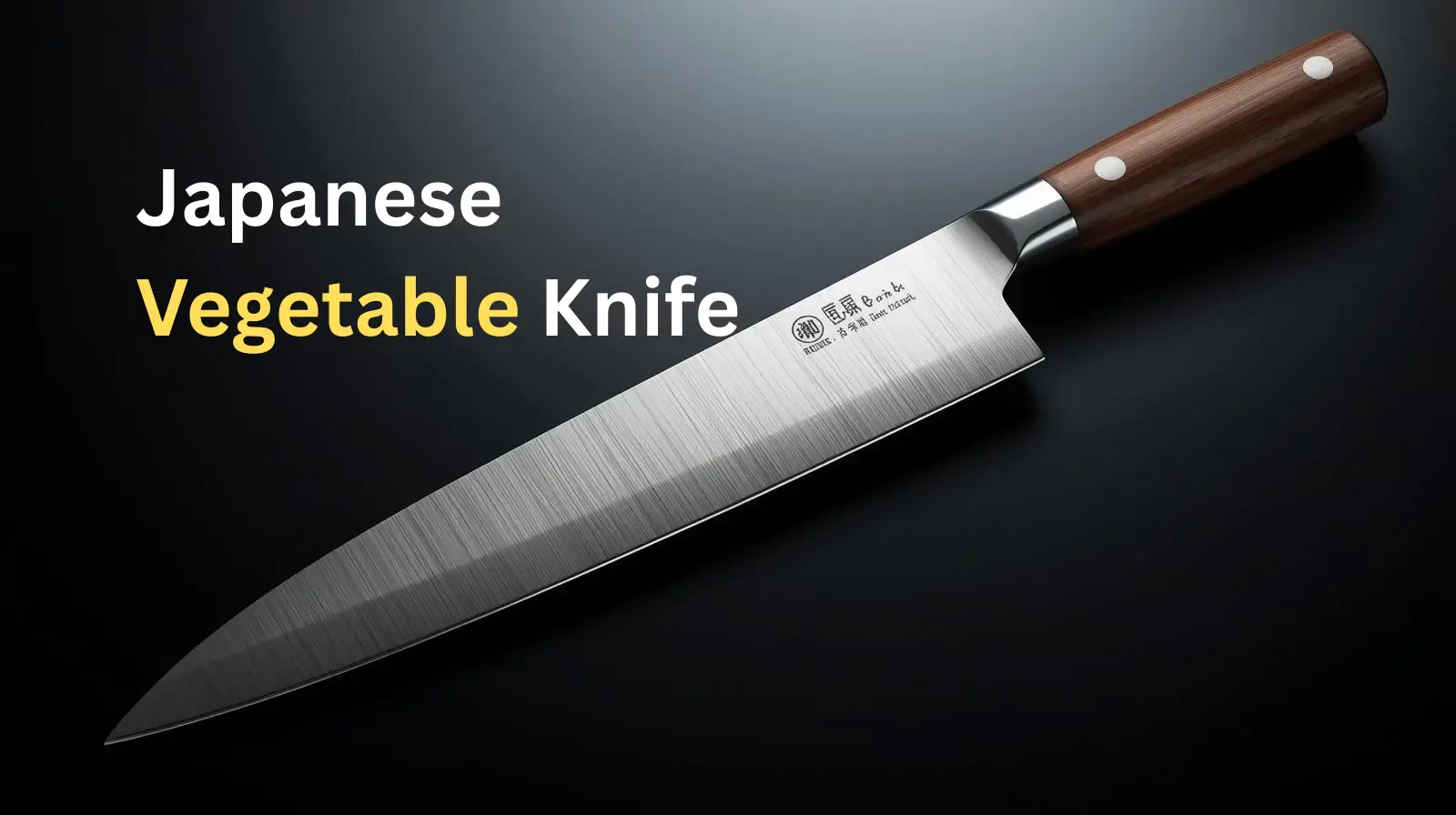
Japanese vegetable knives offer precision and versatility for all your culinary needs.
If you’re delving into the world of Japanese cuisine or simply seeking the finest tools for your kitchen, understanding how to choose the right Japanese vegetable knife is crucial. These knives aren’t just tools; they’re works of art, designed with a focus on delivering clean, precise cuts that elevate your cooking experience. With a deep history and a wide range of options, selecting the perfect knife can be a delightful, yet daunting, journey. Whether you’re an experienced chef or a home cook, this guide will walk you through everything you need to know about purchasing the ideal Japanese vegetable knife, ensuring you make a well-informed decision.
Types of Japanese Vegetable Knives
The variety in Japanese knives can be overwhelming, so here’s a breakdown of some of the most popular types you might consider:
- Nakiri: Ideal for vegetables, the Nakiri features a straight edge perfect for chopping and slicing.
- Usuba: A preferred choice for professional chefs, it offers more precision, especially for decorative cuts.
- Santoku: A versatile knife suitable for vegetables, meat, and fish, known for its all-around capabilities.
- Gyuto: While primarily a chef’s knife, it’s excellent for cutting vegetables due to its versatile blade.
Choosing the Right Knife Based on Your Needs
Selecting the right knife depends heavily on your specific needs and how you plan to use it. Consider:
- Purpose: Are you focusing solely on vegetables or looking for a multi-use option?
- Frequency of Use: Daily usage might necessitate a more robust option.
- Skill Level: Beginners might prefer a more versatile knife, while a seasoned chef could opt for specialized tools.
Material and Construction
The quality of your knife largely depends on the materials used and how it’s constructed. Here’s what to look at:
- Blade Material: High-carbon steel is sharp and durable but requires maintenance. Stainless steel is rust-resistant but may lose sharpness faster.
- Handle Material: Wood offers a traditional feel and is comfortable, while synthetic options provide durability and less maintenance.
- Construction Technique: Forged knives are typically more robust and balanced than stamped knives.
Weight and Balance
The weight and balance of the knife affect the ease of use:
- Weight: A lighter knife is easier to handle for precision work, while a heavier knife may require less force.
- Balance: A well-balanced knife can improve cutting efficiency and reduce fatigue.
Maintenance and Care
Ensuring the longevity of your knife largely depends on how well you maintain it:
- Sharpening: Regular sharpening is essential to keep your knife in top condition.
- Cleaning: Hand wash and dry immediately to prevent rust, especially with high-carbon blades.
- Storage: Use knife guards or a knife block to protect both the blade and yourself.
Tips for First-Time Buyers
- Research Brands: Some reputable Japanese brands include Shun, Miyabi, and Global.
- Try Before Buying: If possible, handle the knife to assess comfort and ease of use.
- Invest in Quality: Higher upfront costs often translate into longer-lasting products.
Frequently Asked Questions
What is the difference between Nakiri and Usuba knives?
Nakiri knives have a straight edge suitable for home kitchens, while Usuba knives are more traditional with a single beveled edge, favored by professionals for intricate cuts.
Can I use a Santoku knife for vegetables?
Yes, Santoku knives are versatile and can handle a variety of tasks, including slicing vegetables efficiently.
How often should I sharpen my Japanese vegetable knife?
It depends on use frequency, but generally, sharpening every few months is advisable for optimal performance.
Are Japanese knives worth the investment for home cooks?
Absolutely. They offer precision, durability, and beauty, significantly elevating everyday cooking experiences.
What should I avoid when caring for my knife?
Avoid dishwashers, as harsh detergents and water pressure can damage the blade and handle.
Conclusion
Choosing the right Japanese vegetable knife is more than just a purchase—it’s an investment in your culinary journey. With the right knife, your chopping and slicing become not only more efficient but also more enjoyable. Whether you’re crafting intricate meals or simply preparing a quick dinner, the perfect knife will make all the difference. Armed with the insights from this guide, feel confident in selecting the knife that suits your needs. Explore further, try them out, and transform how you cook. If you found this guide helpful, consider subscribing for more cooking insights or share your thoughts in the comments below. Happy cooking!


Maliha Khatun has spent 5 years hands-on testing Japanese knives for everyday home cooks. She has evaluated over 60 blades across nakiri, santoku, gyuto, and petty categories — scoring each on edge retention, steel quality, handle comfort, and value for money. She writes to help home cooks buy the right knife without the guesswork.
Expertise:Japanese Knives • Vegetable Knives • Product Reviews • Kitchen Efficiency • Knife Care
Leave a Reply