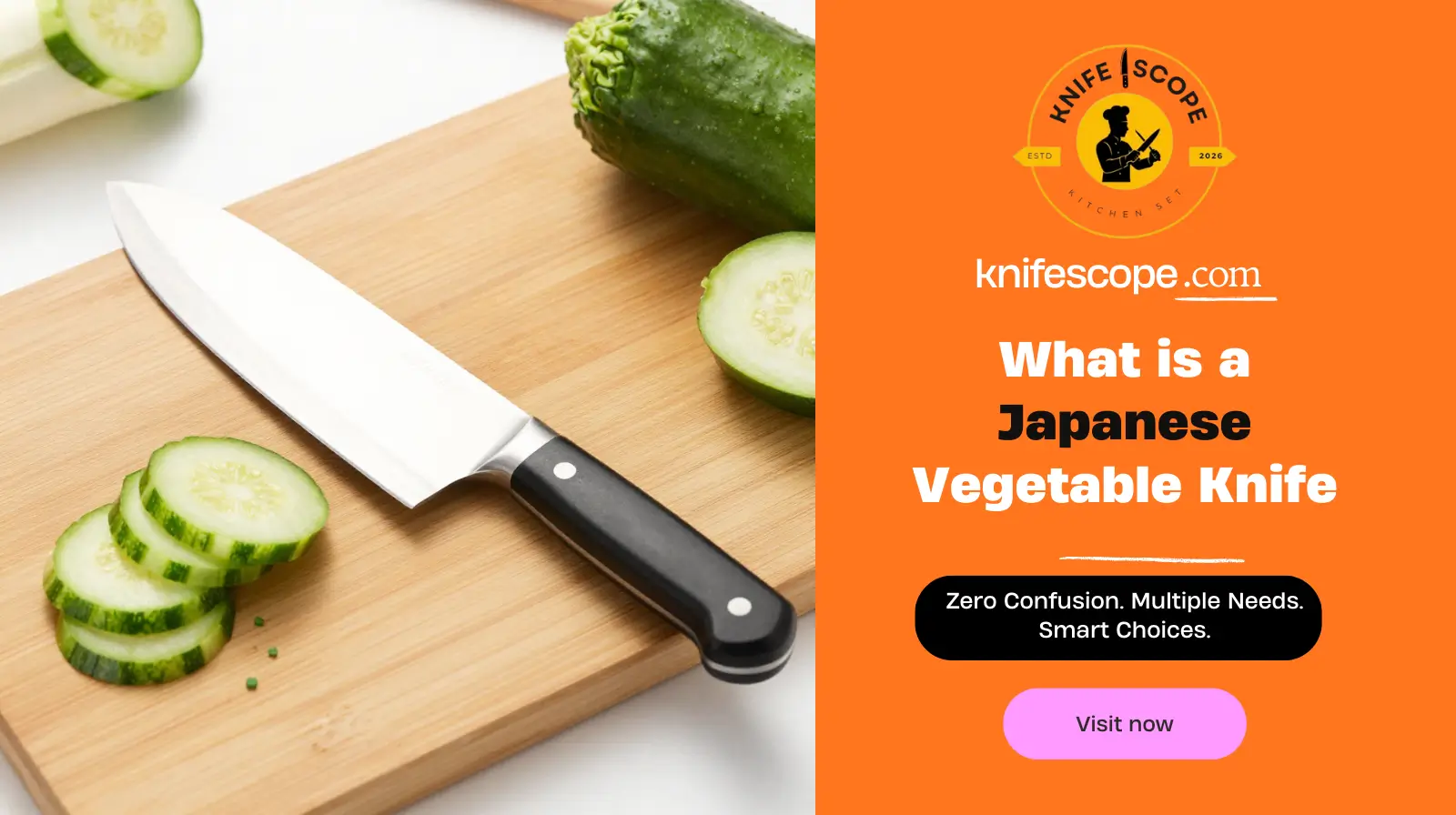
A Japanese vegetable knife is a thin, flat-edged blade for clean, fast produce cuts.
If you’ve wondered what is a japanese vegetable knife and whether it improves your prep, you’re in the right place. I’ve used these knives in home and pro kitchens, tested them side by side, and taught cooks how to get the most from them. By the end, you’ll know what is a japanese vegetable knife, how it works, which type fits you, and how to care for it like a pro.
What Is a Japanese Vegetable Knife?
A Japanese vegetable knife is a blade designed to slice, dice, and shave produce with ease. It has a thin blade and a straight edge, so it makes full contact with the board. That shape gives you smooth, even cuts and less bruising. It shines with herbs, onions, carrots, cabbage, and fruit.
Two classic styles answer what is a japanese vegetable knife: the nakiri and the usuba. The nakiri is double-bevel and friendly for all users. The usuba is single-bevel and very precise, but it needs more skill. Many cooks also use a santoku for vegetables, but it is a hybrid, not a pure veg specialist.

Types of Japanese Vegetable Knives and When to Use Them
Nakiri (Double-Bevel, the Everyday Veg Hero)
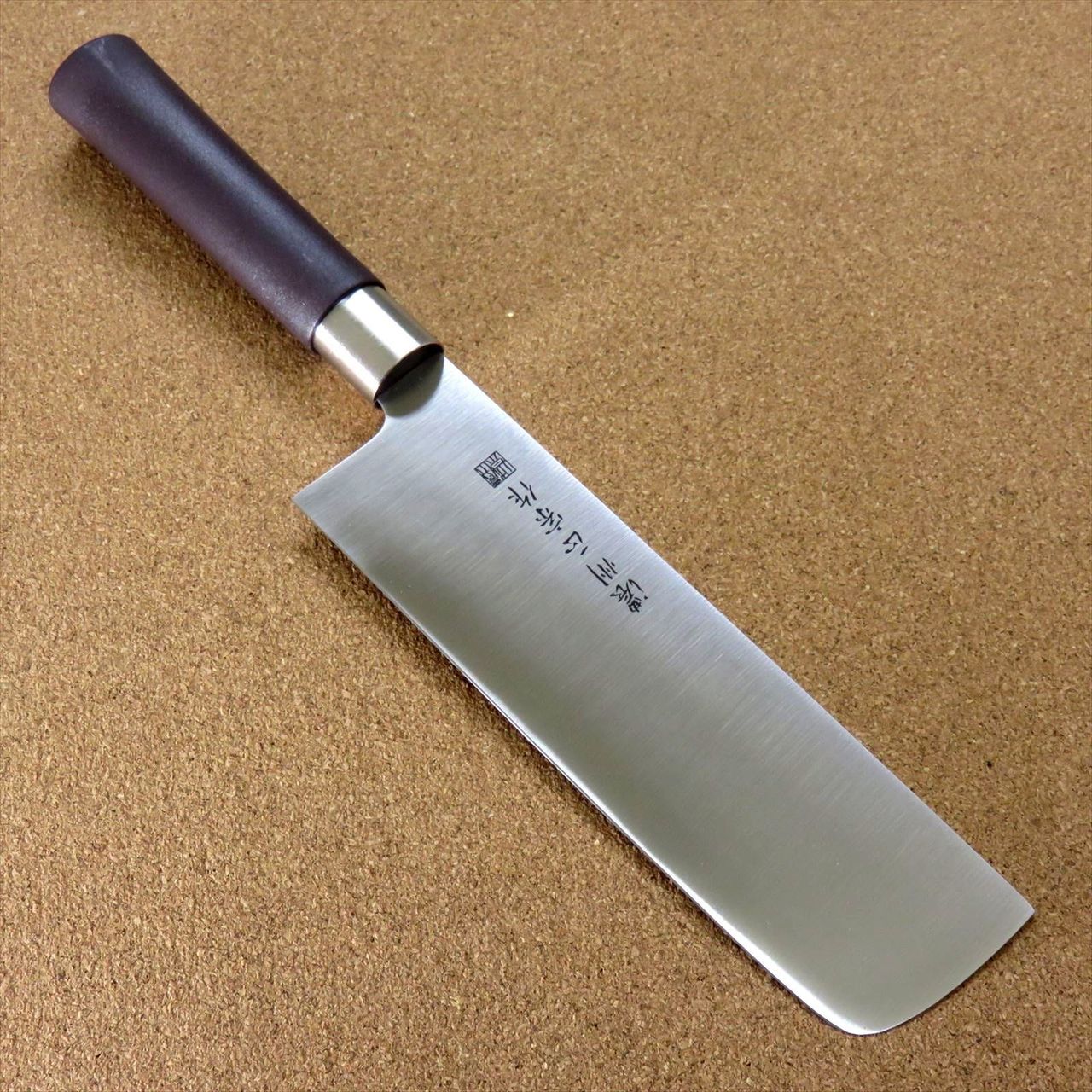
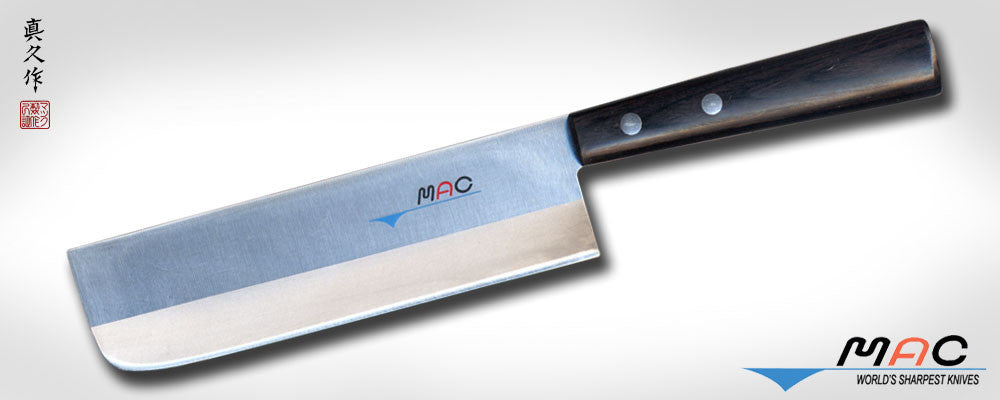
The nakiri has a tall, thin, flat blade. It gives clean cuts and quick board work. It is easy to sharpen and suits right- and left-handed users.
Use a nakiri if you want a simple, fast answer to what is a japanese vegetable knife for daily prep.
Strengths:
- Straight edge for full contact and even dice
- Thin grind for low resistance
- Great for pile-and-slice jobs like cabbage or greens
Watch-outs:
- Not ideal for bones or hard squash
- Needs a soft board to protect the edge
Usuba (Single-Bevel, the Precision Specialist)
The usuba is a traditional pro tool. It is single-bevel and very sharp. Chefs use it for paper-thin cuts and garnishes.
Strengths:
- Surgical control for fine work
- Can do katsuramuki, the long, thin peel technique
- Ultra clean slices that keep cell walls intact
Watch-outs:
- Right- or left-hand specific, so choose the correct version
- Steeper learning curve and more care needed
Santoku or Bunka (Hybrid, Veg-Forward All-Rounders)
Santoku and bunka work well with vegetables. They are not as flat as a nakiri. But they still push-cut well and handle meat and fish too.
Strengths:
- One knife for many tasks
- Easier to find and often cheaper
- Great for small kitchens
Watch-outs:
- Slight belly in the edge means less full-board contact than a nakiri
- Not as precise as an usuba for showy cuts

Blade Design, Steel, and Why It Matters
The secret behind what is a japanese vegetable knife is in the geometry. These knives are thin, often 1.5–2.5 mm at the spine. Many have a flat edge with a tiny micro-bevel for strength. The thin grind lowers drag, so you cut straighter and faster.
Common steels:
- Stainless: VG-10, AUS-8, SG2. Easier care, less rust risk.
- Carbon: White steel (Shirogami), Blue steel (Aogami). Takes a scary sharp edge and feels buttery on the board.
Typical hardness ranges from about 58 to 65 HRC. Harder steel can hold a sharp edge longer. It can also chip if abused. Many double-bevel knives do well at 12–15 degrees per side. Single-bevel usuba often use a 10–12 degree primary with a light micro-bevel.
Cladding helps too. Stainless-clad carbon gives easy care with a carbon core. Some finishes like kurouchi resist rust. A soft wood board, like hinoki or end-grain maple, keeps the edge safe.

How to Use a Japanese Vegetable Knife Like a Pro
If you ask me what is a japanese vegetable knife good at, I say push cuts and tap chops. Let the flat edge ride the board, and move straight up and down. Keep the tip down for tap-chopping herbs or scallions.
Practical tips I teach new cooks:
- Guide hand forms a claw to keep fingers safe
- Push, don’t rock, to use the full flat edge
- Dry the blade as you prep to reduce sticking
- Use light pressure; let sharpness do the work
With an usuba, start slow. Practice straight cuts on cucumbers or daikon. Try thin slices, then move to katsuramuki once your angle control feels steady.

Care, Sharpening, and Maintenance
Treat your knife well and it will treat you well. This part matters as much as learning what is a japanese vegetable knife.
Daily habits:
- Hand wash and dry right away
- Use a soft wood or quality plastic board
- Store in a sheath or on a magnet with care
Sharpening routine:
- Hone on a strop or fine ceramic weekly
- Sharpen on stones when the edge slips on tomato skin
- Use 1000 grit to set the edge; 3000–6000 to refine; 8000 for polish
- Keep angles consistent; light pressure, steady strokes
Avoid dishwashers, glass boards, and twisting in hard foods. If your knife chips, use a coarser stone to reset the edge, then refine.
Buying Guide: How to Choose the Right One
If you’re buying and still asking what is a japanese vegetable knife that fits me, think about your habits. How often do you cook? Do you want easy care or top sharpness?
Key factors:
- Style: Nakiri for simple veg work; usuba for high precision; santoku if you want a hybrid
- Steel: Stainless for low care; carbon for feel and edge
- Length: 165–180 mm for nakiri; 165–210 mm for santoku
- Handle: Western or wa-handle (octagonal or D-shaped) based on grip comfort
- Bevel: Double-bevel for most users; single-bevel usuba for skilled cutters
- Fit and finish: Smooth spine and choil, even grind, straight blade
Trusted makers include both entry and higher-end options. Look for consistent heat treatment and clear specs. If left-handed, check bevel orientation, especially on usuba.

Japanese Vegetable Knife vs. Western Chef’s Knife
Both can slice vegetables, but they feel different. If you wonder what is a japanese vegetable knife doing better than a Western chef’s knife, think precision and low drag.
Key differences:
- Edge profile: Flatter on Japanese veg knives for push cuts; more curve on chef’s knives for rocking
- Steel: Often harder on Japanese knives for sharper edges, but more brittle
- Grind: Thinner blades for cleaner cuts and less bruising
- Care: Japanese edges need softer boards and kinder technique
- Use: Japanese styles excel at straight-line slicing and fine work
I still keep a Western chef’s knife for rough tasks and big squash. I grab the nakiri when I want perfect julienne and whisper-thin herbs.
Mistakes to Avoid and Safety Tips
Common mistakes I see when people first learn what is a japanese vegetable knife:
- Rocking the blade like a chef’s knife, which lifts the flat edge off the board
- Torquing the blade in hard foods, which risks chips
- Using glass or bamboo boards that dull edges fast
- Leaving the knife wet, which can stain or rust
Simple safety:
- Keep your edge sharp; dull knives slip
- Use the claw grip and move slow until cuts feel natural
- Clear the board often so scraps do not snag the edge

Frequently Asked Questions of what is a japanese vegetable knife
What is a japanese vegetable knife used for?
It is made for clean, straight cuts in vegetables and fruit. It gives even slices, fast dicing, and fine garnishes with less bruising.
Which is better for beginners: nakiri or usuba?
Most beginners do better with a nakiri. It is double-bevel, easy to sharpen, and works for right- and left-handed users.
Do I need special stones for sharpening?
A basic set with 1000 and 3000–6000 grit is enough. Add a coarse stone if you fix chips, and a strop for weekly touch-ups.
Will stainless or carbon steel be better?
Stainless is easier to care for and resists rust. Carbon takes a sharper edge and feels great on the board, but needs fast drying.
How often should I sharpen a Japanese vegetable knife?
For home use, every 4–8 weeks is common. Touch up weekly with a strop so full sharpening takes less time.
Can a santoku replace a nakiri?
It can for many home cooks. A santoku does well with vegetables and other tasks, though it lacks the full flat edge of a nakiri.
What cutting board should I use?
Use end-grain wood or soft plastic. Avoid glass, stone, and hard bamboo because they dull or chip edges.
Is a Japanese vegetable knife good for meat?
It can slice boneless meat, but it is not for bones or joints. Use a chef’s knife or boning knife for those jobs.
Conclusion
Now you can answer what is a japanese vegetable knife with confidence. It is a thin, flat-edged tool built for crisp, clean vegetable cuts, with styles like nakiri for daily prep and usuba for high precision. Choose the right steel, learn the push cut, and care for the edge, and your prep will get faster and cleaner.
Try one this week. Practice on onions and cucumbers, and watch your cuts improve. Have questions or want a buying checklist? Leave a comment, subscribe for more knife guides, and explore related resources to level up your kitchen game.
Maliha Khatun has spent 5 years hands-on testing Japanese knives for everyday home cooks. She has evaluated over 60 blades across nakiri, santoku, gyuto, and petty categories — scoring each on edge retention, steel quality, handle comfort, and value for money. She writes to help home cooks buy the right knife without the guesswork.
Expertise:Japanese Knives • Vegetable Knives • Product Reviews • Kitchen Efficiency • Knife Care
Leave a Reply