Choose a nakiri or usuba, good steel, comfy handle, and right length.
If you want simple, fast, clean cuts on veggies, you’re in the right place. I’ve spent years testing blades at home and with pro cooks. This guide shows how to choose japanese vegetable knife with real tips, clear steps, and no fluff. You’ll learn what matters, what does not, and how to buy with confidence.
What makes Japanese vegetable knives different
Japanese vegetable knives are made to glide through produce. They keep thin edges. They make straight cuts that help food cook even. That is the core reason many cooks switch.
Most folks shop two main styles for vegetables. Nakiri is double-bevel and easy to use. Usuba is single-bevel and gives insane control, but it needs skill. Both can be great when you know how to choose japanese vegetable knife for your needs.
Key traits to expect:
- Thin blades cut clean. Less force. Less crush. Better texture.
- Hard steel holds an edge long. You sharpen less.
- Flat or near-flat edge helps board contact. Great for push cuts.
When you ask how to choose japanese vegetable knife, start with what you cut most and how you cut.
Pick your blade shape: nakiri vs. usuba vs. santoku for veg
Each shape has a job. Choose the one that fits your habits.
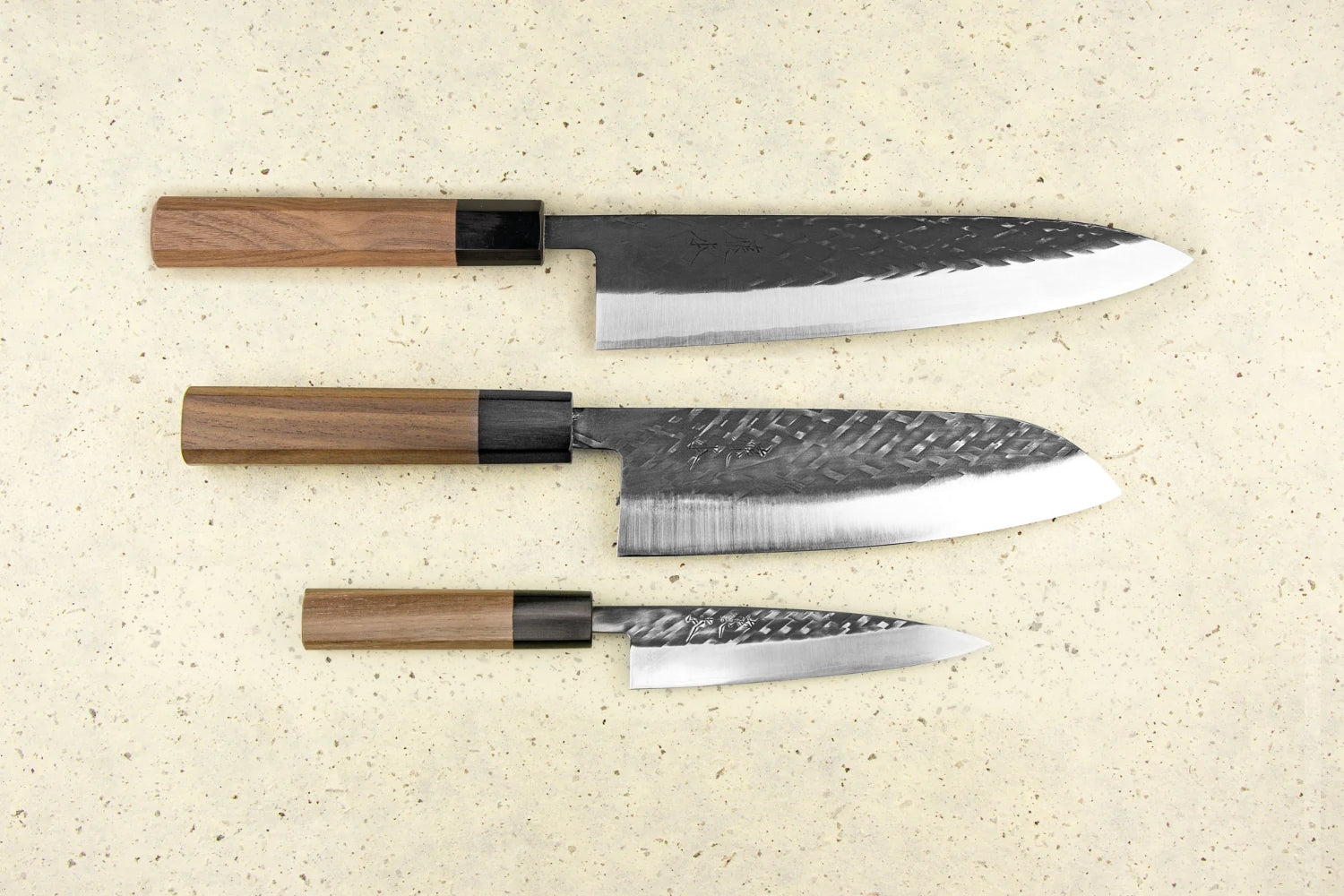
- Nakiri: The go-to for most home cooks. Flat edge. Square tip. Great for push and chop on herbs, onions, carrots, and cabbage. Easy to sharpen and control.
- Usuba: A pro’s veggie blade. Single-bevel. Wildly sharp and precise. Best for fine work like katsuramuki (paper-thin sheets). It has a steeper learning curve and can steer to one side.
- Santoku or small gyuto: Multi-use. Works well if you want one knife for veg, meat, and fish. Not as flat as a nakiri, but still very handy.
My take: If you want a safe bet for how to choose japanese vegetable knife, start with a nakiri. If you love craft and want the sharpest veg cuts possible, learn the usuba.

Steel 101: edge life, rust, and chip risk
Steel choice shapes how the knife feels day to day.
- Stainless (VG-10, AUS-10, Ginsan): Resists rust and stains. Easy to live with. Edge life is good. Great for busy home use.
- Semi-stainless (like SKD or some clad steels): Better edge life than basic stainless. Needs basic care. Wipes clean fast.
- Carbon (White/Shirogami, Blue/Aogami): Takes a scary sharp edge. Holds it well, especially Blue. Can rust if you leave it wet. Builds patina over time.
Hardness matters too. Many Japanese knives sit around 60–63 HRC. Harder steel holds an edge longer but can chip if you twist or hit bone. Softer steel chips less but needs more sharpening.
If you want low stress for how to choose japanese vegetable knife, pick stainless or semi-stainless. If you love sharpening and peak bite, carbon is a joy.
Edge, grind, and thickness: how the knife feels in food
Edge style affects cut feel and control.
- Double-bevel (nakiri, santoku): Symmetric. Stable. Great for left and right-handed users.
- Single-bevel (usuba): One side is flat or near flat. The other is ground. This allows ultra thin, straight slices. It can steer. Left-handed versions exist, but cost more.
Grind and thickness:
- Thin behind the edge gives low resistance. It slides through sweet potatoes and cucumbers.
- Convex faces help food release, so slices do not stick.
- A flat edge profile helps board contact and straight push cuts.
I test this by slicing a stack of carrots and zucchini. If the blade does not wedge and slices fall off, the grind is right. When thinking how to choose japanese vegetable knife, this cut feel matters more than looks.

Handle, balance, and comfort
Comfort keeps you using the knife daily.
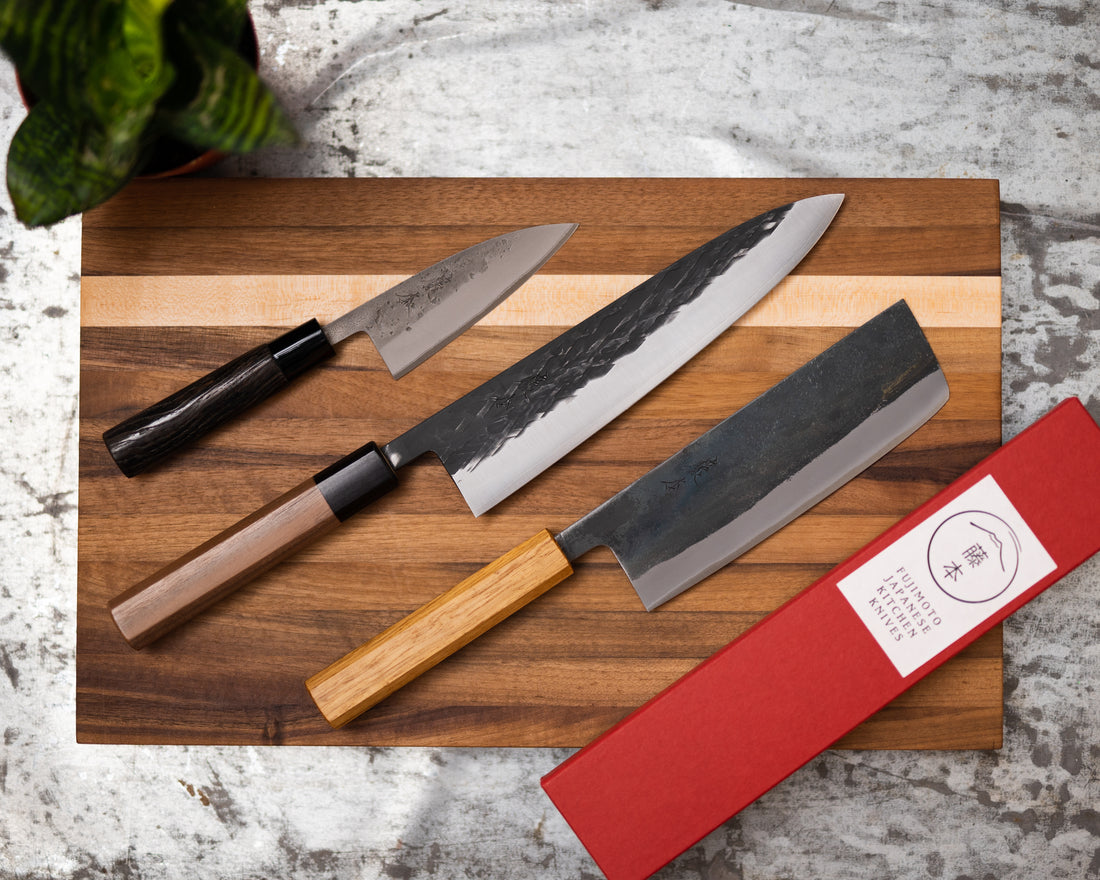
- Wa-handle (octagonal, oval, or D-shape): Light. Moves the balance point forward toward the blade. Great for long prep.
- Yo-handle (Western): Heavier. Familiar shape with a bolster. Some prefer the grip and weight.
Try a pinch grip. Your thumb and index finger hold the blade, not just the handle. The knife should feel neutral, not tip-heavy. If you plan long sessions, lighter is nicer. This is a big part of how to choose japanese vegetable knife you will love.
Length and size: get the right reach
Pick a length that matches your board and food.
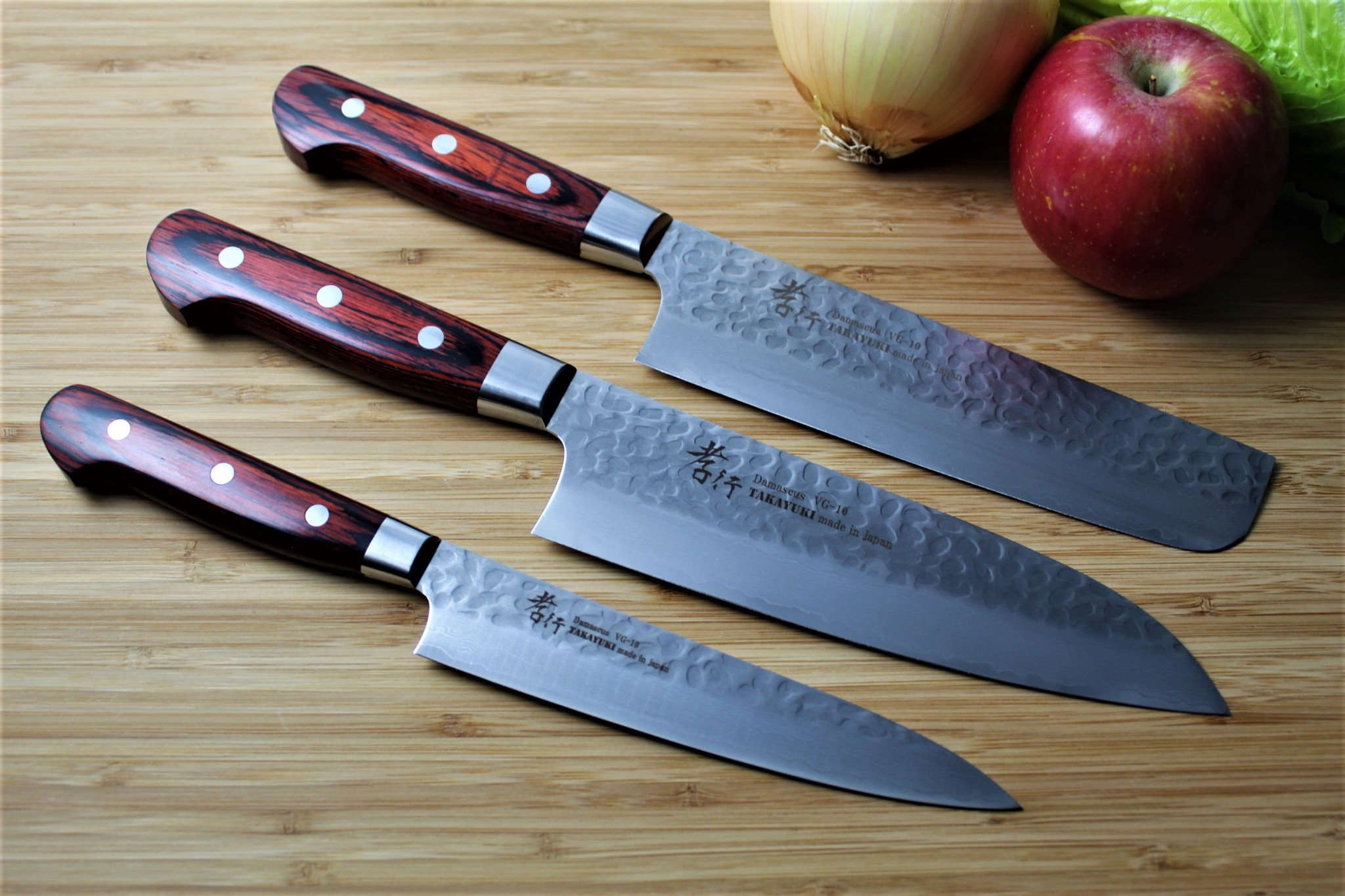
- Nakiri: Most common is 165 mm to 180 mm. 165 mm is quick and nimble. 180 mm gives you more glide for piles of greens.
- Usuba: 180 mm to 210 mm for more room on the board.
- Santoku: 165 mm to 180 mm works well for veg.
Match the blade height to your knuckles. You should clear the board without hitting your fingers. If you are unsure how to choose japanese vegetable knife length, aim for 165–180 mm to start.
Fit, finish, and cladding: build quality you can see
Small details add up.
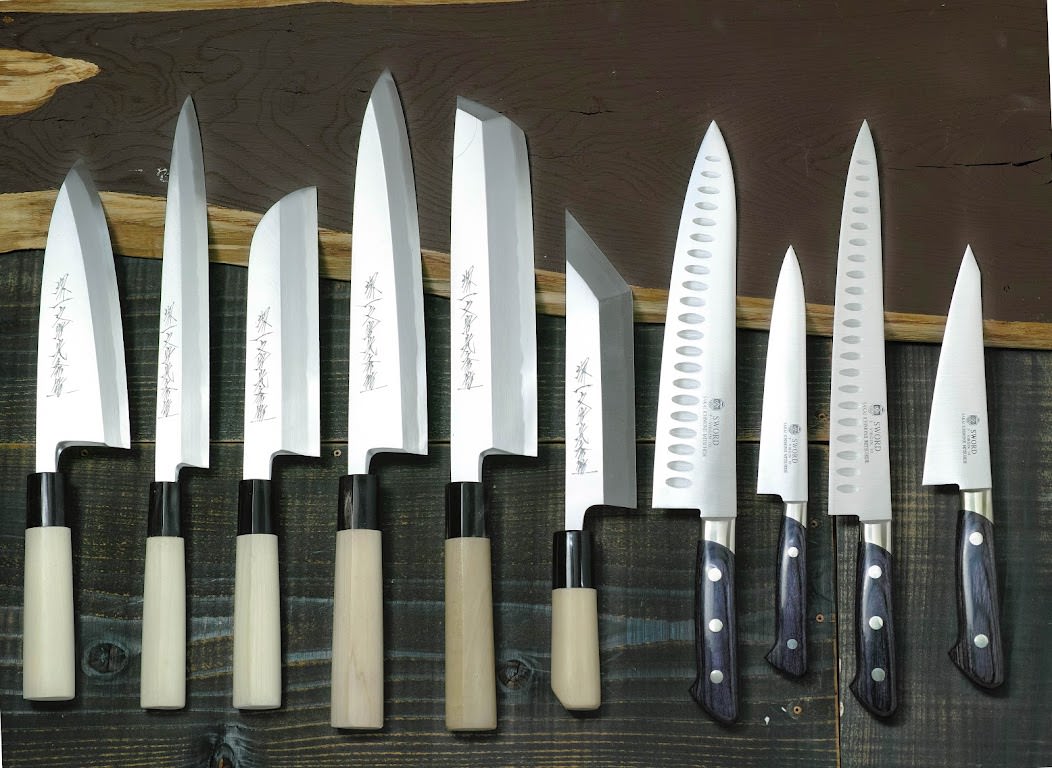
- Spine and choil should be eased or rounded. Sharp edges there can hurt your fingers.
- Even grind and straight blade road. Look down the edge for waves or bends.
- Cladding: Many knives have a hard core with softer steel on the sides. Stainless cladding over carbon core gives easy care with top edge bite.
- Food release: Subtle convex faces and kasumi finishes can help slices fall away.
Price tiers to expect:
- Entry: $50–$120. Solid stainless nakiri. Great start.
- Mid: $120–$250. Better steel and grind. Finer fit and finish.
- High: $250+. Premium steel, expert grind, and often handwork.
These checks make how to choose japanese vegetable knife less risky, even when shopping online.
Try before you buy: a simple test plan
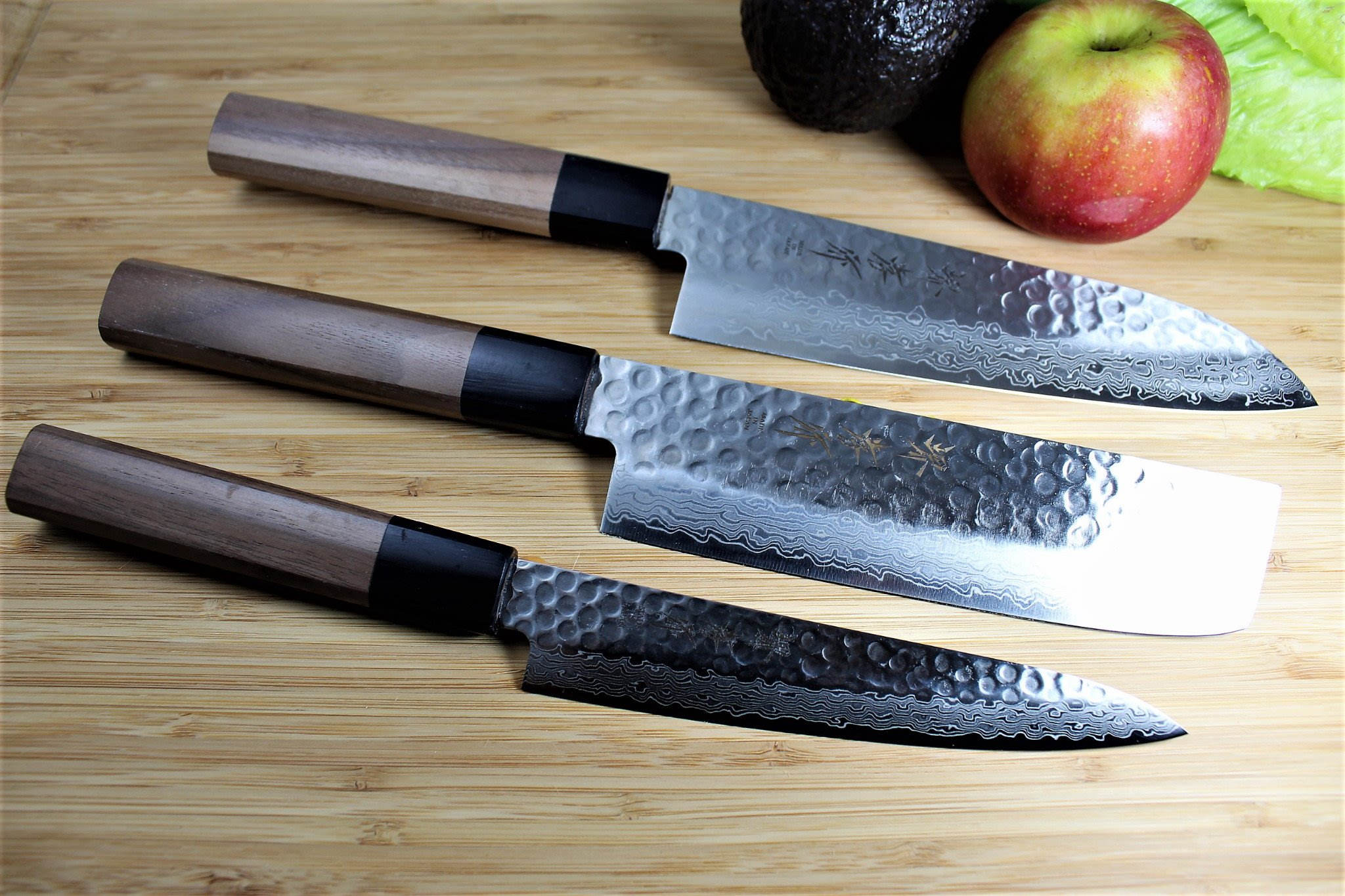
If you can handle knives in person, do quick tests.
- Dry pinch test: Grip near the heel. Check balance and comfort.
- Paper test: Light slice through copy paper. It should not snag.
- Food test: If allowed, cut a carrot and a tomato. Feel the start of the cut. Note if the slice sticks or if the blade wedges.
- Board sound: A clean, soft tap means a flat, true edge. Loud clack can mean thick or poor contact.
No store tests? When you think how to choose japanese vegetable knife online, ask the seller for weight, balance point, spine thickness at heel/mid/tip, and close-up choil shots.

Care, sharpening, and safety: protect your edge
Good care keeps your edge alive.
- Wash by hand. Dry at once. No dishwasher.
- Use a soft board. End-grain wood or quality plastic is best. Stay off glass and stone.
- Learn to strop or use a fine honing rod for stainless only. For carbon and harder steels, skip steel rods and strop or touch up on a fine stone.
- Sharpen with water stones. A 1000/3000 or 1000/6000 combo is a great start.
- Store in a saya or on a magnetic rack with the edge up and safe.
These habits matter as much as how to choose japanese vegetable knife in the first place. A little care goes far.
Budget-friendly picks and when to upgrade
Start where you are. You do not need a top shelf blade to cook great food.
- New to this: Get a 165 mm stainless nakiri with a wa-handle. It will be light and easy.
- Ready to level up: Try a 180 mm nakiri in semi-stainless or Blue steel core with stainless cladding. You will feel the bite.
- Want pro-level veg work: Train on an usuba. Buy left-handed if you are lefty. Expect a learning curve.
When you plan how to choose japanese vegetable knife for years of use, spend on steel and grind first. Fancy patterns can wait.
A step-by-step checklist for how to choose japanese vegetable knife
Use this short list to make a smart choice.
- Name your tasks. Daily veg prep or fine garnish.
- Pick shape. Nakiri for easy. Usuba for craft. Santoku if you want one knife.
- Choose steel. Stainless for easy care. Carbon for peak edge.
- Check size. 165–180 mm suits most boards and hands.
- Inspect grind and comfort. Thin behind the edge. Eased spine and choil.
- Confirm balance and weight. Light and neutral for long prep.
- Plan care. Stones, board, and safe storage.
Run this list, and you will master how to choose japanese vegetable knife with less doubt.
Frequently Asked Questions of how to choose japanese vegetable knife
Is nakiri better than santoku for vegetables?
Nakiri is more flat, so it excels at push cuts and straight chops. Santoku is more versatile if you also cut meat and fish.
Do I need carbon steel for the best edge?
No. Carbon can get sharper, but modern stainless can be excellent. If you want easy care, go stainless or semi-stainless.
What length is best for beginners?
A 165 mm to 180 mm nakiri is ideal. It gives control, room on the board, and easy handling.
Are single-bevel usuba knives hard to use?
They take practice and can steer until you learn control. If you enjoy craft and patience, the payoff is huge.
How often should I sharpen a Japanese vegetable knife?
With home use, touch up every 2–4 weeks on a fine stone. Full sharpening varies by steel, cutting style, and board.
Can left-handed users use an usuba?
Yes, but you need a left-hand grind model. They cost more and can be harder to find.
Conclusion
You now know the key steps: pick the right shape, choose a steel that fits your care style, dial in length and balance, and check grind and comfort. Start simple with a 165–180 mm nakiri, then grow into what you love.
Set a budget, follow the checklist, and make one informed choice this week. Ready to go deeper? Subscribe for more guides, ask questions, or share your favorite blade in the comments.
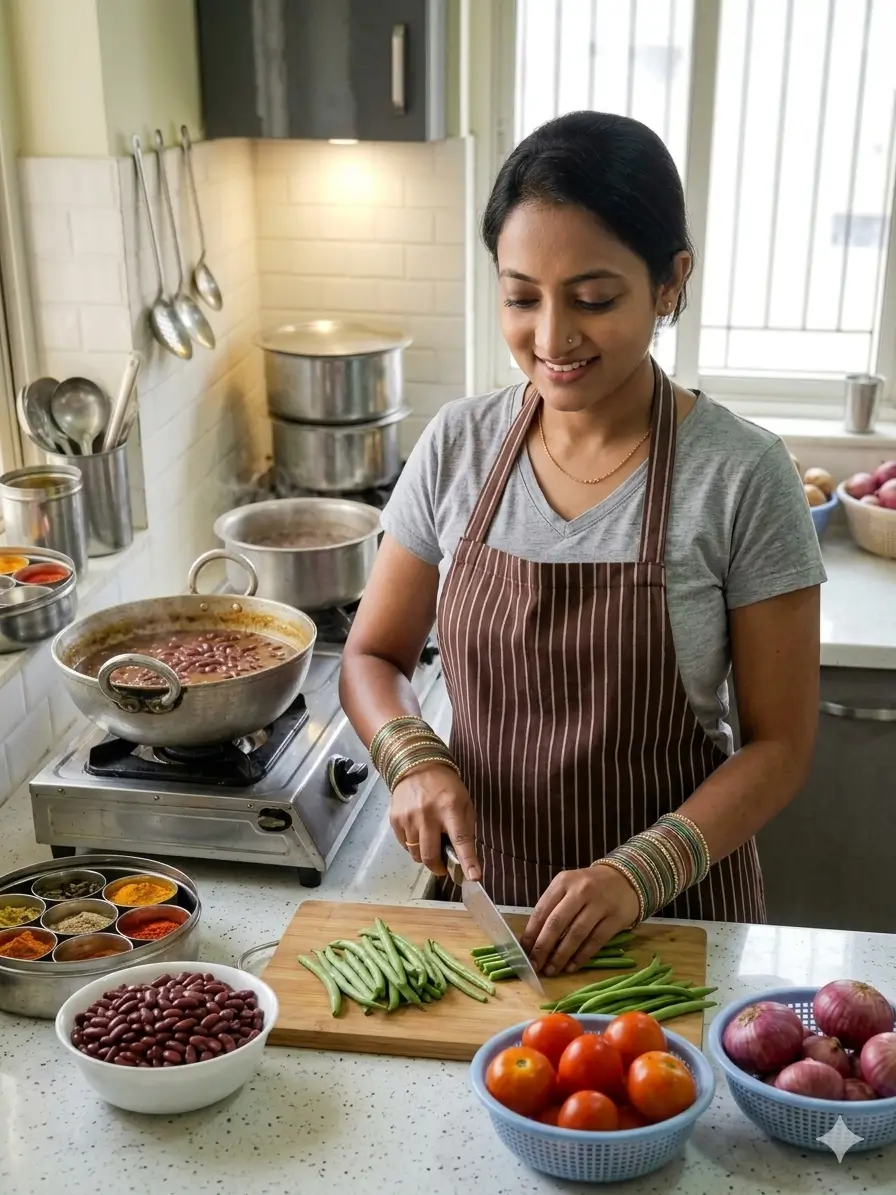
Maliha Khatun has spent 5 years hands-on testing Japanese knives for everyday home cooks. She has evaluated over 60 blades across nakiri, santoku, gyuto, and petty categories — scoring each on edge retention, steel quality, handle comfort, and value for money. She writes to help home cooks buy the right knife without the guesswork.
Expertise:Japanese Knives • Vegetable Knives • Product Reviews • Kitchen Efficiency • Knife Care
Leave a Reply