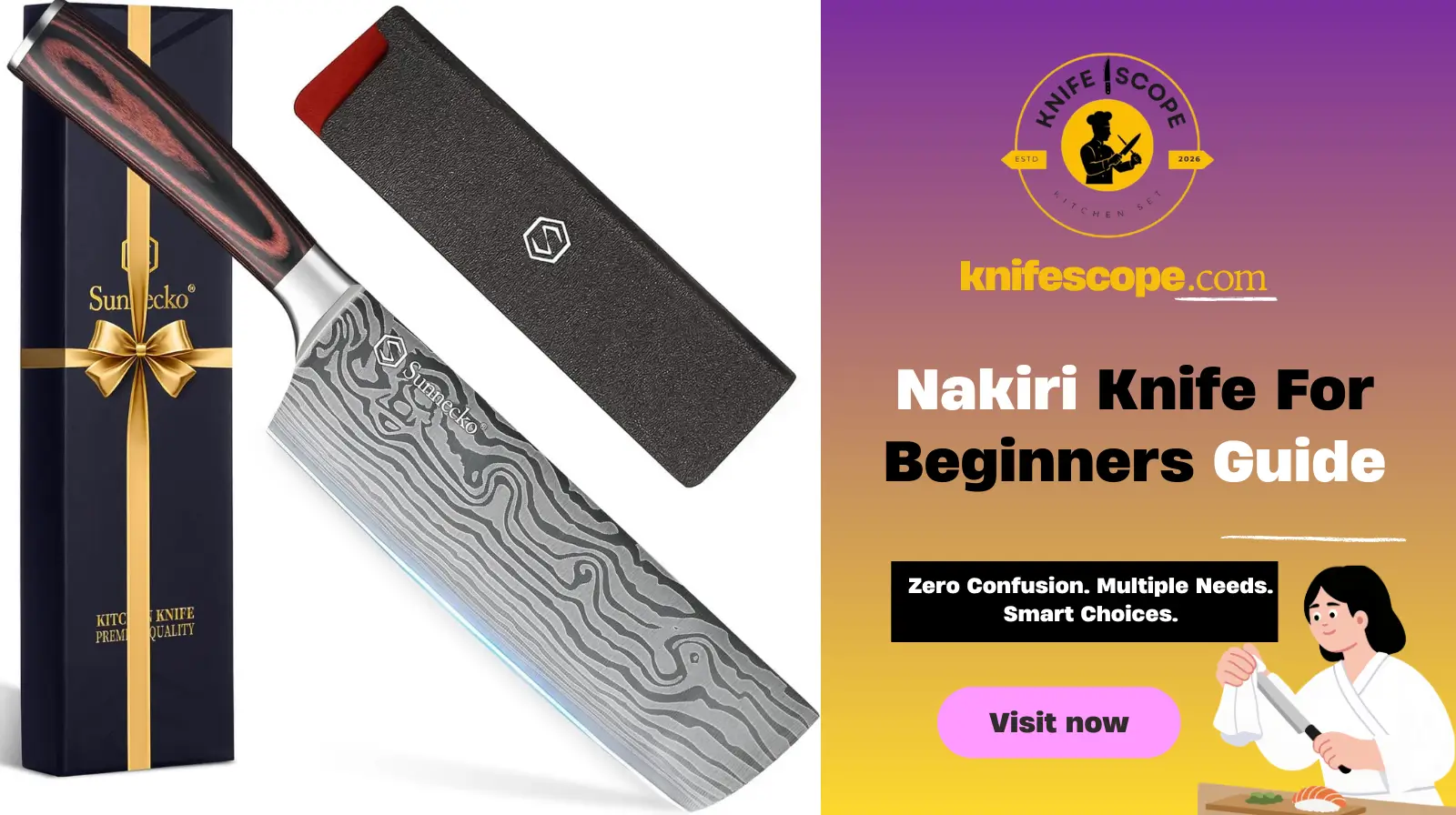
Nakiri knives are thin, straight-bladed vegetable knives ideal for clean, precise chopping.
I’ve taught home cooks and worked in kitchens where the nakiri knife for beginners guide made a real difference. This article is a clear, friendly, and expert-led nakiri knife for beginners guide that shows what a nakiri is, how to choose one, how to use it safely, and how to care for it so it lasts. I’ll share hands-on tips, mistakes I made early on, and simple steps you can use right away.
What is a nakiri and why it matters
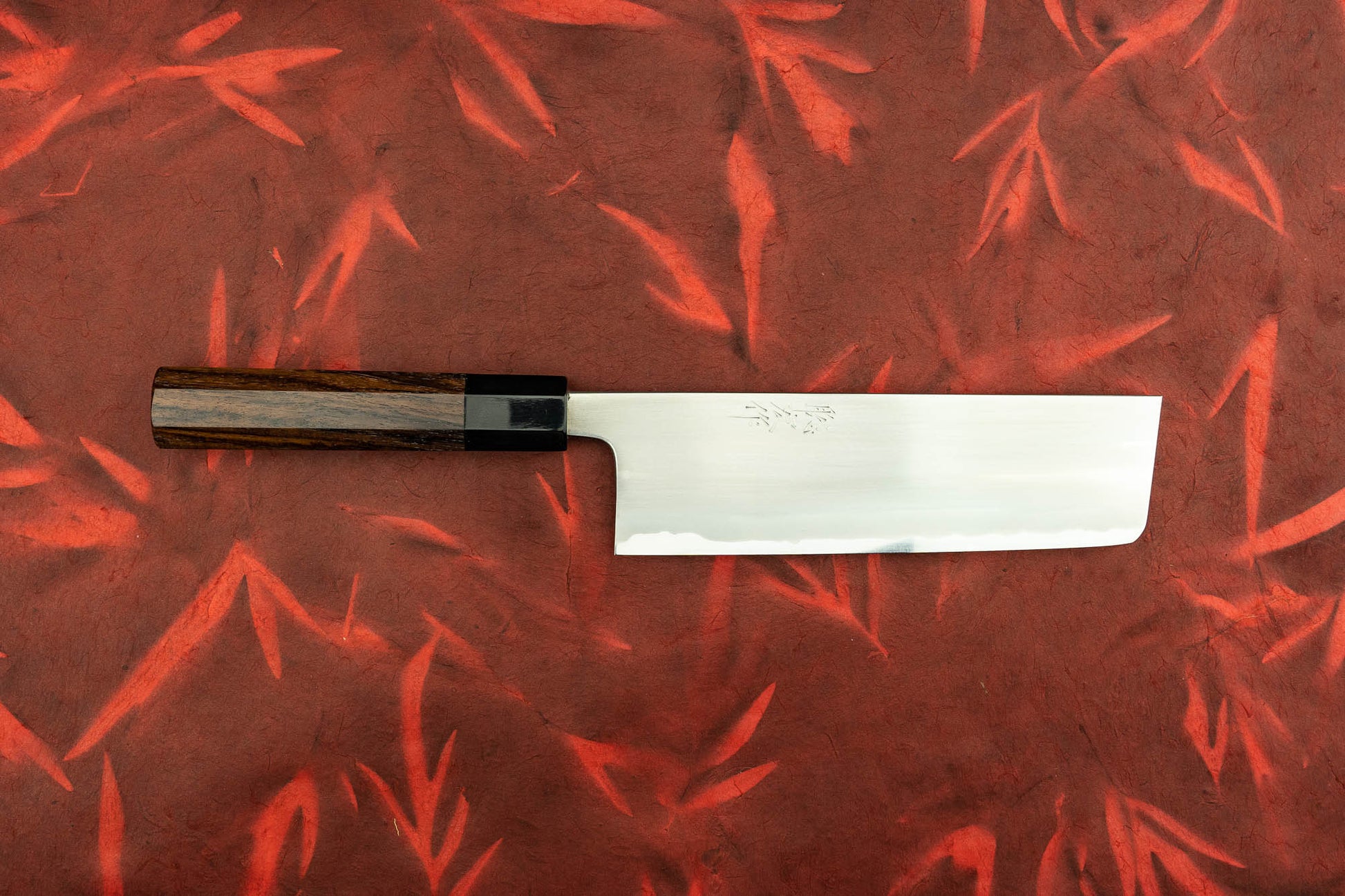
A nakiri is a Japanese-style vegetable knife. It has a straight blade edge and a flat profile that hits the cutting board evenly. This shape makes the nakiri knife for beginners guide essential reading for anyone who wants fast, clean vegetable prep.
The nakiri is light and narrow. It excels at thin slices and uniform cuts. If you value speed and neat plate presentation, the nakiri is a top choice.

Source: messermeister.com
Nakiri knife vs other kitchen knives
Compare the nakiri to familiar knives to see how it fits your kitchen.
- Chef’s knife — A chef’s knife is multipurpose. A nakiri knife for beginners guide helps you see that the nakiri is better for vegetables but not for heavy bones or large meats.
- Santoku — Santoku is close to chef’s knife but shorter. The nakiri has a straighter edge for full board contact.
- Paring knife — Paring knives do detail work. The nakiri handles volume prep.
Choosing a nakiri doesn’t replace other knives. It complements them.

Source: amazon.com
How to choose the right nakiri for you
When buying a nakiri, focus on these features.
- Blade material — Look for stainless steel or carbon steel based on care preferences. A nakiri knife for beginners guide often recommends stainless for low maintenance and carbon for edge retention.
- Blade length — 165 mm to 180 mm is common and versatile.
- Edge type — Double-ground edges suit most cooks. Single-bevel nakiri is traditional and for expert users.
- Handle — Choose what feels balanced and comfortable in your hand.
- Weight — Nakiri are light; pick a weight that lets you control slices without fatigue.
Try to hold a knife in store if possible. Comfort and balance matter more than looks.

Source: musashihamono.com
How to use a nakiri: basic cuts and technique
The nakiri shines on vegetables. Use these simple moves.
- Rockless push-cut — Press the blade straight down and push forward. The flat edge stays in contact with the board.
- Slicing — Use a slight forward motion when slicing softer veggies.
- Chiffonade — Stack leaves and use the straight blade to slice thin strips.
- Julienne and batonnet — Use the nakiri for uniform strips, then dice.
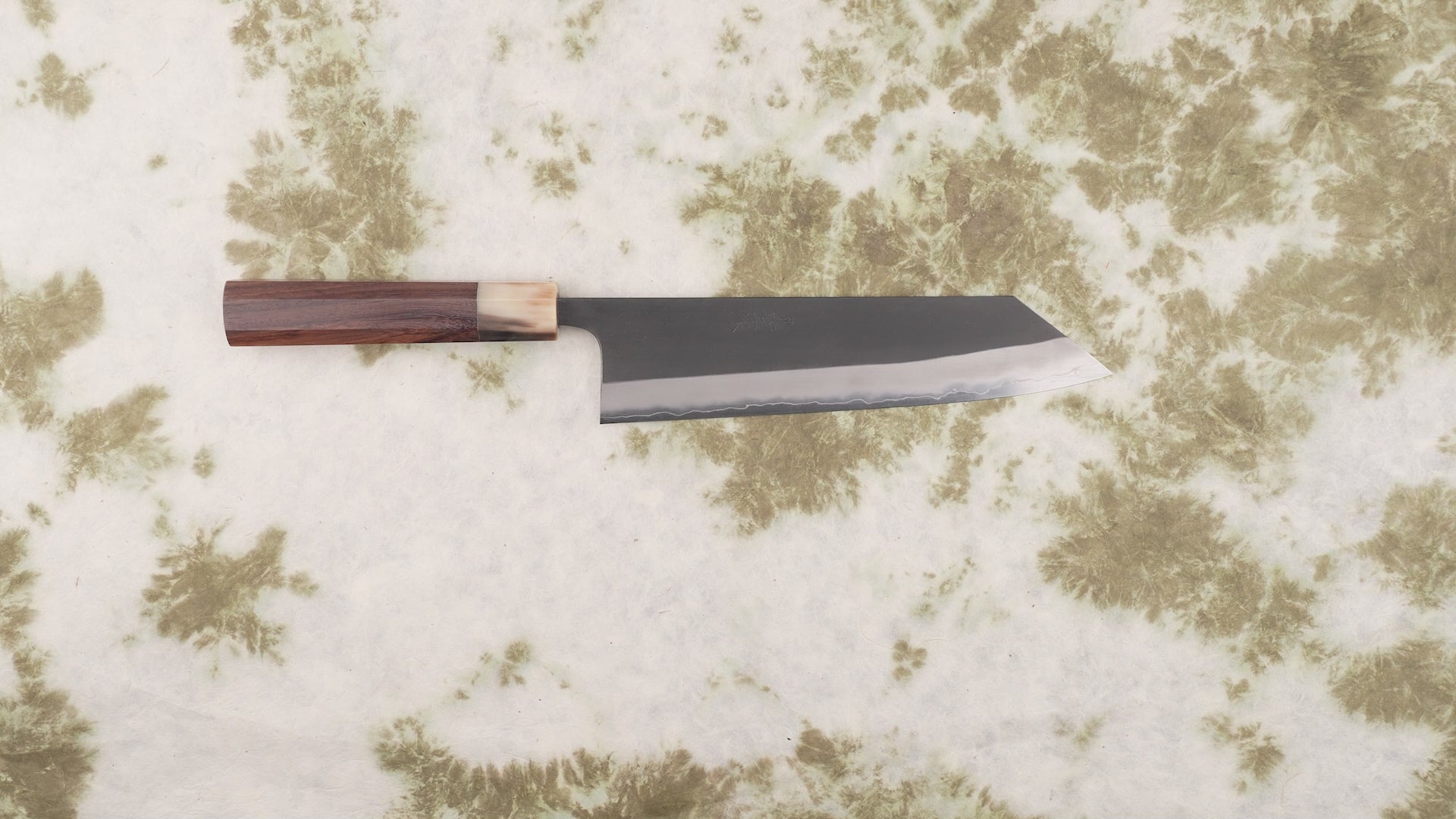
Practice slowly at first. This nakiri knife for beginners guide encourages short practice sessions to build control.
Source: knifewear.com
Care and maintenance: keep your nakiri sharp and safe
Good care keeps a nakiri working well for years.
- Hand wash only — Never put a nakiri in the dishwasher.
- Dry immediately — Prevent rust, especially with carbon steel.
- Store safely — Use a magnetic strip, sheath, or block.
- Regular honing — Use a ceramic rod to realign the edge between sharpenings.
This nakiri knife for beginners guide recommends a simple routine: wash, dry, hone, store. Do that and the knife will reward you.

Source: amazon.com
Sharpening your nakiri: what you need to know
Sharpening matters for clean cuts.
- Whetstone method — A water stone gives the best edge for Japanese-style steels.
- Angle — Aim for 15-20 degrees per side for a double-bevel nakiri.
- Frequency — Sharpen lightly every few months with a stone; hone weekly.
- Professional sharpening — Send high-end nakiri to pros if you’re unsure.
If you are new, start with a coarse and a fine stone and follow simple tutorials. This nakiri knife for beginners guide stresses patience; sharpening is a skill.
Source: knifewear.com
Common mistakes and tips from real kitchen experience
I’ve learned several lessons using nakiri knives over the years.
- Mistake — Using the nakiri on frozen or very hard items. It chips the edge. Tip: use a heavier knife for bones or hard squash.
- Mistake — Putting the nakiri in the dishwasher. Tip: hand wash and dry immediately.
- Mistake — Pressing too hard while cutting. Tip: let the blade do the work and use a steady rhythm.
- Tip — Use a soft cutting board like wood or plastic to protect the edge.
- Tip — Match the nakiri to the task: vegetables and herbs, not heavy meat.
These are real tips I picked up after dulling edges and learning to care for steel properly.

Source: amazon.com
Buying guide and budget recommendations
Prices vary. Here’s how to choose by budget.
- Budget options — You can find decent stainless nakiri under $50 that are good for beginners.
- Mid-range choices — $50–$150 gives better steel and balance.
- High-end picks — $150+ for premium steel and handcrafted blades.
- Where to buy — Buy from a reputable seller with clear return policies.
This nakiri knife for beginners guide suggests buying one mid-range stainless blade if you want low fuss and good performance.

Source: messermeister.com
Personal experience: what I learned using a nakiri
When I first used a nakiri, my prep speed rose fast. I learned that:
- Keeping the edge sharp makes prep feel effortless.
- A comfortable handle reduces wrist strain.
- Using the right board keeps the edge intact.
Try a few simple recipes focused on vegetables. You’ll notice the difference within a week if you follow this nakiri knife for beginners guide.
Frequently Asked Questions of nakiri knife for beginners guide
What makes a nakiri different from a chef’s knife?
A nakiri has a straight edge and flat profile made for vegetables. A chef’s knife has a curved edge for rocking and more general tasks.
Is a nakiri good for beginners?
Yes. A nakiri knife for beginners guide suggests it is easy to learn and speeds up vegetable prep. It’s light and forgiving for simple cuts.
How should I sharpen my nakiri?
Use a whetstone with a 15–20 degree angle per side. Hone regularly and sharpen with a finer grit for a keen edge.
Can a nakiri cut meat?
It can slice boneless, cooked meat but is not meant for bones or hard items. Use a heavier knife for those tasks.
How often do I need to hone or sharpen?
Hone weekly with a ceramic rod. Sharpen on a stone every few months depending on use.
Should I buy carbon or stainless steel?
Carbon holds a sharp edge longer but needs more care. Stainless is easier to maintain and is good for beginners following this nakiri knife for beginners guide.
Conclusion
A nakiri knife for beginners guide shows that this tool is simple, precise, and ideal for anyone who loves cooking vegetables. Start with a comfortable, mid-range nakiri, keep it sharp, and use it only for appropriate tasks to get the best results. Try a few practice sessions, follow the care tips here, and you’ll quickly feel the benefits in speed and presentation. Share your first nakiri experience in the comments or subscribe to learn more knife basics and buying tips.
Maliha Khatun has spent 5 years hands-on testing Japanese knives for everyday home cooks. She has evaluated over 60 blades across nakiri, santoku, gyuto, and petty categories — scoring each on edge retention, steel quality, handle comfort, and value for money. She writes to help home cooks buy the right knife without the guesswork.
Expertise:Japanese Knives • Vegetable Knives • Product Reviews • Kitchen Efficiency • Knife Care
Leave a Reply