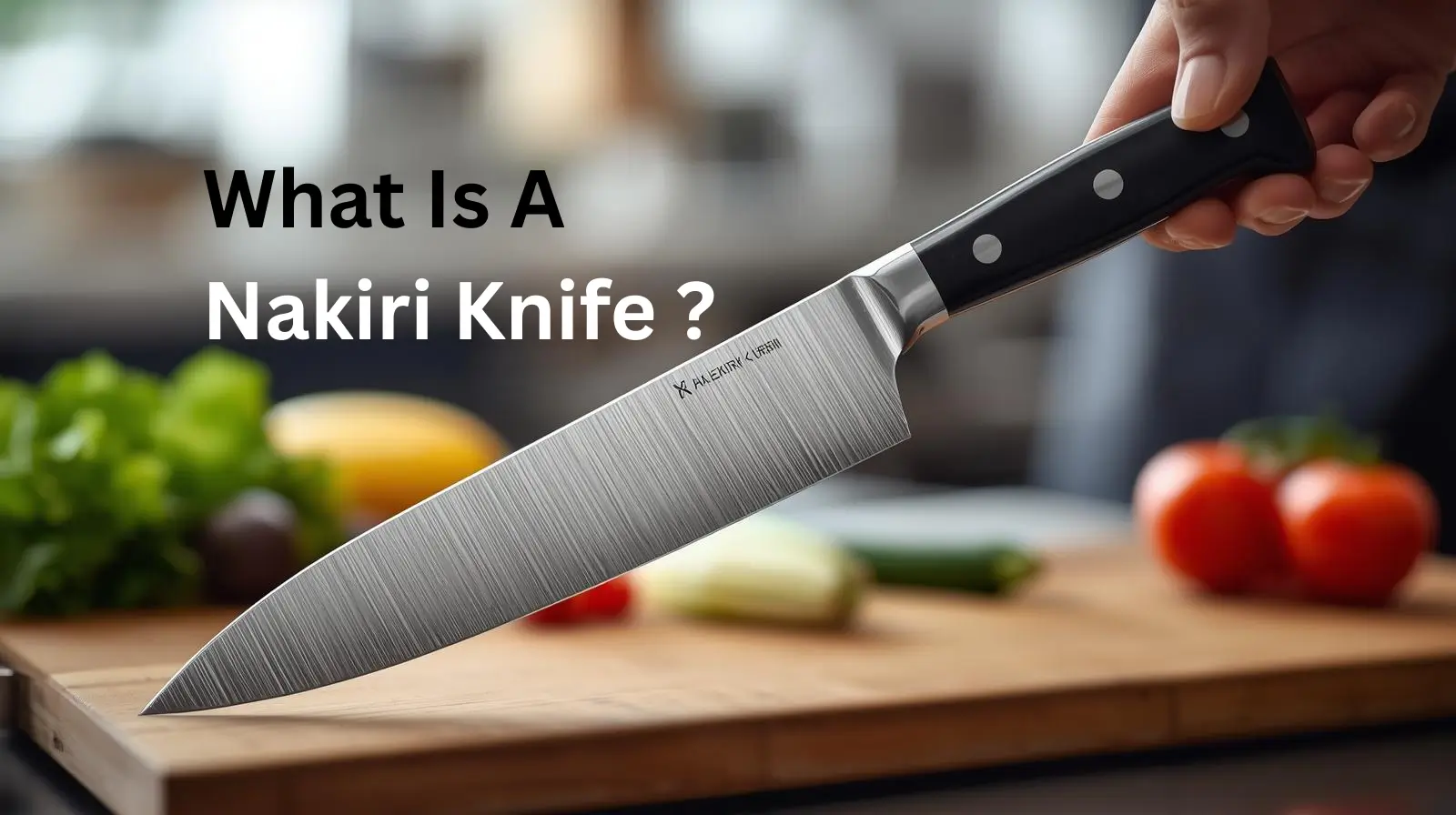
Nakiri knifes are straight-edged Japanese vegetable knifes built for fast, precise chopping.
I’ve used nakiri knives for years in both home and pro kitchens, so this guide pulls from real tests and practical experience. By the end, you’ll know which blade, steel, handle, and care approach actually fits how you cook — not just which one looks good in a photo.

Why choose a nakiri knife?
The nakiri is purpose built for vegetables. That flat, rectangular edge lets you chop with one clean downward motion no rocking, no pivoting, no wasted movement. What you get is uniformly thin slices, faster than you’d manage with a chef’s knife, and with less fatigue on long prep sessions.
If you cook a lot of vegetables, it’s a genuine upgrade. If you mostly cook meat, it’s a nice to have.
Source: hasuseizo.com
Nakiri knife anatomy
Knowing the parts helps you spot quality and avoid knives that look nice in photos but feel wrong in hand.
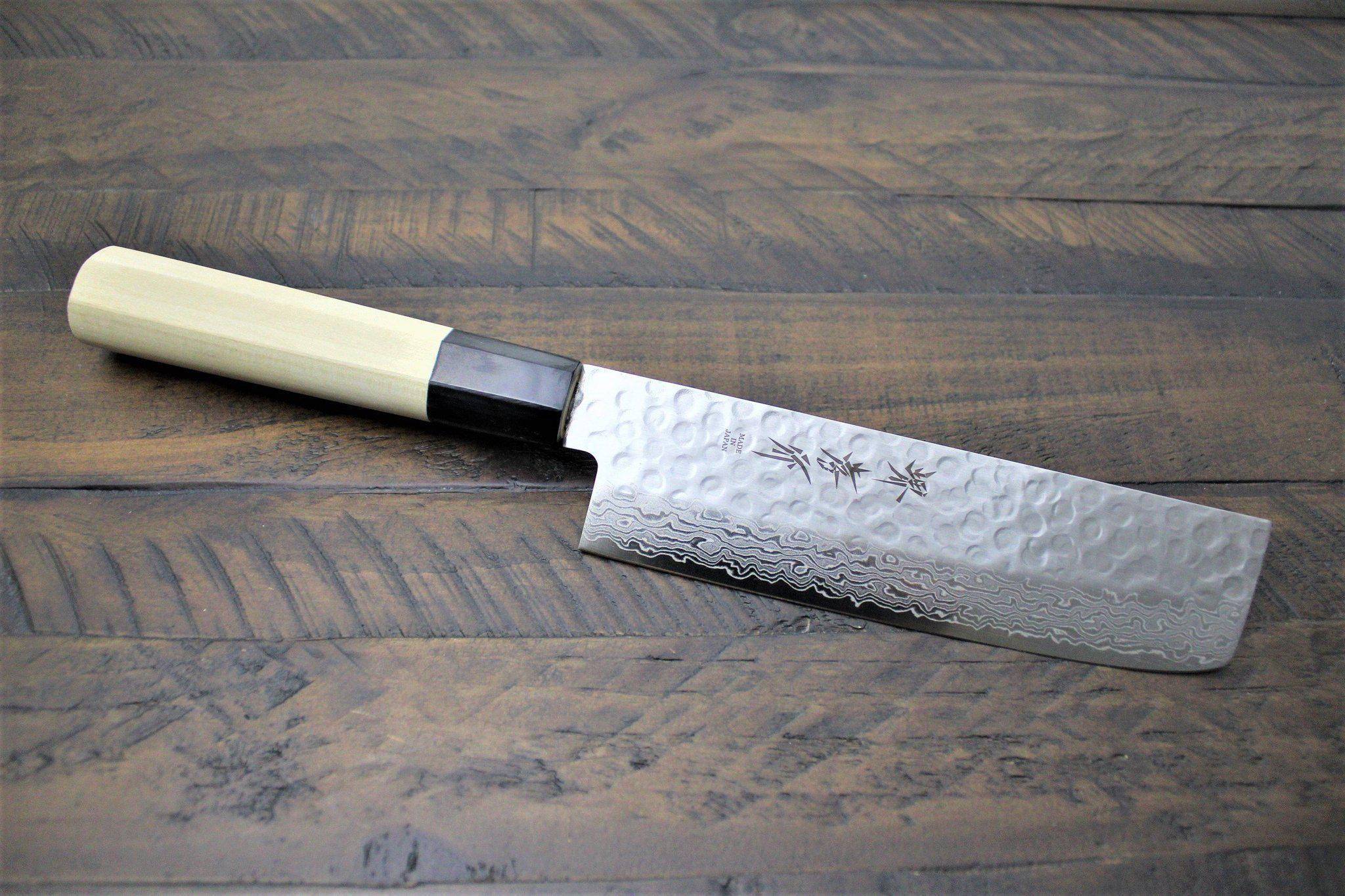
The blade profile is rectangular and flat from heel to tip, which gives you even board contact on every stroke. The edge angle is usually thin and straight, which is what makes vegetable cuts clean rather than torn. A good nakiri has a thin spine it reduces weight and helps balance. The blade has no point, and that’s intentional: the straight tip handles push cuts well, and the heel is where you put force for denser vegetables like carrots or beets.
On construction: some nakiri use a full tang for rigidity, others use a partial tang to keep weight down. Neither is inherently better. It depends on the handle design and how the maker balances the knife overall.

Source: youtube.com
Steel types and hardness
Steel choice changes sharpness, edge retention, and ease of sharpening.
- Carbon steel — Very sharp and easy to sharpen. It darkens and may rust. Good if you care for it.
- Stainless steel — Resists rust. Easier upkeep but some stainless steels hold an edge less well.
- High-carbon stainless — A hybrid that aims to give both corrosion resistance and good edge life.
- Powdered steels and modern alloys — Offer excellent edge retention but can be harder to sharpen at home.
Hardness is measured on the Rockwell scale (HRC). Typical nakiri HRC range:
- 56–60 HRC — Easier to sharpen, very durable for home cooks.
- 60–66 HRC — Holds an edge longer, but needs more skill and stones to sharpen.
For most home cooks, a mid-hardness stainless or high-carbon stainless is a solid pick. If you enjoy sharpening and want extreme sharpness, carbon or high-hardness steels work well.
This nakiri knife buying guide recommends matching steel to how much care you will give the blade.

Source: youtube.com
Blade grind and edge
How the blade is ground affects cutting feel and performance.
- Double-bevel flat grind — Common for nakiri. It gives a thin, sharp edge and reliable performance for veg.
- Single-bevel — Found on traditional Japanese nakiri. It can cut perfectly straight but has a learning curve and may favor right- or left-hand users.
- Hollow or compound grinds — Create less drag and help food fall away from the blade.
Edge angle matters too. Many nakiri have a 15–20 degree per side angle. A smaller angle gives sharper initial cut. A larger angle adds durability.
This nakiri knife buying guide suggests picking a grind and edge angle you can maintain. If you’re new, a symmetrical double-bevel is easiest.
Handle types and ergonomics
A knife must feel right in your hand. Handle choice changes control and comfort.
- Western-style handles — Often thicker and heavier. Good if you like a sturdy grip.
- Wa-style (Japanese) handles — Slimmer and lighter. They can improve precision and balance.
- Materials — Wood feels warm and traditional but may need care. Micarta, pakkawood, and composites resist moisture and last longer.
- Shape and balance — Try a knife in person. Balance point near the finger guard usually feels natural.
I prefer a nakiri with a wa-handle for long prep sessions. It reduces wrist fatigue and keeps the knife nimble. This personal tip comes from years of nightly meal prep.
Size, weight, and balance
Nakiri sizes vary. Choose what fits your cutting board and hands.
- Common lengths — 150 mm to 180 mm cover most needs. Larger blades give more surface but add weight.
- Weight — Lighter for speed, heavier for momentum. Think about how long you’ll chop.
- Balance point — A blade-heavy nakiri powers cuts. A handle-heavy knife feels agile. Aim for balance near the bolster for neutral feel.
This nakiri knife buying guide recommends trying sizes in store or ordering from sellers with good return policies. What looks right on paper can feel different in hand.
How to pick the right nakiri: checklist
Use this simple checklist while shopping. It helps you compare knives quickly.
- Blade material — Choose steel that matches your maintenance habits.
- Edge type — Pick double-bevel for ease or single-bevel for specialized work.
- Handle feel — Comfort over style. Test the grip.
- Length and weight — Match to your board and hand size.
- Sharpness out of the box — Some knives arrive hair-splitting sharp, others need a tune-up.
- Craftsmanship — Look for clean joins, no gaps, and even polish.
- Warranty and return policy — Prefer brands and sellers that stand behind their products.
This nakiri knife buying guide puts these points in order of priority: feel, steel, edge, then aesthetics. Comfort keeps you cooking.
Care, sharpening, and maintenance
A nakiri needs simple care to live long.
- Washing — Hand wash and dry immediately. Avoid dishwashers.
- Storage — Use a magnetic strip or wooden sheath to protect the edge.
- Sharpening — Use whetstones for best control. Start with a coarse stone if the edge is dull, then finish with a fine stone.
- Honing — A light stropping or honing helps between sharpenings.
- Rust prevention — For carbon steel, oil lightly and dry well after use.
I sharpen my nakiri every few months with a 1000/6000 grit stone. Honing with a leather strop keeps the blade usable between sessions. This routine keeps edges sharp and safe.
Price ranges and recommended picks
Price does not always equal quality. Here’s how to budget and choose.
- Budget (under $75) — Good entry-level nakiri. Stainless alloys, decent finish. Great if new to Japanese knives.
- Mid-range ($75–$200) — Better steel, nicer handles, and sharper edges out of the box. Best value for most cooks.
- Premium ($200+) — Hand-forged, specialty steels, and artisan handles. Longer edge life and finer fit and finish.
For busy home cooks, this nakiri knife buying guide suggests mid-range options for the best mix of performance and durability. Consider premium only if you want top sharpness and a collectible feel.
Where to buy and what to watch for
Buying from the right place reduces risk and improves satisfaction.
- Specialty kitchen stores — Staff can show you knives and help you test balance and feel.
- Reputable online retailers — Look for clear return policies and customer reviews.
- Direct from makers — You may get handmade options and customization.
- Avoid — Grey-market sellers with unclear guarantees or suspiciously low prices.
When you buy, check the return policy. Inspect the knife on arrival for chips, uneven grinds, or loose handles. Ask for a sharpening or care guide if one is not included.
This nakiri knife buying guide stresses return windows and seller reputation. They matter more than flashy packaging.
Frequently Asked Questions of nakiri knife buying guide
What is a nakiri knife best used for?
A nakiri knife is best for chopping, slicing, and dicing vegetables. Its flat edge keeps contact with the board for even cuts.
How is a nakiri different from a chef’s knife?
A nakiri has a straight, rectangular blade with a flat edge, while a chef’s knife has a curved edge for rocking motions. Nakiri excels at push cuts and straight slices.
Do I need a sharp nakiri out of the box?
A sharp edge helps with clean vegetable cuts. Some nakiri come ready to use; others may need light honing or sharpening for best performance.
How do I sharpen a nakiri knife?
Use whetstones for best results. Start with a coarse grit for dull edges and finish with fine grits, keeping a consistent angle across the edge.
Can a left-handed cook use a nakiri?
Yes. Double-bevel nakiri are neutral and work for both left- and right-handed cooks. Single-bevel nakiri may be sided for one hand, so check before buying.
Is a nakiri good for meat or bones?
Nakiri are designed for vegetables and soft foods. They are not meant for cutting bones or very hard items. Use a cleaver or chef’s knife for heavy work.
Conclusion
A good nakiri changes how you prep vegetables. This nakiri knife buying guide breaks down steel, grind, handle, size, and care so you can buy with confidence. Test handles, match steel to your care routine, and prioritize comfort over looks.
Take action: try a mid-range nakiri that fits your hand, commit to simple care, and you’ll see faster, cleaner prep. If you found this helpful, leave a comment or subscribe for more knife guides and tips.
Maliha Khatun has spent 5 years hands-on testing Japanese knives for everyday home cooks. She has evaluated over 60 blades across nakiri, santoku, gyuto, and petty categories — scoring each on edge retention, steel quality, handle comfort, and value for money. She writes to help home cooks buy the right knife without the guesswork.
Expertise:Japanese Knives • Vegetable Knives • Product Reviews • Kitchen Efficiency • Knife Care
Leave a Reply