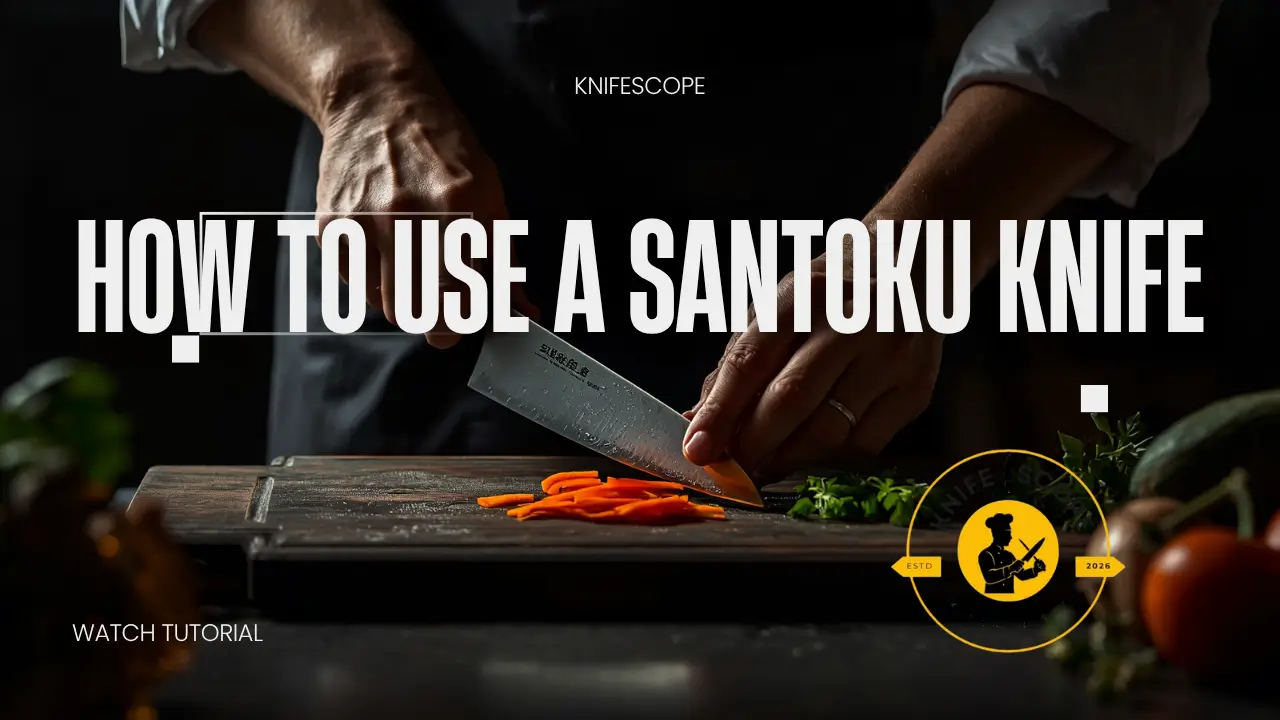
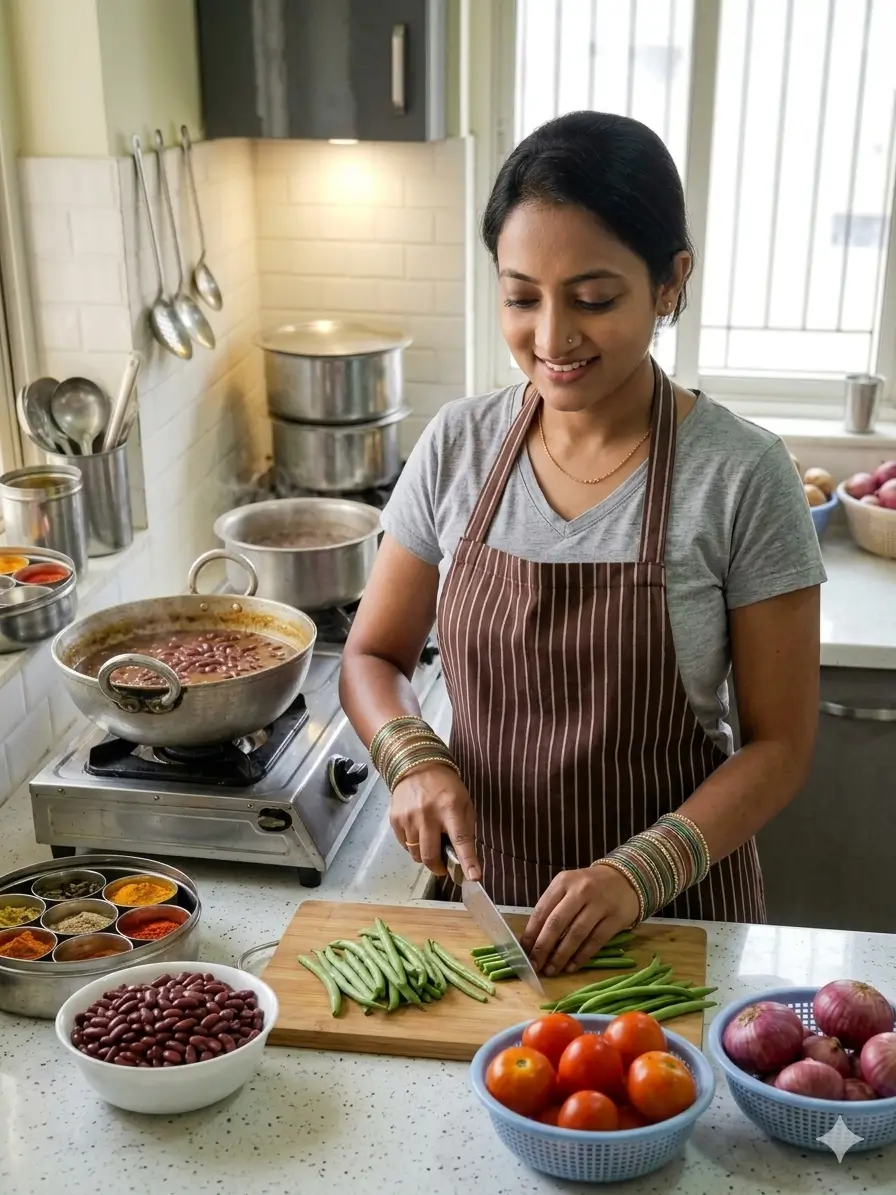
Hold a relaxed pinch grip, then use short push-cuts and straight, rhythmic chops.
If you’ve ever wondered how to use a santoku knife with ease, you’re in the right place. I’ve taught home cooks and pro teams how to master this blade, and I’ll show you what actually works. This guide explains how to use a santoku knife step by step, with simple moves, safe habits, and pro tips. Read on to build skill you can trust and speed you can control.

What Is a Santoku Knife?
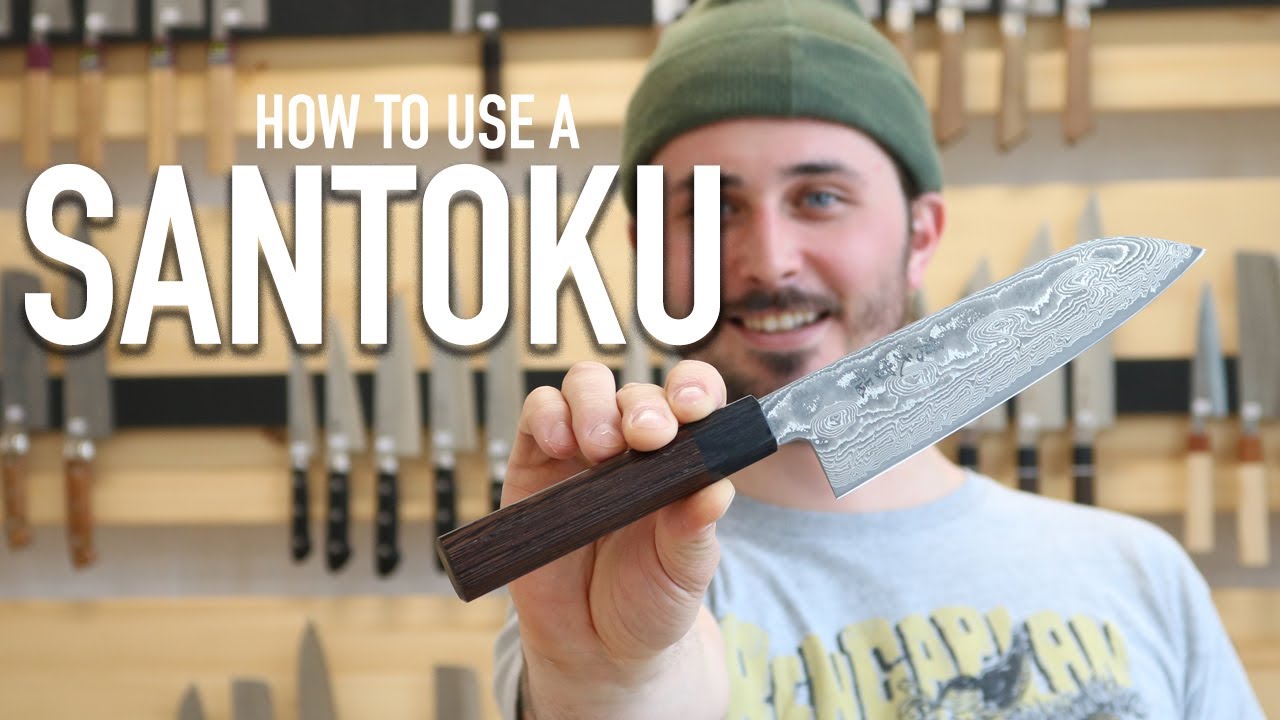
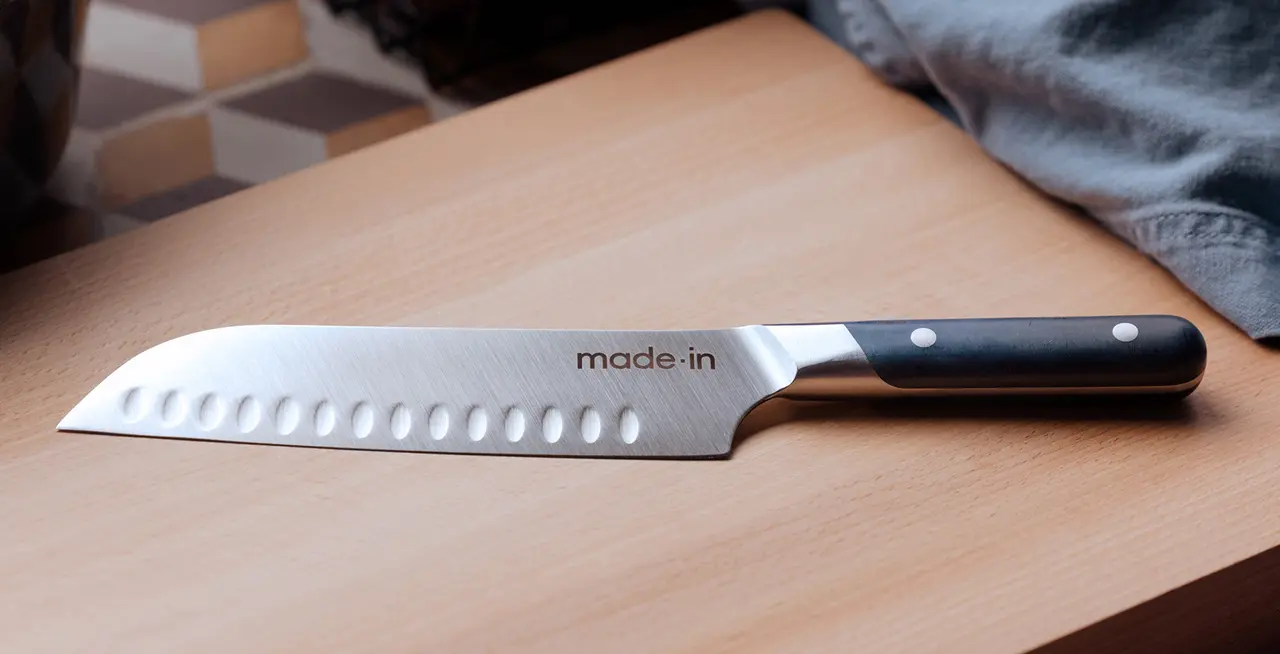
A santoku knife is a Japanese all-purpose knife. It has a flat edge, a sheepsfoot tip, and a tall blade. It shines at chopping, slicing, and dicing. Many models have a granton (dimples) to reduce sticking.
The word santoku means three virtues. Think of meat, fish, and vegetables. Or slice, dice, and mince. If you want to learn how to use a santoku knife well, start by seeing it as your daily driver.
Its flat edge likes a straight up-and-down motion. It is not built for deep rocking like some chef’s knives. That is why control feels so easy once you get the hang of it.

Source: youtube.com
Santoku vs. Chef’s Knife: When and Why
A chef’s knife rocks. A santoku glides and chops. Both are great. Your choice depends on your motion and your board work.
Use a chef’s knife if you love big rocking cuts. Use a santoku if you like clean push-cuts and thin slices. When you know how to use a santoku knife, you can prep faster with less strain on your wrist.
Santokus are often shorter and lighter. That makes them agile in small kitchens. It also helps with fine work, like paper-thin cucumbers or mint.

Source: fnsharp.com
Parts of a Santoku and What They Do
Knowing the parts helps you aim the blade with care.
- Tip (sheepsfoot): Safe for close cuts. Good for scoring and detail work.
- Edge: Mostly flat. Built for push-cuts, pull-cuts, and tap-chops.
- Belly: Slight curve near the tip. Allows light rocking if needed.
- Spine: Thick and strong. Use it to move food, not the sharp edge.
- Heel: Power spot for dense items like carrots and squash.
- Granton dimples: Help reduce sticking on wet foods.
- Balance point: Often near the pinch grip. It guides smooth control.
To learn how to use a santoku knife with confidence, feel each part’s role. Let the shape guide your motion.

Source: cutleryandmore.com
Set Up: Grip, Stance, and Cutting Board
Before you learn how to use a santoku knife at speed, build a solid base.
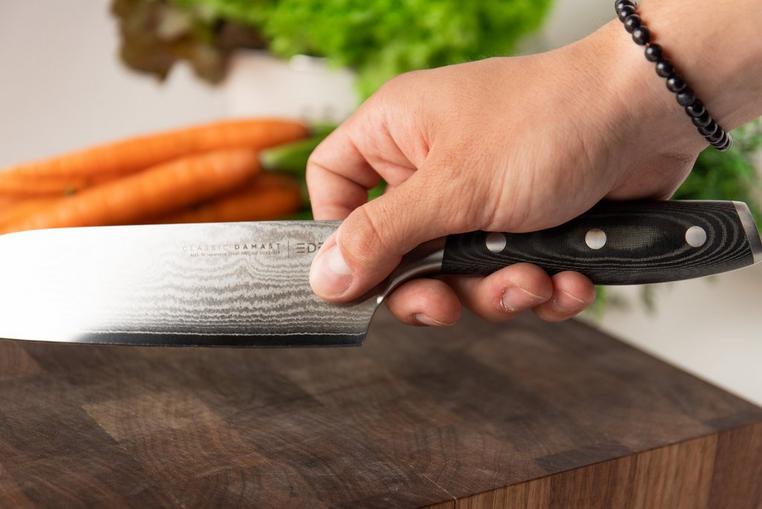
- Pinch grip: Pinch the blade just ahead of the handle with your thumb and index finger. Wrap the other fingers around the handle.
- Guide hand: Use the claw. Curl your fingertips inward. Your knuckles guide the blade.
- Stance: Stand square to the board. Feet shoulder-width apart. Keep shoulders loose.
- Board: Use a stable wooden or plastic board. Put a damp towel under it to stop slipping.
- Space: Keep a clean landing zone. Move finished cuts to a tray or bowl.
I teach this setup first in every class. It makes cuts safer, cleaner, and faster.
Source: knivesandtools.com
Core Techniques: How to Use a Santoku Knife
This is where how to use a santoku knife turns into muscle memory.
Push-cut
- Lift the tip slightly. Push forward and down in one smooth line.
- Let the edge do the work. No sawing.
Pull-cut
- Start with the tip on the board. Pull back through the food.
- Great for soft items like tomatoes and raw fish.
Tap-chop
- Keep the tip down. Lift the heel and tap it through the food.
- Ideal for herbs and small dice.
Straight chop
- Raise the whole blade. Come straight down with a gentle, vertical path.
- Good for quick vegetable prep.
Light rock (limited)
- Use only the slight belly near the tip.
- Helpful when mincing garlic or herbs, but keep the motion small.
Food-specific tips
- Onions: Trim, halve, and peel. Make shallow horizontal and vertical cuts with tiny push-cuts. Finish with straight chops.
- Garlic: Smash with the flat side, then mince with tap-chops. Add salt to reduce slipping.
- Herbs: Dry them well. Gather in a tight bundle. Use tap-chops with a soft touch to avoid bruising.
- Proteins: Chill first for clean slices. Use gentle pull-cuts with minimal pressure.
When I first learned how to use a santoku knife, I tried to rock it like a chef’s knife. My cuts crushed. My fix was simple: smaller forward pushes and true straight chops. My slices got thin and even overnight.
Source: youtube.com
Speed, Accuracy, and Everyday Practice
Speed comes from rhythm, not force. Practice in short sets so you build flow and stay calm.
Simple drills
- Carrot matchsticks: Aim for even batons, then julienne. Count strokes, not time.
- Onion dice: Practice shallow, safe cuts. Keep them uniform.
- Cucumber coins: Slice paper-thin with push-cuts. Look for see-through slices.
Every week, I track one skill. One week is onions. The next is herbs. This focus is the fastest way I know to master how to use a santoku knife without stress.

Source: cutleryandmore.com
Safety Essentials to Avoid Cuts
Safety is a skill you build on purpose. Small habits matter.
- Dry hands and dry handle. Wipe both often.
- Claw grip always. Your knuckles are your fence.
- Secure board. Use a damp towel under the board.
- Park the blade safely. Lay it flat, edge away, when you pause.
- Never scrape with the edge. Use the spine to move food.
Knife safety groups and culinary programs agree on these basics. Use them every time you practice how to use a santoku knife.
Source: madeincookware.com
Care, Sharpening, and Maintenance
A sharp blade is a safe blade. Dull knives slip and force bad moves.
Daily care
- Hand-wash with mild soap. Dry right away.
- Store in a sheath, block, or on a magnetic strip.
Honing and angles
- Hone lightly before sessions. Aim for about 12–15 degrees per side.
- Use gentle strokes. Stop once the edge feels keen.
Sharpening basics
- Whetstones around 1000 grit for shaping. 3000–6000 grit for refining.
- Keep a steady angle. Light, even pressure. Raise a tiny burr and remove it.
- If you are new, go slow. A few clean passes beat many hard ones.
Some steels are harder and hold an edge longer. Stainless resists rust. Carbon takes a fine edge but needs fast drying. Know your steel and it will guide how to use a santoku knife day to day.

Source: co.uk
Choosing the Right Santoku for You
Fit matters more than hype. Your hand should feel at ease.
- Length: 6.5 to 7 inches (165–180 mm) suits most cooks.
- Weight and balance: Blade should not tip or fight your wrist.
- Handle: Choose a shape that fills your palm without hot spots.
- Steel: Stainless for low care. Carbon for ultra-fine edges, with more upkeep.
- Budget: A solid midrange knife can last for years with care.
Hold a few in person if you can. The right feel makes learning how to use a santoku knife much easier.
Common Mistakes and How to Fix Them
These are the traps I see most often, and the fixes I teach.
- Rocking too much: Switch to push-cuts and straight chops.
- Forcing the cut: Let the edge slice. Reduce pressure. Sharpen if needed.
- Scraping with the edge: Flip and use the spine to move food.
- Wet board or hands: Wipe often. Keep a side towel by your station.
- Dull knife: Hone briefly each session. Sharpen on a schedule.
If you catch yourself fighting the blade, pause. Reset your stance and grip. Then return to clean, small moves. That is the core of how to use a santoku knife well.
Recipes and Prep Ideas to Apply Your Skills
Turn practice into dinner. Quick wins boost skill and joy.
- Stir-fry kit: Slice bell peppers, onions, and chicken into even strips. Your push-cuts shine here.
- Herb-forward salad: Shave fennel, cucumbers, and radishes thin. Tap-chop herbs at the end.
- Fruit plate: Pull-cut ripe tomatoes, peaches, or mango. Chill fruit for neater slices.
- Batch veg prep: Dice onions, carrots, and celery for the week. Store by meal size.
Each task builds control and speed. Use these to lock in how to use a santoku knife in daily life.
Frequently Asked Questions of how to use a santoku knife
What is the best grip for a santoku?
Use a pinch grip. Pinch the blade just ahead of the handle and wrap your fingers around the handle for control.
Can I rock a santoku like a chef’s knife?
Only a little. The blade is flatter, so use push-cuts, pull-cuts, and straight chops for best results.
What angle should I use when sharpening?
Aim for about 12–15 degrees per side. Keep a steady angle and light, even pressure.
How do I stop food from sticking to the blade?
Use a slight forward motion and wipe the blade often. Granton dimples help, and a dry surface reduces sticking.
Is a santoku good for meat and fish?
Yes, with the right technique. Use gentle pull-cuts on chilled proteins for clean, even slices.
What cutting board works best with a santoku?
Use wood or quality plastic. Avoid glass or stone, which dull edges fast and can be unsafe.
How often should I hone or sharpen?
Hone lightly before most sessions. Sharpen on stones when honing no longer brings back a keen edge.
Conclusion
You now know how to use a santoku knife with calm, steady moves. Build your base with a safe grip, stable stance, and a sharp edge. Use push-cuts, pull-cuts, and straight chops to get clean, even results.
Pick one skill to practice this week and track your progress. Small reps build big skill. If this guide helped, share it with a friend, subscribe for more kitchen how-tos, or leave a comment with your next question.
Maliha Khatun has spent 5 years hands-on testing Japanese knives for everyday home cooks. She has evaluated over 60 blades across nakiri, santoku, gyuto, and petty categories — scoring each on edge retention, steel quality, handle comfort, and value for money. She writes to help home cooks buy the right knife without the guesswork.
Expertise:Japanese Knives • Vegetable Knives • Product Reviews • Kitchen Efficiency • Knife Care
Leave a Reply