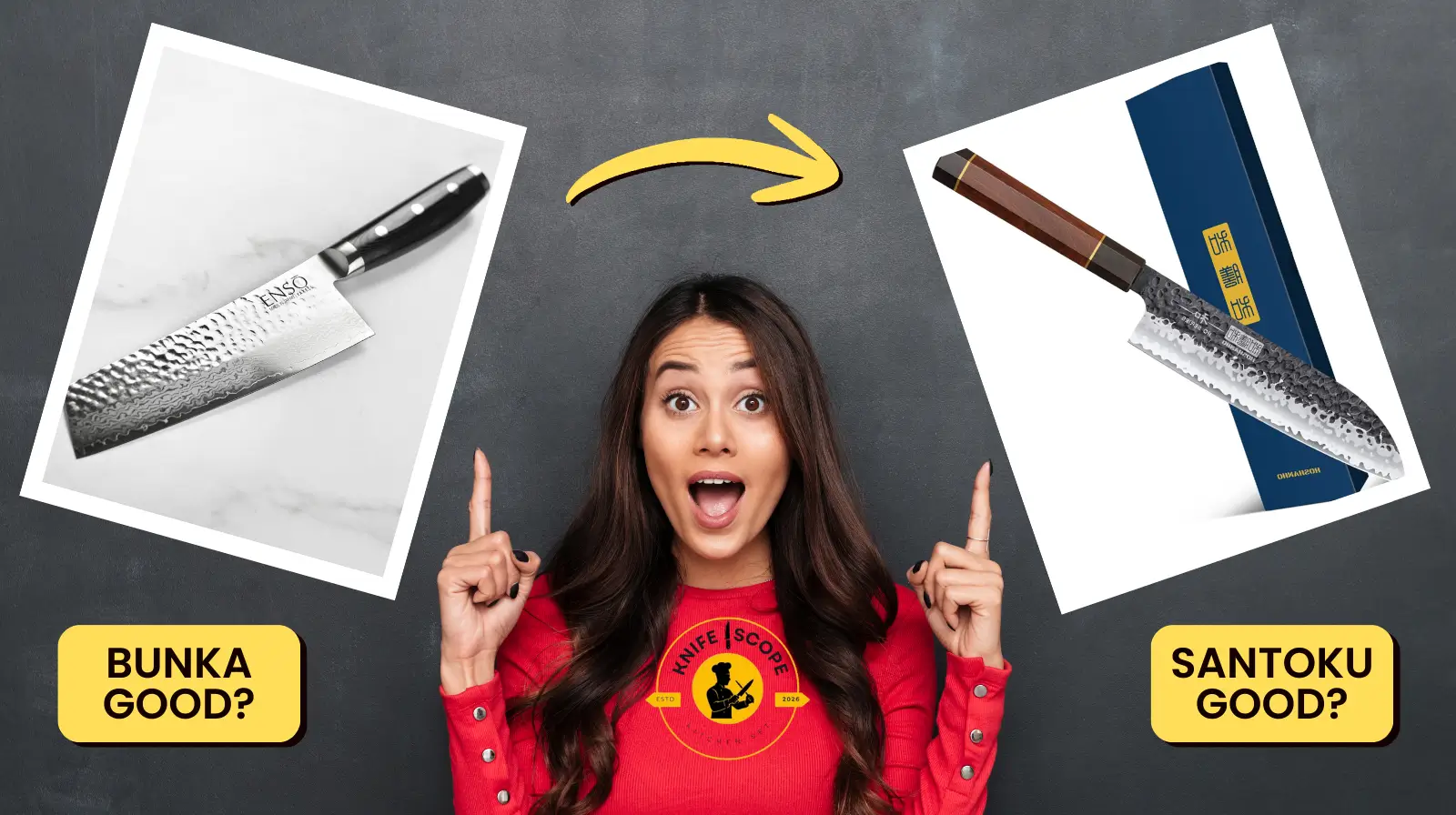
Both excel in the kitchen; bunka adds slicing finesse while santoku is the all-rounder.
I stood at my counter with pumpkins and a pile of herbs and wondered which blade to reach for my bunka or my santoku. Both knives solve the same daily problem: fast, clean prep. The bunka vs santoku knife debate boils down to shape and style. I tested both across veggies, boneless meat, and soft fruits. I’ll share hands-on notes, clear pros and cons, and who should pick which blade. Read on and you’ll know which fits your work and your kitchen.

Is bunka Good?
I’ll answer simply: yes, the bunka is a great tool. For me, the bunka shines when I need thin, precise slices and angled cuts. It sits between a gyuto and a nakiri. The profile gives a sharp tip and a slightly taller belly. That makes it handy for both push-cutting and delicate work. If you like clean vegetable work or want a single, versatile blade, the bunka is strong choice in the bunka vs santoku knife discussion.
I used my bunka most on herbs, peppers, and thin apple slices. Once, I filleted a trout using the tip for fine maneuvering—smooth and steady. Another night I used the bunka to dice onions without drag; the thin grind kept the edges sharp and clean. In short, my hands felt more in control with the bunka when I needed accuracy. If your cooking often needs knife agility, the bunka will repay your choice.
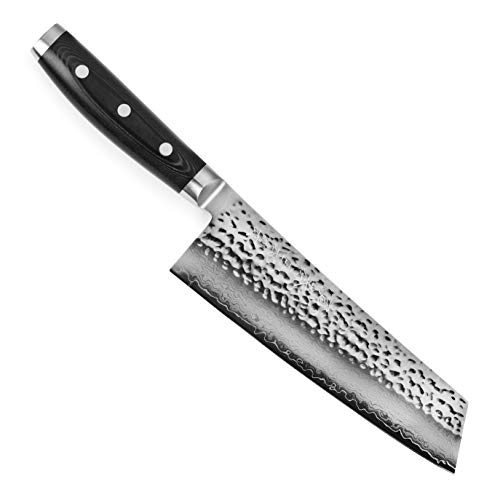
What Makes It Stand Out / Key Features
- Distinct angled tip that aids fine cutting and piercing.
- Taller blade profile for knuckle clearance and vegetable work.
- Thin, sharp edge for clean slicing and minimal tearing.
- VG10 core (on the Enso model) for edge retention and ease of sharpening.
- Light balance that favors control during detail tasks.
What I Like
- Exceptional control for thin slices and angled cuts.
- Makes quick work of vegetables with less drag.
- Tip allows delicate tasks like trimming and deveining.
- Feels nimble in hand for long prep sessions.
- Edge stays sharp enough for daily use with simple honing.
What Could Be Better
- Less suited for heavy bones or hard squash than thicker blades.
- Smaller belly means slightly less efficient rocking motion.
- Some users may prefer a more familiar Western handle balance.
My Recommendation
If you value precise slicing and mixed veggie-meat work, go for the bunka. Good value and widely available.
| Best For | Why |
|---|---|
| Vegetable prep | Tall blade and thin edge give clean slices. |
| Precision tasks | Pointed tip helps with delicate trimming. |
| Home cooks wanting finesse | Versatile profile for many prep styles. |
Is santoku Good?
Short answer: yes, santoku is a solid, do-it-all blade. The santoku means “three virtues”—slicing, dicing, and chopping. It feels balanced under the hand and cuts with a flatter profile than the bunka. In many kitchens, the santoku replaces a chef’s knife because it’s compact and efficient. For people who want fast, repeatable cuts and a forgiving rocking/push style, the santoku performs well in the bunka vs santoku knife comparison.
I reached for my santoku for weeknight dinners and for mince-heavy tasks. Once I prepped a large batch of chicken and vegetables for stir-fry. The santoku handled both keys well with minimal effort. Another time I used it to thinly slice cucumber for salads; the hollows on the blade helped reduce sticking. Overall, the santoku saved time and felt comfortable during long chopping sessions. If you want speed and comfort, the santoku is a safe pick.
HOSHANHO Chef’s Santoku Knife 7 Inch, Professional Japanese High Carbon Steel Chef Knife, Ultra Sharp Kitchen Knife with Octagonal Rosewood Handle

What Makes It Stand Out / Key Features
- Flat, wide blade for fast chopping and scooping.
- Granton or hollow edge often reduces food sticking.
- Shorter, compact length for control and storage.
- Comfortable weight and balance for repeated motions.
- Suitable for meat, fish, and vegetables alike.
What I Like
- Speedy for weeknight prep and bulk chopping.
- Hollows reduce food cling and speed slicing.
- Comfortable for extended use without wrist fatigue.
- Easy to train novices with because of predictable cuts.
- Versatile in both Western and Asian style cooking.
What Could Be Better
- Lacks the pointed tip finesse for intricate tasks.
- May feel too short for cooks used to long chef knives.
- Edge angle varies by model; some need frequent honing.
My Recommendation
Pick a santoku if you want a compact, fast blade for broad daily use. Great value and widely available.
| Best For | Why |
|---|---|
| Everyday chopping | Flat profile and wide blade speed work. |
| Small kitchens | Shorter length stores easily. |
| Home cooks who value speed | Comfortable balance for long prep sessions. |
bunka vs santoku knife: Side-by-Side Test
I compared the bunka vs santoku knife across real tasks. I timed slices. I noted control. I tested sticking, peel, and chop speed. Below are clear, hands-on categories to help you choose.
Cooking Functions: Which One Does More?
Both knives handle many tasks. Here is what each does best.
| Function | Bunka | Santoku |
|---|---|---|
| Thin slicing | Excellent | Very good |
| Chopping hard vegetables | Good | Excellent |
| Precision work | Excellent | Good |
| Scooping food | Fair | Excellent |
Rating: Bunka – 8/10 | Santoku – 9/10
“Santoku takes the lead for broad cooking tasks; bunka wins for precision cuts.”
Blade Shape & Control: Which Is Easier to Handle?
Short intro: Shape changes control. The bunka tip helps detail. The santoku feels stable.
| Aspect | Bunka | Santoku |
|---|---|---|
| Tip control | High | Medium |
| Rocking motion | Less | More |
| Grip feel | Very nimble | Stable |
| Edge precision | High | Good |
Rating: Bunka – 9/10 | Santoku – 8/10
“Bunka offers finer control; santoku gives steady, fast strokes.”
Stick & Release: Which Keeps Food from Sticking?
Short intro: Sticking slows you down. Hollow grinds help.
| Condition | Bunka | Santoku |
|---|---|---|
| Slicing cucumber | Good | Very good |
| Slicing potato | Fair | Good |
| Slicing soft cheese | Good | Very good |
| Overall release | 7/10 | 9/10 |
Rating: Bunka – 7/10 | Santoku – 9/10
“Santoku edges out bunka on anti-stick thanks to its fuller blade and hollows.”
Ease of Sharpening & Maintenance
Short intro: Both need care. Steel and grind matter.
| Task | Bunka | Santoku |
|---|---|---|
| Honing frequency | Regular | Regular |
| Sharpening ease | Easy with stones | Easy with stones |
| Edge retention | High (VG10) | Good |
| Rust care | Wipe dry | Wipe dry |
Rating: Bunka – 8/10 | Santoku – 8/10
“Both are easy to sharpen; bunka holds a finer edge slightly longer on VG10 models.”
Value for Money
Short intro: Cost matters. Quality and utility weigh in.
| Consideration | Bunka | Santoku |
|---|---|---|
| Initial price range | Moderate | Moderate |
| Use per dollar | High for specialty cuts | Very high for daily use |
| Long-term value | Good | Excellent |
| Replacement frequency | Low with care | Low with care |
Rating: Bunka – 8/10 | Santoku – 9/10
“Santoku wins slightly on value due to sheer daily utility; bunka is worth it if you want finesse.”
Final Verdict: Which Should You Buy?
Both knives are strong choices in the bunka vs santoku knife debate. Choose bunka if your work needs precision, angled tips, and fine slicing. Choose santoku if you want a fast, friendly all-rounder that speeds through weeknight prep.
If you cook varied meals and slicing detail matters, buy the bunka. If you value speed, anti-stick action, and comfort for big prep sessions, pick the santoku.
FAQs Of bunka vs santoku knife
What is the main difference between bunka vs santoku knife?
The main difference is blade shape. The bunka has a pointed tip and taller profile. The santoku is flatter, shorter, and often has dimples. This affects control and the cutting motion.
Which is better for vegetables: bunka or santoku?
Both work well. Bunka excels at thin, precise slices. Santoku excels at quick chopping and scooping. For fine veg work pick bunka; for speed pick santoku.
Can a santoku replace a chef’s knife?
Yes. Many home cooks use a santoku as their main knife. It handles most daily tasks. If you need long blade reach, a chef’s knife may suit better.
Is the bunka harder to sharpen than a santoku?
No. Both sharpen easily with stones. Edge angle and steel matter more than style. Some bunka models use VG10, which holds an edge very well.
Which is better for a beginner cook in bunka vs santoku knife choice?
For beginners, I recommend santoku. It’s forgiving, fast, and easy to use. Bunka rewards skill and offers finer control once you learn its feel.
Maliha Khatun has spent 5 years hands-on testing Japanese knives for everyday home cooks. She has evaluated over 60 blades across nakiri, santoku, gyuto, and petty categories — scoring each on edge retention, steel quality, handle comfort, and value for money. She writes to help home cooks buy the right knife without the guesswork.
Expertise:Japanese Knives • Vegetable Knives • Product Reviews • Kitchen Efficiency • Knife Care
Leave a Reply