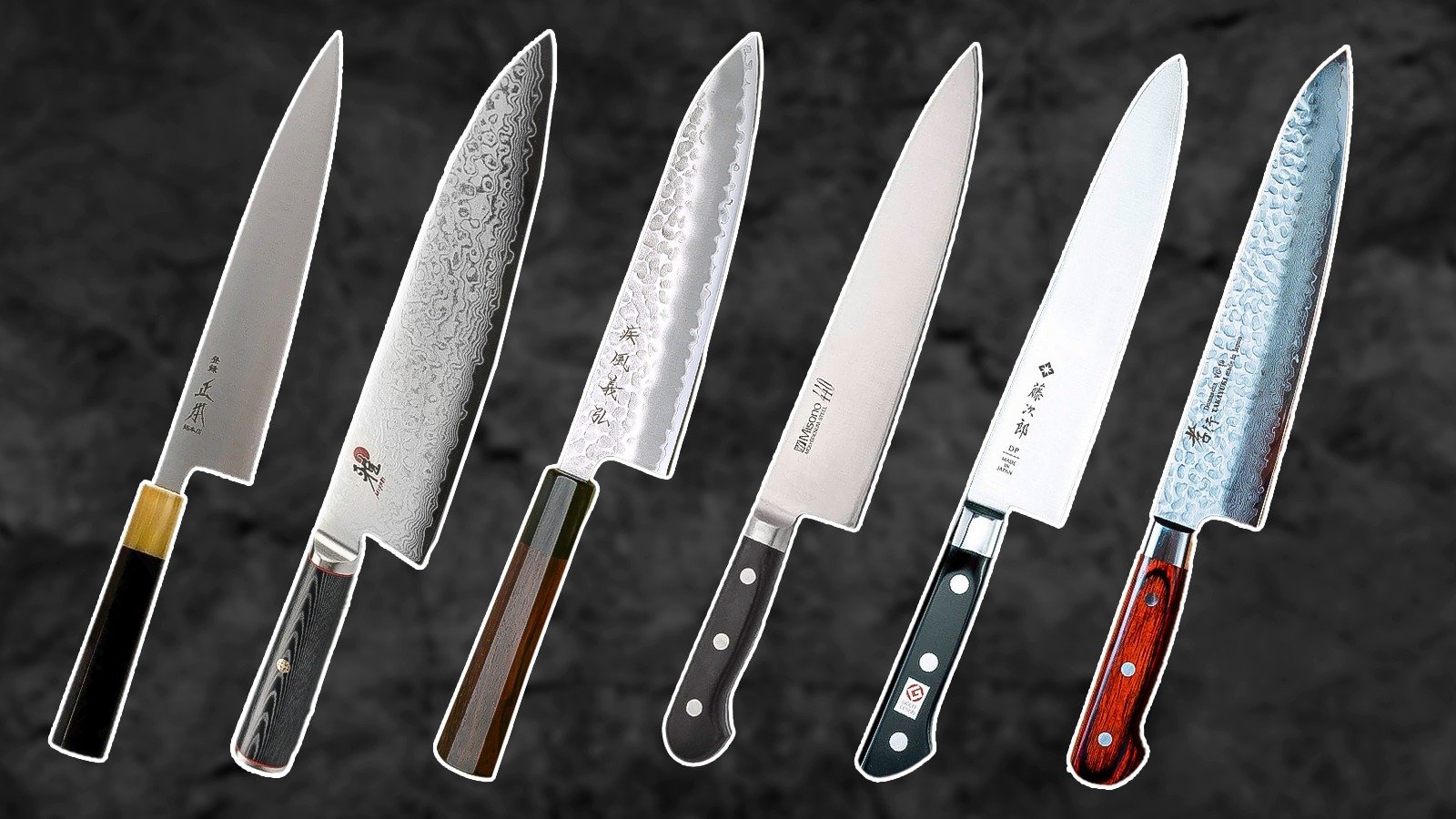
The best Japanese knife brand depends on your needs; Shun, Masamoto, and Takamura stand out.
If you came here asking what is the best japanese knife brand, you’re in good hands. I’ve cooked in busy kitchens, sharpened more blades than I can count, and tested from budget to boutique. In this guide, we’ll break down what is the best japanese knife brand for your skills, budget, and style, with real-world tips you can trust. You’ll walk away ready to choose with confidence.

What makes a Japanese knife brand the best
Let’s define best before we pick winners. A great Japanese knife blends steel, heat treatment, and grind with careful handwork. It should feel balanced, cut clean, and sharpen easily.
Key things I look for:
- Steel choice and heat treatment. Hardness near 60–64 HRC can hold a razor edge.
- Geometry and grind. Thin behind the edge cuts better with less effort.
- Fit and finish. Smooth spine and choil, clean handles, even bevels.
- Quality control and consistency. Fewer lemons, more long-term trust.
- Warranty, service, and parts. You want help if something goes wrong.
- Sharpening experience. It should take an edge fast and hold it well.
When people ask what is the best japanese knife brand, I point them to makers who nail all six areas. You cannot fake good heat treatment or a clean grind.

Quick answers by use case
If you want a fast pick, start here. These are knives I would put in real kitchens today.
- Pro kitchen, stainless workhorse: Takamura (R2/SG2 gyuto), Mac Professional gyuto, Misono UX10.
- Serious home cook: Shun Classic gyuto, Miyabi SG2 lines, Mac Professional santoku.
- Best value starter: Tojiro DP gyuto, Fujiwara FKM gyuto.
- First Japanese knife for beginners: Tojiro DP 210 mm gyuto or Mac Chef 8-inch.
- Carbon steel fans: Masamoto HC, Misono Swedish Carbon.
- Lightweight laser feel: Takamura R2, Sakai Takayuki Ginsan.
- Easy maintenance and food-safe texture: Global G-2 if you like stainless handles.
Every choice here reflects what is the best japanese knife brand for a type of cook, not just a name. Match the knife to your habits and you will love the result.
Deep dive on top brands
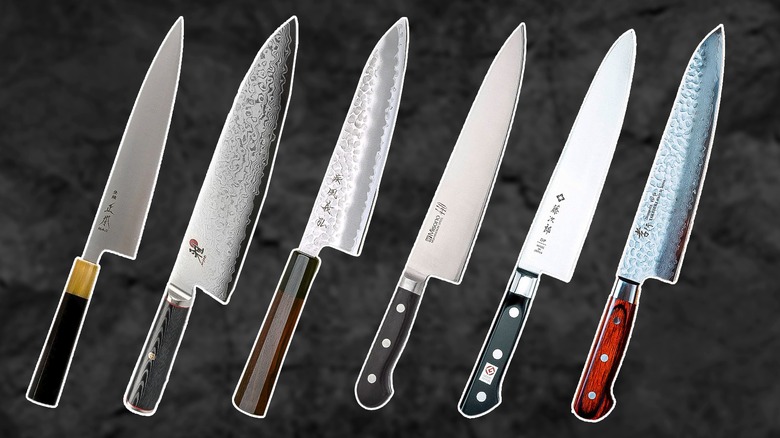
Below are brands I trust, with what they do well and where they fit. I’ve cooked and sharpened across many of these lines, and each has a role.
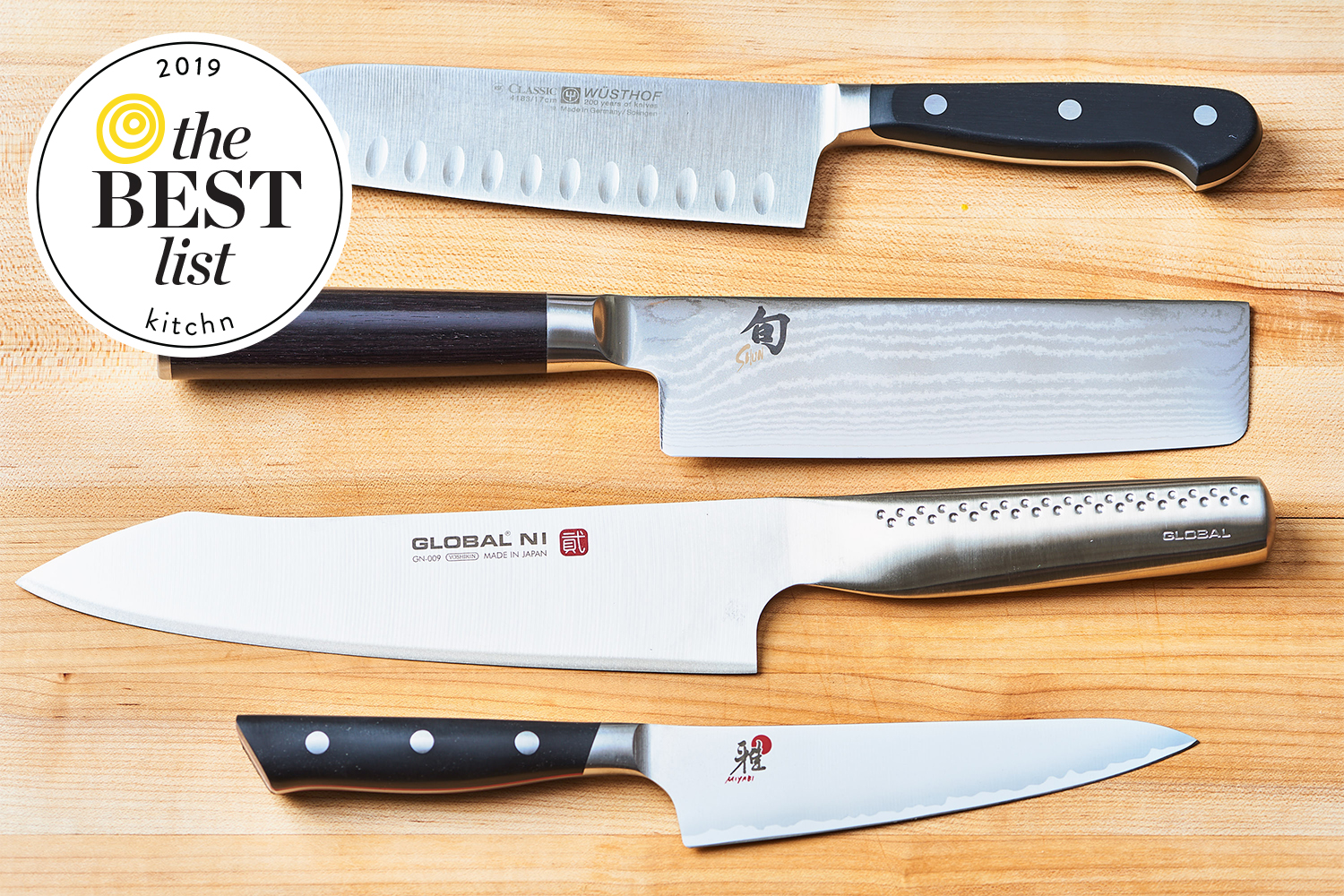
Shun (KAI)
- Known for wide availability, strong QC, and VG-10 or SG2 steel.
- Great for home cooks who want sharp, stainless, and pretty.
- Profiles are friendly. Warranty and service are strong.
Global (Yoshikin)
- One-piece stainless handles with Cromova 18 steel.
- Thin, light, and easy to maintain. Good for wet prep stations.
- Polarizing handle feel. Try before you buy.
Mac
- Mac Professional gyuto is a classic. Tough, stainless, easy to sharpen.
- Grippy handles, thin grind, great food release for the price.
- A go-to for line cooks and instructors alike.
Tojiro
- Best-in-class value. Tojiro DP with VG-10 core is hard to beat.
- Some fit and finish can be rough, but performance shines.
- A smart first step into Japanese knives.
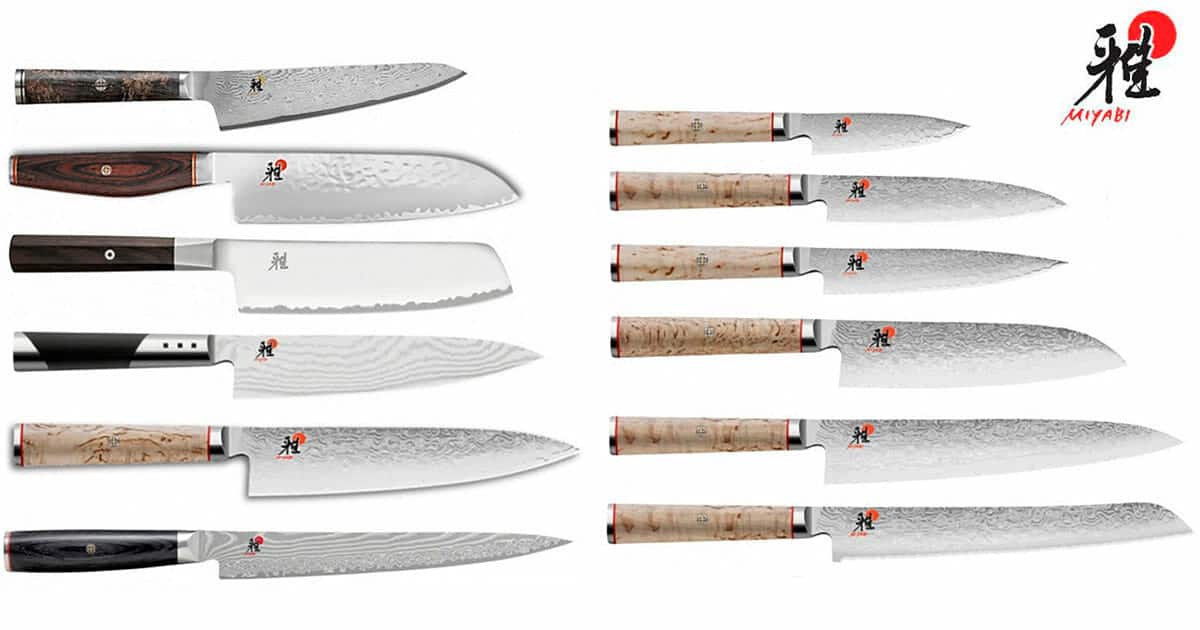
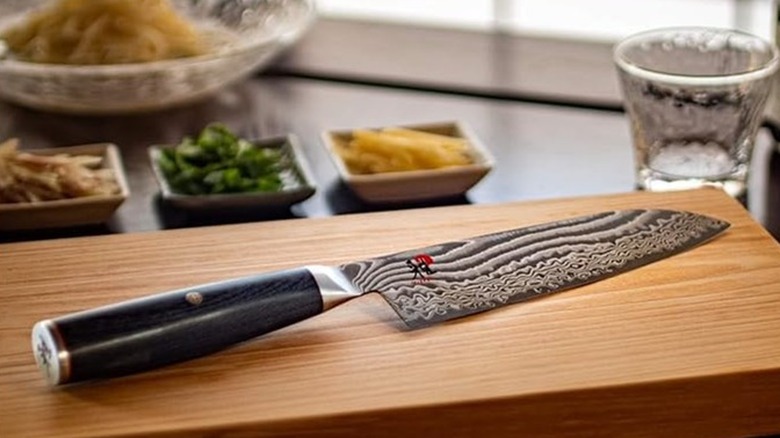
Miyabi
- Fine fit and finish with SG2 powder steel options.
- Great out-of-box sharpness. Comfortable handles for Western users.
- Price reflects polish and polish costs money.
Masamoto
- A legend in pro circles. HC and VG lines are excellent.
- Profiles feel natural for push cuts and slices.
- Harder to find, but worth the hunt if you want classic feel.
Misono
- Swedish Carbon and UX10 stainless are long-time pro favorites.
- Thin behind the edge, reliable, and balanced.
- Carbon needs care. UX10 is a tough stainless stand-in.
Takamura
- Laser performers with R2/SG2 steel. Sharpness is wild.
- Cuts like a dream. Needs gentle boards and careful hands.
- My pick for clean veg work and precise proteins.
Sakai Takayuki
- Broad range, from ginsan to Aogami Super. Skilled grinds.
- Many sub-lines made by respected workshops.
- Do a bit of research on the exact line. The name covers many.
Yoshikane
- Taller profiles, convex grinds, excellent food release.
- Carbon or semi-stainless offerings with great handwork.
- A favorite for pros who want glide and control.
Brands evolve, but these names stay strong year after year. If you ask what is the best japanese knife brand for daily use, I would start with Mac, Tojiro, or Takamura for pure cut per dollar.
Steel and heat treatment, in plain words
Steel is the soul of the blade. Heat treatment is the voice. The same steel can feel dull or magic based on how it’s treated.
Common steels you will see:
- VG-10. Stainless, sharp, and popular. Good mix of edge and care.
- R2/SG2. Powder steel with long edge life and fine edges.
- Ginsan (Silver 3). Stainless with a clean, simple sharpening feel.
- AUS-8. Tough, forgiving, and good for busy stations.
- White (Shirogami) and Blue (Aogami) carbons. Sharp, fast, and reactive.
- Aogami Super. Hot-rod carbon with strong edge life.
Hardness around 60–64 HRC boosts edge life but needs good boards and gentle hands. If you ask what is the best japanese knife brand for steel, look for makers known for clean, consistent heat treatment.
Blade shapes and sizes to consider
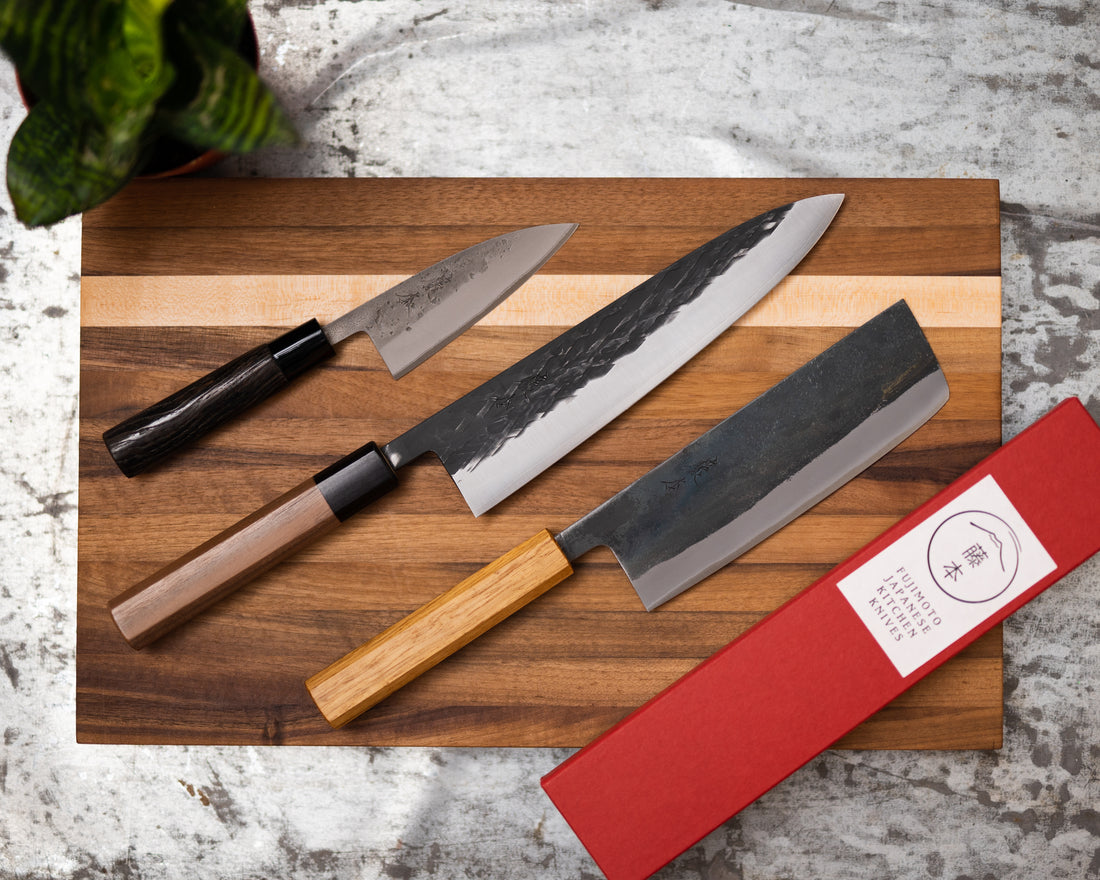
Start with a gyuto if you can buy only one. A 210 mm gyuto covers most home tasks, while 240 mm suits pros and high-volume prep.
Other shapes:
- Santoku. Shorter, nimble, and friendly for small boards.
- Nakiri. Great for veg. Flat profile for push cuts.
- Petty. Small utility for fruit, trim, and detail.
- Sujihiki. For smooth slicing, roasts, and fish.
- Deba and yanagiba. For fish breakdown and sashimi with skill.
When friends ask what is the best japanese knife brand for a first knife, I say pick a 210 mm gyuto from Mac, Tojiro, or Shun and learn to sharpen.
Field notes from my kitchens
My first real Japanese knife was a Masamoto gyuto. It glided through onions and stayed sharp through a two-service night. But I chipped it on a glass board once and learned fast.
At home, I hand my partner a Shun or Mac. They are easy to care for and forgiving on busy nights. In prep, I reach for a Takamura for fine veg because it reads my thoughts.
Personal tip: your board is as important as your blade. Use end-grain wood or soft plastic. If you ask me what is the best japanese knife brand after a month of real use, I will answer the one that makes you cook more, not fuss more.
Buying tips and red flags
Shop from trusted retailers with clear return and warranty policies. Ask for hardness, steel type, and if the spine and choil are eased. A brand that lists details is a brand that cares.
Watch out for:
- Vague steel names or no hardness listed.
- Sloppy grinds, uneven bevels, or gaps at the handle.
- Prices that look too good for the claimed steel.
Your money is your vote. If your heart asks what is the best japanese knife brand, your eyes and fingers should confirm it at the store or on delivery.
:max_bytes(150000):strip_icc()/sea-santoku-knives-3-grace-kelly-aa17c0172e5746db82b4441f44d14216.jpg "What Is The Best Japanese Knife Brand: Expert Picks 2026 9")
Care and sharpening made simple
Keep your edge with gentle habits. Use soft boards, wipe during prep, and hand wash. Never use a dishwasher.
Sharpen on whetstones. A 1000 grit stone sets the edge. A 3000–6000 finisher refines it. Strops help, but stones teach control. If you wonder what is the best japanese knife brand for easy sharpening, look at ginsan, VG-10, or Mac’s stainless blends.
Where to buy and how to avoid fakes
Buy from specialty knife shops, known online retailers, or direct from the maker. Ask for batch details, steel, and care guides. Real sellers answer fast and clear.
Check packaging, logos, and serials if listed. Compare specs on the maker’s site. When people ask what is the best japanese knife brand and where to find it, I say start with shops that let you handle returns and offer sharpening support.
Budget tiers and recommended picks
You do not need to overspend to get a great blade. Set a budget and pick for your use.
- Under 100 dollars: Tojiro entry lines, Victorinox for backup. Simple, sharp, and safe.
- 100–200 dollars: Tojiro DP gyuto, Mac Chef, Global G-2. Sweet spot for most cooks.
- 200–400 dollars: Mac Professional, Shun Premier, Miyabi SG2, Takamura R2. Big upgrade in grind and edge life.
- 400+ dollars: Masamoto, Yoshikane, select Sakai Takayuki lines. Craft polish, great grinds, and pride of ownership.
If your search is what is the best japanese knife brand for value, the 100–200 dollar tier wins for most people.
Frequently Asked Questions of what is the best japanese knife brand
Is there one best Japanese knife brand for everyone?
No. It depends on your budget, care habits, and cooking style. Match steel and grind to your needs.
Which brand is best for a first Japanese knife?
Tojiro DP or Mac Chef are hard to beat. They are forgiving, sharp, and budget friendly.
Are Shun knives good for pros?
Yes, many pros use Shun, especially for stainless ease and service support. Some pros prefer thinner lasers like Takamura.
Carbon or stainless for a busy home kitchen?
Stainless is safer for most homes. Carbon feels sharper but needs fast drying and more care.
Do I need a 240 mm gyuto?
Only if you have space and do larger prep. A 210 mm gyuto handles most tasks for home cooks.
How often should I sharpen?
For home use, every 4–8 weeks with regular touch-ups. In pro kitchens, weekly light maintenance helps.
Are Global handles slippery?
They can be if your grip is oily, but the dimples help. Try in hand if you can.
Conclusion
The honest answer to what is the best japanese knife brand is this: the best brand is the one that fits your hands, your habits, and your board. For value and growth, start with Tojiro or Mac. For sharp lasers, try Takamura. For classic heritage, go Masamoto or Misono.
Pick one, learn to sharpen, and cook often. Your skills will rise with your edge. If you found this useful, explore my other knife guides, subscribe for updates, or drop a question below so I can help you choose.
Maliha Khatun has spent 5 years hands-on testing Japanese knives for everyday home cooks. She has evaluated over 60 blades across nakiri, santoku, gyuto, and petty categories — scoring each on edge retention, steel quality, handle comfort, and value for money. She writes to help home cooks buy the right knife without the guesswork.
Expertise:Japanese Knives • Vegetable Knives • Product Reviews • Kitchen Efficiency • Knife Care
Leave a Reply