who makes the best japanese knives? it depends on skill, budget, steel, and care.
If you’re here to learn who makes the best japanese knives, you’re my kind of person. I’ve sharpened, tested, and cooked with blades from Sakai, Seki, and Echizen for years. This guide breaks down makers, steels, shapes, and price tiers so you can decide who makes the best japanese knives for your kitchen, not someone else’s.
What “best” really means with Japanese knives
“Best” is about fit, not hype. A pros’ pick may not suit a home cook. Your answer to who makes the best japanese knives should balance how you cook, how you sharpen, and how much care you want to give the blade.
Look at four things. Steel and heat treat. Grind and geometry. Fit and finish. Support and warranty. When these align with your needs, the knife will feel “made for you.”

The short list: makers that shine by need
You asked who makes the best japanese knives. Here is a clear set by use, budget, and care level.
• Best for home cooks who want easy care: Shun, MAC, Miyabi, Tojiro
• Best for thin, screaming sharp “laser” gyutos: Takamura, Konosuke, Yu Kurosaki
• Best for pro kitchens and daily prep: Misono, Masamoto Sohonten, MAC Professional
• Best for single‑bevel sushi and kaiseki work: Suisin, Aritsugu, Sakai Takayuki
• Best for edge retention nerds: Sukenari (ZDP‑189, HAP40), Yoshikane, Shibata
• Best value buys: Tojiro DP, Victorinox is not Japanese, but as a beater; for Japan, look at Tojiro, Kanehide, and some Yoshihiro lines
If you need one fast answer to who makes the best japanese knives for most cooks, start with Tojiro for value, then step up to Takamura or Misono when your skills grow.

Source: musashihamono.com
Deep dives on leading makers
Choosing who makes the best japanese knives is easier when you know each maker’s strengths.
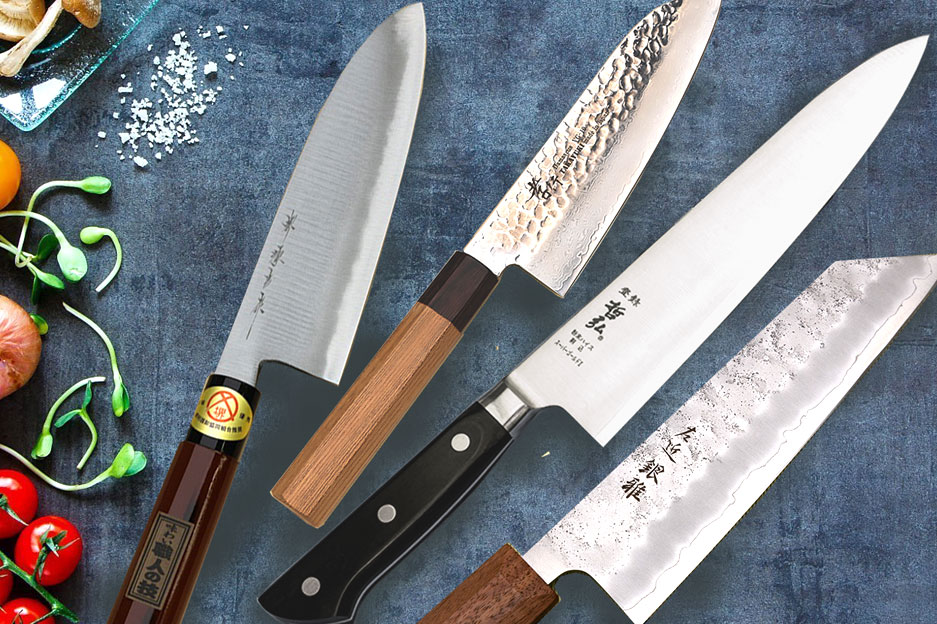
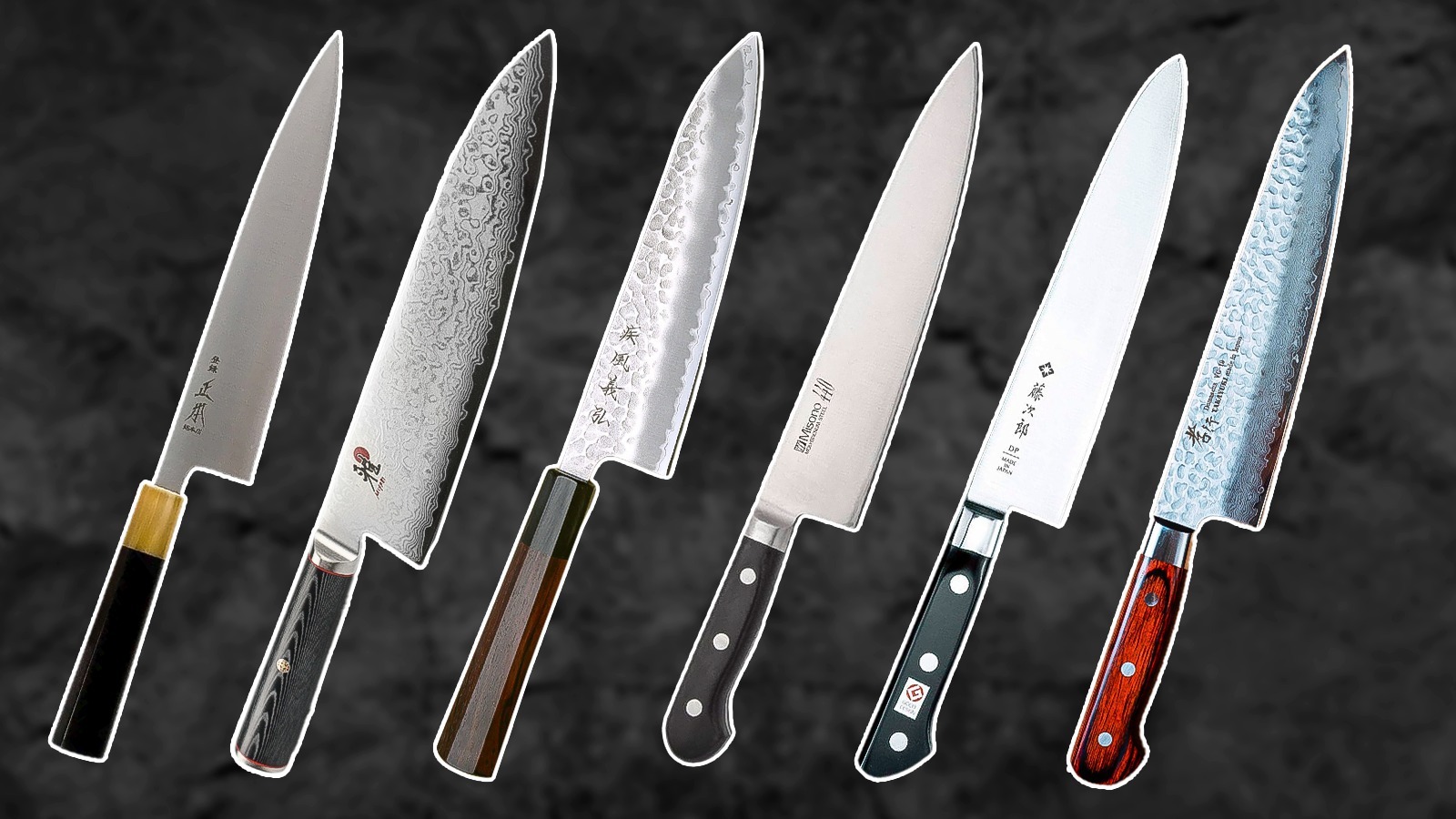
For many chefs, the reply to who makes the best japanese knives often rotates between Takamura for lasers, Masamoto and Misono for daily pro work, and Suisin or Sakai Takayuki for precise single‑bevel tasks. If you chase steel performance, Sukenari is a clear contender.
- Shun (KAI, Seki): Widely sold, great warranty, clean fit and finish. VG10 and SG2 cores. Easy to recommend for gifts and first Japanese knives.
- Takamura (Echizen): Famous for SG2 “laser” gyutos. Very thin, very sharp, great edge life. Wants light technique and a soft board.
- Masamoto Sohonten (Tokyo): A pro favorite. Classic carbon gyutos and sujihiki with refined, work-first geometry.
- Konosuke (Sakai): Excellent grinds, balanced feel, top-tier finishing. Great for users who value control and glide.
- Suisin (Sakai): Known for single‑bevel lines with stable grinds and strong quality control.
- Sukenari (Toyama): High performance steels like ZDP‑189 and HAP40 with excellent heat treat. Long edge life for busy pros.
- Misono (Seki): UX10 stainless and Swedish carbon lines. Thin behind the edge, quick through product, nice balance.
- Tojiro (Tsubame‑Sanjo): Best bang for buck. The DP line (VG10 core) is the gateway for many cooks.
- MAC (Seki): Tough, thin, and simple to maintain. Great for Western techniques and mixed kitchens.
- Sakai Takayuki (Sakai): Broad range from entry to high-end. Strong single‑bevel options and dependable quality.
- Miyabi (Zwilling Japan, Seki): Clean styling, consistent factory QC, good for gifts and first upgrades.
- Yoshihiro (Sakai and Seki sourced): Mid to high lines vary by series. Do your homework per model.
- Yu Kurosaki and Masakage (Echizen): Striking finishes, excellent cutting feel, strong grinds, fun performers.
Source: knife-life.jp
Steel and heat treatment: the hidden edge
When you ask who makes the best japanese knives, you’re also asking who treats steel best. Heat treat can make or break a blade.
Common cores and what they mean:
• Shirogami (White) and Aogami (Blue): Carbon steels. Very sharp and easy to hone. Need care to avoid rust.
• VG10 and Ginsan (Silver 3): Stainless, well balanced, easy for home cooks.
• SG2/R2, HAP40, ZDP‑189: High wear resistance. Long edge life. Sharpening takes more time.
• AUS‑8, Swedish stainless: Tough, forgiving, good for busy lines.
Hardness matters. Many Japanese blades sit at HRC 60–65. Higher can mean better edge life but more chip risk. Makers like Sukenari, Takamura, and Konosuke are praised for consistent heat treat that brings out each steel’s best traits.
Source: hasuseizo.com
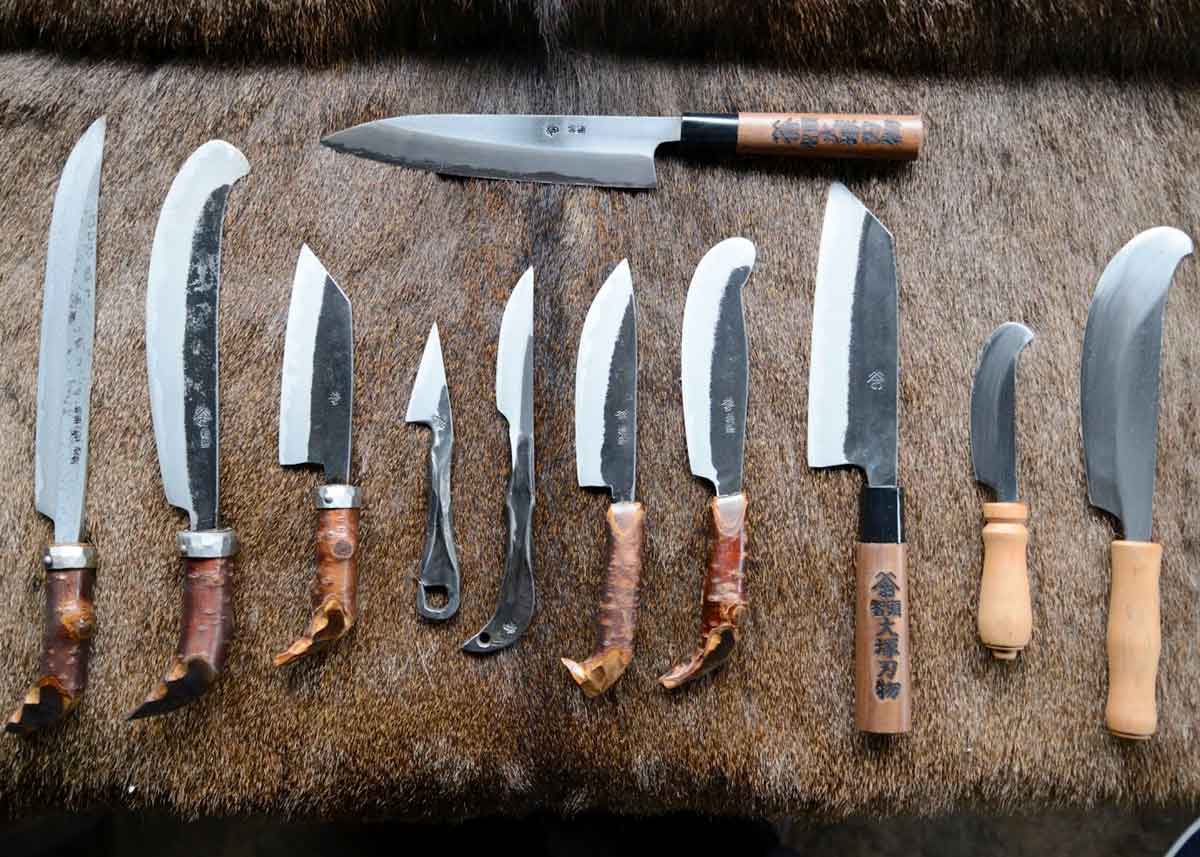
Shapes and grinds: match the job to the blade
“Best” depends on the task. So who makes the best japanese knives for you depends on the shapes you use most.
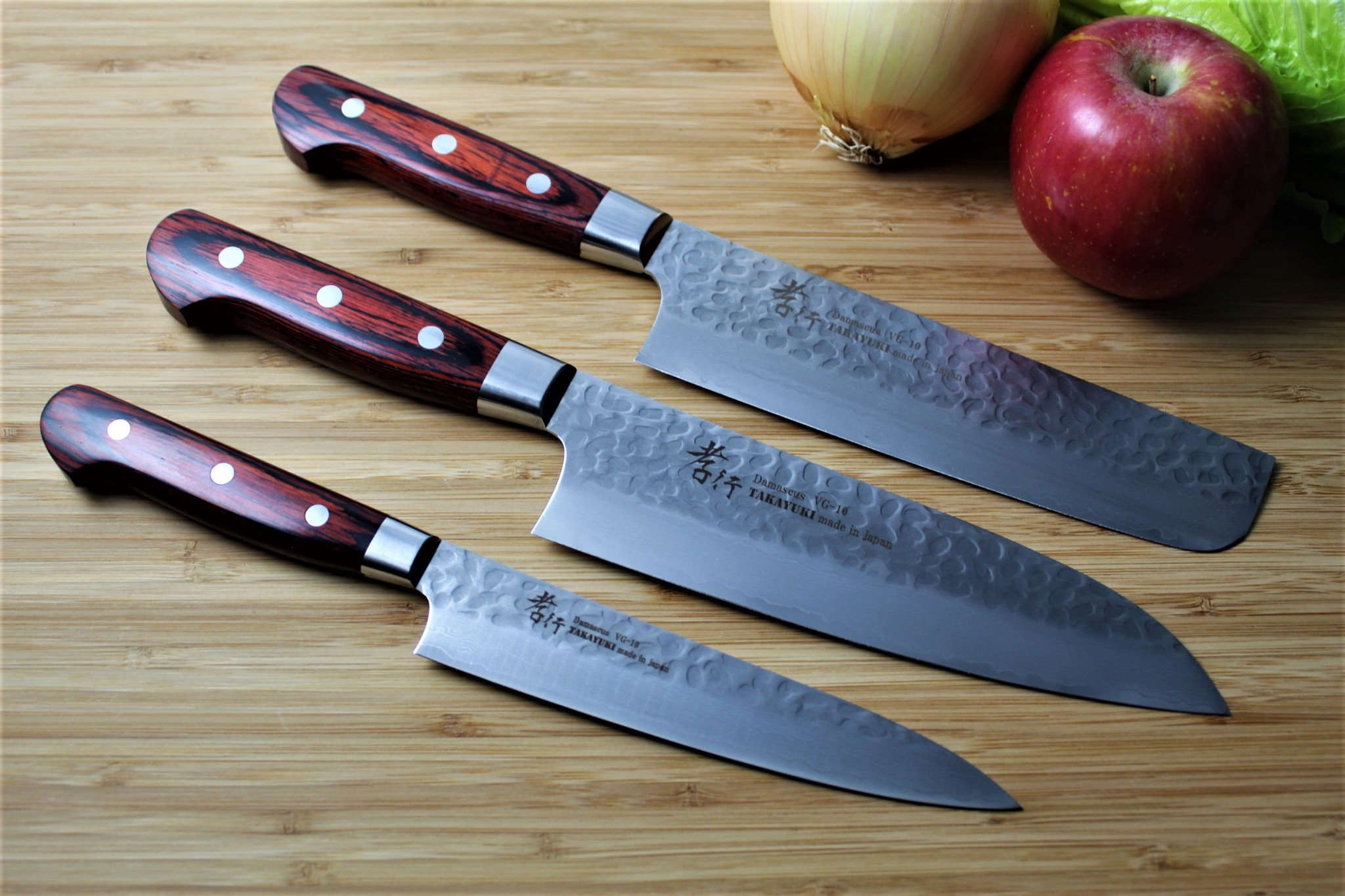
• Gyuto: The go‑to chef knife. Great all‑rounder.
• Santoku: Shorter, nimble, easy in small kitchens.
• Petty: Small utility for fruit, herbs, and trimming.
• Nakiri: Veg workhorse. Flat profile and fast push cuts.
• Sujihiki: Slicer for roasts and fish.
• Single‑bevels (yanagiba, deba, usuba): For sushi and precision veg work. Demands skill and careful sharpening.
Grind is key. Thin “laser” grinds fly through onions but need gentle hands. More convex grinds resist sticking and chips. If sushi is your world, your search for who makes the best japanese knives often points to Sakai makers for single‑bevel excellence.
Source: japanobjects.com
How I test and what has impressed me
I test by prepping a full day’s menu. I move from herbs to onions to dense squash, then proteins. I log bite, glide, steering, food release, and how the edge feels on the board. I finish with a quick stropping and note how fast the edge wakes up.
Standouts for me:
• Takamura SG2 210 gyuto: Scary sharp, super light, best for fine cuts and soft veg.
• Misono UX10 240 gyuto: Reliable, thin, and steady in a hot line.
• Konosuke HD2 240: Great balance and control, very refined feel.
• Sukenari ZDP‑189 240: Edge keeps going, even on cases of mirepoix.
My answer to who makes the best japanese knives has changed with my skills. Early on, Tojiro DP felt perfect. As my touch got lighter, Takamura won more shifts. On sushi days, Suisin’s single‑bevels made my cuts look cleaner.

Source: goodhousekeeping.com
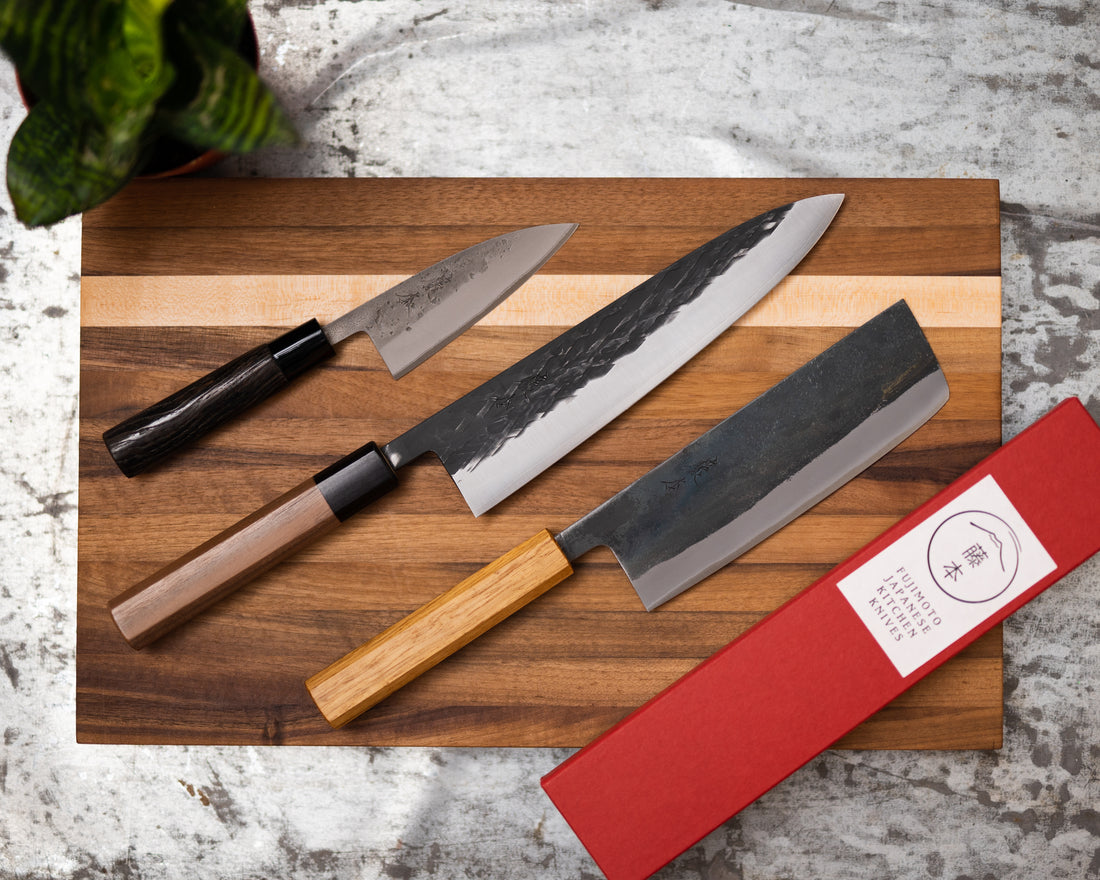
Care, sharpening, and longevity tips
No maker can beat neglect. If you want to know who makes the best japanese knives for the long run, the answer includes you.
• Use a soft board. End‑grain wood or quality rubber.
• Hand wash and dry at once. Never soak.
• Store in a saya or on a magnetic strip with care.
• Sharpen on water stones. Start simple: 1000/3000 works.
• Learn light pressure and finish with a few edge‑leading strokes.
If you chip a hard steel, do not panic. Set a new micro‑bevel. It adds stability and keeps the edge keen.
Source: knifewear.com
Buying smart: price tiers and where to shop
Budget shapes choices, even when the question is who makes the best japanese knives.
• Entry ($60–$150): Tojiro DP, some Kanehide lines. Honest steel, real performance.
• Mid ($150–$300): Misono, MAC, Yoshihiro, Shun Classic, Miyabi. Noticeably better grinds and finish.
• High ($300–$600): Takamura SG2, Konosuke, Suisin, Sakai Takayuki higher lines. Precision and pleasure.
• Premium ($600+): Sukenari ZDP‑189/HAP40, select Sakai single‑bevels, limited runs.
Buy from trusted shops. Look for clear return policies, sharpening support, and real specs. Ask for spine and choil shots to judge thickness and comfort.
Source: tastingtable.com
Red flags and mistakes to avoid
• Chasing Damascus looks over grind quality
• Buying too hard a steel before you learn to sharpen
• Using glass or bamboo boards
• Letting a thin laser do heavy prying or twisting
• Ignoring fit at the choil and spine, which affects comfort
Set your goal. Then ask who makes the best japanese knives for that goal, not for the internet at large.
Frequently Asked Questions of who makes the best japanese knives
Is there one brand that’s clearly “the best”?
No. Different makers excel at different jobs and steels. Your skills and care level decide what is best for you.
What is the best first Japanese knife to buy?
A 210 mm gyuto is the safest bet. Tojiro DP or MAC are great starts with easy care.
Are carbon steel knives better than stainless?
Carbon can feel sharper and is easy to hone. Stainless is easier to live with and is best for busy homes.
How often should I sharpen a Japanese knife?
For home cooks, every 4–8 weeks works. For pros, touch up weekly and do full sharpening as needed.
Which makers are best for sushi knives?
Sakai makers like Suisin and Sakai Takayuki are strong picks. They offer stable single‑bevel grinds and good quality control.
What edge angle should I use?
Most double‑bevels do well at 12–15 degrees per side. Thinner lasers may like a tiny micro‑bevel for strength.
Can I use a honing rod on Japanese knives?
Use a fine ceramic rod lightly, if at all. Water stones give better, safer results.
Conclusion
There isn’t one final answer to who makes the best japanese knives. There are smart matches between your skills, your care, and a maker’s strengths. Start with value picks like Tojiro, grow into Misono or MAC for everyday work, and explore Takamura, Konosuke, Suisin, or Sukenari when you want peak performance.
Pick one knife that fits your routine, learn to sharpen, and let your taste evolve. Ready to go deeper? Try a 210 mm gyuto first, then add a petty or nakiri. Have a question or a favorite maker? Share your story and keep the learning going.
Maliha Khatun has spent 5 years hands-on testing Japanese knives for everyday home cooks. She has evaluated over 60 blades across nakiri, santoku, gyuto, and petty categories — scoring each on edge retention, steel quality, handle comfort, and value for money. She writes to help home cooks buy the right knife without the guesswork.
Expertise:Japanese Knives • Vegetable Knives • Product Reviews • Kitchen Efficiency • Knife Care
Leave a Reply