A kitchen knife is a handheld cutting tool designed to slice, chop, and prepare food.
If you want clear, expert guidance on what is a kitchen knife, you’re in the right place. I’ve spent years in busy kitchens and sharpening workshops, and I’ve tested countless blades. In this guide, I’ll break down what is a kitchen knife, how it works, which one to buy, and how to care for it so it lasts for years.

What does a kitchen knife do?
A kitchen knife helps you turn raw ingredients into clean, even pieces. It lets you chop onions fast, slice tomatoes thin, and trim meat with control. It is the most used tool in the kitchen, and the right one saves time and keeps you safe.
People often ask what is a kitchen knife beyond a sharp blade. It is a balanced tool with a handle and blade, set up for comfort and precision. It turns simple meals into great ones because it makes cuts repeatable and neat.
In pro kitchens, the main knife is a chef’s knife or a santoku. These blades handle most daily tasks. If you master one, your cooking gets quicker, cleaner, and more fun.
Source: robertwelch.com
Parts of a kitchen knife
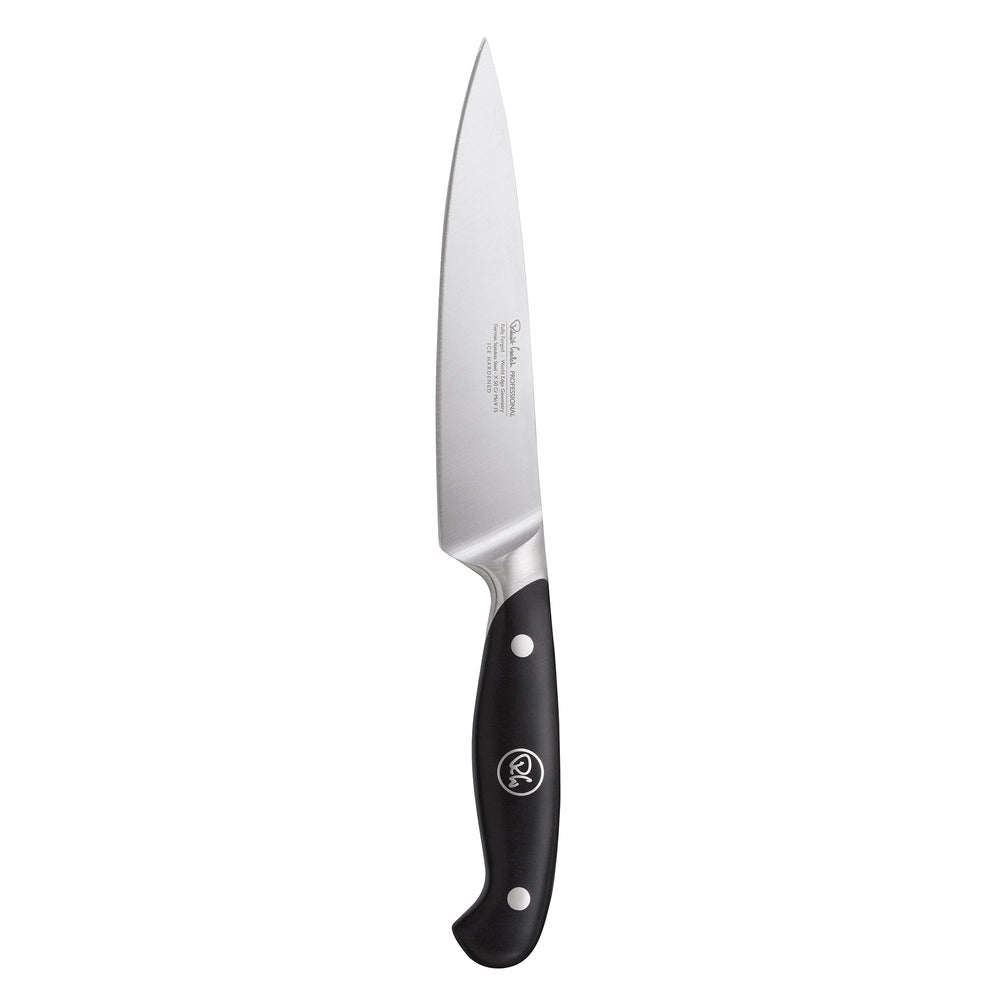
To answer what is a kitchen knife, you need to know its anatomy. The tool works because each part has a job. Small changes in each part can change how it feels and cuts.
Key parts include:
- Blade. The cutting body of the knife. It has a tip, spine, edge, and heel.
- Edge. The sharpened line that does the cutting. It can be smooth or serrated.
- Tip. The fine point for detail work like trimming and scoring.
- Heel. The back of the blade for heavy cuts like splitting squash.
- Spine. The thick top of the blade that adds strength.
- Bolster. The thick joint between blade and handle that adds balance and safety.
- Tang. The metal that runs into the handle. Full tang means strength and balance.
- Handle. The grip. It can be wood, plastic, or composite.
When you ask what is a kitchen knife that “feels right,” you are talking about balance. The weight should sit near the pinch grip, where your thumb and index finger meet at the blade.

Source: hedleyandbennett.com
Common types of kitchen knives
There are many styles. Picking the right one depends on your tasks. I suggest starting with one main knife, then adding specialty blades as needed.
The essential types are:
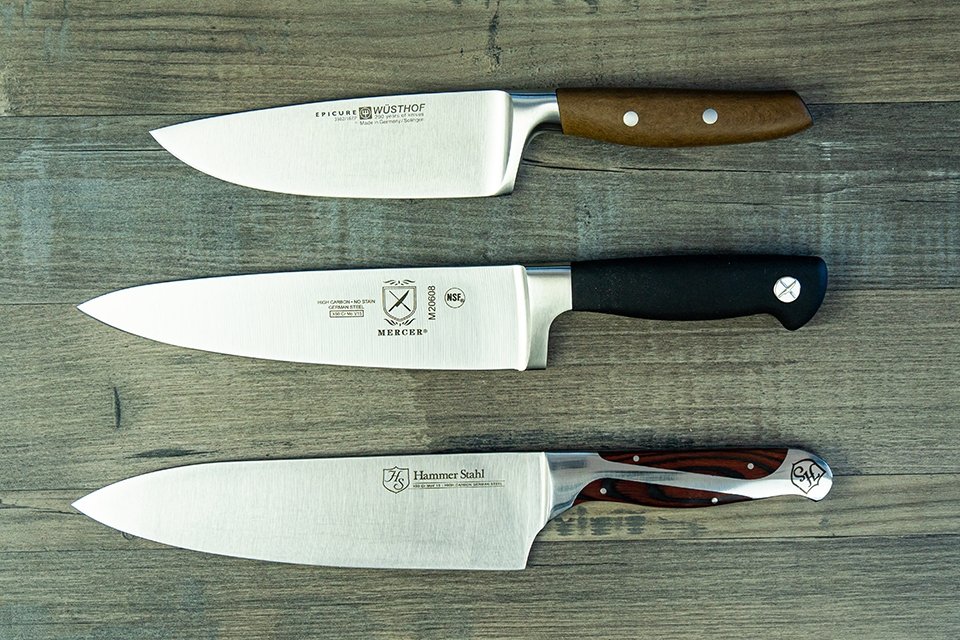
- Chef’s knife or Gyuto. All-purpose. Great for chopping, slicing, and mincing.
- Santoku. A flatter profile. Good for push cuts and thin slices.
- Paring knife. Small and nimble. Ideal for peeling and detail work.
- Serrated bread knife. Long and toothed. Cuts crusty bread and soft tomatoes.
- Utility knife. Mid-size. Fills the gap between paring and chef’s knives.
- Boning or fillet knife. Flexible or stiff. Good for meat and fish.
- Cleaver. Heavy. Splits bones and chops dense items.
A quick way to decide what is a kitchen knife you should buy first: choose a chef’s knife or santoku in the 6 to 8 inch range. Then add a paring knife and a bread knife.
:max_bytes(150000):strip_icc()/Wusthof-8-Inch-Classic-Chefs-Knife-8e5b94ffa0da43da89676e2cf548a43c.jpg "What Is A Kitchen Knife: Essential Guide For 2026 5")
Source: foodandwine.com
Blade materials and construction
Good steel is the heart of the blade. It affects sharpness, edge life, and rust resistance. Not all steel is the same, and build quality matters as much as the alloy.
Popular choices:
- Stainless steel. Resists rust. Easy to care for. Common in home kitchens.
- High carbon steel. Very sharp and easy to hone. Can stain and needs care.
- Powder steel. Premium. Holds an edge longer. More costly.
- Ceramic. Very hard and light. Brittle and hard to sharpen at home.
Build details that matter:
- Heat treatment. Sets hardness and toughness. Balanced treatment keeps edges sharp but not brittle.
- Tang style. Full tang improves strength and balance. Hidden tang can be lighter and sleek.
- Handle material. Wood feels warm. Composites resist water. Textured grips improve control.
- Fit and finish. Smooth joints and even grinds show quality.
If you wonder what is a kitchen knife that stays sharp longer, look for well-treated steel and a clean, even edge. Factory marketing words matter less than real-world grind and heat treat.
Source: everythingkitchens.com
Edge styles and grinds
The edge is where performance lives. Two knives with the same steel can feel very different because of the grind and angle.
Common edge types:
- Double bevel. Standard on most Western knives. Easy to maintain.
- Single bevel. Common in some Japanese blades. Very sharp, but task-specific.
- Serrated. Teeth that bite into crusts and skins. Harder to sharpen at home.
Grind styles:
- Flat or full flat. Slices clean and thin. Easy to sharpen.
- Hollow. Very keen at the edge. Can be delicate.
- Convex. Strong and smooth through dense food.
Angles matter. A 15-degree per side edge is sharper but more delicate. A 20-degree per side edge is tougher. If you ask what is a kitchen knife edge that suits a busy home, 15 to 20 degrees per side is a safe range.

Source: jessicagavin.com
How to choose the right kitchen knife
Think about your food, your hand size, and how you like to cut. A tool that fits your style will make cooking feel easy and safe.
Use this simple plan:
- Try a few knives in person. Check balance and grip with a pinch hold.
- Pick a length you can control. Six to eight inches works for most people.
- Choose a handle that feels secure when wet. Texture helps.
- Match steel to your care level. Stainless if you want low maintenance.
- Buy one good knife first. Learn it well. Then add others.
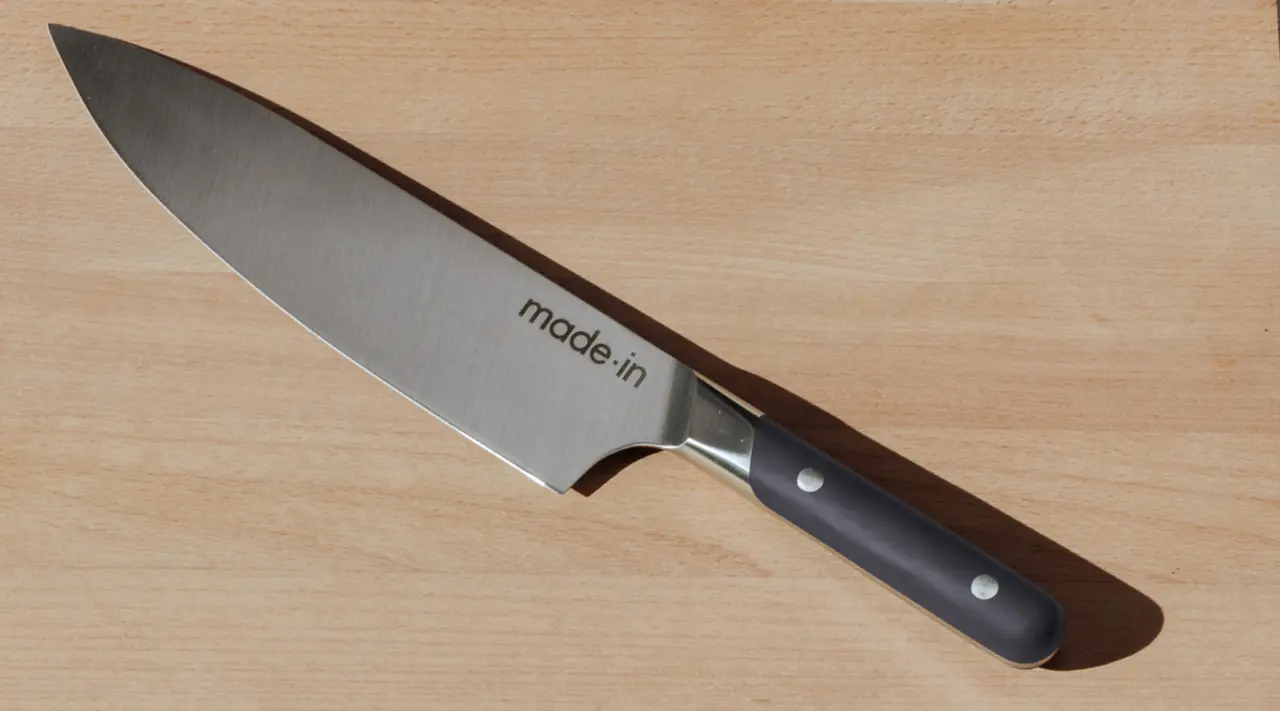
If you still wonder what is a kitchen knife that gives best value, start with a mid-priced stainless chef’s knife. It should sharpen well, hold an edge for weeks, and resist rust.
Source: madeincookware.com
Safe use and basic knife skills
Good habits protect your fingers and speed up prep. A sharp knife is safer than a dull one because it needs less force and won’t slip as much.
Follow these basics:
- Use a stable cutting board. Wood or rubber grips best and saves your edge.
- Learn the claw grip. Tuck your fingertips and guide the blade with your knuckles.
- Use a pinch grip. Pinch the blade at the heel with thumb and index finger.
- Let the knife do the work. Slice with smooth motions, not hard chops.
- Keep the edge clear. Sweep scraps with the spine, not the edge.
A common question is what is a kitchen knife motion that suits most tasks. Use a gentle forward and down slice for meat and veg. Rock the blade only when the belly of the knife matches the board.
Care, cleaning, and sharpening
Care is simple but vital. A well-kept edge saves time, looks clean, and lasts longer.
Day-to-day care:
- Wash by hand with mild soap. Dry at once. Avoid the dishwasher.
- Wipe the blade often during prep. Acid and moisture dull edges.
- Use a honing rod weekly. It realigns, but does not replace sharpening.
Sharpening tips:
- Sharpen on whetstones if you can. Start with medium grit, then fine.
- Keep a steady angle. Light pressure beats force.
- For quick fixes, a guided system helps. It is more repeatable at home.
If you ask what is a kitchen knife routine that works, hone weekly and sharpen every one to three months, based on use. Dull knives need more pressure and cause more slips.
Storage and lifespan
Storage keeps the edge safe and your hands safer. It also prevents chips and rust. Good storage is cheap insurance for your blade.
Smart options:
- Magnetic strip on a wall. Safe, dry, and easy to reach.
- Knife block or in-drawer tray. Keeps edges apart and protected.
- Blade guards or sheaths. Great for small kitchens and travel.
With basic care, a good knife can last decades. If you keep asking what is a kitchen knife that you can pass down, look for solid steel, a comfy handle, and a brand that supports sharpening and parts.
Frequently Asked Questions of What is a kitchen knife
What is a kitchen knife used for daily?
It is used to chop, slice, mince, and trim ingredients. One good knife can handle most cooking tasks at home.
What is a kitchen knife size that fits most people?
A 6 to 8 inch chef’s knife fits most hands and kitchens. It gives reach, control, and balance.
What is a kitchen knife edge I should choose?
A smooth double-bevel edge at 15 to 20 degrees per side works well. It is sharp, strong, and easy to maintain.
What is a kitchen knife material that resists rust?
Stainless steel resists rust and is easy to care for. Dry it after washing to protect the edge.
What is a kitchen knife grip that improves control?
Use a pinch grip with your thumb and index finger on the blade. It boosts control and reduces wrist strain.
What is a kitchen knife maintenance routine?
Hone weekly, sharpen every one to three months, and wash by hand. Store it in a block, on a strip, or in a guard.
What is a kitchen knife that beginners should buy first?
Start with a mid-priced stainless chef’s knife. Then add a paring knife and a serrated bread knife.
Conclusion
A kitchen knife is more than a sharp tool. It is the heart of daily cooking, and the right one turns effort into ease. Now that you know what is a kitchen knife, you can choose well, use it safely, and keep it sharp for years.
Set a simple plan today. Pick one good knife, learn the pinch grip, hone weekly, and store it right. Ready to dive deeper? Explore more guides, ask a question, or share your favorite knife in the comments.
Maliha Khatun has spent 5 years hands-on testing Japanese knives for everyday home cooks. She has evaluated over 60 blades across nakiri, santoku, gyuto, and petty categories — scoring each on edge retention, steel quality, handle comfort, and value for money. She writes to help home cooks buy the right knife without the guesswork.
Expertise:Japanese Knives • Vegetable Knives • Product Reviews • Kitchen Efficiency • Knife Care
Leave a Reply