A smooth ceramic honing rod around 1,000–2,000 grit is best for Japanese knives.
If you want sharper cuts, fewer chips, and longer edge life, this guide is for you. I work with Japanese blades every day, and I’ve tested many rods in real kitchens. Below, I break down the best honing rod for japanese knives, why it matters, and how to use it like a pro.
Why Japanese knives need a different approach
Japanese knives are usually harder than Western knives. Many sit around 60–65 HRC and have thin, acute edges. That gives laser-like cuts, but it also means the edge can chip if you use the wrong tool.
Most Western steel rods have deep grooves. Those grooves can tear at a hard edge. For hard steels, the best honing rod for japanese knives is smooth and fine. It should gently realign the edge without grinding it away.
In my work, the switch from grooved steel to fine ceramic cut down chips. It also kept edges crisp between stone sessions. That is why a ceramic rod is the safe, smart choice for hard blades.

Source: sharpedgeshop.com
Honing vs sharpening
Honing does not remove much metal. It nudges a rolled edge back into line. Sharpening removes steel to create a new edge. You do it on stones or a guided system.
For daily care, hone lightly. For dull edges, sharpen on a whetstone. The best honing rod for japanese knives is not a cure for a blunt blade. It is a tune-up tool between real sharpening.
Source: knifewear.com
Types of honing rods for Japanese knives
Not all rods are equal. Here is what matters for hard, thin edges.
Ceramic rods
Ceramic is the top pick. It is hard, fine, and gentle on high HRC steels. Look for a grit between 1,000 and 2,000. That keeps bite without scratching the face of the blade.
Pros
- Great for hard steels and thin edges
- Smooth realignment with very light metal removal
- Affordable and easy to find
Cons
- Can break if dropped
- Clogs without cleaning
Glass rods
Glass rods are very smooth. They act like a super fine ceramic. They will not grab much metal, so pressure control is key.
Pros
- Ultra smooth contact
- Easy to clean
- Won’t rust or pit
Cons
- Can slip if technique is poor
- Offers little correction for rolled edges
Steel rods
Most steel rods are grooved. Avoid those with Japanese blades. A polished, smooth steel rod can work with soft knives. It is still risky on 60+ HRC.
Pros
- Tough and long-lasting
- Good for softer Western knives
Cons
- Grooves can microchip hard edges
- Even smooth steel can be harsh on thin tips
Diamond rods
Diamond rods remove a lot of metal. They are great for repair on tough tools. They are not ideal for daily care of a thin gyuto.
Pros
- Fast metal removal
- Good for rough repair on soft steel
Cons
- Too aggressive for most Japanese edges
- Can scratch and weaken the bevel
The bottom line is simple. The best honing rod for japanese knives is a fine ceramic rod with a smooth surface. It protects your edge and keeps it keen.
:max_bytes(150000):strip_icc()/faw-honing-steels-group-images-greg-baker-1-faves-aa10512e27e540d7b3e8c753161ae765.jpg "Best Honing Rod For Japanese Knives: Top Picks 2026 4")
Source: foodandwine.com
Grit, hardness, and size: what to look for
You want a rod that is hard enough to guide the edge, not grind it.
Key specs to check
- Material: High quality alumina ceramic or glass
- Grit: About 1,000–2,000 for daily honing
- Length: 10–12 inches to cover long blades safely
- Diameter: Around 12–14 mm for stable contact
- Surface: Smooth or microfine, not grooved
Angle and pressure matter too. Japanese knives often use 10–15 degrees per side. Use light pressure. Think the weight of the blade, not your arm.
I learned the hard way that a short rod is not safe for a long gyuto. A 12 inch rod gives room to work at a steady angle. That keeps both edge and fingers safe.
Use these points when you shop. They define the best honing rod for japanese knives.

Source: knifewear.com
Best picks I trust and why they work
I test gear in prep and service. These categories have stood out over time. Exact models change, but the traits hold.
Top categories to consider
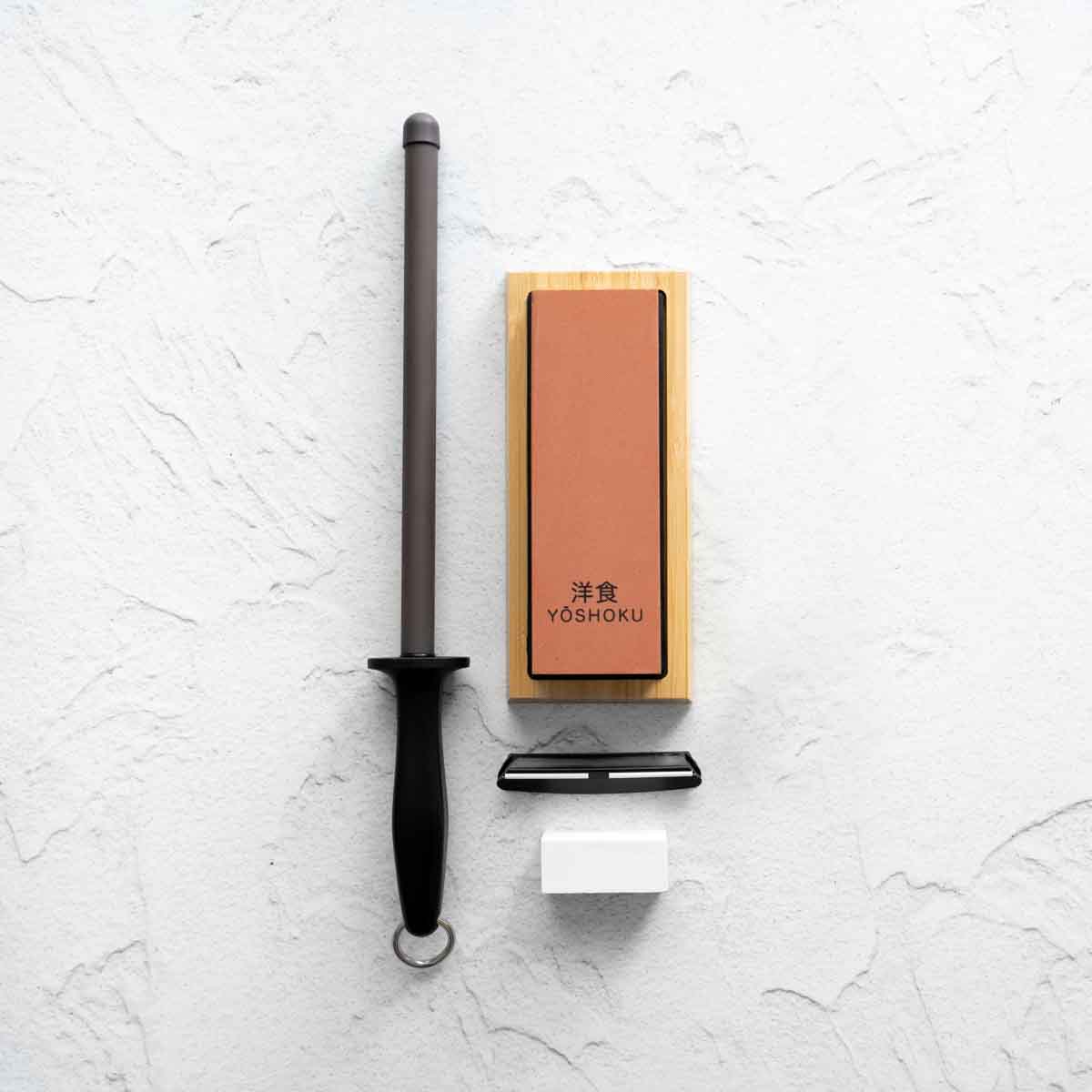
- Fine ceramic rod, 10–12 inch: This is the best balance of control, length, and grit
- Black ceramic rod, 2,000 grit: Slightly harder feel with a touch more bite
- Smooth glass rod: Ultra gentle upkeep on high polish edges
- Polished steel rod, smooth only: Use with caution, and only for softer knives
Why these shine for Japanese knives
- They are smooth enough for 60–65 HRC blades
- They reset the edge with low risk of chips
- They are long enough for sujihiki and gyuto
- They do not carve grooves into the bevel
If you want the best honing rod for japanese knives, start with a 12 inch fine ceramic rod. It has never let me down in a busy kitchen.
Source: chefs-edge.com
How to use a honing rod with Japanese knives
Good technique matters more than force. Follow this simple routine.
Step by step
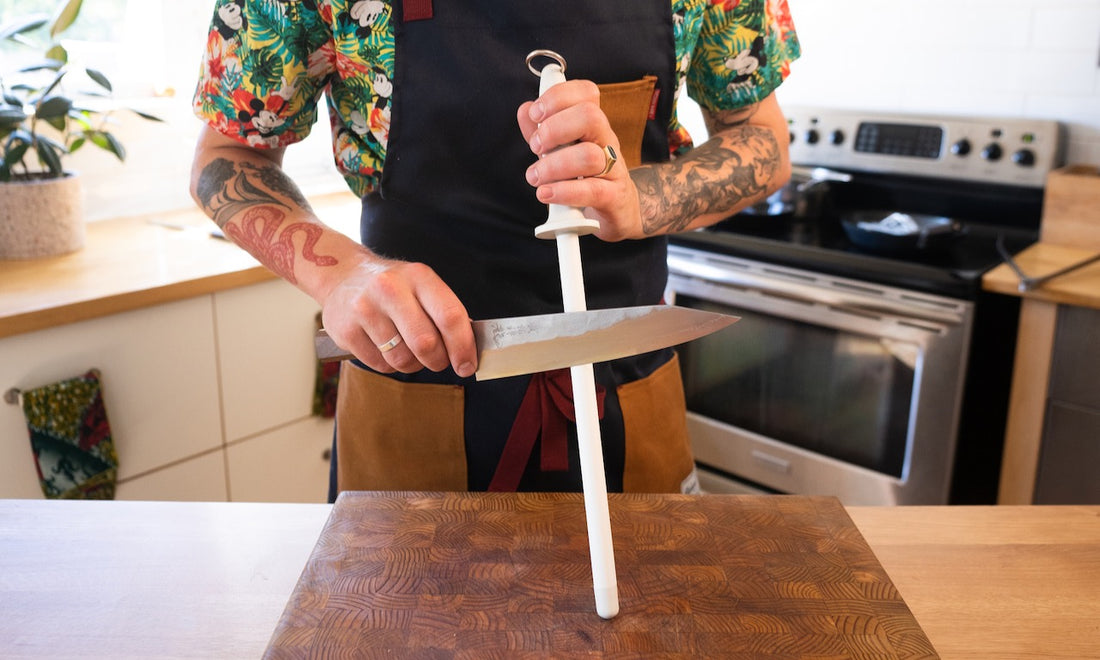
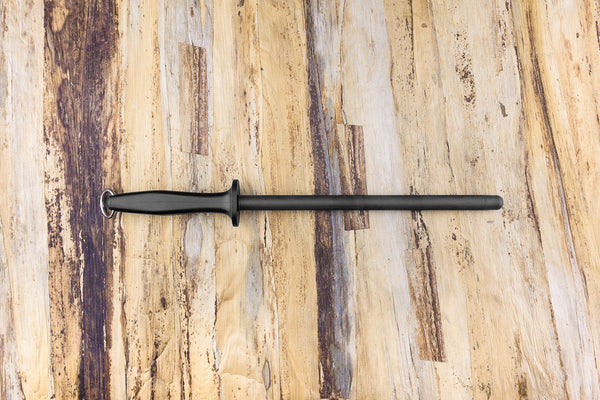
- Place the tip of the rod on a damp towel for grip
- Hold the blade at 10–15 degrees to the rod
- Draw the edge from heel to tip with gentle pressure
- Switch sides after each stroke, 5–8 passes total
- Wipe the blade and test on paper or a tomato
Pro tips from the line
- Keep your wrist locked to hold a steady angle
- Use very light strokes
- Stop if you feel scraping or biting
- Hone before a shift, not after you chip the edge
With technique like this, the best honing rod for japanese knives will give you fast results with low risk.
Source: knifewear.com
Care and cleaning for your honing rod
Your rod works best when it is clean. Clogged ceramic can glaze and slip.
Do this often
- Wipe the rod after each session
- Use a soft eraser or cleanser made for ceramic
- Rinse and dry before storage
- Store in a sleeve or on a magnetic strip away from heat
If you drop a ceramic rod, inspect it. A hairline crack can fail mid stroke. Replace it if you see damage. Protect your investment and your fingers.

Source: kitchenknifeguru.com
Common mistakes that dull or chip edges
Many issues come from pressure and angle. The fix is simple once you see it.
Avoid these mistakes
- Using a grooved steel rod on hard blades
- Pressing hard and scraping the edge
- Using a very coarse or diamond rod for daily care
- Working at a steep angle above 15 degrees
- Rushing and hitting the rod’s guard with the tip
I once chipped a petty by using a rough rod in a rush. A fine ceramic rod and slow, smooth strokes would have saved it. Learn from my mistake.

Source: chefknivestogo.com
Buying checklist for the best honing rod for japanese knives
Run through this list before you buy.
What to confirm
- Fine ceramic or glass surface
- Grit around 1,000–2,000
- Length of 10–12 inches
- Comfortable, non-slip handle
- Protective tip or cap
- Easy to clean and maintain
If a product checks these boxes, it is likely the best honing rod for japanese knives in your budget. Do not overthink it. Specs and technique beat hype.
Smart alternatives and when to use them
Honing rods are not the only path to a sharp edge. At times, a different tool is better.
Good options
- Leather strop with fine compound for finishing bite
- High grit whetstones for full sharpening and polish
- Guided systems when you need perfect angles
Use a strop for that last touch before service. Use stones when the blade is dull or chipped. The best honing rod for japanese knives fills the gap between those two moments.
Frequently Asked Questions of best honing rod for japanese knives
What grit is best for a ceramic honing rod?
Aim for 1,000–2,000 grit. It keeps the edge aligned without stripping metal.
Can I use a steel honing rod on Japanese knives?
Avoid grooved steel rods. A smooth, polished steel may work, but ceramic is safer.
How often should I hone Japanese knives?
Hone lightly every few sessions or before a big prep. If the edge still struggles, sharpen on a stone.
Will a diamond rod damage my blade?
Diamond rods are aggressive and can scratch thin edges. Save them for repair on softer tools, not daily care on hard blades.
What length honing rod should I buy?
Choose 10–12 inches. It gives enough stroke length for gyutos and sujihikis.
Do single bevel knives need honing rods?
Use great care with single bevels. Many chefs prefer stones and strops to protect the ura.
Conclusion
A fine ceramic rod in the 1,000–2,000 grit range is the best honing rod for japanese knives. It respects hard steels, prevents chips, and keeps edges clean between stone work. Pair that with light pressure and a steady angle, and your knives will sing.
Ready to upgrade your care kit? Pick a quality ceramic rod, practice the steps above, and track your results. Share your wins, questions, or favorite picks in the comments and subscribe for more knife care guides.

Emily Carter is a kitchen knife specialist with over 8 years of experience testing and reviewing Japanese kitchen knives. She focuses on blade performance, comfort, durability, and real-life cooking usability. Her goal is to help home cooks choose reliable, high-quality knives for everyday cooking.
Expertise: Japanese Knives, Vegetable Cutting, Product Testing