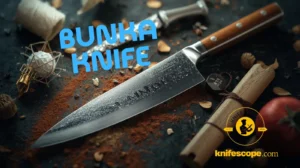
Enso HD 7″ VG10 Bunka stands out as the best Japanese Bunka knife for value and edge retention.
You’re prepping a weeknight dinner and need a single knife that handles veg, fish, and precise work with equal skill. A well-made bunka cuts clean, trims bones, and dices herbs without swapping tools. I’ve used dozens of Japanese knives in home and pro kitchens; the right bunka saves time, reduces waste, and improves texture in every dish
.products-container { flex: 1; min-width: 300px; font-family: -apple-system, BlinkMacSystemFont, ‘Segoe UI’, Roboto, Oxygen, Ubuntu, Cantarell, sans-serif; } .product-card { background: #fff; border-radius: 20px; padding: 20px; margin-bottom: 25px; border: 1px solid #e2e8f0; box-shadow: 0 4px 12px rgba(0, 0, 0, 0.05); transition: transform 0.2s ease, box-shadow 0.2s ease; } .product-card:hover { transform: translateY(-2px); box-shadow: 0 8px 25px rgba(0, 0, 0, 0.1); } .product-content { display: flex; align-items: flex-start; gap: 25px; flex-wrap: wrap; } .product-image { flex: 0 0 200px; } .product-image img { width: 100%; height: 180px; object-fit: cover; border-radius: 12px; border: 2px solid #f1f5f9; transition: transform 0.2s ease; } .product-image img:hover { transform: scale(1.02); } .product-details { flex: 1; min-width: 300px; } .product-header { display: flex; align-items: center; gap: 15px; margin-bottom: 15px; } .product-rank { padding: 8px 16px; background: #0ea5e9; color: #fff; display: flex; align-items: center; justify-content: center; border-radius: 10px; font-weight: 800; font-size: 18px; min-width: 40px; } .product-badge { color: #fff; padding: 8px 16px; border-radius: 20px; font-size: 12px; font-weight: 700; text-transform: uppercase; letter-spacing: 0.5px; } .product-title { color: #1e293b; font-size: 1.4rem; font-weight: 700; margin: 0 0 12px 0; line-height: 1.3; } .product-description { color: #64748b; font-size: 1rem; line-height: 1.6; margin: 0 0 20px 0; } .product-features { display: flex; gap: 12px; margin-bottom: 25px; flex-wrap: wrap; } .product-feature { padding: 8px 14px; border-radius: 8px; font-size: 0.85rem; font-weight: 600; border: 1px solid; } .cta-button { display: inline-flex; align-items: center; gap: 8px; background: #fd6305; color: #fff; padding: 12px 24px; text-decoration: none !important; border-radius: 12px; font-weight: 700; font-size: 1rem; transition: all 0.3s ease; border: none; cursor: pointer; } .cta-button:hover { background: #ea580c; transform: translateY(-2px); box-shadow: 0 4px 12px rgba(253, 99, 5, 0.3); } @media (max-width: 768px) { .product-content { flex-direction: column; gap: 20px; } .product-image { flex: 0 0 auto; width: 100%; max-width: 300px; margin: 0 auto; } .product-details { min-width: auto; } .product-header { justify-content: center; } .product-title { font-size: 1.2rem; text-align: center; } .product-features { justify-content: center; } }
TOP PICK
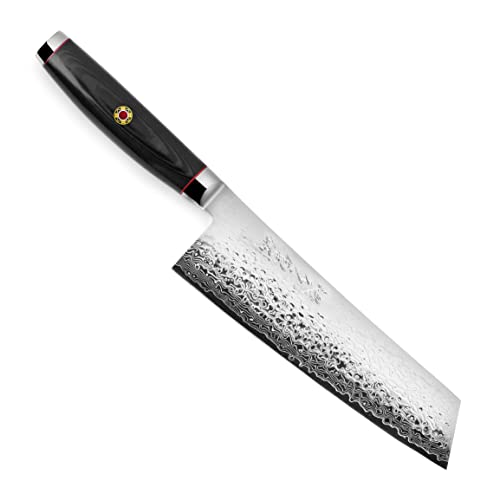
Enso HD 7″ Bunka Knife…
Crafted of premium Japanese VG10 37-layer stainless steel for excellent edge retention; features a stunning hammered (tsuchime) finish Rockwell Hardness 61°; blades are hand-ground to approximately 12° Double-bevel edge for…
BEST QUALITY
Enso SG2 Bunka Knife -…
Constructed of Japanese SG2 Micro Carbide powder stainless steel, Japanese kanji is hand engraved on the blade; 63 Rockwell Hardness 101 layer stainless steel Damascus construction with SG2 steel core;…
RECOMMENDED
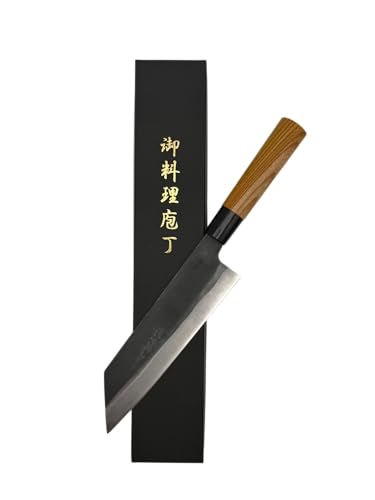
YOSHIDAHAMONO Aogami Bunka Keyaki Knife…
⚙️ Forged for Everyday Precision: Made in Japan with Aogami #2 high-carbon steel, this Bunka delivers the sharpness, balance, and edge retention serious cooks demand — at a price that…
Enso HD 7″ Bunka
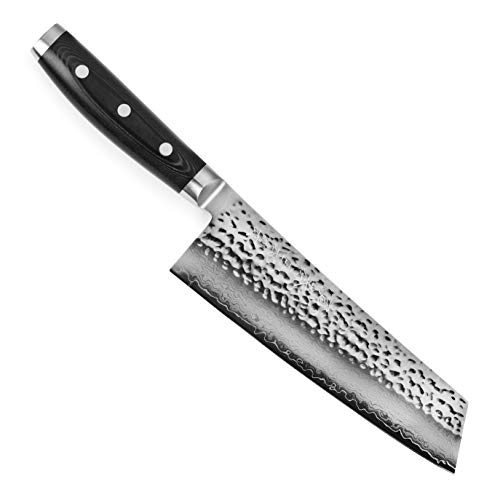
I use the Enso HD 7″ Bunka regularly at home. The VG10 core gives a keen edge and good corrosion resistance. The hammered Damascus finish reduces drag when slicing moist ingredients. The balance feels natural for me when doing fine slicing and utility tasks.
Fit and finish are solid for its price bracket. The handle is comfortable for long prep sessions. I found the factory edge sharp enough to work with immediately and easy to maintain. This knife handles vegetables and fish with surgical precision while still standing up to everyday chopping.
Pros:
- VG10 core for consistent edge retention
- Hammered Damascus reduces food stick
- Versatile 7″ length for home cooks
- Comfortable handle for long use
- Good value vs performance
- Ready-to-use factory edge
Cons:
- Slightly heavier than traditional bunka
- Not full-carbon; less patina character
- Requires proper sharpening tools
My Recommendation
This Enso HD 7″ Bunka is best for cooks who want the best japanese bunka knife feel without a premium price tag. I recommend it to home chefs who need one reliable blade for almost everything. It blends modern steel benefits with Japanese geometry.
| Best for | Why |
|---|---|
| Home cooks | Balanced length and ease of use |
| Seafood prep | VG10 edge holds for filleting and slicing |
| Everyday utility | Versatile tip and flat belly for multiple cuts |
Enso SG2 7″ Bunka

The Enso SG2 Bunka uses SG2 powder steel wrapped in 101-layer Damascus. I noticed a sterile sharpness out of the box and excellent edge life. The blade’s thin profile glides through tomatoes and sashimi. It performs better than most mid-range stainless offerings.
Construction is refined and feels premium in hand. The Damascus finish looks elegant and helps release juice while cutting. This bunka is a fine step up for cooks ready to invest in sharper, longer-lasting performance. Maintenance is straightforward with proper stones and stropping.
Pros:
- SG2 powder core for superior edge retention
- 101-layer Damascus for beauty and stick resistance
- Thin, precise cutting profile
- Excellent for fine slicing and prep
- Premium feel and finish
- Out-of-box sharpness
Cons:
- Higher price than entry models
- Requires careful sharpening technique
- Slightly fragile tip if misused
My Recommendation
If you want the best japanese bunka knife performance without artisan pricing, this Enso SG2 is excellent. I recommend it for enthusiasts and pros who want a clean, long-lasting edge. It’s ideal for delicate tasks, sashimi, and precision veg work.
| Best for | Why |
|---|---|
| Serious home cooks | Long edge life from SG2 steel |
| Sushi and sashimi | Thin profile excels at slices |
| Gift buyers | Impressive finish and presentation |
Yoshidahamono Aogami Bunka

The YOSHIDAHAMONO Aogami Bunka uses Aogami #2 steel hardened to HRC 66–67. I find it astonishing for edge retention and sharpness. The double-edged 190mm blade slices with surgical precision. The zelkova wood handle adds a classic touch and balanced grip.
This model suits users who appreciate carbon steel performance. I noted quick cutting with minimal drag and easy polishing to a razor finish. It needs careful drying and light oiling to prevent patina, but the cutting payoff is worth the extra care.
Pros:
- Aogami #2 for razor edge potential
- Double-edged for ambidextrous use
- Zelkova handle feels premium
- Excellent for precise work
- Made in Japan craftsmanship
- Great value among blue-steel blades
Cons:
- Carbon steel requires care to prevent rust
- May be too hard for novice sharpening
- Patina development may worry some users
My Recommendation
I recommend this model when you want the best japanese bunka knife feel with classic carbon-steel performance. I use it for tasks that demand a razor edge. It’s best for cooks comfortable with simple upkeep and regular honing.
| Best for | Why |
|---|---|
| Experienced sharpeners | Aogami #2 takes an exceptional edge |
| Sous-vide finishing | Thin slices and fine trimming |
| Traditionalists | Classic wood handle and carbon blade |
MIYABI Mizu SG2 6.5″

MIYABI’s Mizu SG2 6.5″ is a compact bunka with a strong reputation. The SG2 core, combined with Miyabi’s polishing, gives outstanding edge sharpness and durability. The shorter blade is nimble for tabletop work and fine vegetable cuts. The aesthetics are classic and refined.
I rely on this for precision tasks where a long blade feels awkward. The 6.5″ length offers balance between control and reach. Care is simple; maintain with light stones. I appreciate how it handles herbs, shallots, and presentation slicing.
Pros:
- Compact size for control
- SG2 core for long edge life
- Polished finish for easy release
- Excellent for delicate tasks
- Beautiful Japanese finishing
- Great balance in hand
Cons:
- Shorter blade limits long cuts
- Premium price for smaller size
- Requires honing to maintain peak edge
My Recommendation
This Miyabi Mizu SG2 is my pick when you want the best japanese bunka knife in a compact form. I recommend it for chefs who value control and fine slicing. It’s perfect for prep work, delicate proteins, and precision plating.
| Best for | Why |
|---|---|
| Precision cooks | Short blade offers superb control |
| Small kitchens | Maneuvers easily in tight spaces |
| Plating | Delivers thin, clean slices |
MIYABI Kaizen II 6.5″

MIYABI Kaizen II combines traditional Japanese geometry with modern stainless cores. I noticed a razor-sharp edge and a blade profile that favors smooth slicing. The 6.5″ bunka is forgiving yet precise. It feels lively during long prep sessions.
The Kaizen II is practical and durable for home kitchens. I find maintenance straightforward and performance consistent. It’s a smart upgrade for cooks seeking refined edge performance and corrosion resistance. The knife handles everyday kitchen stress well.
Pros:
- High polish for smooth cutting
- Corrosion resistant stainless core
- Balanced for extended use
- Sharp out of the box
- Nice fit-and-finish typical of Miyabi
- Great for everyday prep
Cons:
- Pricey compared to basic models
- 6.5″ might be small for heavy butchers
- Edge refinements require stones
My Recommendation
I recommend the Miyabi Kaizen II if you want the best japanese bunka knife with low-maintenance metal and fine slicing. I use this when I need a reliable, corrosion-resistant blade that still cuts like a razor. It’s ideal for cooks who want everyday luxury.
| Best for | Why |
|---|---|
| Everyday chefs | Durable stainless and sharpness |
| Busy kitchens | Holds edge and resists staining |
| Gift buyers | Premium look and feel |
Misen 6″ Bunka

Misen’s 6″ Bunka uses AICHI ACUTO440 high-carbon stainless. I like its ergonomic handle and triangular tip. It’s versatile and rust-proof in normal kitchen conditions. The compact size is great for prep and small cutting tasks.
I found it comfortable for long sessions and reliable on day-to-day chores. Edge retention is solid for home use. It cuts vegetables, trims proteins, and handles delicate jobs well. The aesthetic blue handle is a fun touch without compromising grip.
Pros:
- Rust-resistant ACUTO440 stainless
- Ergonomic handle for comfort
- Compact size excels at small tasks
- Good value for casual cooks
- Versatile tip for precise cuts
- Colorful design option
Cons:
- Edge doesn’t match premium steels
- Not ideal for heavy chopping
- Handle color may not suit all kitchens
My Recommendation
I recommend the Misen 6″ Bunka if you want the best japanese bunka knife that’s easy to live with and low maintenance. I use it as my go-to for quick prep and small kitchens. It’s perfect for cooks who choose convenience and function.
| Best for | Why |
|---|---|
| Casual cooks | Low maintenance stainless |
| Small prep tasks | Compact and agile blade |
| Stylish kitchens | Color options add personality |
Epokishi 7″ Bunka
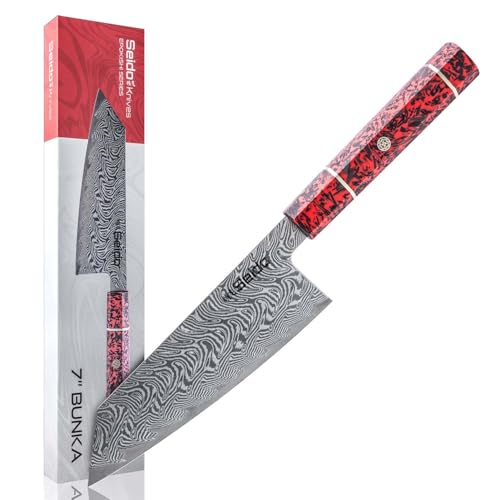
The Epokishi 7″ Bunka has an AUS-10 core and 67 layers of Damascus. I find the blade both striking and functional. The red resin and carbon fiber handle adds flair and balance. It delivers crisp slices and holds a strong edge.
This knife blends aesthetics with good steel performance. I use it when presentation matters. The layered Damascus reduces food drag. With proper stropping, the AUS-10 edge keeps working through long prep sessions.
Pros:
- Attractive 67-layer Damascus
- AUS-10 core for good toughness
- Balanced red resin/carbon handle
- Excellent out-of-box sharpness
- Great for plates and presentation
- Durable construction
Cons:
- Decorative handle may not be everyone’s taste
- Edge tools needed for long-term maintenance
- Not full-san mai high-end steel
My Recommendation
I recommend the Epokishi 7″ Bunka to cooks who want the best japanese bunka knife that also makes a statement. I reach for it when I want performance and showmanship. It’s ideal for hosts and food photographers who need both looks and function.
| Best for | Why |
|---|---|
| Home entertainers | Looks great on the counter and cuts well |
| Plating artists | Damascus releases food cleanly |
| Gift buyers | Presentation and utility combined |
YOUSUNLONG 7″ Bunka

YOUSUNLONG’s 7″ Bunka is handmade with CuMai copper Damascus. I noticed a fine, sharp edge and elegant wooden burl handle. The blade feels robust and slices cleanly. It ships with a leather and wood box, which makes a great presentation piece.
Performance is strong for a handmade mid-tier knife. I appreciate the razor-sharp edge and balanced weight. It’s versatile for vegetables, meats, and presentation. Care is typical for high-carbon Damascus-style blades, with light oiling recommended.
Pros:
- Handmade CuMai copper Damascus pattern
- Razor-sharp edge for clean slices
- Natural burl handle looks and feels premium
- Includes wooden and leather storage box
- Versatile 7″ length
- Great gift presentation
Cons:
- May require initial sharpening refinement
- Damascus finish needs care to avoid corrosion
- Handle finish may wear without care
My Recommendation
I recommend the YOUSUNLONG 7″ Bunka when you want a handmade, eye-catching option among the best japanese bunka knife picks. I find it great for special meals and gifting. It suits cooks who value both craft and cutting performance.
| Best for | Why |
|---|---|
| Gift recipients | Beautiful box and handmade finish |
| Craft lovers | Unique Damascus and wood handle |
| General prep | Sharp and versatile 7″ blade |
Spyderco Minarai Bunka

The Spyderco Minarai Bunka brings tool-grade steel to the kitchen: CTS BD1N Super Blue stainless. I found the edge retention outstanding and the handle modern and ergonomic. The long 7.83″ blade gives reach for larger cuts and big prep days. Performance is professional-level.
This knife is made for cooks who demand a hard-wearing edge and corrosion resistance. I used it on dense winter squash and it still sliced thin ribbons. The polypropylene handle is durable and easy to clean. It’s a practical pro-grade bunka with modern materials.
Pros:
- CTS BD1N Super Blue: extreme edge retention
- Large cutting length for big prep
- Durable polypropylene handle
- Consistent factory sharpness
- Great on hard vegetables and proteins
- Modern, rugged build
Cons:
- Less traditional Japanese look
- Super hard steel needs correct stones
- May feel large for small kitchens
My Recommendation
I recommend the Spyderco Minarai Bunka to cooks who want the best japanese bunka knife with pro-grade steel and durability. I use it when I need relentless edge life. It’s best for heavy prep and serious home chefs who don’t mind modern styling.
| Best for | Why |
|---|---|
| Professional cooks | Pro-grade steel stands up to heavy use |
| Large batch prep | Long blade handles big volumes |
| Durability seekers | Hard-wearing handle and steel |
Forge To Table 7″ Bunka

Forge To Table’s 7″ Bunka uses san mai VG10 with a rosewood handle. I appreciate the san mai construction for edge stability with a protective outer layer. The rosewood handle fits comfortably in my hand. The blade is capable on veg, fish, and general butchery.
It works hard and stays in shape with standard honing. I use it when I want a trusted, sturdy bunka that’s comfortable for extended prep. The construction feels classic and solid. It’s a dependable choice for home chefs who favor a traditional feel.
Pros:
- San mai VG10 core for reliable edges
- Rosewood handle offers tradition and warmth
- Durable construction and balance
- Good all-around utility blade
- Comfortable for long sessions
- Solid value for san mai craft
Cons:
- Wood handle needs care to avoid cracking
- Heavier than some modern designs
- Not a super-thin slicing profile
My Recommendation
Choose the Forge To Table 7″ Bunka when you want the best japanese bunka knife with classic construction and robust feel. I reach for it when durability and comfort matter. It’s ideal for cooks who prefer traditional blades and wood handles.
| Best for | Why |
|---|---|
| Traditionalists | San mai build and rosewood handle |
| Heavy prep | Sturdy construction for tough tasks |
| Everyday users | Comfortable for long use |
MIYABI Mizu SG2 6.5″ (Alternate)
This listing mirrors the MIYABI Mizu SG2 model and confirms its popularity. I see it as a compact high-performance bunka. The SG2 core is reliable and keeps a fine edge. It thrives in home and pro use where precision matters.
When I want an agile best japanese bunka knife, I pick this size. It performs brilliantly for tiny finicky tasks. The fit-and-finish stands up to inspection. If you like the SG2 profile, this small format is hard to beat.
Pros:
- Compact and precise
- SG2 edge life and sharpness
- Excellent finish and feel
- Perfect for small prep tasks
- Reliable out-of-box edge
- Professional-level performance
Cons:
- Limited reach for large roasts
- Premium cost per inch
- Requires careful honing
My Recommendation
I recommend this MIYABI variant if you want the best japanese bunka knife in a compact format. I use it for herbs, garnishes, and plating. It’s ideal for precision-focused cooks who prize control over blade length.
| Best for | Why |
|---|---|
| Garnish chefs | Short blade allows fine control |
| Home sushi makers | Slices sashimi cleanly |
| Small kitchens | Easy storage and use |
Enso SG2 Bunka (Alternate)
This alternate listing reiterates the strong performance of the Enso SG2 7″ bunka. I value the SG2 core for long service life and clean slices. The 101-layer Damascus is not just for looks; it helps food release. The knife is built for cooks who expect precision daily.
I often recommend this model as the best japanese bunka knife for intermediate chefs. It bridges price and elite performance well. The blade demands respect but rewards with make-every-cut-better results. With practice, sharpening keeps it superb.
Pros:
- Long edge life from SG2
- Damascus pattern aids release
- Refined edge geometry
- Professional slicing performance
- Good value for steel quality
- Premium presentation
Cons:
- Requires skill to sharpen optimally
- Higher initial cost
- Fragile tip for misuse
My Recommendation
I recommend this Enso SG2 variant when you want the best japanese bunka knife with notable longevity and finesse. I advise it for those moving from casual to serious home cooking. It’s a solid investment in kitchen performance.
| Best for | Why |
|---|---|
| Advancing cooks | High-performance steel improves technique |
| Sushi prep | Thin slicing excels with SG2 |
| Presentation plating | Damascus finish looks refined |
YOSHIDAHAMONO Bunka (Alt)
This alternate YOSHIDAHAMONO listing highlights the Aogami #2 carbon steel option again. I consider Aogami #2 one of the best steels for a razor edge when cared for properly. The zelkova handle provides a comfortable and classic grip. The double-edged grind is forgiving and precise.
I recommend this for cooks who appreciate high-hardness carbon blades. I use it for intense fine work, like delicate trimming and paper-thin slices. If you want the best japanese bunka knife with old-school character, this is a top candidate.
Pros:
- Exceptionally hard Aogami #2 core
- Double bevel for ambidextrous use
- Traditional zelkova handle
- Lightweight and nimble blade
- Perfect for refined prep tasks
- Made in Japan quality
Cons:
- Rust-prone if not maintained
- Hardness can be challenging to sharpen
- Not ideal for heavy prying
My Recommendation
I suggest this YOSHIDAHAMONO Aogami Bunka if you seek the best japanese bunka knife with true carbon-steel performance and traditional charm. I reach for it when edge precision matters most. It’s best for cooks ready to invest time in maintenance.
| Best for | Why |
|---|---|
| Carbon steel fans | Unmatched sharpness potential |
| Ambidextrous users | Double-edged grind |
| Fine trimming | Thin, accurate cuts |
FAQs Of best japanese bunka knife
What is a bunka knife best used for?
A bunka is a multipurpose Japanese knife. It excels at vegetable prep, trimming protein, and fine slicing. The triangular tip helps precise cuts and puncturing. I use it as a do-it-all blade in the kitchen.
How do I sharpen a bunka?
I sharpen bunka knives with water stones. Start with coarse grit, progress to finer stones, and finish with a stropping session. Maintain the original bevel angle for best results. Hard steels like SG2 need patience and proper stones.
Should I choose carbon or stainless bunka?
Carbon steel (Aogami) gives the sharpest edges but needs care to avoid rust. Stainless (VG10, SG2 san mai, AUS-10) resists corrosion and is lower maintenance. I pick carbon for razor work and stainless for busy kitchens where ease is key.
What length bunka should I buy?
Common lengths are 6–7.5 inches. I prefer 6.5–7″ for a balance of control and reach. Choose shorter if you do delicate work and longer if you prepare large produce or bigger proteins.
How do I store and care for the best japanese bunka knife?
Store a bunka in a block, magnetic strip, or sheath to protect the edge. Dry it after washing and oil carbon blades lightly. Regular honing keeps the edge and reduces the need for major sharpening.
Final Verdict: Which Should You Buy?
For most home cooks, the Enso HD 7″ VG10 bunka delivers the best balance of sharpness, durability, and price. It combines Japanese geometry with user-friendly maintenance and versatile performance.
If you want the absolute best japanese bunka knife edge life and are willing to invest, the Enso SG2 or Miyabi SG2 models are top choices. They offer pro-level sharpness and long-lasting performance.

Maliha Akter is a kitchen knife reviewer and food preparation specialist with over 6 years of experience testing Japanese kitchen knives and everyday cooking tools. She focuses on performance, safety, durability, and real-world usability to help home cooks choose the right knives for efficient and enjoyable cooking.
Expertise:Japanese Knives • Vegetable Knives • Product Reviews • Kitchen Efficiency • Knife Care