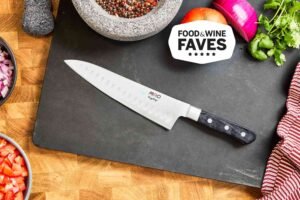
A 8-inch stainless steel chef's knife with a comfortable handle is best for beginners.
I have spent years testing kitchen knives in home and pro kitchens. This best knife for beginners guide will walk you through clear choices. You will learn which knife fits your hands, your budget, and your cooking style. Read on to get confident and safe with one of the most useful tools in your kitchen.

Why the right knife matters
Choosing the right blade makes cooking faster and safer. This best knife for beginners guide focuses on ease of use and low learning curves. A well-chosen knife reduces mistakes and food waste. It also makes everyday meals feel easier and more fun.

Types of knives suitable for beginners
Pick one or two core knives first. This best knife for beginners guide recommends starting small and practical.
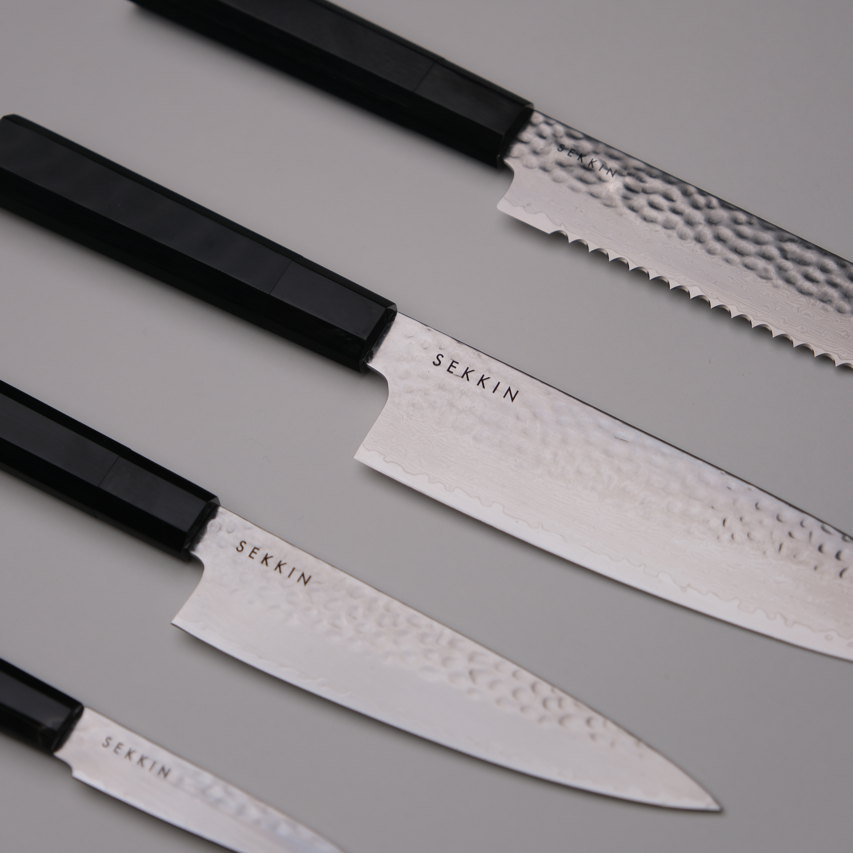
- Chef's knife — A multiuse 8-inch blade for chopping, slicing, and dicing. Best first purchase for most people.
- Santoku — A slightly shorter blade with a flatter profile for quick chopping and scooping.
- Paring knife — Small and precise for peeling and small tasks.
- Utility knife — Mid-size, handy for sandwiches and trimming.
- Bread knife — Serrated blade for bread and soft-skinned foods.
Start with a chef's knife and a paring knife. Later add a serrated blade if you bake bread.

How to choose the best knife for beginners guide: step-by-step
Use these steps to find a reliable first knife. This best knife for beginners guide gives a practical path.
- Decide blade length.
8 inches suits most cooks. Smaller hands may prefer 6 to 7 inches. - Check blade material.
Stainless steel resists rust and low upkeep. High-carbon steel holds an edge longer but needs care. - Feel the handle.
Choose a handle that fits your grip. A secure grip reduces slips. - Look for full tang construction.
A full tang adds balance and durability. - Balance and weight.
A balanced knife feels neutral on your hand. Heavier blades cut through dense foods easily. - Test the tip and spine.
A sharp tip is needed for precision work. A stout spine stands up to hard cuts.
This best knife for beginners guide suggests trying knives in person when you can. If shopping online, read hands-on reviews and return policies.
People also ask
How do I know the right knife length?
Most home cooks find an 8-inch chef's knife a great all-rounder. Shorter blades suit small hands and tight spaces.
Is stainless or carbon steel better for beginners?
Stainless steel is easier to keep clean and resists rust. Carbon steel sharpens well but needs more care.
Do beginners need a knife set?
A set can be tempting but often includes unnecessary tools. Buy core knives first for better value.
Key features to look for
When you compare knives, watch for these attributes. This best knife for beginners guide highlights what matters most.
- Blade shape — Look for a curved belly for rocking cuts or a flatter profile for chopping.
- Edge type — A straight edge is the most versatile. A finer edge cuts clean but may need more care.
- Handle material — Wood looks nice but can absorb moisture. Synthetic handles resist water.
- Fit and finish — No gaps between handle and blade. Smooth edges on the handle prevent blisters.
- Manufacturer support — Warranties and sharpening services add long-term value.
Prioritize comfort and safety over brand names. A mid-range knife with good balance beats a flashy, poor-fitting blade.

Maintenance and care basics
A good knife lasts years if you care for it. This best knife for beginners guide covers simple, daily steps.
- Hone regularly — Use a honing rod often to realign the edge. This keeps the blade performing.
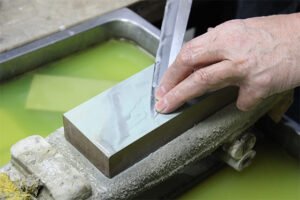
- Sharpen as needed — Use a whetstone or a professional service when the edge dulls. Dull knives are more dangerous.
- Hand wash only — Avoid dishwashers to prevent wear and warping.
- Dry and store safely — Use a knife block, magnetic strip, or blade guards to protect the edge.
From my experience, a quick five-minute sharpening every few months keeps a knife like new. Neglect leads to uneven cuts and more accidents.

Safety and handling basics
Safe handling matters more than a sharp edge. This best knife for beginners guide teaches core habits.
- Use a stable cutting board — Wood or composite boards are best for blade care.
- Grip the knife correctly — Pinch the blade between thumb and forefinger for better control.
- Use a claw on the other hand — Tuck fingertips to avoid cuts.
- Cut away from your body — Move the blade downward and outward in slices.
- Keep knives visible and accessible — Avoid loose storage that hides blades.
I learned early to slow down when learning new cuts. Speed comes with skill, not urgency. That change reduced my slips and nicks.

Personal testing, favorites, and real-world lessons
I tested dozens of blades at home and in busy kitchens. This best knife for beginners guide reflects that hands-on work.
My top beginner pick is a balanced 8-inch stainless chef's knife with a riveted handle. It held up under heavy use and was easy to sharpen. I also liked a lightweight 7-inch santoku for fast prep tasks. Cheaper knock-offs often had poor balance or rough handles. Mid-range knives hit the sweet spot for value and performance.
Lessons learned
- Try before you buy when possible. A knife that feels good will get used more.
- Avoid very cheap blades. They dull fast and can frustrate beginners.
- Invest in a good honing rod first. It extends edge life and improves safety.

Source: bladehq.com
Buying checklist
Use this checklist to finalize your purchase. This best knife for beginners guide keeps buying simple.
- Blade length: 6 to 8 inches for general use.
- Blade material: stainless for low care, high-carbon for edge retention.
- Handle feel: secure, no slip, fits your hand.
- Tang: full tang preferred for balance.
- Return policy: at least 30 days to test at home.
- Budget: mid-range price for best mix of quality and durability.
Buy one good chef's knife and a paring knife to start. Add more tools as your skills grow.
Frequently Asked Questions
What is the best size knife for a beginner?
An 8-inch chef's knife is ideal for most beginners. It is versatile for chopping, slicing, and dicing.
Can I learn with a cheaper knife?
Yes, you can learn with a cheaper knife, but a mid-range knife improves control and safety. Very cheap knives dull fast and can slow your learning.
How often should I sharpen my knife?
Sharpen when honing no longer restores the edge, typically every few months for home cooks. Frequency depends on use and blade type.
Are serrated knives necessary for beginners?
Serrated knives are useful for bread and tomatoes, but not required at first. A good chef's knife handles many tasks.
Should beginners buy a knife set or singles?
Buy singles to start. Focus on a quality chef's knife and a paring knife. Sets often include tools you may not need.
Conclusion
A smart first knife choice makes cooking easier and safer. Use this best knife for beginners guide to pick a balanced, comfortable 8-inch stainless chef's knife and add a paring knife. Practice safe grips and basic maintenance to keep the blade sharp and reliable. Now pick a knife that fits your hand, try it at home, and enjoy cooking more. Share your experiences or questions below and subscribe for more practical guides.
Maliha Akter is a kitchen knife reviewer and food preparation specialist with over 6 years of experience testing Japanese kitchen knives and everyday cooking tools. She focuses on performance, safety, durability, and real-world usability to help home cooks choose the right knives for efficient and enjoyable cooking.
Expertise:Japanese Knives • Vegetable Knives • Product Reviews • Kitchen Efficiency • Knife Care