Use a medium-grit whetstone, keep a steady 15–20° angle per side, and practice consistent strokes.
I have sharpened dozens of kitchen, pocket, and chef knives over many years, and I’ll walk you through the proven methods and tools so you can pick the best way to sharpen a knife for your needs. This guide blends hands-on tips, clear steps, and real-life lessons to help you sharpen safely, quickly, and with lasting results.
Why sharpening well matters
A sharp blade is safer, faster, and more precise. Dull knives slip and require more force, which increases the risk of cuts and ruined food. Learning the best way to sharpen a knife saves time and money by extending blade life and improving kitchen results.
Sharp knives cut cleanly. Clean cuts preserve texture and flavor in food. If you care about cooking, woodworking, or simple daily tasks, mastering the best way to sharpen a knife is worth the effort.

Understanding sharpening versus honing
Sharpening removes metal to reshape the edge. Honing re-aligns the edge without removing much metal. Both have roles: sharpening restores an edge, and honing keeps it straight between sharpenings.
People often confuse the two. If a knife won’t cut paper, it needs sharpening. If it just feels slightly off, a few strokes with a honing rod can help.
:max_bytes(150000):strip_icc()/how-to-sharpen-knife-with-whetstone-995817_FINAL-5c3facdec9e77c00019976bf.png "Best Way To Sharpen A Knife: Easy Pro Techniques 3")
How often should I sharpen vs hone?
Sharpen as needed based on use. Hone weekly for kitchen knives with regular use.
What is a burr and why does it matter?
A burr is a tiny ridge of metal formed when an edge is ground. Feeling a burr confirms you’ve reached the edge and can flip to the other side.
Tools and options for the best way to sharpen a knife
Choose a tool that matches your skill, blade type, and budget. Common options include:
- Whetstones
- Versatile and precise. Use water or oil as recommended.
- Diamond stones
- Fast cutting and long-lasting. Great for very hard steels.
- Ceramic stones
- Fine finishing stones for polishing.
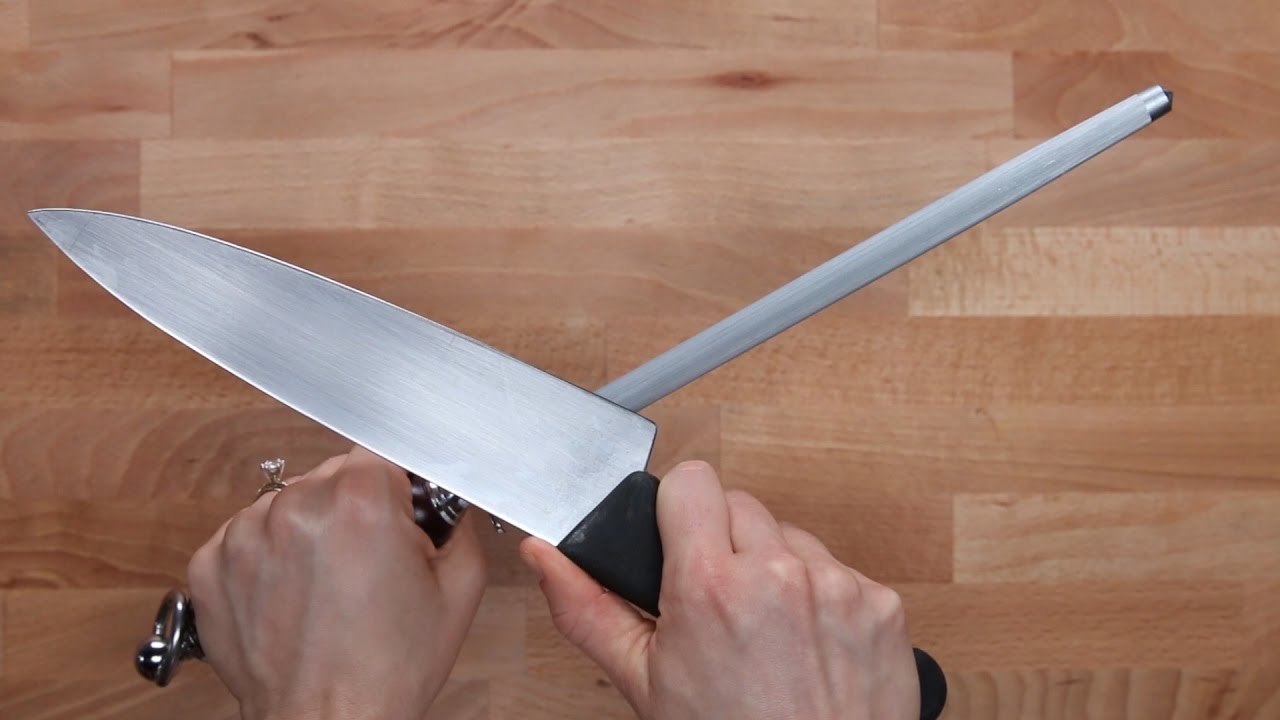
- Sharpening rods (honing rods)
- For alignment, not heavy metal removal.
- Guided systems
- Angle control for consistent edges and beginner-friendly.
- Electric sharpeners
- Fast and easy but can remove more metal and overheat edges.
- Leather strops
- Final polish and burr removal for razor-sharp finishes.
Each tool can be the best way to sharpen a knife in certain situations. A whetstone is my go-to for control and edge quality. Guided systems and electric sharpeners are better if you value speed and repeatability.

Step-by-step: the best way to sharpen a knife using a whetstone
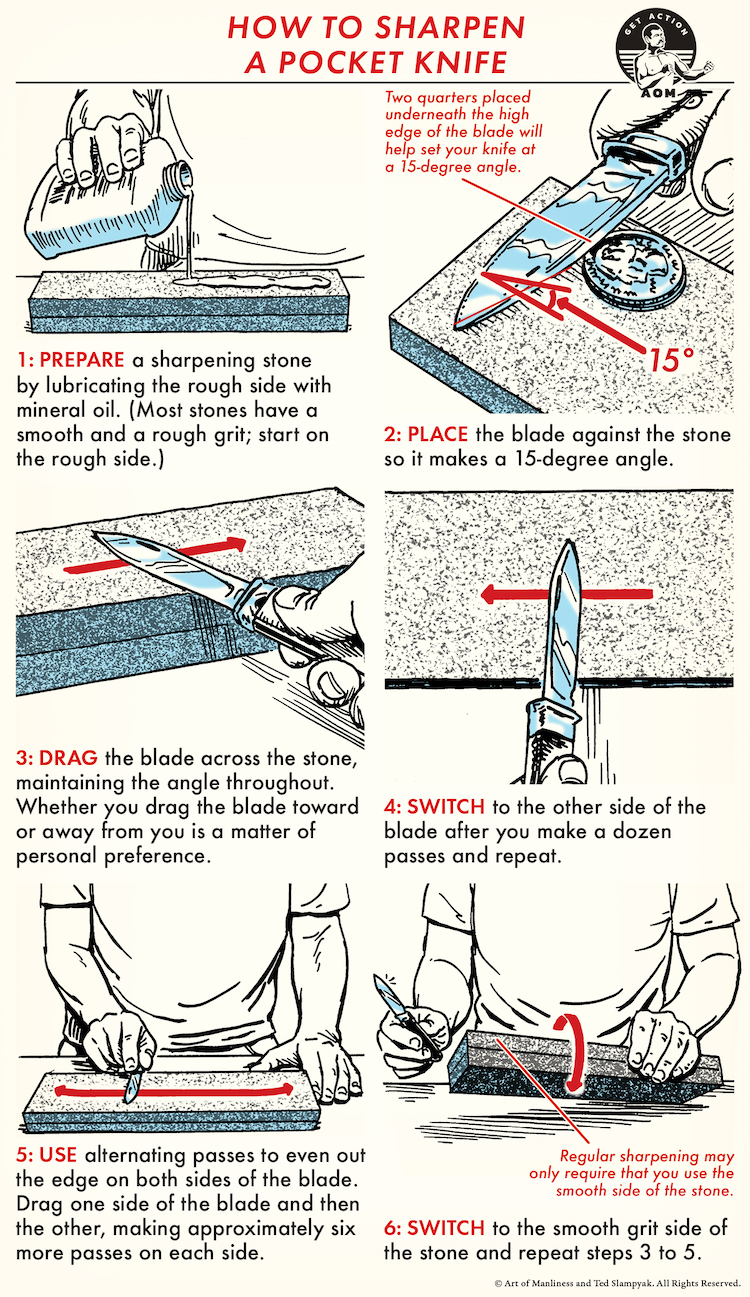
A whetstone gives the best control and durability when done right. Follow these steps:
- Prepare the stone
- Soak a water stone for 5–10 minutes or wet a splash-and-go stone. Secure the stone on a non-slip mat.
- Set the angle
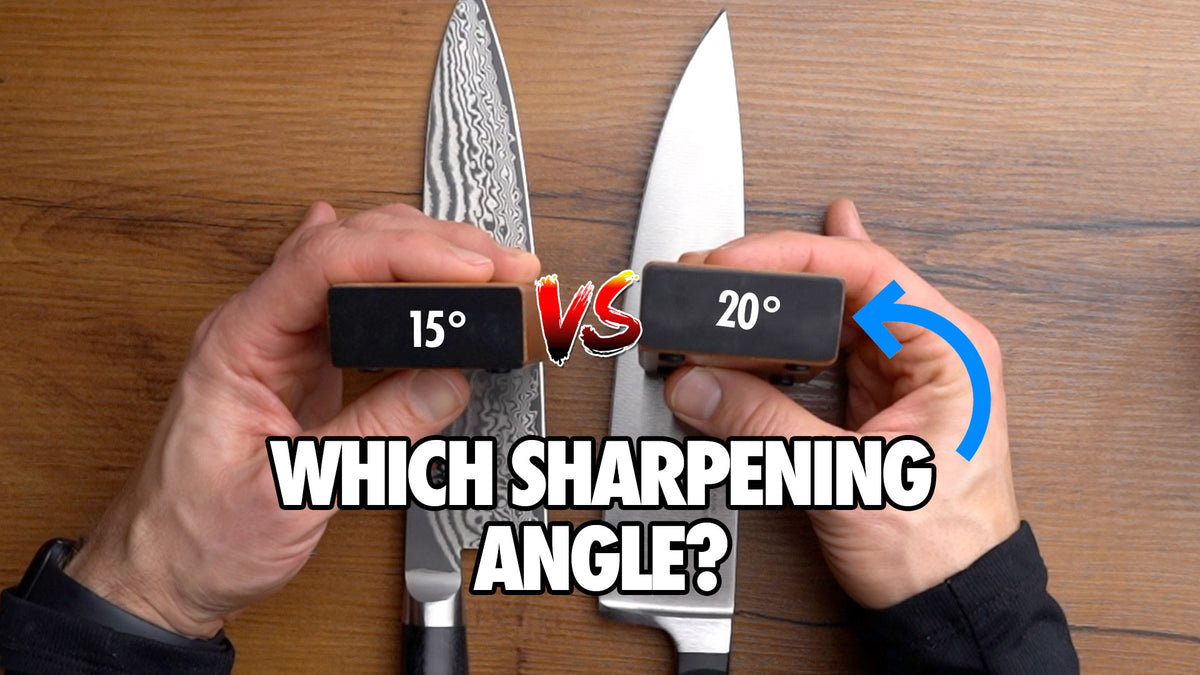
- Hold the blade at 15–20° for most kitchen knives. Use 20–25° for heavy or outdoor blades.
- Start with the coarser grit
- Use 400–800 grit to reshape a dull edge. Push the blade gently away or toward you, maintaining angle.
- Create a burr
- After several passes, test for a burr by lightly feeling the opposite side. A burr shows you reached the edge.
- Flip and repeat
- Sharpen the other side until a burr forms there too.
- Progress to finer grits
- Move to 1000–3000 grit for refinement, then 4000–8000 grit for a polished edge.
- Remove the burr and strop
- Use light strokes on a leather strop to polish and remove any remaining burr.
- Clean and test
- Rinse the blade and test on paper or a tomato to assess the edge.
Consistent pressure and angle beat speed every time. If you rush, you grind unevenly. The best way to sharpen a knife is patient practice and steady strokes.

Angle, grit, and timing explained
Angle controls sharpness and edge strength. Lower angles (12–15°) yield a keen edge but are more fragile. Higher angles (20–25°) are tougher for heavy cutting and outdoor use.
Grit decides how much metal you remove. Coarse grits reshape. Medium grits refinish. Fine grits polish. Time per side varies: 10–30 strokes at coarse grit, then fewer as grit gets finer. Watch for the burr to know when to stop.
Maintenance and care to keep edges sharp longer
Care extends edge life and reduces how often you need the best way to sharpen a knife. Simple habits help:
- Hone regularly
- A quick few rod strokes before use helps maintain alignment.
- Strop after sharpening
- Stropping polishes the edge and removes the final burr.
- Clean and dry blades
- Prevent rust and corrosion, which dull edges faster.
- Use proper cutting surfaces
- Soft boards like wood or plastic protect edges; glass or stone will dull them quickly.
- Store safely
- Use sheaths, blocks, or magnetic strips to avoid contact with other metal.
With good care, sharpening frequency drops and the best way to sharpen a knife becomes a periodic tune-up rather than a chore.
Safety and common mistakes to avoid
Safety first. Keep fingers clear of the cutting edge, and place a towel under your stone to stop slips. Work slowly and use clamps or a stone holder if you’re nervous.
Avoid these mistakes:
- Rushing and applying uneven pressure
- Using only a coarse grit every time
- Holding the wrong angle consistently
- Skipping stropping or burr removal
These errors cost you edge quality and blade life. The best way to sharpen a knife is also the safest way: controlled, steady, and informed.

My experience: lessons, mistakes, and practical tips
I sharpened my first knife with an electric sharpener and ruined the geometry on an old chef’s knife. After switching to whetstones, my edges lasted longer and cut better. The lesson: a controlled method is more important than speed.
Practical tips I learned:
- Mark a 15° angle on a piece of tape for visual reference.
- Count strokes per side to stay consistent.
- Use a medium stone for regular maintenance and a fine stone sparingly.
These small habits turn the best way to sharpen a knife from a skill into a routine you can trust.
:max_bytes(150000):strip_icc()/winners-graphic-resized-sea-honing-steels-test-messermeister-12-1200-grit-ceramic-sharpening-rod-ashlee-redger-40-a6423424ed454c639fe82d0a40f2bacd.jpg "Best Way To Sharpen A Knife: Easy Pro Techniques 9")
Alternatives and when to choose them
Sometimes a whetstone isn’t right. Choose other methods when:
- You need speed and don’t mind removing more metal
- Use an electric sharpener carefully.
- You want repeatable angles with less learning
- Try a guided sharpening system.
- You have very hard or damaged steel
- Seek a diamond stone or professional service.
Professional services are great for complex edges, large damage, or when you want a perfect factory finish. For most home users, the whetstone remains the best way to sharpen a knife for balance of control and finish.
Frequently Asked Questions of best way to sharpen a knife
What is the simplest best way to sharpen a knife at home?
Using a medium-grit whetstone with consistent angle control is the simplest effective method at home. It balances speed, control, and edge quality.
Can I sharpen a serrated knife at home?
You can sharpen serrated knives with a tapered diamond rod sized to each serration. Work each tooth individually and maintain the original shape.
How long does sharpening take with a whetstone?
A basic tune-up on a whetstone takes 10–20 minutes per knife for most home users. Heavily damaged edges take longer.
Will electric sharpeners ruin my knives?
Electric sharpeners can remove more metal and change edge geometry if misused, but they are convenient for quick fixes. Use them cautiously and avoid frequent heavy use.
How do I know when to stop sharpening?
Stop when a consistent burr forms along the edge and finer grits remove that burr and polish the edge. Test by slicing paper or a tomato to check performance.
Is honing enough to keep knives sharp?
Honing keeps the edge aligned and helps daily performance, but honing does not replace sharpening when metal needs to be removed. Sharpen when the edge dulls significantly.
Conclusion
Sharpening well improves safety, performance, and the life of your knives. For most people, the best way to sharpen a knife is a staged approach with a whetstone, steady angle control, and finishing with a strop. Practice a few times, keep to simple steps, and your knives will thank you.
Try a small project: pick one knife, follow the whetstone steps, and test it after each stage. Share your results or questions below, subscribe for more tips, or explore guided systems if you want a quicker path to consistent edges.

Maliha Akter is a kitchen knife reviewer and food preparation specialist with over 6 years of experience testing Japanese kitchen knives and everyday cooking tools. She focuses on performance, safety, durability, and real-world usability to help home cooks choose the right knives for efficient and enjoyable cooking.
Expertise:Japanese Knives • Vegetable Knives • Product Reviews • Kitchen Efficiency • Knife Care