A boning knife guide helps you choose, use, and care for knives that remove meat cleanly.
I have worked with chefs and home cooks for years. This boning knife guide draws on hands-on experience and tested methods. Read on to learn how to pick the right blade, use it safely, and keep it sharp. You will get clear tips, step-by-step use, care advice, and buying guidance in plain language.

Why a boning knife guide matters
A boning knife guide explains why this knife is special. A boning knife has a slim blade built to separate meat from bone. This guide shows how to use that shape to save meat and speed prep.
A good guide also helps you avoid mistakes. Mistakes waste meat and dull edges. This boning knife guide gives ways to avoid both.

Types of boning knives and when to use them
A basic boning knife falls into a few types. Each type works best for certain meats.
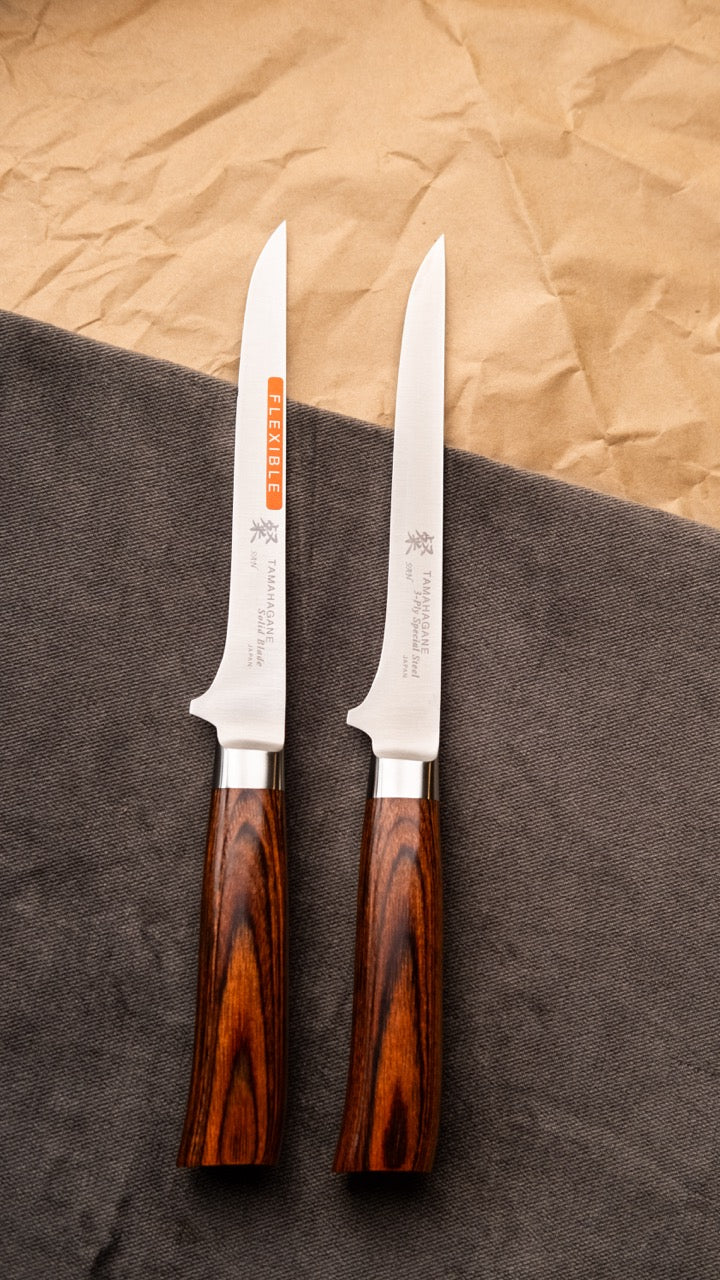
- Flexible boning knife: Best for fish and poultry. The blade bends to follow thin bones.
- Semi-flexible boning knife: Good for small game and smaller cuts of meat.
- Stiff boning knife: Ideal for beef, pork, and heavy joints. It gives power to cut through connective tissue.
- Curved or upturned tip: Helps when working around joints and cartilage.
Knowing the types helps you pick the right tool. This boning knife guide helps match knife to job.
Anatomy of a boning knife
A clear view of parts helps you choose and use one. Here are the key parts.
- Blade: Thin and narrow to slip between meat and bone.
- Tip: Sharp and often tapered for precision.
- Spine: The top edge; thicker in stiff knives.
- Tang: The metal extension into the handle. Full tang gives strength.
- Handle: Shapes vary. Look for a grip that feels steady.
Understanding parts makes shopping easier. This boning knife guide shows what to inspect.

How to choose the right boning knife
Pick a knife that suits your work and hands. Use these quick rules from the boning knife guide.
- Match flexibility to meat type. Flexible for fish and poultry. Stiff for beef and pork.
- Blade length. 5 to 7 inches covers most tasks. Short blades offer control. Long blades speed work on larger cuts.
- Steel type. High-carbon stainless holds an edge and resists rust. Look for balance.
- Handle comfort. Test the grip. A secure hold reduces slips.
- Balance and weight. The knife should feel steady. Too heavy tires your wrist.
I once tried a lightweight 5-inch flexible knife for whole salmon. It felt right. I finished the job faster and with less waste.

How to use a boning knife: step-by-step
Good technique keeps you safe and saves meat. Follow these simple steps from this boning knife guide.
- Position the meat. Keep the bone stable on the cutting board.
- Start with a small incision along the bone. Work the tip in.
- Use short strokes. Let the blade follow the bone.
- Pull the meat away with your other hand. Keep fingers clear.
- Trim excess fat and connective tissue as needed.
Practice on chicken thighs first. Your cuts will get cleaner fast.

Care, maintenance, and sharpening
A sharp boning knife is safer and cleaner to use. This boning knife guide covers basic care.
- Clean after each use. Rinse and dry by hand to protect the edge.
- Store properly. Use a sheath, knife block, or magnetic strip.
- Hone often. Use a honing rod to realign the edge before each use.
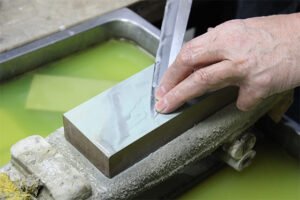
- Sharpen as needed. Use a whetstone or guided sharpener for a 15–20 degree edge. Test on paper for a quick check.
I sharpen knives on a 1000/3000 grit stone. It restores a fine edge in a few passes. Regular care keeps the blade ready.

Safety tips and best practices
The right habits reduce cuts and accidents. Follow these tips from the boning knife guide.
- Cut away from your body. Keep fingers behind the blade.
- Use a stable board. A damp towel under the board prevents slips.
- Keep the tip under control. Small taps, not forceful jabs, work best.
- Wear a cut-resistant glove on the holding hand if you are new to boning.
- Store knives safely and out of reach of children.
I once ignored a safety glove and nicked a finger. That taught me to slow down and use a guard.
Buying guide: price ranges and trusted features
You do not need to spend a fortune for a good boning knife. This boning knife guide breaks down what to expect by price.
- Budget range: $20–$50. Basic stainless steel and simple handles. Good for occasional use.
- Mid range: $50–$120. Better steel, full tang, comfortable handle. Good for home cooks.
- Pro range: $120+. High-end steels, hand-finished edges, long warranty. Ideal for regular cooks and pros.
Look for a return policy and warranty. Test feel and balance before buying if you can.

Common quick questions (PAA-style)
What is the best blade length for a boning knife?
Five to seven inches fits most tasks and offers control.
Can a boning knife be used to fillet fish?
Yes. A flexible boning knife works well for filleting small to medium fish.
How often should I sharpen a boning knife?
Hone daily if you use it often. Sharpen every few months or when you notice dullness.
Frequently Asked Questions of boning knife guide
What is a boning knife used for?
A boning knife removes meat from bone and trims connective tissue. It gives precise control around joints.
How flexible should a boning knife be?
Choose flexibility based on meat. Use flexible blades for fish and poultry. Use stiffer blades for beef and pork.
Can I use a boning knife for other tasks?
Yes, you can use it for trimming and precise cuts. It is not ideal for heavy chopping or slicing large roasts.
How do I test a boning knife's sharpness?
Slice a sheet of paper. A sharp blade cuts cleanly. If it tears, it needs sharpening.
Is stainless steel better than carbon steel?
Stainless resists rust and needs less care. Carbon steel sharpens easier and can hold a finer edge but needs more upkeep.
How should I store my boning knife?
Store in a sheath, block, or on a magnetic strip. Avoid loose drawers to protect the edge and fingers.
What angle should I sharpen a boning knife at?
Aim for 15–20 degrees per side for most boning knives. This balance gives a good mix of sharpness and durability.
Can beginners learn to boning quickly?
Yes. Start with poultry and short blades. Practice makes cuts neater and faster.
Conclusion
This boning knife guide gives clear steps to pick, use, and care for the right knife. You learned types, anatomy, buying tips, and safe techniques. Try a small practice run on poultry or fish. Use the tips to save meat and speed prep. If you found this guide useful, leave a comment, subscribe, or share your own tips below.

Maliha Akter is a kitchen knife reviewer and food preparation specialist with over 6 years of experience testing Japanese kitchen knives and everyday cooking tools. She focuses on performance, safety, durability, and real-world usability to help home cooks choose the right knives for efficient and enjoyable cooking.
Expertise:Japanese Knives • Vegetable Knives • Product Reviews • Kitchen Efficiency • Knife Care