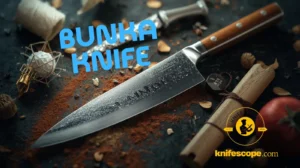
A bunka knife is a versatile Japanese chef's knife ideal for slicing, dicing, and precise cuts.
I have worked with professional knives and taught kitchen technique for years. This article explains the bunka kitchen knife in clear terms. You will learn what it is, how it differs from other blades, how to choose one, and how to care for it. Expect hands-on tips from real use and an authoritative guide you can trust.

What is a bunka kitchen knife?
The bunka kitchen knife is a Japanese-style blade that blends a pointed tip with a flat belly. It sits between a gyuto and a petty in size and use. The bunka kitchen knife excels at push cuts, precise tipping, and small chopping tasks. Chefs choose it for its versatility and compact handling.
Design and defining features
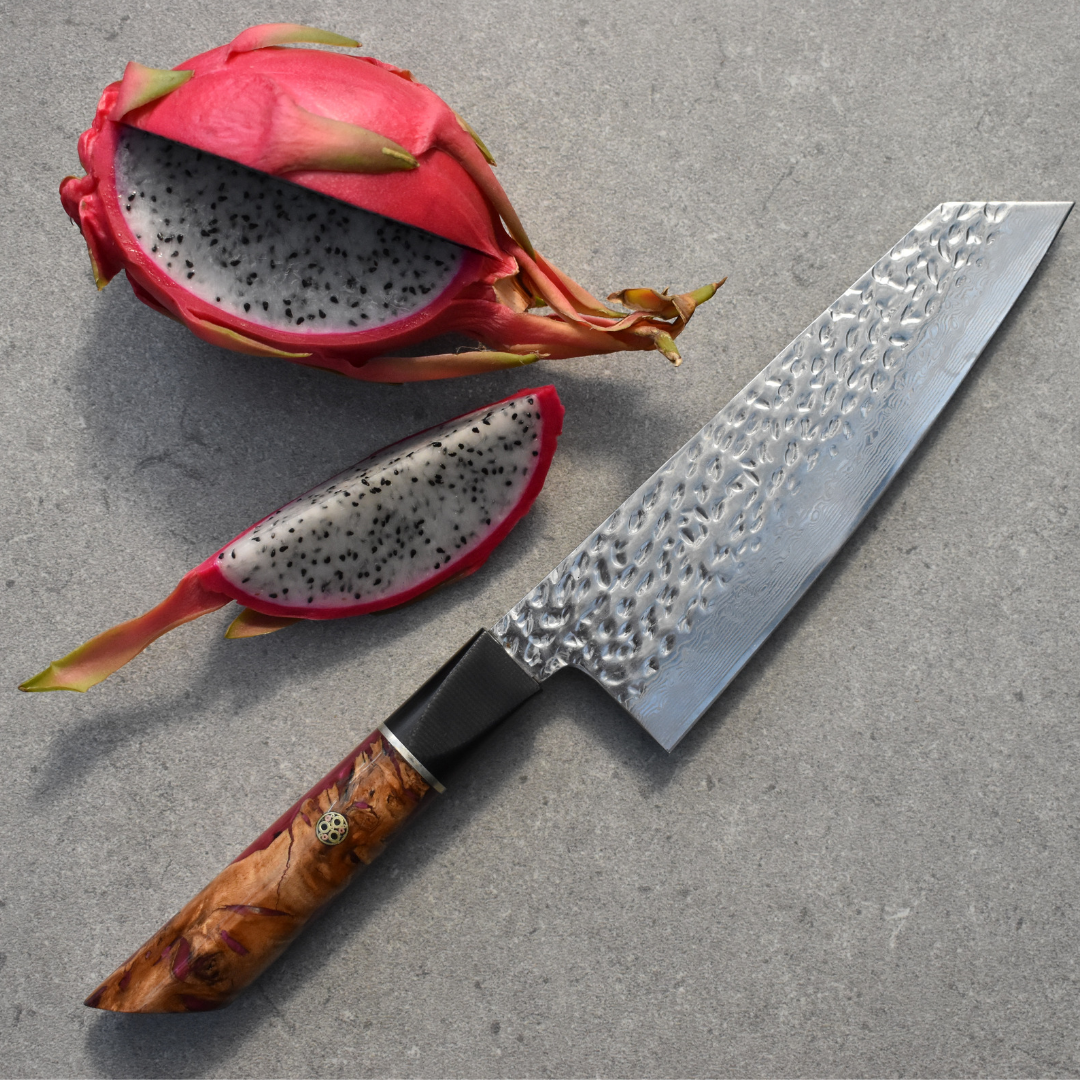
The bunka kitchen knife has a few clear traits. These traits set it apart from santoku and gyuto knives.
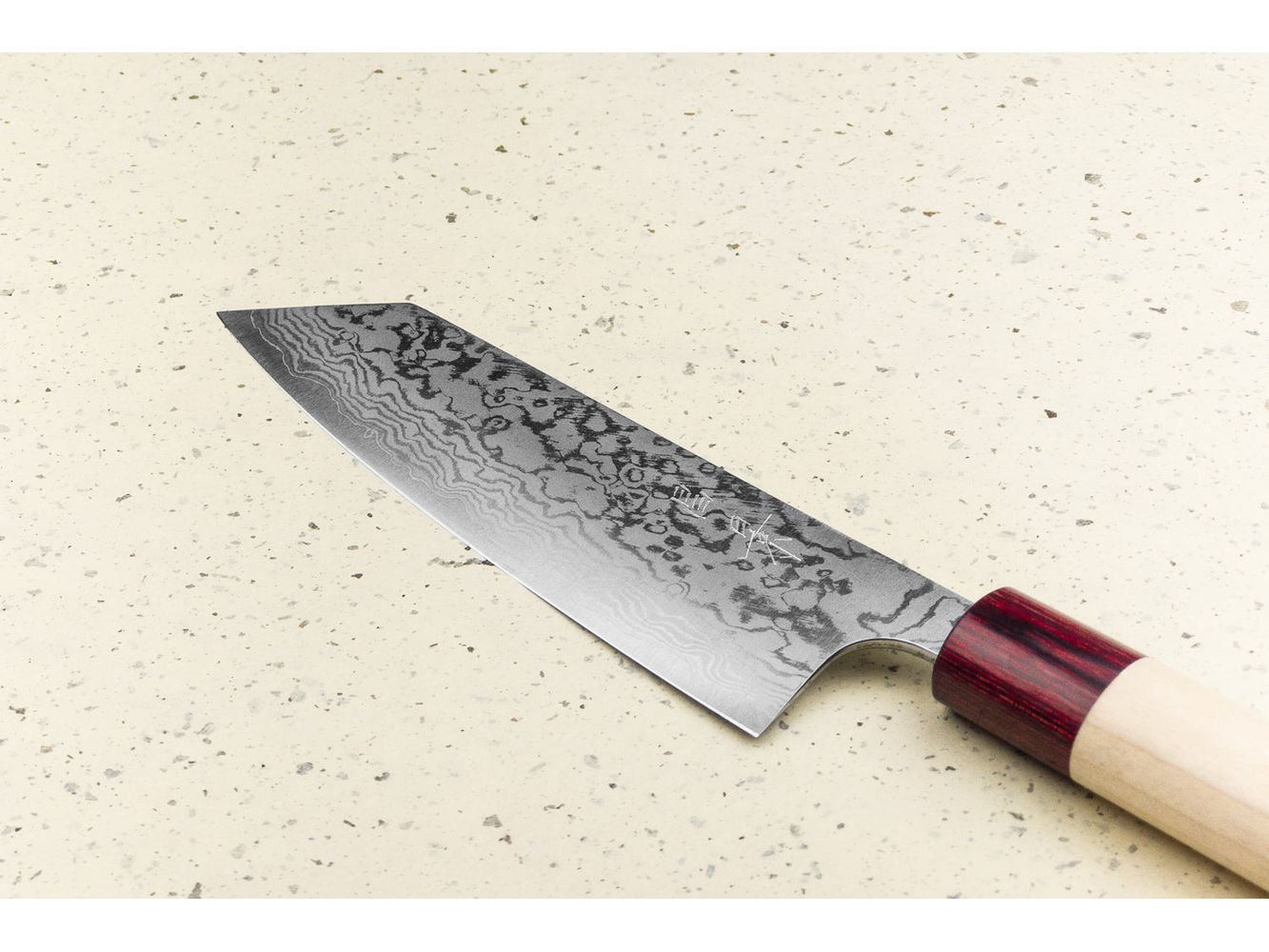
- Blade shape: The bunka kitchen knife has a triangular or reverse tanto tip. This tip helps with piercing and precise point work.
- Belly and edge: The belly is mildly curved. You can use both rocking and push-cut techniques.
- Size and balance: Common lengths are 165 mm to 180 mm. That length gives control without sacrificing reach.
- Bevel and grind: Many bunka kitchen knife models use a single-bevel or double-bevel grind. Single-bevel versions are sharper for certain techniques.
- Handle types: Western handles and wa handles are both common. Choice affects grip and balance.
I prefer a 165 mm bunka kitchen knife with a wa-style handle for close control. It fits my hand well and works for vegetables and small proteins.
Uses and cutting techniques
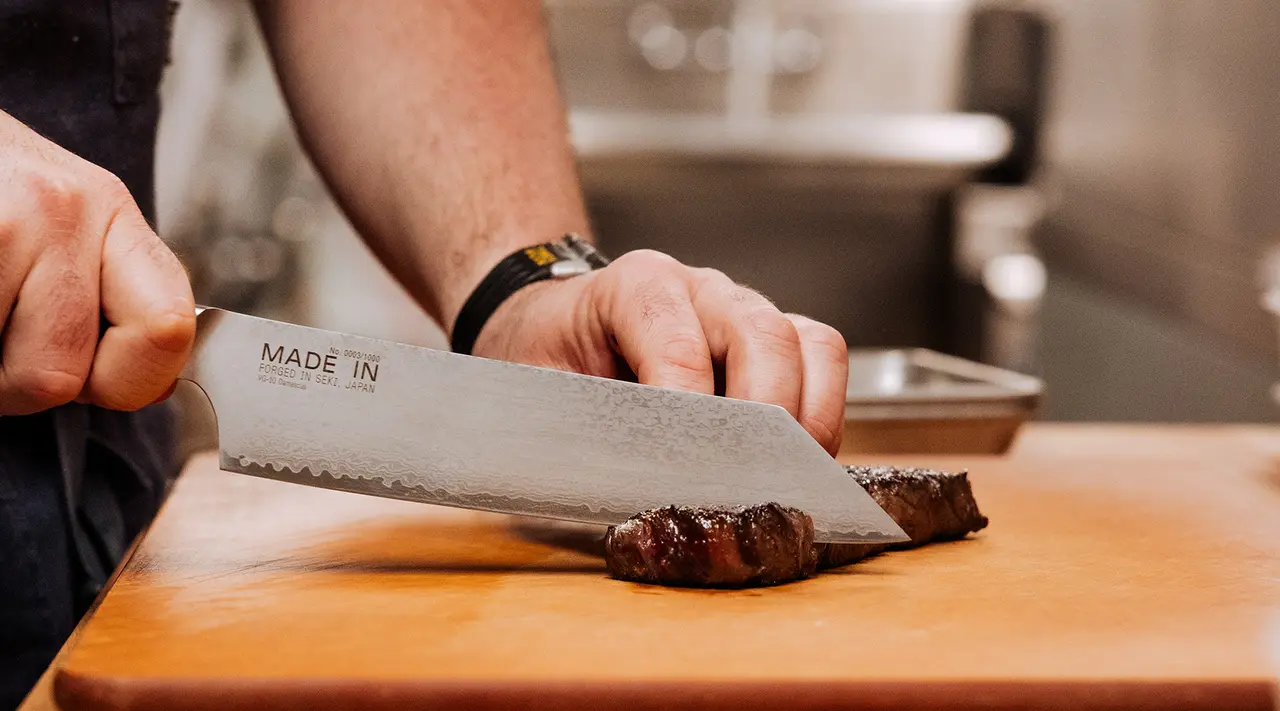
The bunka kitchen knife is a utility blade. It handles vegetables, herbs, small fish, and boneless meats well.
- Vegetable prep: It excels at thin slicing and julienne.
- Piercing and trimming: The pointed tip makes trimming easy.
- Small proteins: Good for filleting small fish and trimming chicken.
- Garnishes: The tip is precise for decorative work.
Practical tips from experience:
- Rest your index finger on the spine for control when fine slicing.
- Use push-cut for thin slices and a short rocking motion for chopped herbs.
- Avoid heavy bone work; the bunka is not a cleaver.
People also ask
Is a bunka good for vegetables?
Yes. The bunka kitchen knife is excellent for vegetables because of its flat belly and sharp edge.
Can a bunka replace a chef's knife?
It can in many home kitchens. The bunka kitchen knife offers similar versatility in a smaller package.
Is bunka better than santoku?
They overlap. The bunka kitchen knife has a sharper tip for precision; the santoku favors a flatter profile for slicing.
 construction, and edge retention”
style=”max-width: 100%; height: auto; border: 2px solid black; border-radius: 10px; display: block; margin: 0 auto;”
loading=”lazy”
/>
Materials, construction, and edge retention
Steel choice matters for a bunka kitchen knife. Here are common options and what they mean.
- Stainless steels: Easier care, resistant to rust, slightly easier to sharpen.
- High-carbon steels: Take a finer edge and are sharper but need more care to avoid rust.
- Powder metallurgy steels: Offer strong edge retention and toughness but cost more.
- Clad construction: Many bunka kitchen knife blades use a hard core steel clad with softer layers for resilience.
Edge angle and sharpness:
- Typical edge angle ranges from 15 to 20 degrees per side for double-bevel blades.
- Single-bevel bunka knives often use a 10 to 15-degree angle on the primary side.
From my testing, a high-carbon core clad bunka kitchen knife kept a razor edge longer. I still stropped it weekly to maintain peak performance.

How to choose the right bunka kitchen knife
Choosing the right bunka kitchen knife depends on your hands, use, and budget. Follow this checklist.
- Blade length: Choose 165 mm for control, 180 mm for reach.
- Steel type: Pick stainless for low maintenance, carbon for sharper edges.
- Handle style: Try wa handles for lighter, balanced feel. Choose Western handles for heft.
- Weight and balance: Look for a balance point near the bolster for neutral handling.
- Edge type: Decide between single-bevel for precise Japanese technique or double-bevel for general use.
Buy from a reputable maker when possible. A well-made bunka kitchen knife feels balanced and sits well in your hand. Try knives in person or read detailed reviews if buying online.
Care, sharpening, and storage
A little care keeps a bunka kitchen knife working for years. These steps are simple and effective.
- Cleaning: Wash by hand immediately after use and dry fully.
- Storage: Store in a knife block, magnetic strip, or sheath to protect the edge.
- Daily upkeep: Use a ceramic rod or honing steel to realign the edge before use.
- Sharpening schedule: Hone weekly if you use the knife daily. Sharpen on a whetstone every 3 to 6 months depending on use.
- Oils and rust prevention: For carbon steel bunka kitchen knife blades, rub a thin layer of food-safe oil after drying.
Sharpening tips from experience:
- Start with a 1,000 grit stone for routine sharpening.
- Move to 3,000–6,000 grit for polishing.
- Finish by stropping on leather to refine the edge.
Avoid dishwashers and rough cutting boards. They dull the edge fast. Proper care keeps the bunka kitchen knife sharp and safe.

Frequently Asked Questions of bunka kitchen knife
What is the best size for a bunka kitchen knife?
A 165 mm bunka kitchen knife is the most versatile for home cooks. It balances control and reach well.
Can I use a bunka kitchen knife for meat?
Yes, you can use it for boneless meats and thin cuts. Avoid heavy bones or dense joints.
How do I sharpen a bunka kitchen knife?
Use a whetstone starting at 1,000 grit then refine at higher grits. Maintain the correct angle and finish with a strop.
Is a bunka kitchen knife suitable for beginners?
Yes, the bunka kitchen knife is beginner-friendly due to its size and versatility. It teaches control and precision.
How often should I hone my bunka kitchen knife?
Hone the edge weekly with light use and before each heavy prep session. Frequent honing keeps the edge aligned and safer to use.
Conclusion
The bunka kitchen knife is a compact, precise, and versatile Japanese blade. It suits cooks who want control for vegetables, small proteins, and precise work. Choose a steel and handle that fit your routine. Care for the blade with simple washing, regular honing, and periodic sharpening. Try a 165 mm bunka kitchen knife if you want a single blade that handles many tasks. Start using it in your next meal prep and see the difference in speed and accuracy. Leave a comment about your experience or subscribe for more knife guides and tips.

Maliha Akter is a kitchen knife reviewer and food preparation specialist with over 6 years of experience testing Japanese kitchen knives and everyday cooking tools. She focuses on performance, safety, durability, and real-world usability to help home cooks choose the right knives for efficient and enjoyable cooking.
Expertise:Japanese Knives • Vegetable Knives • Product Reviews • Kitchen Efficiency • Knife Care