A bunka knife is a versatile Japanese all-purpose blade ideal for precise slicing, dicing, and trimming.
I write about kitchen knives daily and have used many Japanese blades. This guide explains what a bunka knife is, how it differs from santoku and gyuto, how to choose one, and how to use and care for it like a pro. Read on for clear, practical advice, real-world tips, and simple steps to get the most from your bunka knife.

What is a bunka knife?
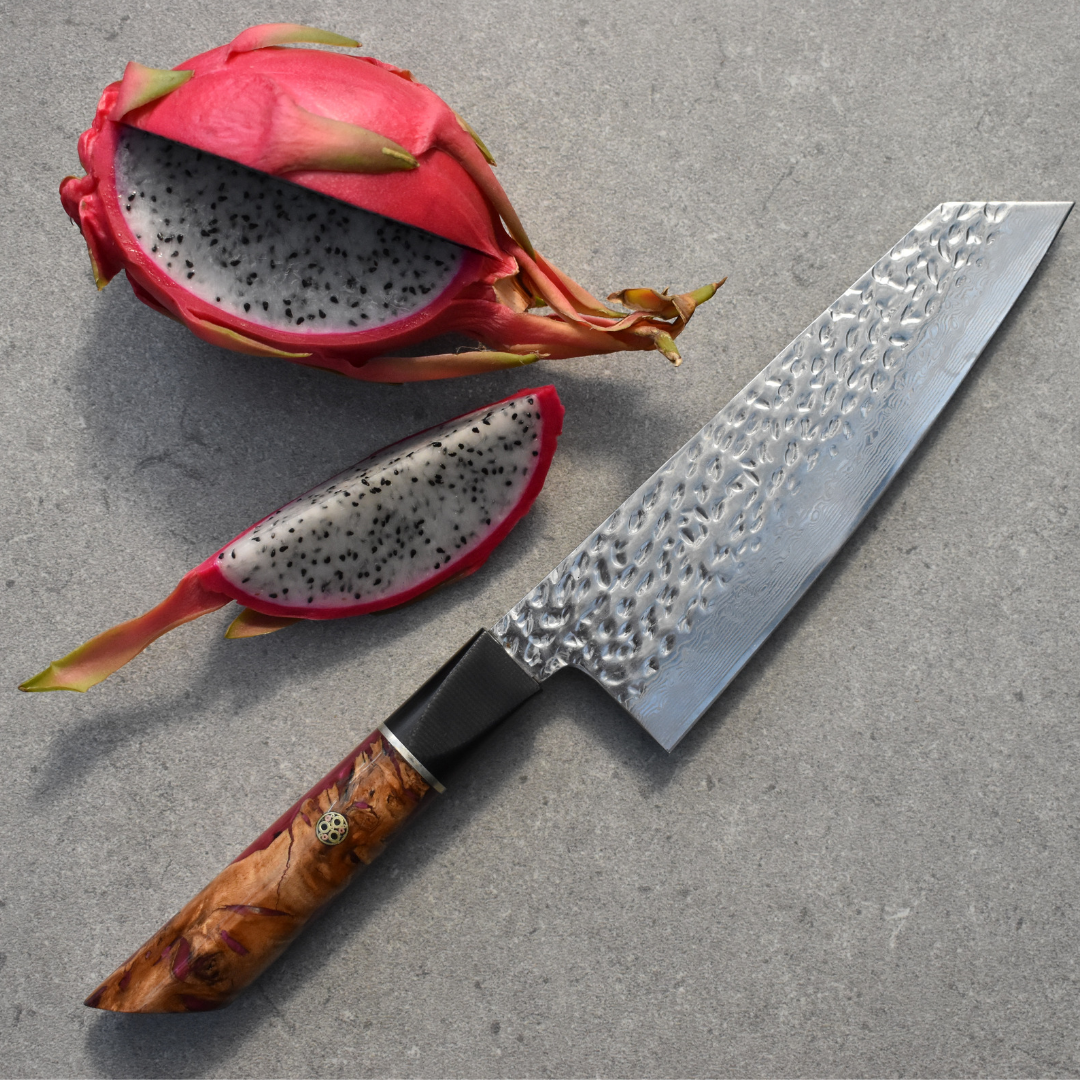
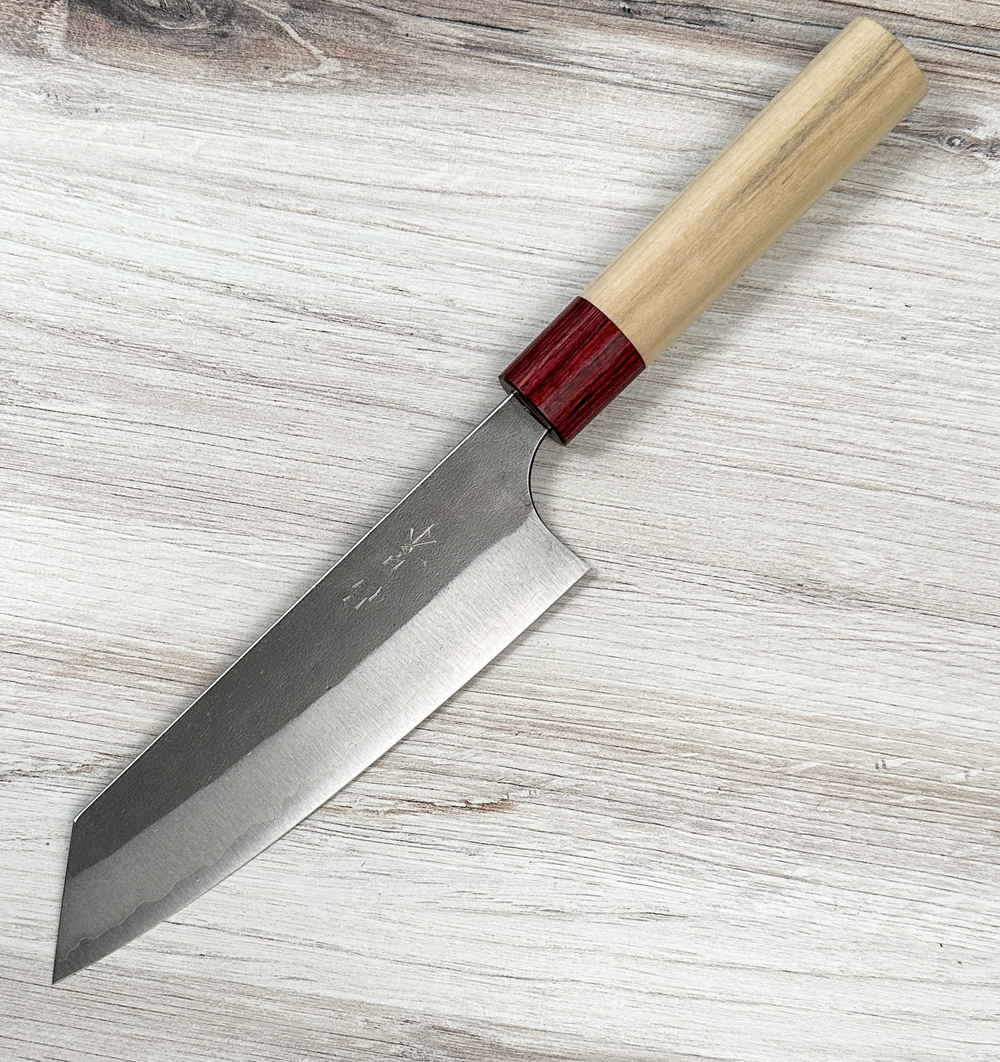
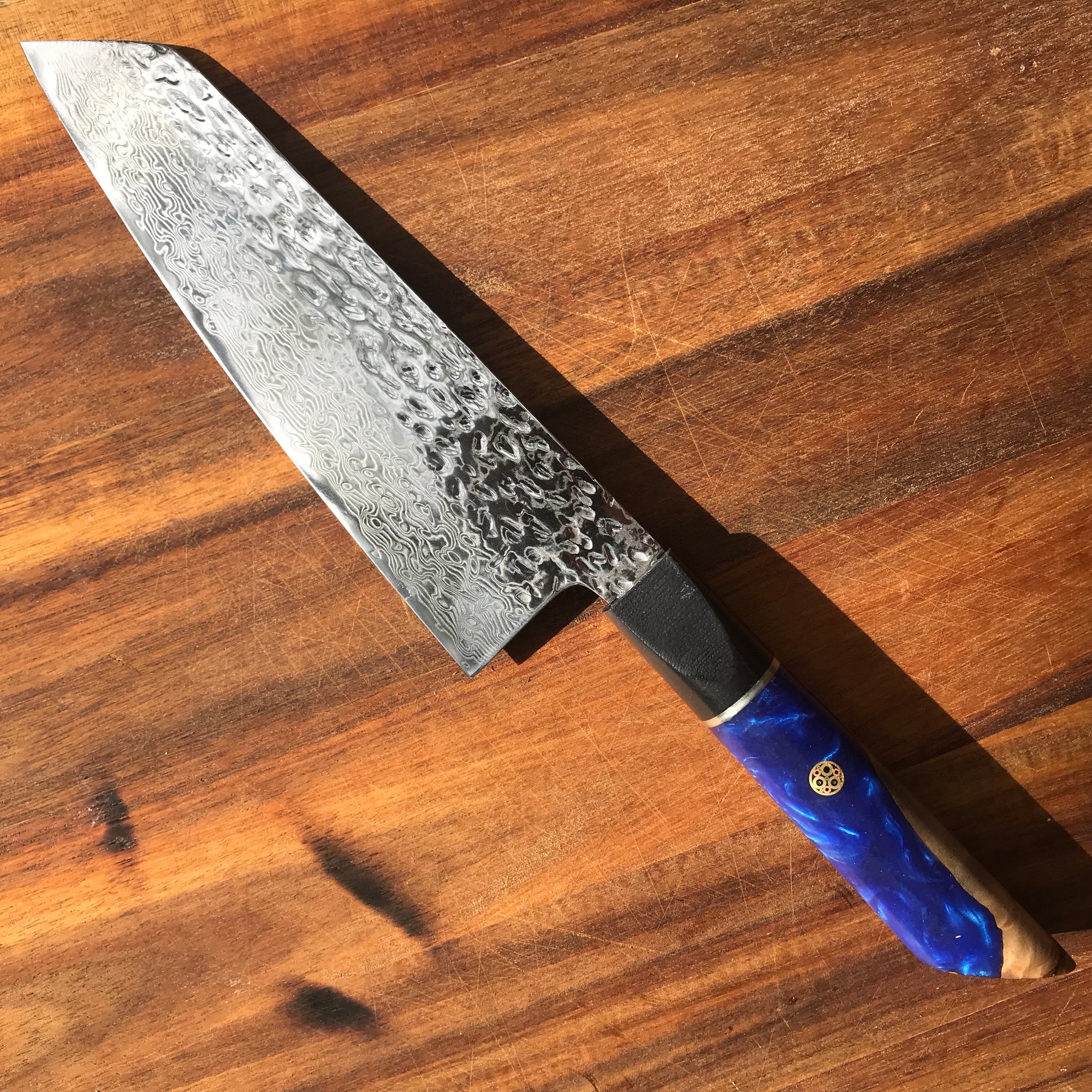
A bunka knife is a Japanese-style kitchen knife with a short, wide blade and a distinctive pointed tip. It blends the utility of a santoku with the piercing tip of a nakiri or petty. The bunka knife works well for vegetables, boneless meats, and fine detail tasks. Home cooks and pros value the bunka knife for its balance of agility and cutting power.
History and origin
The bunka knife evolved from traditional Japanese shapes to meet modern kitchen needs. Its design borrows from nakiri, petty, and tanto-style points. Craftspeople refined the blade for fast prep work and multi-tasking. Today, the bunka knife is common in both Japanese and Western kitchens because it excels at many daily tasks.
Design and anatomy
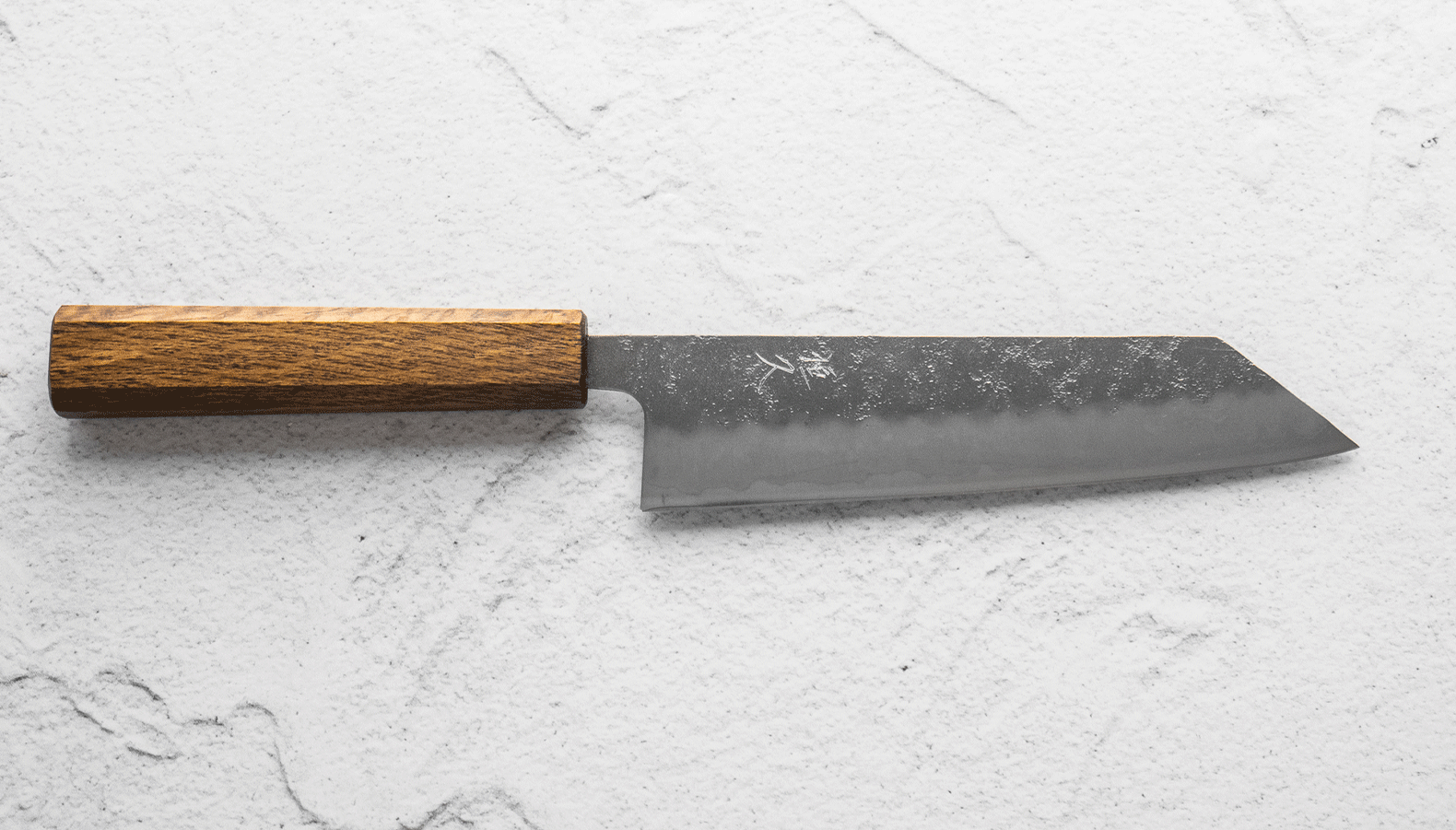
A clear view of the bunka knife helps you understand its strengths.
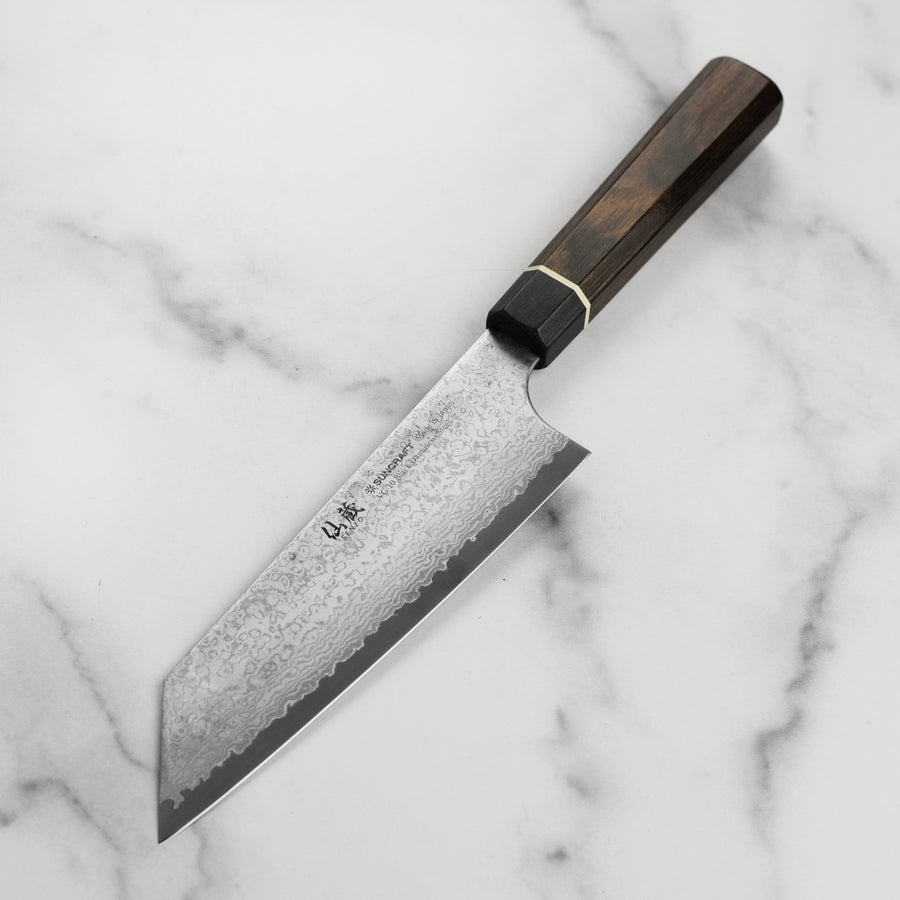
- Blade shape: Wide belly with a sharp, angled tanto-like tip that aids piercing and detail work.
- Blade length: Commonly 6 to 7 inches, which fits most cutting boards and hands.
- Edge profile: Slightly flatter than a gyuto, enabling clean push cuts and thin slices.
- Bevel: Available in double-bevel for ambidextrous use or single-bevel for traditional Japanese performance.
- Steel options: High-carbon, stainless, and powdered steels are common. Each affects sharpness and maintenance.
- Handle styles: Wa (Japanese) handles and Western-style handles are both sold; choice affects balance and grip.
These parts together shape how the bunka knife feels and performs. Choose the right combination to match your cooking style.
Uses and cutting techniques
The bunka knife is a true workhorse.
- Vegetables: Excellent for slicing, dicing, and julienne with a clean edge.
- Proteins: Good for boneless meat, fish filets, and trimming fat.
- Precision work: The pointed tip helps remove seeds, trim herbs, and make delicate cuts.
- Multi-tasking: It replaces several smaller knives for daily prep.
Two quick people-also-ask style questions:
Is a bunka knife good for vegetables?
Yes. The bunka knife’s broad blade and flat profile make it great for clean, even vegetable cuts and fine slicing.
Can a bunka knife replace a chef’s knife?
Often it can. For many home cooks, a bunka knife covers most tasks a chef’s knife handles, though very heavy-duty jobs may favor a larger gyuto.
Technique tips:
- Use a rocking or push-cut motion for most veggies.
- Use the tip for piercing and the heel for heavier cuts.
- Keep the angle steady when slicing to maintain thin, even pieces.
How to choose a bunka knife
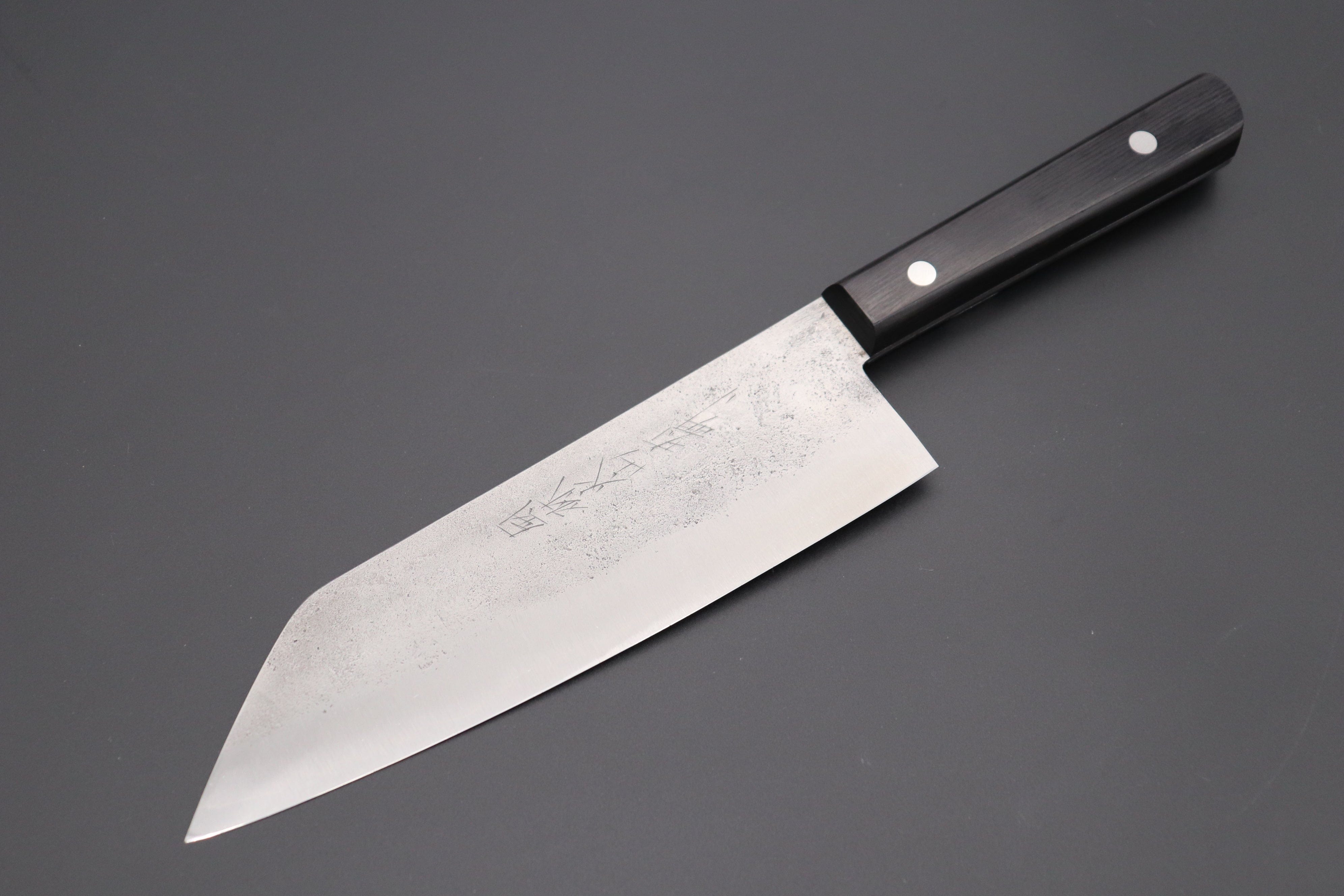
Picking the right bunka knife means matching the blade to your needs.
- Blade length: Pick 6–7 inches for balance and control.
- Steel type: Choose stainless for low maintenance or high-carbon for edge retention and ease of sharpening.
- Bevel style: Double-bevel for general use; single-bevel for specialist users who want traditional performance.
- Handle comfort: Try the grip to ensure good balance and no wrist strain.
- Weight and balance: Lighter blades offer speed; heavier blades add power.
- Budget: Mid-range knives often give the best durability-to-cost ratio.
Test the feel if possible. A bunka knife that sits well in your hand will speed up prep and reduce fatigue.
Care and maintenance
Proper care keeps a bunka knife sharp and safe.
- Hand wash: Clean with warm water and mild soap immediately after use. Dry fully to prevent rust.
- Honing: Hone with a steel or ceramic rod before each use to realign the edge.
- Sharpening: Use water stones at appropriate grits. Start coarse (1000) and finish fine (3000–6000) for a keen edge.
- Storage: Use a magnetic strip, wooden sheath, or knife block to protect the edge.
- Rust prevention: Oil high-carbon blades lightly and avoid acidic contact for long periods.
Step-by-step basic sharpening:
- Soak a water stone if required.
- Maintain a 15–20 degree angle per side for double-bevel blades.
- Use consistent strokes and equal passes on each side.
- Finish with a fine stone or strop to polish the edge.

Pros and cons
A quick, honest look at the bunka knife.
Pros
- Versatile for many kitchen tasks.
- Compact and agile for small kitchens.
- Tip allows detailed work other blades struggle with.
- Good balance between slicing and chopping.
Cons
- Shorter blade can limit long single-stroke cuts.
- Some steels need diligent maintenance.
- Not ideal for heavy bone work or very large roasts.
Knowing these trade-offs helps you decide if a bunka knife fits your routine.
Personal experience and practical tips
I’ve used bunka knives in both home and professional kitchens. My go-to bunka was a 6.5-inch stainless model. It cut vegetables quickly and handled delicate fillets with ease. I learned that a lighter bunka speeds up prep, while a slightly thicker spine helps with tougher roots.
Lessons learned
- Match blade length to your board. Short boards pair better with shorter blades.
- Keep a whetstone and practice. A sharp bunka is a joy to use.
- Avoid twisting or prying with the tip to prevent chipping.
Practical tip: When dicing onions, use the wide belly to scoop and transfer pieces. It saves time and reduces knife changes.

Frequently Asked Questions of bunka knife
What is the main difference between a bunka knife and a santoku?
The bunka has a pointed tip and often a bit more belly for piercing. Santoku typically has a rounded tip and focuses on slicing and chopping.
Can beginners use a bunka knife?
Yes. The bunka’s compact size and versatility make it beginner-friendly, especially for home cooks wanting one reliable blade.
How often should I sharpen my bunka knife?
Sharpening frequency depends on use. For regular home use, hone before each session and sharpen on stones every few months.
Is a bunka knife good for fish?
Yes. The pointed tip and thin edge help with filleting and precise skinning of fish.
Should I buy a stainless or carbon bunka knife?
Choose stainless for low maintenance and carbon for superior edge retention. Carbon needs more care but sharpens well.
Conclusion
The bunka knife is a flexible, efficient tool that suits many cooks and kitchens. It combines precision with everyday power, making it a smart buy for anyone who values speed and control at the cutting board. Try one that fits your grip, practice simple sharpening, and you’ll quickly feel the difference a bunka knife makes. If you found this guide helpful, try a bunka knife yourself, subscribe for more knife tips, or leave a comment about your favorite blade.

Emily Carter is a kitchen knife specialist with over 8 years of experience testing and reviewing Japanese kitchen knives. She focuses on blade performance, comfort, durability, and real-life cooking usability. Her goal is to help home cooks choose reliable, high-quality knives for everyday cooking.
Expertise: Japanese Knives, Vegetable Cutting, Product Testing