A bunka knife buying guide helps you pick the right versatile Japanese knife for daily use.
I’ve spent years testing and teaching knife skills in home and professional kitchens. This bunka knife buying guide gives clear, expert advice on what to look for, how to match a bunka to your cooking style, and how to get the best value. Read on and you will learn practical tips, real-life warnings, and a step-by-step checklist to buy with confidence.
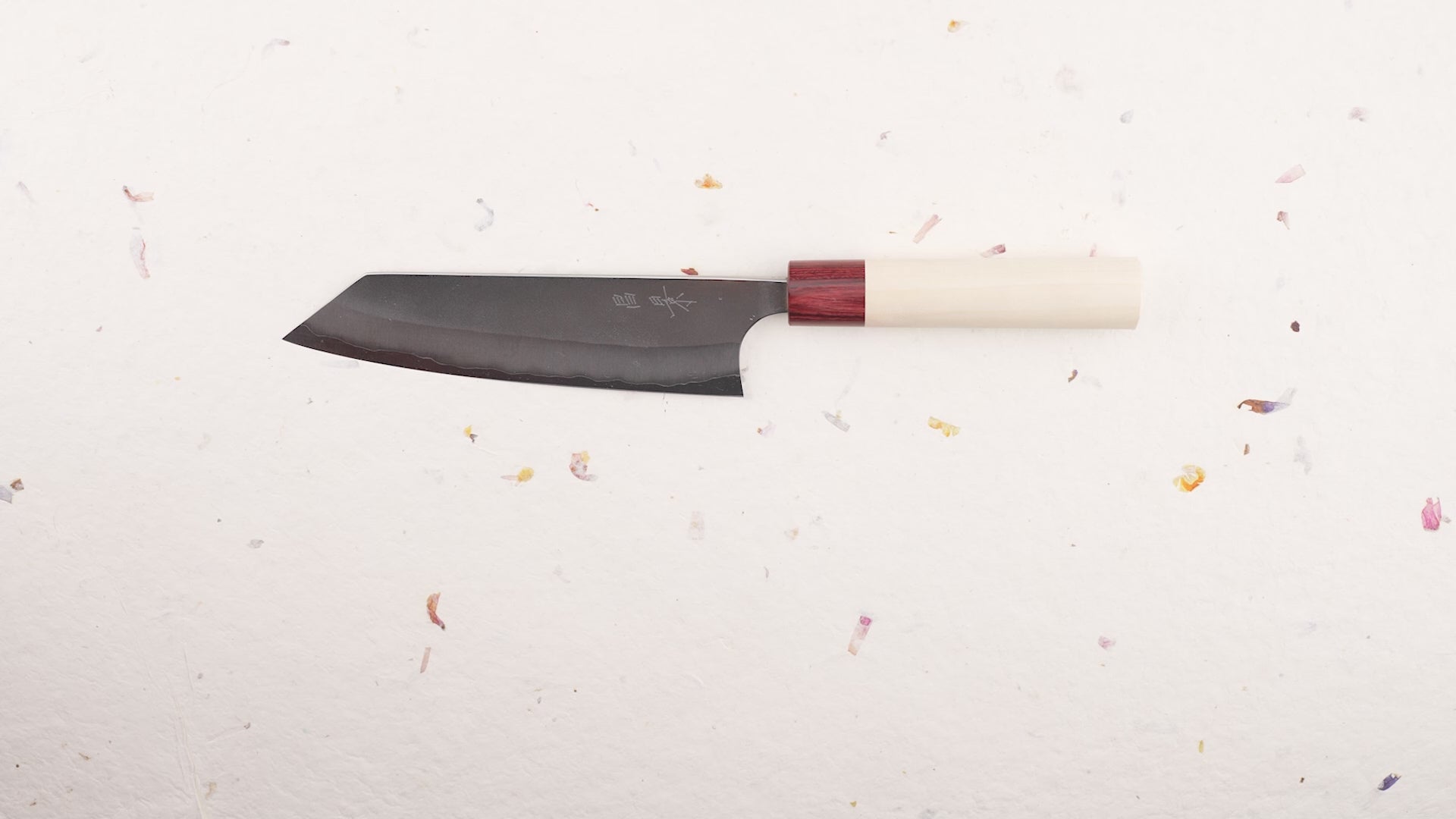
Understanding the bunka knife: design, purpose, and history
A bunka is a Japanese all-purpose blade that blends utility and precision. It often has a distinct squared tip or “tanto” profile, a flat belly for chopping, and a generous shinogi (ridge) for strength. The bunka excels at slicing vegetables, mincing herbs, and light meat work. This bunka knife buying guide explains why many cooks prefer a bunka for everyday prep.
The bunka traces roots to traditional Japanese knives but evolved for modern kitchens. It sits between a santoku and a small chef’s knife in size and feel. Knowing the shape and role helps you choose the right length, grind, and balance for your needs.
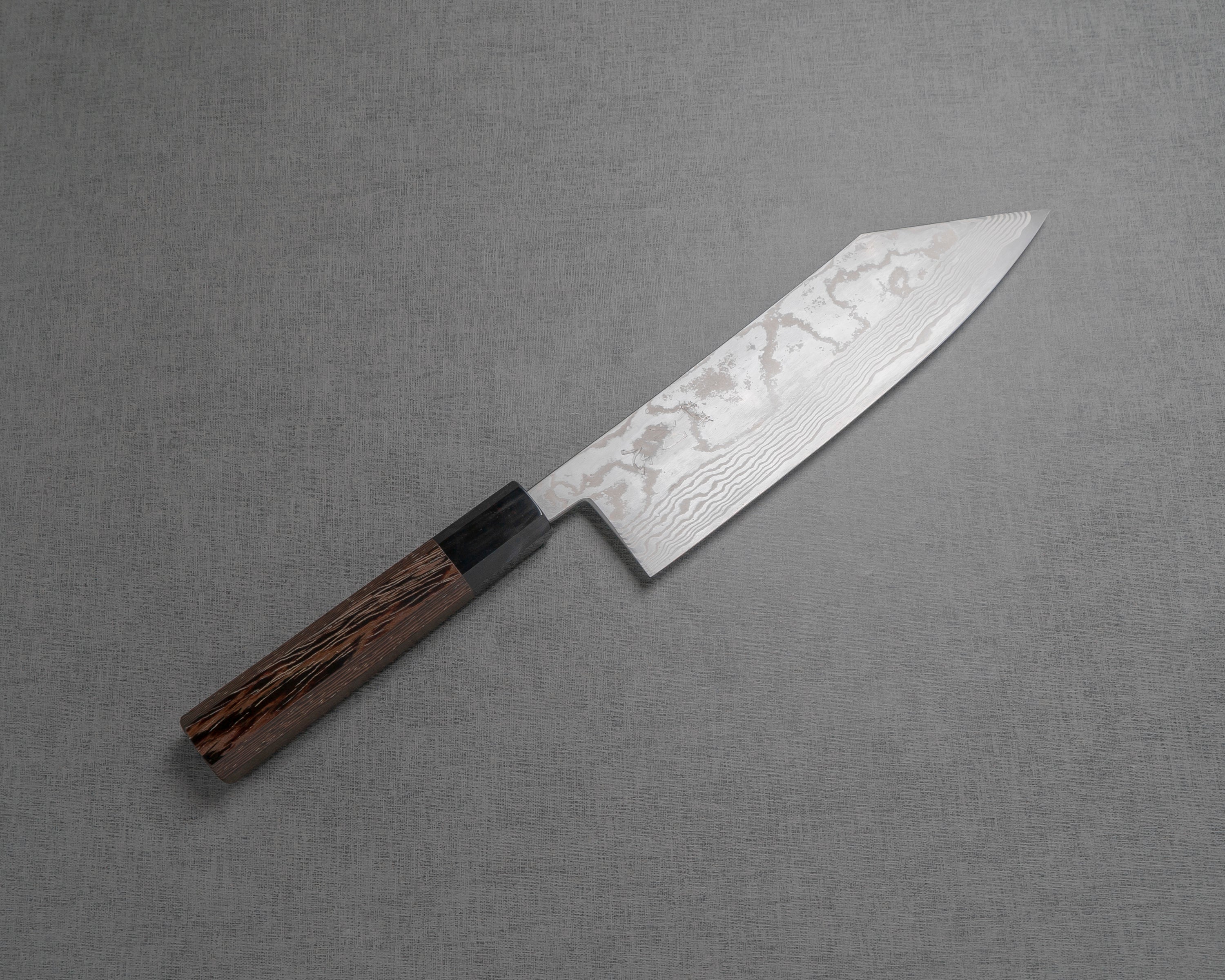
Key features to evaluate when buying a bunka knife
Choose a bunka by inspecting core features. Each feature affects performance and care.
- Blade length
- Common lengths run 6 to 8.5 inches. Shorter blades are nimble. Longer blades cover more surface.
- Steel type
- Stainless steels resist rust and need less care. Carbon steels sharpen easily and hold a keen edge but require more maintenance. Powdered and high-carbon stainless steels give a mix of edge retention and corrosion resistance.
- Hardness (HRC)
- Look for 58 to 63 HRC for good edge life without excessive brittleness. Harder steels hold edges longer but can chip if misused.
- Edge grind and bevel
- Double bevels are common and versatile. Some bunka knives use a slightly asymmetric grind for cleaner cuts. A thinner primary grind slices better.
- Tip and profile
- The tanto-like tip suits push cuts and precise work. A slightly curved belly helps rocking cuts.
- Handle style
- Western handles offer grip and weight. Wa (traditional Japanese) handles are lighter and give better control. Choose what feels comfortable.
- Balance and weight
- A balanced knife between handle and blade reduces fatigue. Heavier blades power through dense veg; lighter blades improve finesse.
- Tang and construction
- Full tang adds strength and balance. Hidden tang wa handles reduce weight but require good build quality.
- Fit and finish
- Check the join between blade and handle. A smooth, well-finished edge and spine indicate careful manufacturing.
This bunka knife buying guide recommends testing these features in person when possible. If you shop online, ensure the seller lists steel, HRC, and edge type.

Choosing the right bunka for your use and skill level
Match the bunka to how you cook and how you sharpen.
- For home cooks who want low maintenance
- Pick a stainless bunka with a mid-range HRC and comfortable handle.
- For cooks who want superior sharpness
- Choose a carbon or powdered steel bunka and commit to stropping or whetstone use.
- For chefs and frequent users
- Opt for 7 to 8.5 inches with a robust spine and full tang for durability.
- For vegetable-focused cooks
- Choose a slightly thinner blade and a 6.5 to 7 inch length for control.
This bunka knife buying guide stresses ergonomics. A knife that feels right in your hand reduces mistakes and improves speed.
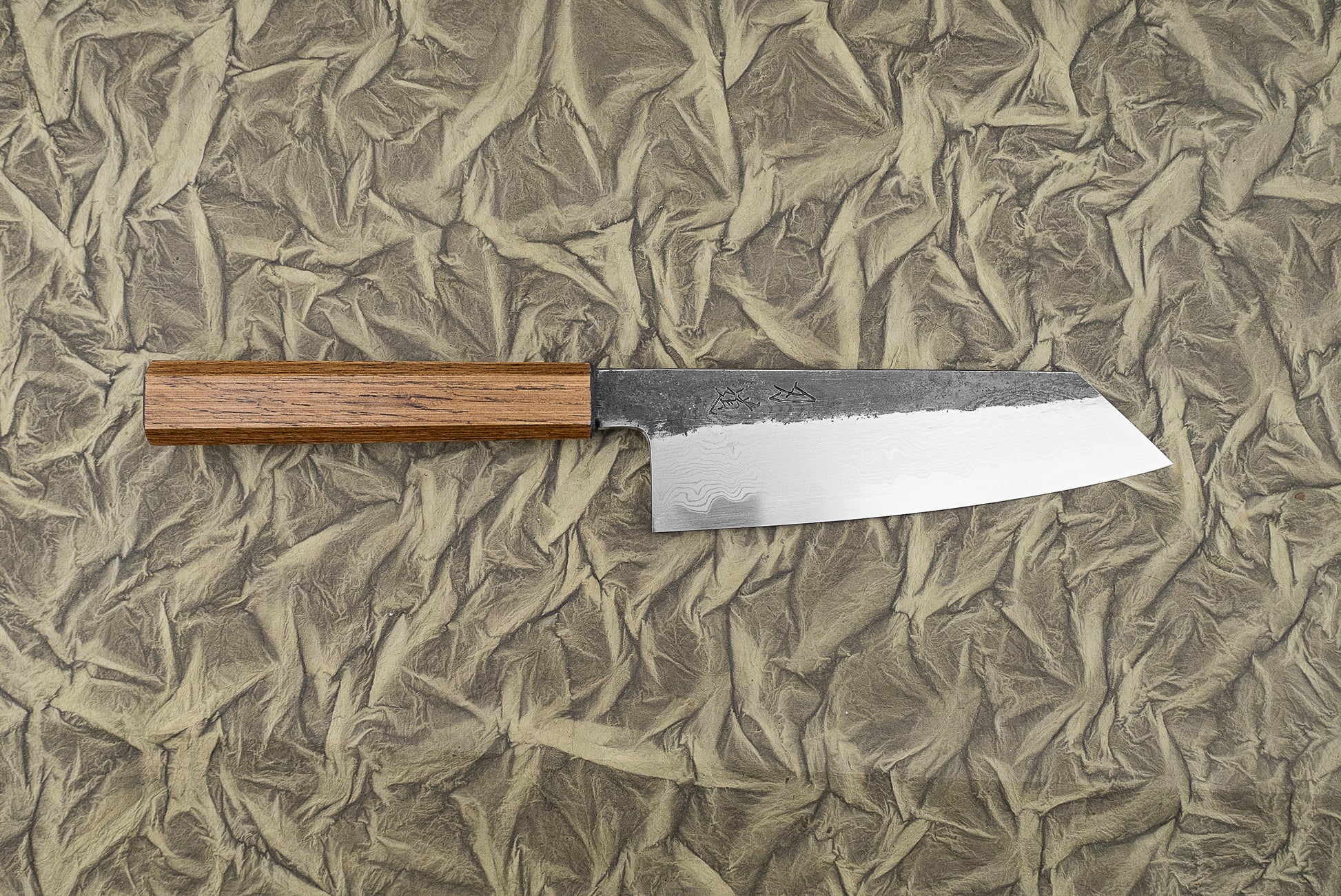
Care, sharpening, and maintenance tips
Proper care keeps a bunka effective and safe.
- Daily care
- Wash by hand and dry immediately. Avoid dishwashers and prolonged soaking.
- Sharpening basics
- Use a whetstone for best results. Maintain a 15–20 degree per side angle based on the knife’s grind.
- Honing and stropping
- Use a honing rod to realign the edge between sharpenings. Strop leather after stones to refine the apex.
- Rust prevention
- Apply a thin coat of food-safe oil to carbon blades after use. Store in a dry place.
- Storage
- Use a knife block, magnetic strip, or sheath to protect the edge and prevent accidents.
I recommend learning basic wet-stone technique. It extends edge life and gives cleaner cuts. This bunka knife buying guide includes these steps because a sharp knife is safer and more efficient.
Price ranges and value: what to expect at each budget
Know the typical price bands so you can balance cost and quality.
- Budget (under $80)
- Good for casual use. Expect stainless steel and factory edges. Variable fit and finish.
- Mid-range ($80–$250)
- Best value for serious home cooks. Better steels, improved balance, and nicer handles.
- Premium ($250–$600)
- High-end steels, hand finishing, and refined fit. Suitable for pros and collectors.
- Custom and artisan ($600+)
- Handmade blades, unique steels, and bespoke handles. High investment for a lifetime tool.
This bunka knife buying guide suggests spending enough to get a steel and fit you like. A well-made mid-range bunka often outperforms a cheap premium-looking blade.
How to test a bunka in store or evaluate online listings
A quick test helps avoid regret.
- In-store tests
- Hold the knife and check balance. Tap a tomato gently to feel the edge. Inspect the spine and tip for uniformity.
- Online evaluation
- Read verified reviews and ask the seller for detailed photos. Confirm return policy, warranty, and grind specs.
- Questions to ask
- What steel is used and what is the HRC? Is the handle full tang? Is the edge factory-sharp or regular?
- Shipping and returns
- Prefer sellers with easy returns and clear sharpening policies.
This bunka knife buying guide encourages a test cut only where allowed. Many stores allow slicing paper or produce to judge sharpness.
Personal experience: lessons learned and mistakes to avoid
I have owned and tested many bunkas in kitchens and classes. Here are honest lessons.
- Don’t buy the prettiest blade first
- A decorative finish can hide poor ergonomics or bad steel.
- Test grip, not just look
- I once bought a knife that felt great on display but slipped during long prep. Balance matters more than flash.
- Learn to sharpen
- I used to send knives away; learning stones cut costs and made me confident.
- Expect a break-in period
- New blades feel different after a few uses and one proper sharpening. Be patient.
This bunka knife buying guide reflects hands-on experience. Practical testing and basic sharpening skills will save money and improve results.
Quick buying checklist (printable)
Use this short list at the store or when ordering online.
- Blade length and profile match your tasks
- Steel type and HRC listed and suitable for your care level
- Handle comfort and secure fit
- Good balance and acceptable weight
- Return policy and warranty in place
- Clear info on edge grind and sharpening angle
Keep this checklist handy. It makes buying a bunka simple and focused.
Frequently Asked Questions of bunka knife buying guide
What makes a bunka different from a santoku?
A bunka usually has a sharper, more pointed tip and often a flatter profile. Santoku tends to have a rounded belly and is tuned for slicing, dicing, and mincing.
Is a bunka good for meat?
Yes. A bunka handles thin cuts and small pieces well, though heavy bone work is not recommended. Use a heavier gyuto or cleaver for joints and bones.
How often should I sharpen a bunka knife?
Light stropping or honing can be done weekly with regular use. Full sharpening on a stone is typically needed every few months depending on use and steel type.
Can I put a bunka in the dishwasher?
No. Dishwashers can dull the edge, corrode steel, and loosen the handle over time. Hand wash and dry immediately.
What edge angle is best for a bunka?
Most bunka knives perform well at 15–20 degrees per side. Softer steels can use a slightly wider angle for durability.
Is a carbon bunka better than stainless?
Carbon often sharpens more easily and offers a keener edge. Stainless resists rust and is lower maintenance. Choose based on care habits and priorities.
Final thoughts and next steps
A bunka is a versatile, efficient choice for home cooks and pros. Use this bunka knife buying guide to weigh blade shape, steel, handle, and balance. Test knives when you can, learn basic sharpening, and pick a model that fits your cooking style.
Take action: try a bunka in person or pick a well-reviewed mid-range model that matches this guide. Share your experience or questions in the comments, or subscribe for more knife guides and hands-on tips.

Maliha Akter is a kitchen knife reviewer and food preparation specialist with over 6 years of experience testing Japanese kitchen knives and everyday cooking tools. She focuses on performance, safety, durability, and real-world usability to help home cooks choose the right knives for efficient and enjoyable cooking.
Expertise:Japanese Knives • Vegetable Knives • Product Reviews • Kitchen Efficiency • Knife Care