Bunka knife edge retention depends on steel, heat treatment, edge angle, and user care.
I have spent years testing and sharpening Japanese kitchen knives, and I will walk you through everything that affects bunka knife edge retention. This guide explains what edge retention really means for a bunka, how to measure it, which steels and angles give the best performance, and practical care steps you can use at home. Read on to learn how to pick, sharpen, and maintain a bunka so its edge stays sharp longer and gives reliable, precise cuts in everyday kitchen work.

What is bunka knife edge retention?
Bunka knife edge retention is the blade’s ability to hold a sharp edge during normal use. It measures how long a bunka stays sharp before it needs resharpening.
Edge retention is affected by material and how the blade was heat-treated. It also depends on the edge geometry and how you use the bunka. A good bunka blends a thin, keen edge with enough toughness to resist chipping. Clear expectations help you choose the right bunka for your cooking style.
Key factors that determine bunka knife edge retention
Edge retention is rarely one thing. It is the result of several linked factors.
- Steel composition
- High-carbon steels and powdered stainless steels often hold a sharper edge longer than soft stainless steels.
- Steels with finer carbide distribution resist wear better.
- Heat treatment and hardness
- Proper tempering and HRC (Rockwell) values in the 60–64 range commonly yield strong bunka knife edge retention.
- Over-hardening can make the edge brittle.
- Edge geometry and angle
- A thinner 10–15 degree per-side edge cuts cleanly but can dull faster from abrasion.
- Wider angles increase durability but lower initial sharpness.
- Grind style and polish
- A well-polished edge with a consistent primary and secondary bevel improves cut and helps resist micro-chipping.
- Usage and cutting board
- Hard surfaces and twisting cuts speed dulling. Soft wood or plastic boards protect the edge.
- Maintenance habits
- Regular honing, correct sharpening stones, and stropping all improve bunka knife edge retention.
Together, these factors define real-life edge performance. Understand them to match a bunka to your needs.
How to measure and test bunka knife edge retention
Meaningful testing uses repeatable, simple tests you can do at home or in a workshop.
- Hardness test
- Rockwell HRC gives a baseline. Many high-retention buntas sit between 60 and 64 HRC.
- Cutting tests
- Paper test: a sharp bunka slices thin paper easily; repeat after use to compare.
- Rope or cardboard test: shows progressive wear; count cuts until failure.
- Tomato test: a sharp bunka should skin a ripe tomato with minimal pressure.
- Professional methods
- Industry labs use standardized abrasion and cutting machines to quantify retention.
- CATRA-style tests measure mass loss or edge angle change under controlled abrasion.
From experience, track both subjective feel and objective results. I time how many full-length tomato slices and paper clean-cuts a bunka gives before I notice drag. That simple routine quickly tells you which steels and grinds work best for your kitchen.

Practical maintenance to maximize bunka knife edge retention
Routine care keeps edges performing longer. Small habits add up.
- Hone regularly
- Use a ceramic rod or fine steel to realign the edge after light use.
- Short, gentle passes maintain a keen edge without removing metal.
- Sharpen correctly
- Use waterstones. Start with a medium grit (1000) and finish with 3000–8000 for a fine edge.
- Aim for 10–15 degrees per side for double-bevel bunkas unless manufacturer recommends otherwise.
- Strop for polish
- Leather stropping with a light compound removes burr and refines the edge for longer cutting performance.
- Store and use wisely
- Use wooden or plastic cutting boards. Avoid bones, frozen food, and twisting motions.
- Store in a sheath or on a magnetic strip to protect the bevel.
I once sharpened a hard-steel bunka incorrectly at a steep angle and removed too much metal. The edge lost its sweet spot. That taught me to confirm angle and use light pressure when finishing on high grits. These practical steps extend bunka knife edge retention significantly.

Comparing bunka knife edge retention to other kitchen knives
Bunkas often sit between santoku and gyuto in form and performance. How do they compare?
- Versus santoku
- Similar cutting style. With the same steel and angle, bunka knife edge retention is comparable to a santoku.
- Bunka tip shape can change stress points and affect chipping risk.
- Versus gyuto
- Gyutos often have longer blades and larger edge radii, which can distribute wear differently.
- On identical steel, a gyuto’s edge may last similarly, but user technique matters.
- Versus petty and nakiri
- Smaller petty knives see lighter workloads; they might hold an edge longer per use.
- Nakiri blades are used for veg work and may avoid some wear types, aiding retention.
Overall, the specific steel and heat treatment matter more than the shape when comparing bunka knife edge retention across types.

Best steels and specs for strong bunka knife edge retention
Selecting the right bunka depends on intended use and maintenance comfort.
- High-retention steel options
- Powdered stainless steels (e.g., SG2/SG-2/R2, or equivalents) provide strong edge retention and corrosion resistance.
- Blue and white high-carbon steels (Aogami, Shirogami) can take extremely keen edges with excellent retention but need care against rust.
- Desirable specs
- HRC 60–64 often balances hardness and toughness.
- A fine grain structure improves wear resistance.
- Stable heat treatment with tempering reduces chipping risk.
- Other considerations
- Blade thickness near the edge: thin behind the edge improves cutting performance, but a thin spine can reduce durability if misused.
- Coatings or cryogenic treatments can tweak retention but are secondary to core steel and heat treatment.
When shopping, ask about steel grade, hardness, and heat treatment records to predict bunka knife edge retention.
Common mistakes, troubleshooting, and real-world tips
Avoid these habits that kill edge retention fast.
- Common mistakes
- Using a bunka on frozen food or bone.
- Sharpening at inconsistent angles and removing excessive metal.
- Skipping honing and stropping between sharpening sessions.
- Troubleshooting chips and rapid dulling
- If you see micro-chips, reduce edge angle slightly or pick a tougher steel.
- Rapid abrasion often points to cutting on glass or ceramic boards; switch boards and retest.
- Practical tips from experience
- Keep a small leather strop near your prep area for quick touch-ups.
- Rotate two knives if you do heavy prep: alternate to let each edge rest.
I learned to treat a bunka like a precision tool, not a workhorse. With modest care, edge retention becomes predictable and long-lasting.
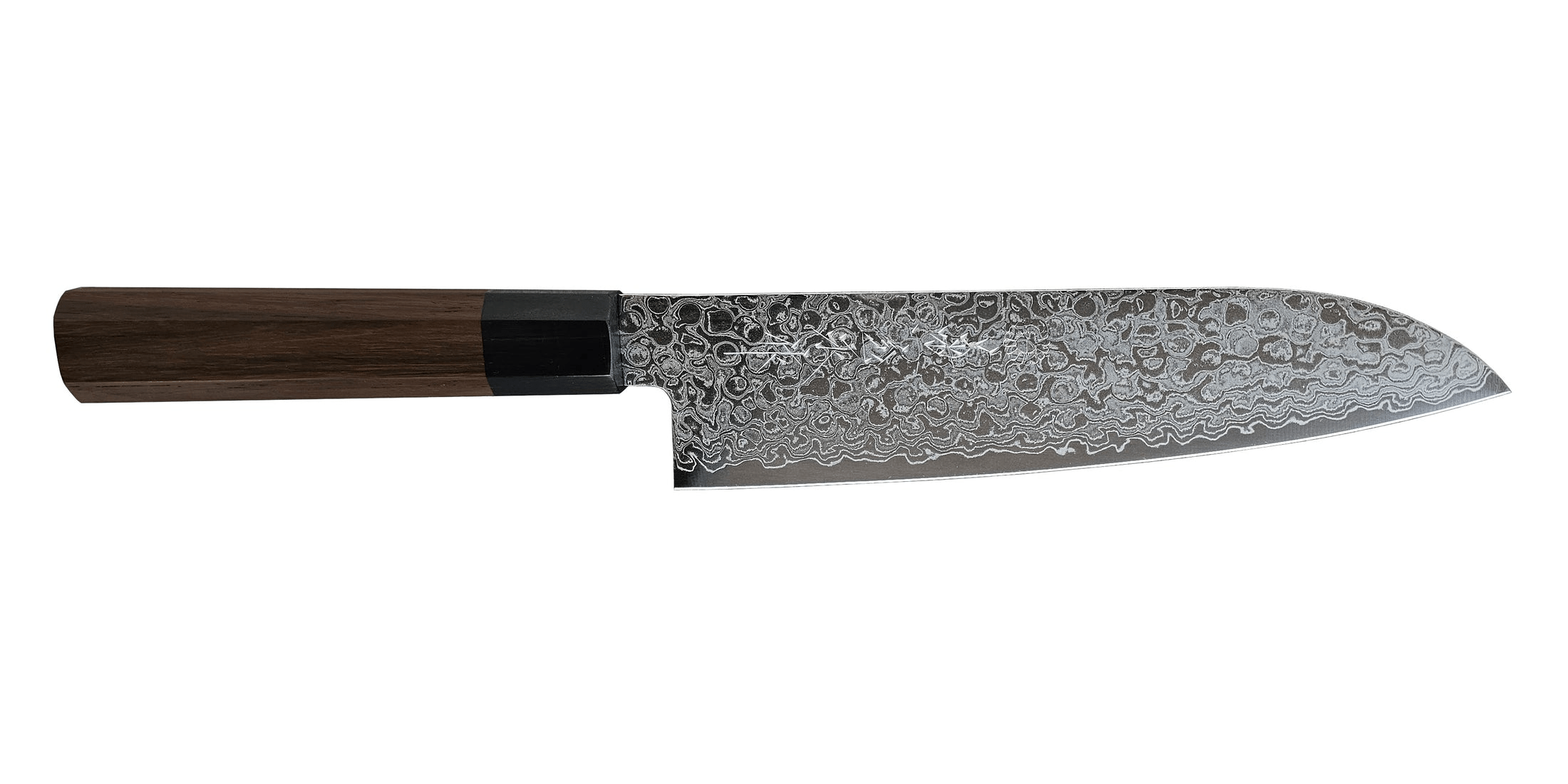
Buying checklist to maximize bunka knife edge retention
Use this short list when evaluating a new bunka.
- Confirm steel and HRC rating.
- Ask about heat treatment process and tempering.
- Inspect edge geometry and factory bevel finish.
- Look for a stable spine and balanced feel for controlled use.
- Consider the warranty and maker reputation for quality control.
A careful buy upfront reduces frustration later and helps you get the expected bunka knife edge retention from day one.
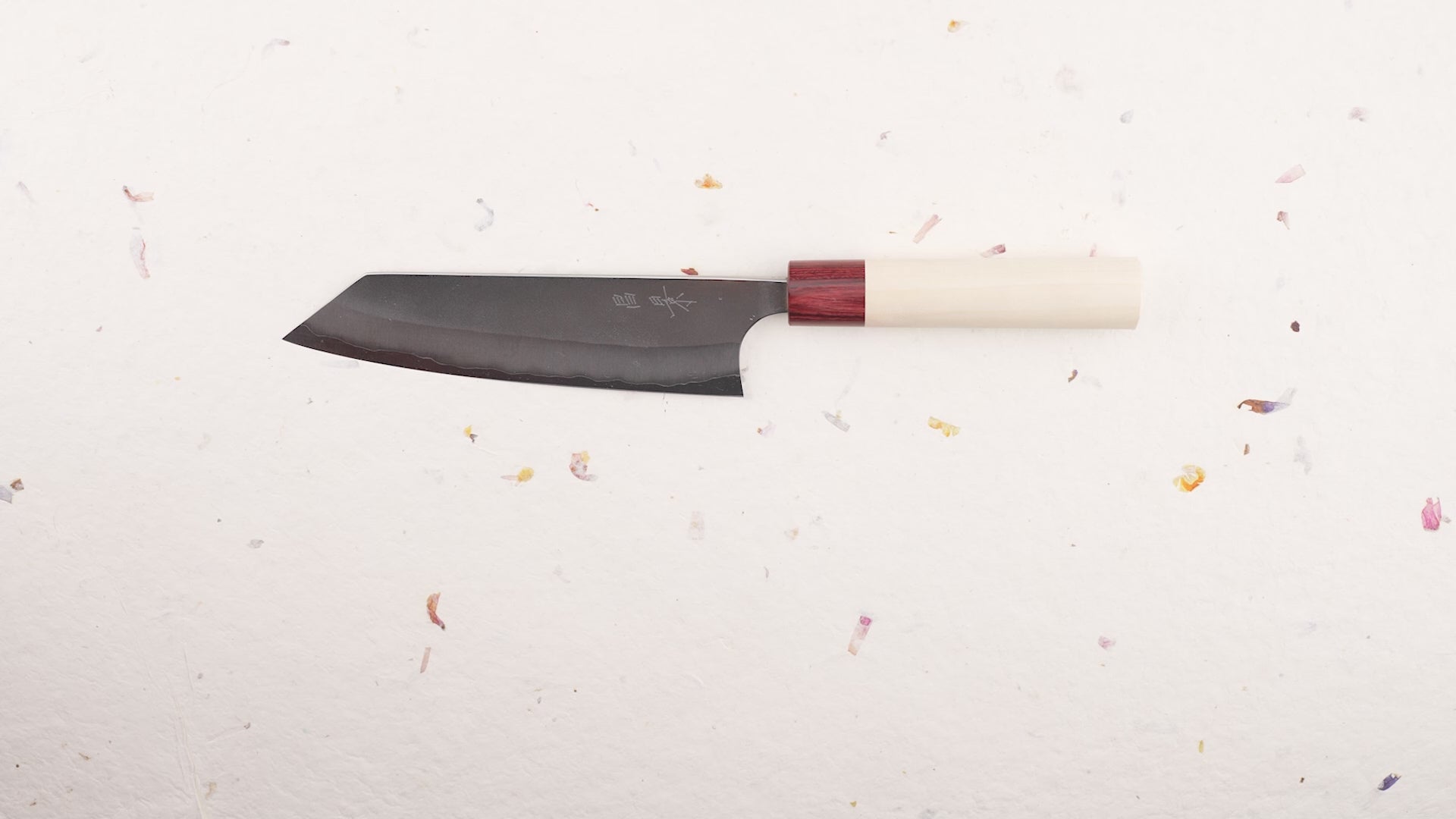
Frequently Asked Questions of bunka knife edge retention
What is a good HRC for bunka knife edge retention?
A good HRC for balanced edge retention and toughness in a bunka is typically between 60 and 64. Higher values can hold an edge longer but may increase brittleness.
How often should I sharpen my bunka to maintain edge retention?
Sharpening frequency depends on use; home cooks often sharpen every few months and hone weekly. Light honing and stropping extend time between full sharpenings.
Can I get professional-level bunka knife edge retention at home?
Yes. With the right steel, heat treatment, and sharpening technique you can achieve professional-level retention. Consistent angles and proper stones are essential.
Does stropping improve bunka knife edge retention?
Stropping does not change the steel but refines and aligns the edge, improving cutting performance and delaying the need for sharpening. Regular stropping prolongs effective edge life.
Will stainless steels have worse retention than carbon steels?
Not always. Modern powdered stainless steels can match or exceed many carbon steels in retention while adding corrosion resistance. Look at grain structure and heat treatment.
How much does the edge angle affect bunka knife edge retention?
Edge angle has a major effect; tighter angles cut better but wear faster, while wider angles last longer. Choose an angle that balances cutting needs and expected abuse.
Conclusion
Bunka knife edge retention is a balance of steel, heat treatment, geometry, and care. Choose a knife with the right steel and finish, use appropriate angles, and follow steady maintenance habits like honing, sharpening on proper stones, and light stropping. Start with one simple routine: use a soft board, hone after each heavy session, and sharpen at consistent angles. Do that, and your bunka will reward you with precise, reliable cuts for years. Try the tips here, test your bunka with simple paper and tomato checks, and leave a comment with your results or questions — I’d love to hear about your experience.

Maliha Akter is a kitchen knife reviewer and food preparation specialist with over 6 years of experience testing Japanese kitchen knives and everyday cooking tools. She focuses on performance, safety, durability, and real-world usability to help home cooks choose the right knives for efficient and enjoyable cooking.
Expertise:Japanese Knives • Vegetable Knives • Product Reviews • Kitchen Efficiency • Knife Care