A bunka knife is a compact, versatile Japanese blade perfect for beginners learning precise cuts.
As a cook and knife enthusiast with years of hands-on experience, I’ll guide you through everything a beginner needs to know about the bunka knife for beginners. This guide explains what the bunka knife is, why it suits new cooks, how to use and care for it, and how to choose the right one. Read on for clear, practical advice drawn from real kitchen use and expert knowledge to help you make confident choices with your first bunka knife for beginners.
What is a bunka knife?
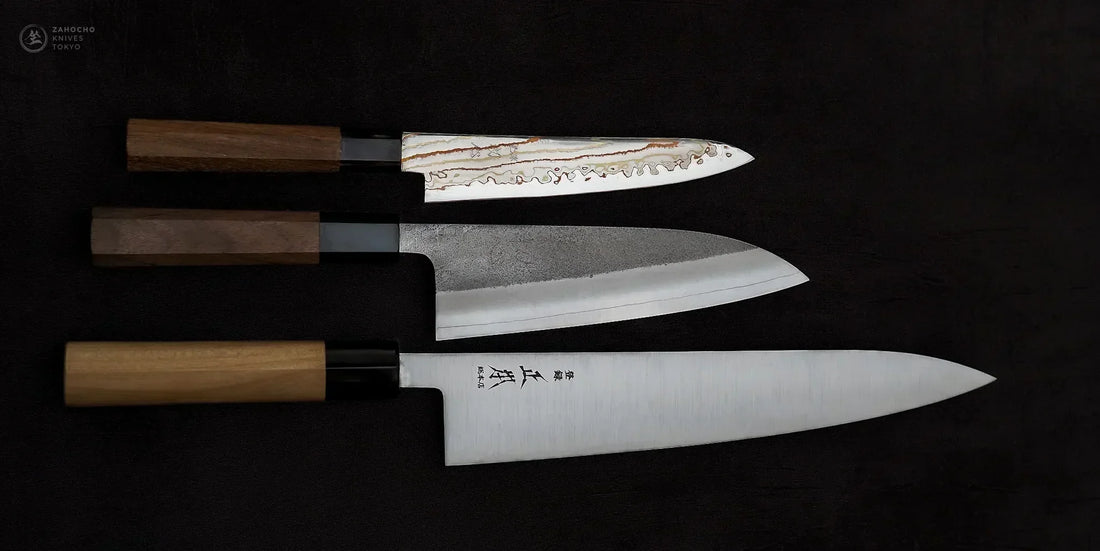
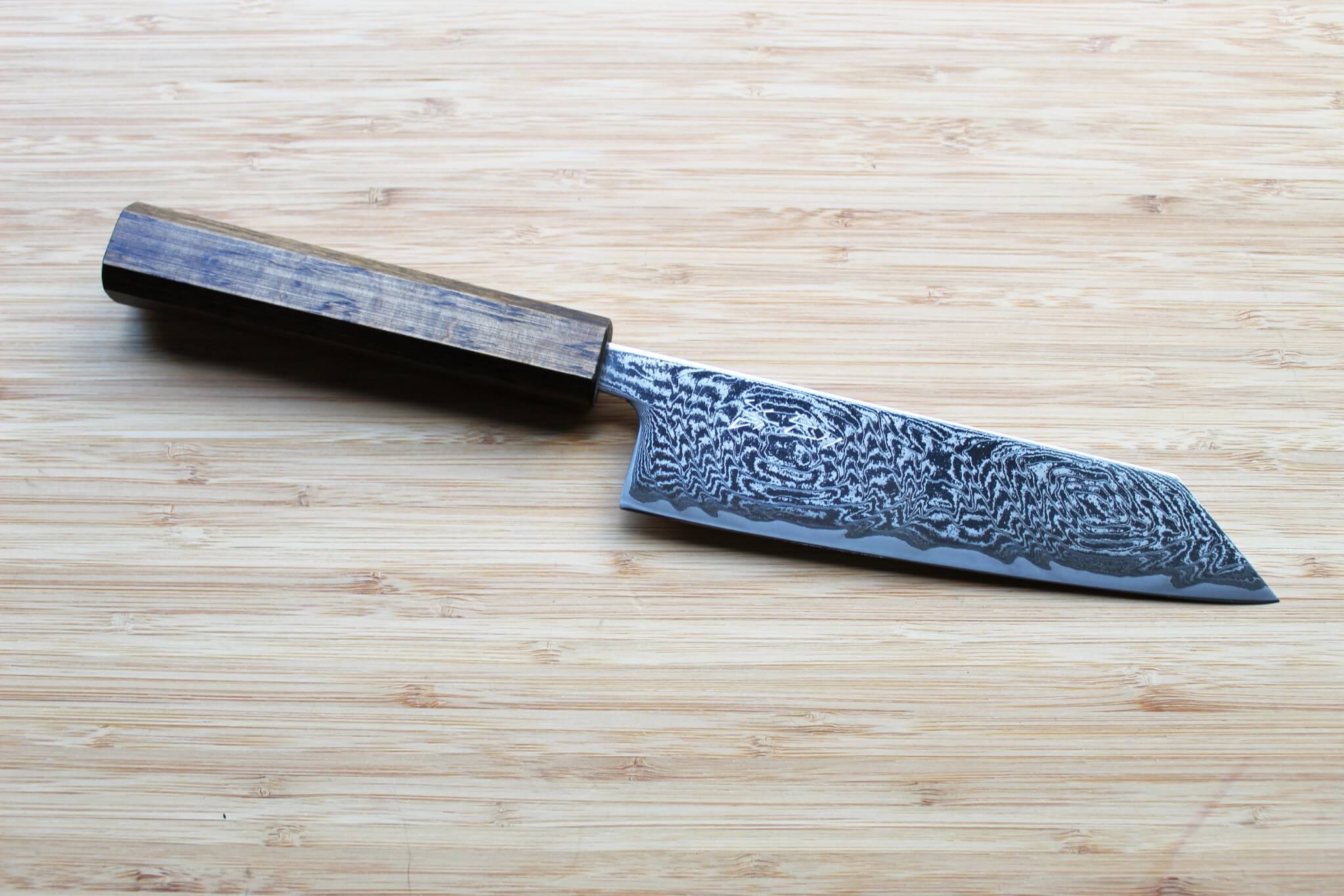
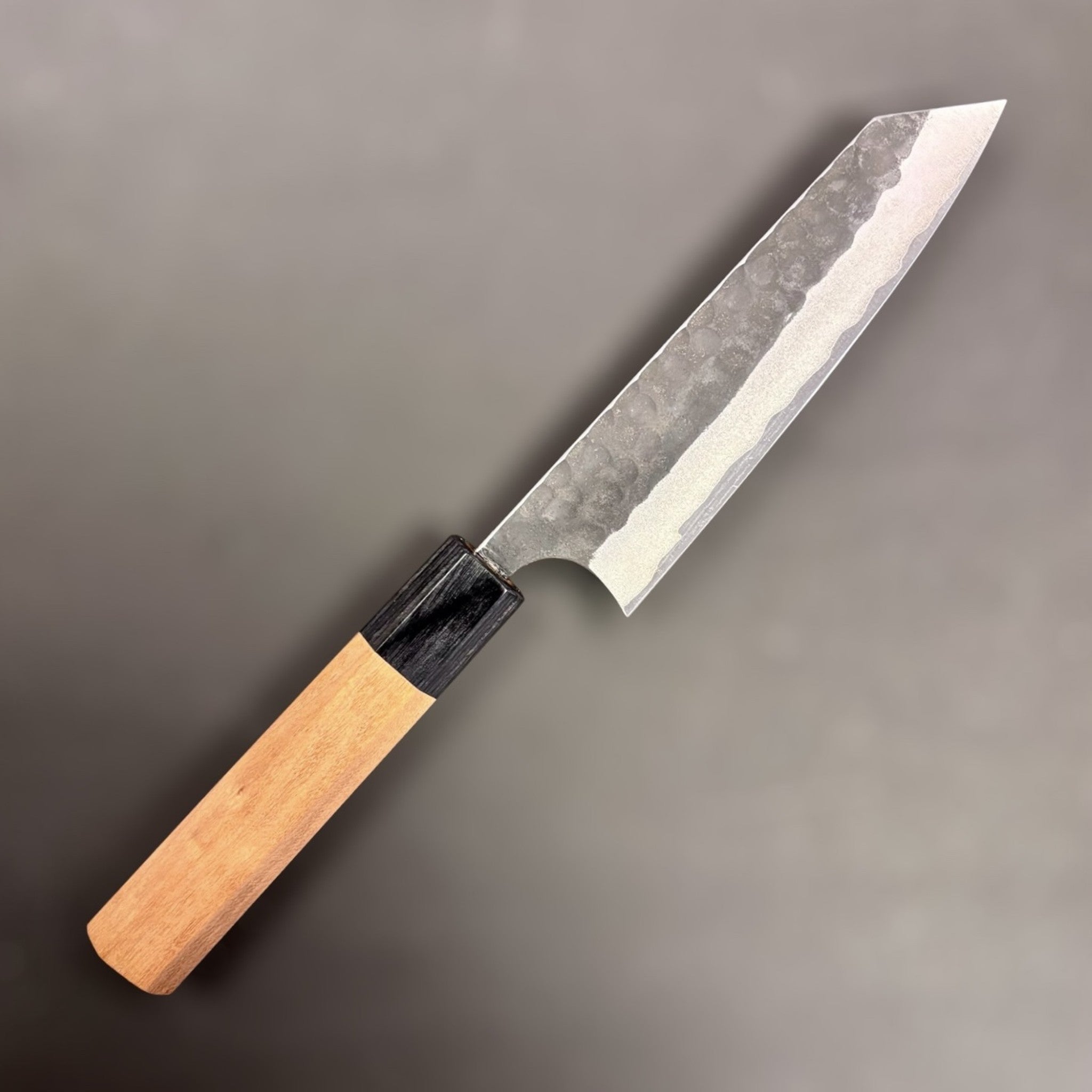
A bunka knife is a Japanese all-purpose chef knife. It has a slightly angled tip called a "tanto" or clipped tip. The blade length usually ranges from 5 to 7 inches, making it compact and easy to handle. The bunka knife sits between a santoku and a gyuto in style and function.
Why the bunka knife for beginners works well:
- It is nimble for small tasks and solid for larger cuts.
- The distinctive tip helps with precision work.
- Its smaller size helps beginners control the blade safely.

Source: japanese-food-craftsman.com

Key features and anatomy
Understanding the anatomy helps beginners use the bunka knife with confidence. The main parts are:
- Blade tip: Often a clipped or angled tip for piercing and fine cuts.
- Edge profile: Generally a flat or slightly curved edge that supports push and pull cuts.
- Spine: The thick top of the blade adds balance and strength.
- Heel: The back part of the edge used for chopping.
- Handle: Can be Western or Japanese style; balance and grip are important.
These features make the bunka knife for beginners versatile. The tip aids detail work. The flat edge helps thin slicing. The compact blade reduces wrist fatigue during learning.
Why choose a bunka knife for beginners
The bunka knife for beginners shines for several reasons:
- Versatility: It handles vegetables, fish, and most proteins well.
- Control: Shorter blade means easier control for new cooks.
- Precision: The tip allows delicate tasks like trimming and scoring.
- Easy learning curve: You can practice multiple knife skills without swapping tools.
From my experience, a bunka knife for beginners shortened prep time and improved accuracy. I found it easier to maintain technique compared to long chef knives. It’s a single blade that covers most everyday tasks.

How to use a bunka knife: basic techniques
Use simple, repeatable moves as you learn. Practice these basics with your bunka knife for beginners:
- Grip: Use a pinch grip near the blade for control. Hold the handle with the other three fingers.
- Motion: Use a gentle push-pull for thin slices, and a rocking motion up to the clipped tip for herbs.
- Chopping: Use the heel of the blade for hard items. Keep the tip on the board when rocking.
- Precision: Use the angled tip to trim, score, and detail small items like garlic and ginger.
Practice on soft vegetables first. Then move to firmer items. Keep sessions short and consistent. This builds muscle memory for the bunka knife for beginners.
Buying guide for beginners
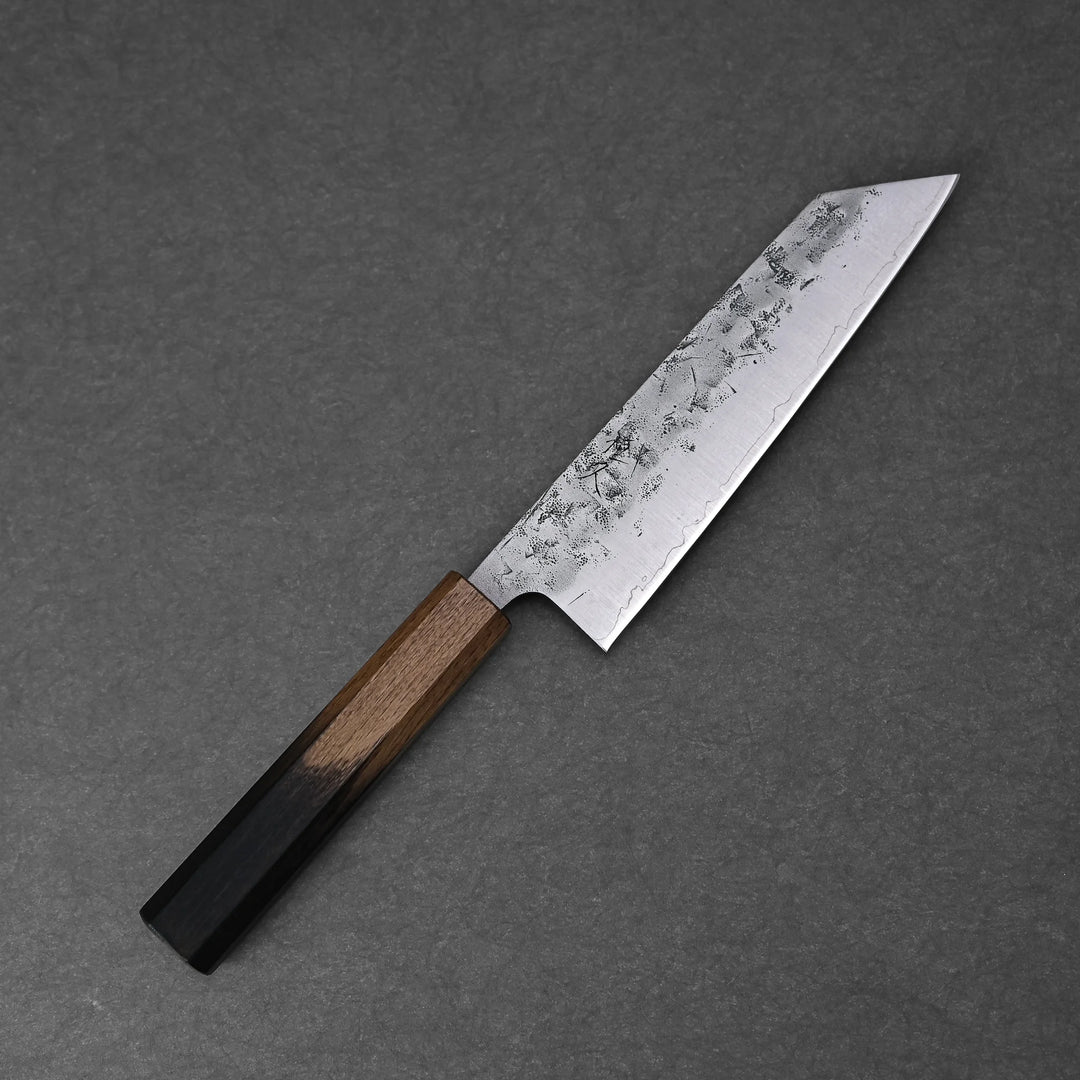
When shopping for a bunka knife for beginners, focus on these factors:
- Blade steel: Look for mid-range stainless steel for low maintenance or high-carbon for sharper edges though more care.
- Blade length: 5 to 7 inches fits most beginner hands and kitchens.
- Handle comfort: Try both Western and Japanese handles. Choose the grip that feels secure.
- Weight and balance: A balanced knife feels neutral in the hand. Heavier blades can cut through tough items more easily.
- Price range: Expect to spend moderately for a reliable bunka knife for beginners; premium brands cost more but last longer.
A test tip: If possible, hold the knife in-store. If it feels awkward, try another. Comfort leads to safer use and faster learning.

Care and maintenance
Good care keeps your bunka knife for beginners performing well. Follow these steps:
- Washing: Hand wash with mild soap and dry immediately. Avoid dishwashers.
- Honing: Use a honing rod weekly to straighten the edge.
- Sharpening: Sharpen every few months with a whetstone or a professional service.
- Storage: Use a magnetic strip, blade guard, or knife block to protect the edge.
- Cutting surface: Use wood or plastic boards. Avoid glass, stone, or metal.
From my tests, gentle care extends sharpness and reduces chips. Beginners who sharpen on a stone find their bunka knife for beginners becomes easier to use and more precise.

Common mistakes and how to avoid them
Beginners often make simple errors. Avoid these with a bunka knife for beginners:
- Wrong grip: Holding too far back reduces control. Use the pinch grip.
- Forcing cuts: Pushing hard leads to slips. Let the blade do the work.
- Neglecting maintenance: Dull blades force poor technique. Keep the edge sharp.
- Wrong board: Hard surfaces damage the edge quickly. Use wood or plastic.
- Ignoring balance: A poorly balanced knife causes fatigue. Try different models to find balance.
I once bought a cheap blade and learned the hard way. It dulled fast and made me develop bad habits. Upgrading to a proper bunka knife for beginners fixed that.
Practical exercises for beginners
Hands-on practice speeds learning. Try these exercises with your bunka knife for beginners:
- Julienne matchsticks: Slice carrots and peppers thin and even.
- Rock-slice onion: Practice a rocking motion while keeping the tip down.
- Trim and butterfly chicken: Use the tip to make precise cuts.
- Mince herbs: Use short, fast strokes with the tip for fine mince.
Spend 10–15 minutes a day. These exercises build confidence and control more than long, occasional sessions.

Personal experience and lessons learned
I began with a small, inexpensive bunka knife for beginners. It taught me control and technique quickly. Key lessons I learned:
- Invest in a decent blade early.
- Short, daily practice beats weekend marathons.
- Learn to sharpen with a stone; it saves money and improves skill.
- Match the knife to your cooking style—if you prep lots of vegetables, the bunka knife for beginners will be especially useful.
These real-world tips come from years of kitchen use and testing. They helped me move from shaky first cuts to confident prep work.
Pairing and related tools
A bunka knife for beginners works well alongside:
- Paring knife for tiny tasks.
- Chef’s knife for large roasts if you need longer blades.
- Whetstone and honing rod for care.
- Cutting board with a stable surface.
Use the bunka knife for beginners for most tasks. Pull in these tools as the job calls for them.
Frequently Asked Questions of bunka knife for beginners
What is the best blade length for a bunka knife for beginners?
A 5 to 7 inch blade is ideal for beginners. It balances control and reach without overwhelming a new user.
Is a bunka knife good for cutting meat?
Yes. A bunka knife for beginners handles meat well for trimming and slicing, though very large roasts may need a longer chef knife.
How often should I sharpen my bunka knife for beginners?
Sharpen every few months with regular home use. Hone weekly to keep the edge aligned and performing well.
Can beginners use a bunka knife for delicate tasks?
Absolutely. The angled tip and compact blade make a bunka knife for beginners great for delicate trimming and fine slicing.
Should I choose stainless or high-carbon steel?
For beginners, mid-grade stainless steel is easier to maintain. High-carbon steels sharpen extremely well but need more care.
Conclusion
A bunka knife for beginners is a smart, practical choice for anyone starting to learn knife skills. It offers control, precision, and versatility in a compact package. Practice simple techniques, keep the blade cared for, and choose a model that feels balanced in your hand. Take one step today: try a basic practice routine or test a few models in store to find the right bunka knife for beginners. Share your first results or questions below, and subscribe or follow for more hands-on knife tips.

Maliha Akter is a kitchen knife reviewer and food preparation specialist with over 6 years of experience testing Japanese kitchen knives and everyday cooking tools. She focuses on performance, safety, durability, and real-world usability to help home cooks choose the right knives for efficient and enjoyable cooking.
Expertise:Japanese Knives • Vegetable Knives • Product Reviews • Kitchen Efficiency • Knife Care