A bunka knife guide helps you choose, use, and maintain this versatile Japanese kitchen blade.
I have spent years testing Japanese knives in pro kitchens and home settings. This bunka knife guide draws on that hands-on work. Read on to learn what a bunka knife is, how it differs from other blades, how to pick one, and how to care for it. I will share clear tips, mistakes to avoid, and real-world use cases so you can buy and use a bunka blade with confidence.

What is a Bunka Knife?
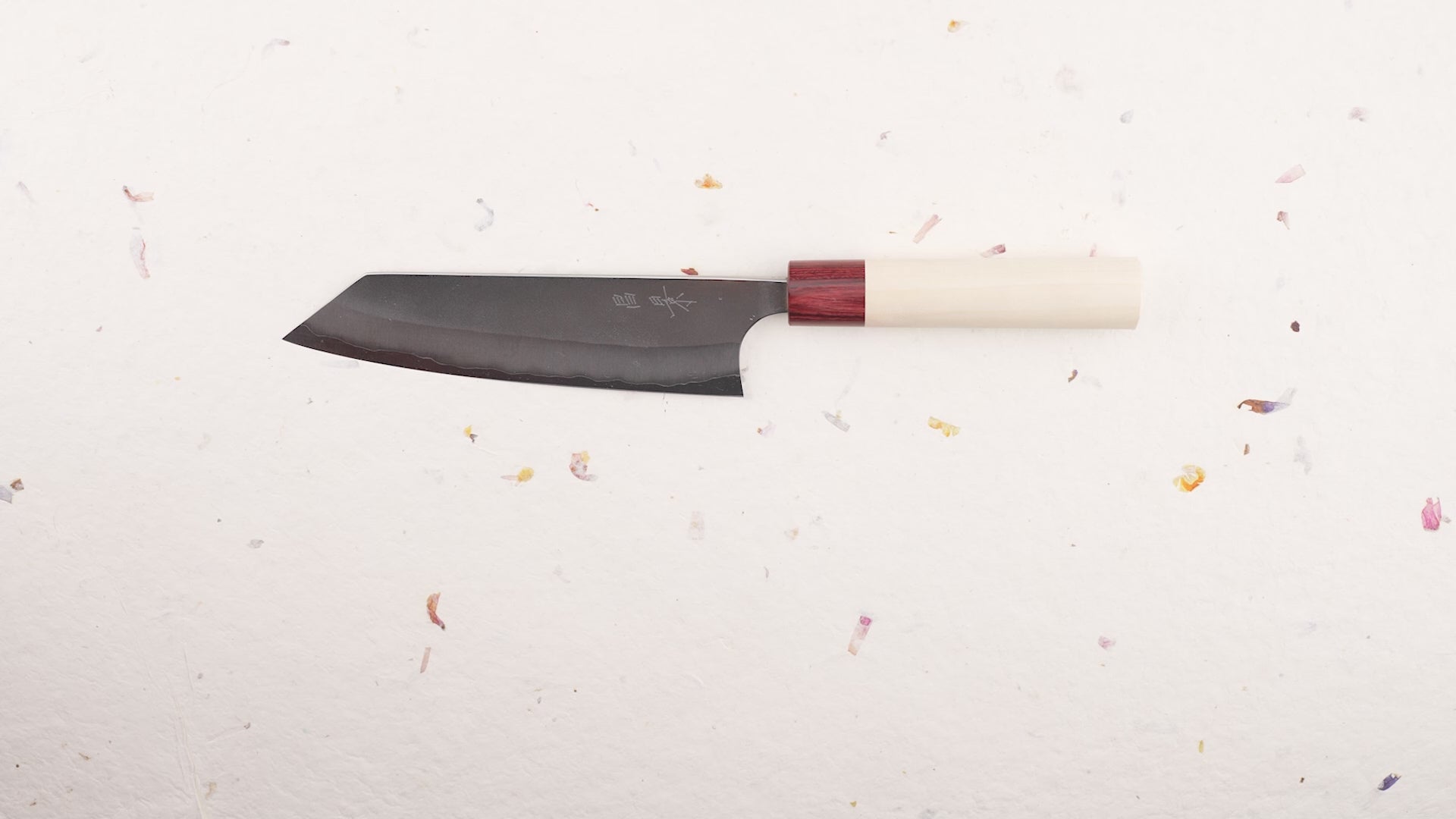
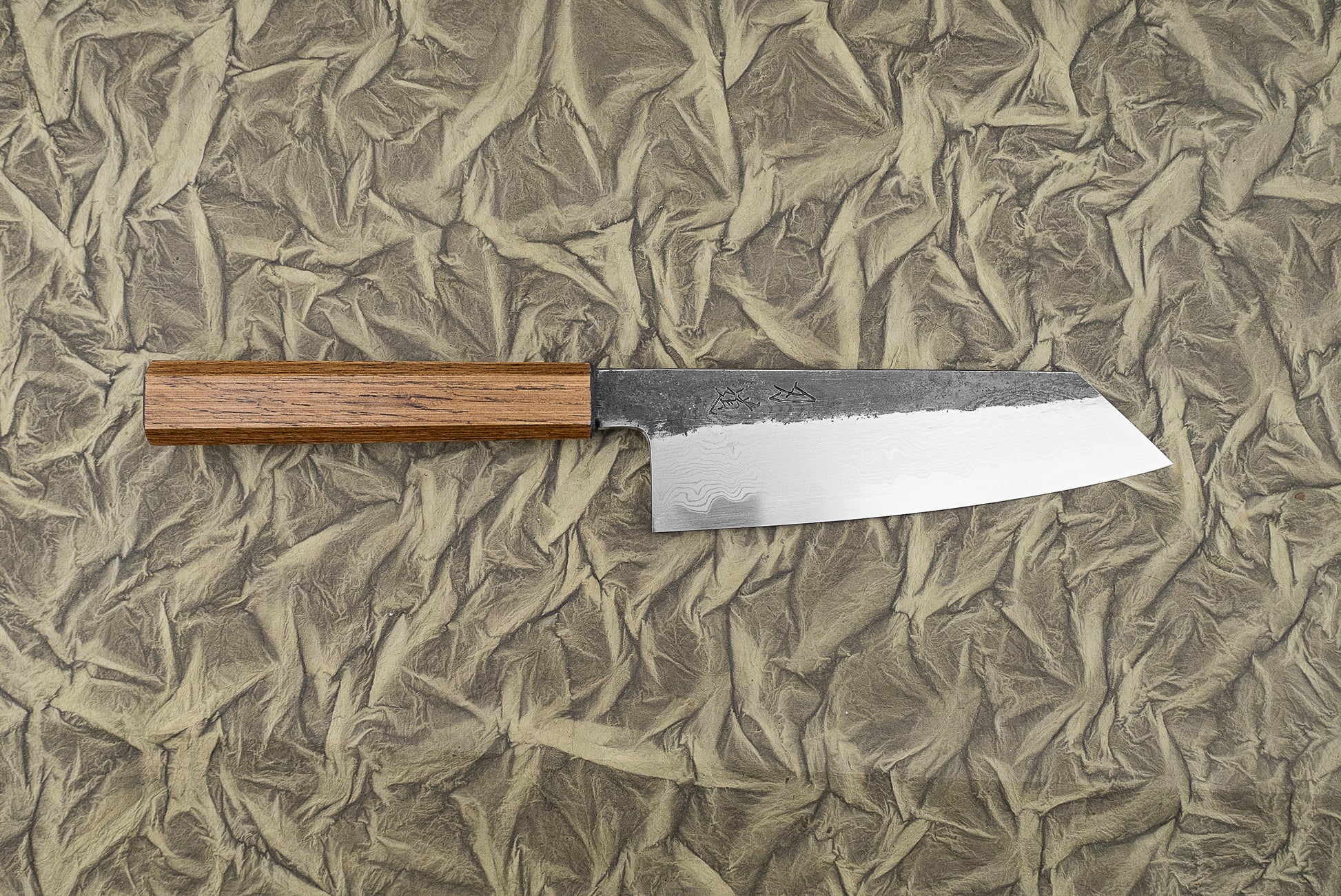
A bunka knife guide begins with a clear definition. The bunka is a Japanese multipurpose chef knife. It blends the shape of a santoku and a nakiri. The blade usually has a pointed tip and a straight edge. It suits slicing, dicing, and fine cuts. Many cooks like it for root veg, herbs, and fish. I once replaced two knives with a single bunka during a busy prep day. It saved time and cut waste.
Bunka Knife Anatomy and Types
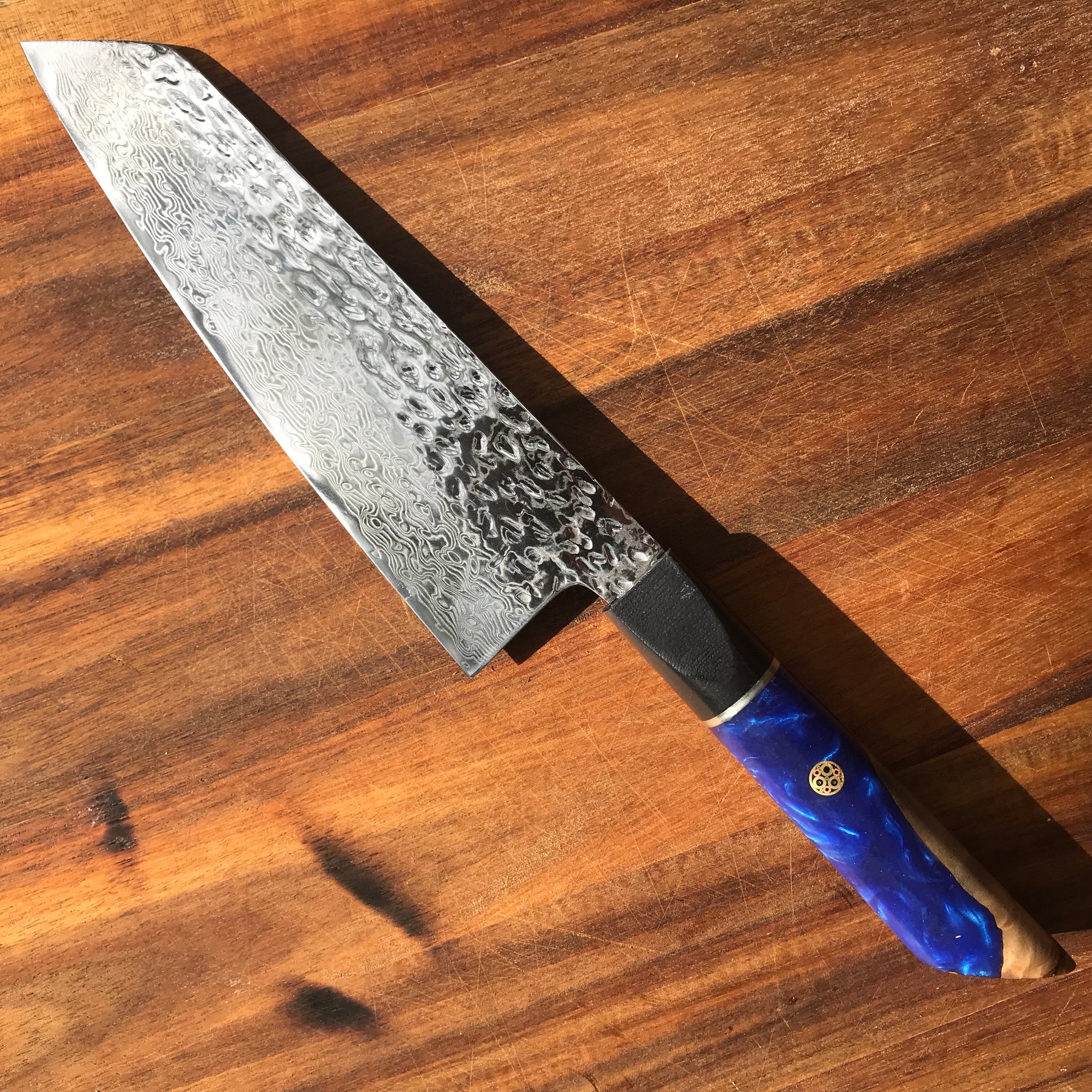
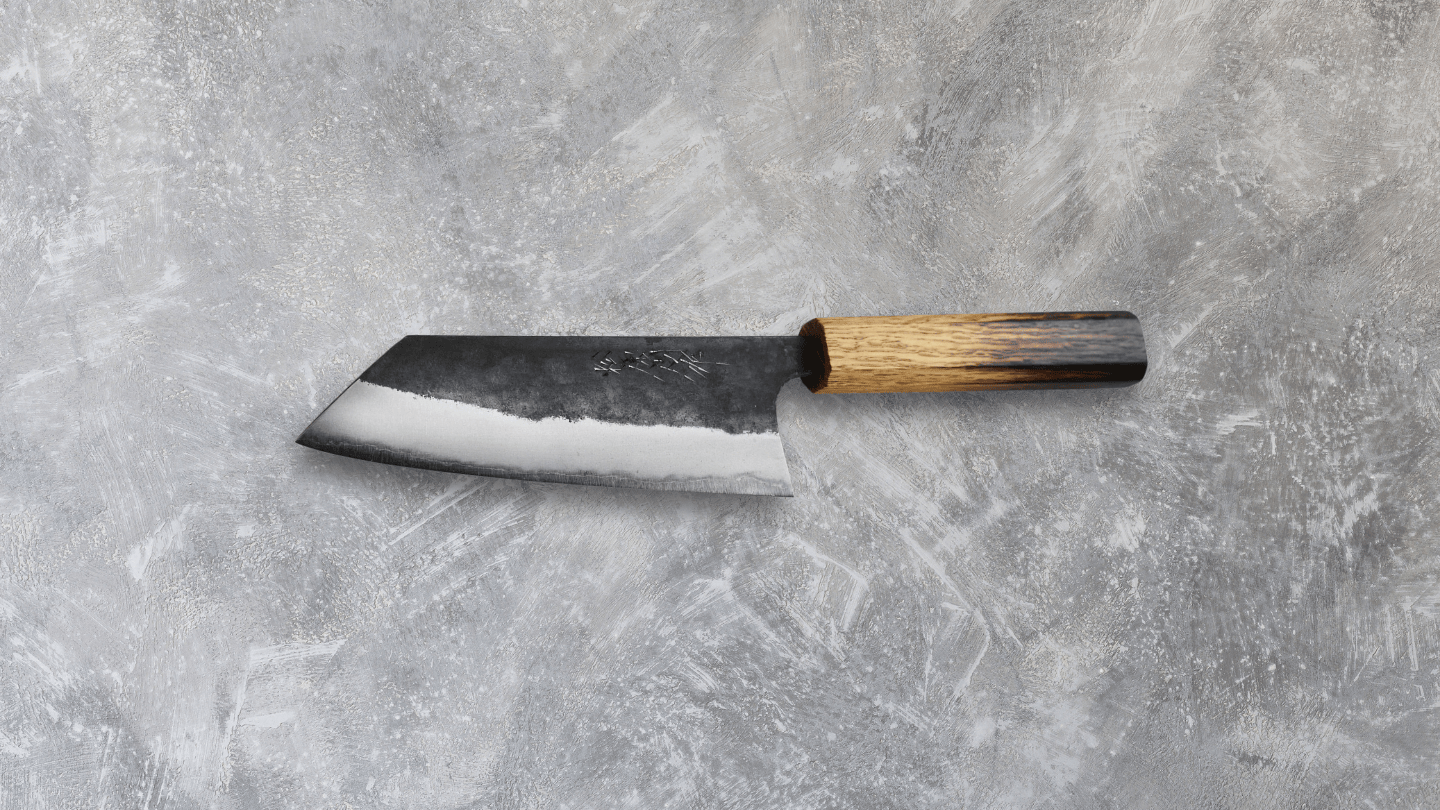
This bunka knife guide covers blade parts and steel types to help you choose. The key parts are the tip, edge, spine, and heel. The tip is sharp and angled. The edge is flat and long. The spine gives weight and balance. Steel matters a lot. Common steels include stainless, high-carbon, and powdered steels. The finish can be mirror, matte, or hammered. Handle styles vary between Western and Japanese mounts. A full-tang handle adds durability. I have handled bunka knives with both octagonal and Western handles; octagonal handles feel lighter in long shifts.

Uses and Benefits of a Bunka Knife
A useful bunka knife guide explains why cooks pick this blade. The bunka excels at:
- Slicing: Clean strokes on fish and meats.
- Chopping: Fast work on herbs and vegetables.
- Precision: Sharp tip for trimming and scoring.
- Versatility: Replaces two knives in many kitchens.
Benefits include less clutter, faster prep, and fine control. It is ideal for cooks who want one strong multiuse blade. In my kitchen, the bunka handled delicate fish and hard squash without fuss.
How to Choose the Right Bunka Knife
A practical bunka knife guide helps you match blade to need. Follow these steps:
- Decide on steel. Choose stainless for low care and high-carbon for edge retention.
- Check blade length. 6.5 to 7.5 inches is common and balanced.
- Test the handle. Pick a grip that fits your hand. Comfort reduces fatigue.
- Look for grind and edge angle. A 15–20 degree angle per side gives sharpness and durability.
- Consider weight and balance. Heavier blades cut through tough food. Lighter blades give speed and finesse.
Try to handle the knife before buying. If you shop online, read specs and reviews. I once bought a well-rated bunka that felt clumsy. Trying similar knives in person later saved me money.

How to Care for and Sharpen a Bunka Knife
A thorough bunka knife guide covers care routines and sharpening steps. Daily care is simple:
- Wash by hand: Use warm water and mild soap. Dry right away.
- Store safely: Use a sheath or magnetic strip.
- Avoid dishwashers: Heat and detergent harm the edge and handle.
Sharpening routine:
- Use a whetstone: Soak stone if needed, then push the blade at the correct angle.
- Start coarse then fine grits: 1000 to 6000 grit progression works well.
- Finish with a leather strop: This polishes and removes burrs.
If you lack skill, seek a pro sharpener. I learned sharpening on a grit set. Practice kept my bunka sharp and extended its life.
Using a Bunka Knife Safely and Techniques
This bunka knife guide also teaches safe handling and cutting methods. Safety basics:
- Grip: Hold the handle firmly and pinch the blade near the heel.
- Posture: Keep fingers curled on the guiding hand.
- Motion: Use short, smooth strokes for most cuts.
Techniques to master: - Rock-slice for herbs: Small forward strokes keep herbs whole.
- Push-cut for veg: Press forward and down in a straight line.
- Fine tip work: Use the point for trimming and scoring.
Practice on soft produce first. I taught a friend basic cuts in one hour and she gained trust fast. Mistakes to avoid include forcing the blade and cutting on glass or stone boards.
Frequently Asked Questions of bunka knife guide
What is the difference between a bunka and a santoku?
A bunka has a more pointed tip and a slightly taller spine. A santoku is flatter and better for straight chopping. Both are multipurpose, but the bunka adds more tip work.
Can a bunka replace a chef’s knife?
Yes. A bunka can replace a chef’s knife for many cooks, especially in small kitchens. It handles most prep tasks well.
How often should I sharpen a bunka knife?
Sharpen based on use. Home cooks sharpen every few months. Professional cooks may touch up weekly. Hone between sharpening to keep the edge.
Is stainless or high-carbon better for a bunka?
Stainless needs less care and resists rust. High-carbon holds an edge longer but needs more care. Choose based on your time and preference.
How long is a typical bunka blade?
Most bunka blades are 6.5 to 7.5 inches long. Shorter models exist for precise work. Pick a length that fits your cutting board and hand.
Conclusion
This bunka knife guide gives clear steps to choose, use, and care for a bunka knife. You now know what a bunka is, how it differs from related blades, how to pick the right steel and handle, and how to keep the edge sharp. Try one in person if you can. Start with a mid-range model and practice safe cuts. If you found this guide useful, try another knife style or leave a comment about your bunka experiences.

Maliha Akter is a kitchen knife reviewer and food preparation specialist with over 6 years of experience testing Japanese kitchen knives and everyday cooking tools. She focuses on performance, safety, durability, and real-world usability to help home cooks choose the right knives for efficient and enjoyable cooking.
Expertise:Japanese Knives • Vegetable Knives • Product Reviews • Kitchen Efficiency • Knife Care