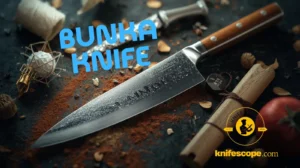
A bunka knife hammered finish adds small dimples that reduce sticking and enrich blade beauty.
I’ve worked with professional knives and kitchen pros for years. This guide breaks down what a bunka knife hammered finish is, how it’s made, why it matters, and how to choose and care for one. Read on for clear, actionable advice and real-world tips to help you pick and use a bunka knife hammered finish with confidence.

What is a bunka knife hammered finish?
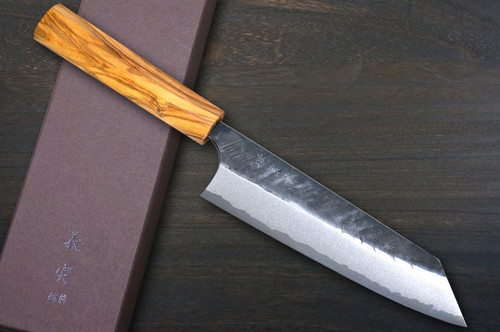
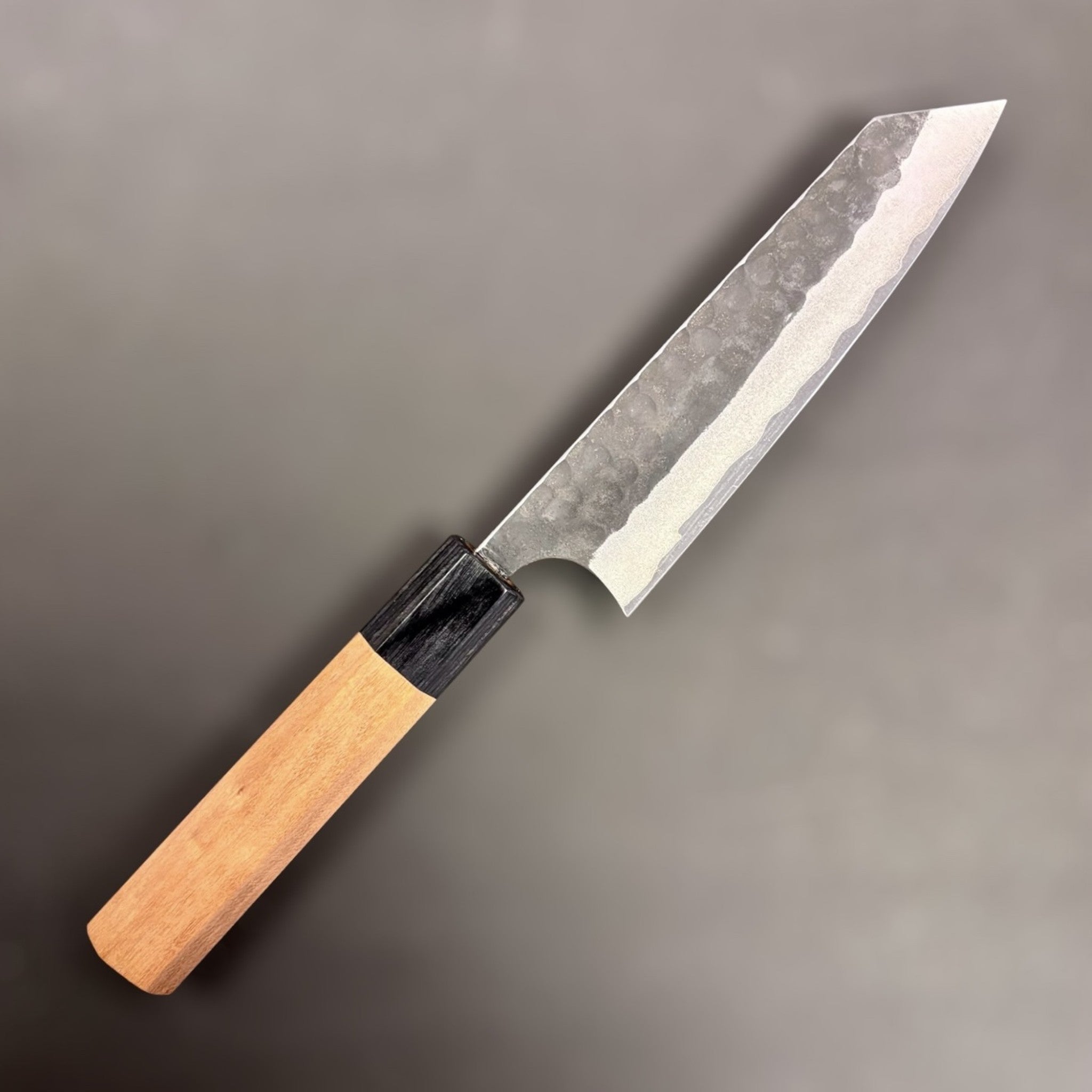
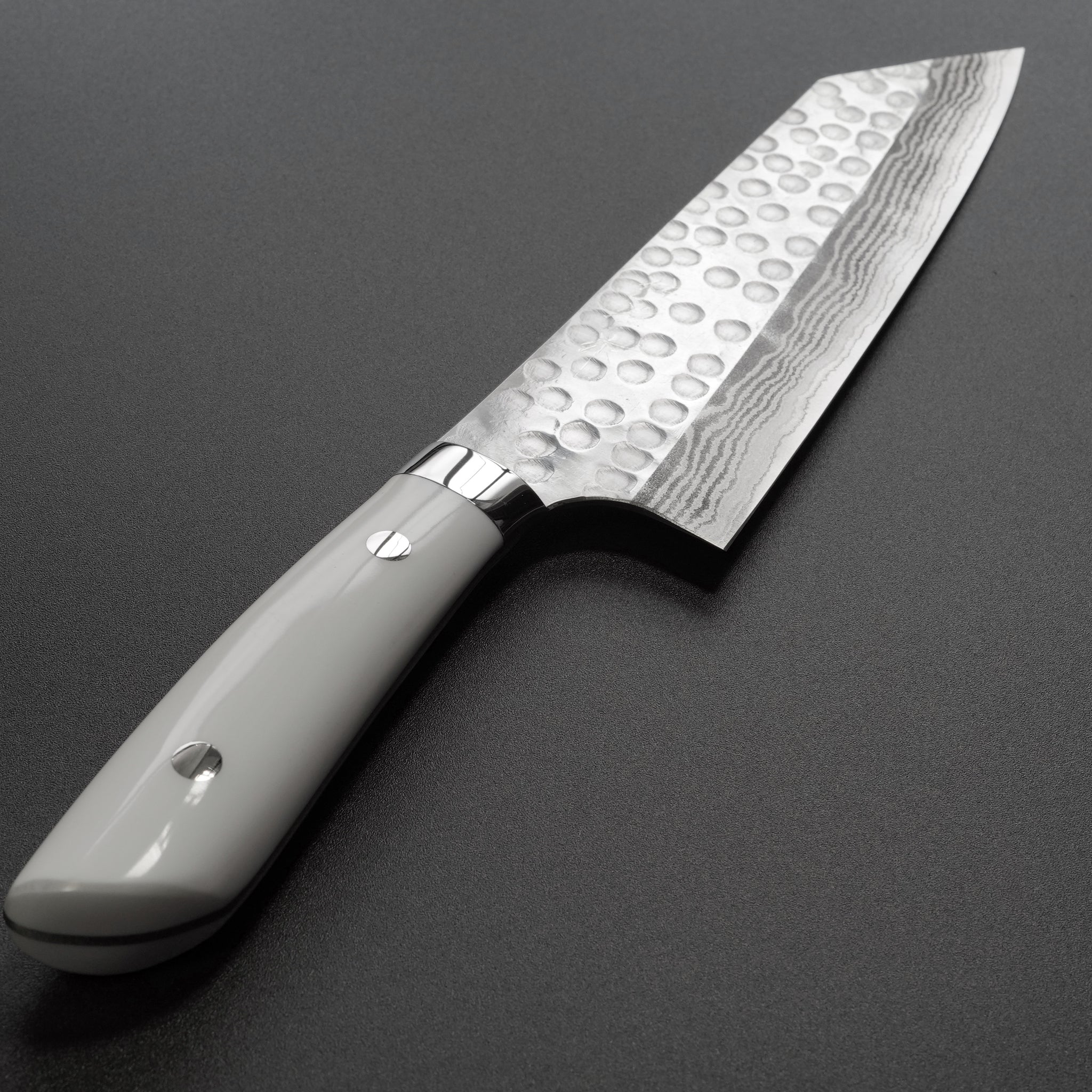
A bunka knife hammered finish refers to small, deliberate hammer marks on the blade surface. These dimples are often called tsuchime in Japanese. The hammering creates pockets of air between the blade and food. That lowers suction and helps slices release cleanly from the blade.
The bunka knife hammered finish is common on Japanese-style blades. It pairs well with the broad, triangular bunka profile. The finish is both functional and decorative. Many cooks prefer the look and the sticking reduction it provides.

How the hammered finish (tsuchime) is made
Hammering is done during forging or after forging on the finished blade. Skilled smiths use small, rounded hammers to create shallow, evenly spaced dimples. Some manufacturers replicate the effect with stamping or rolling to cut cost.
Key steps in the process:
- Forge or shape the blade first so steel grain aligns properly.
- Use a rounded hammer to make uniform tsuchime marks across the flat.
- Smooth the edge, but leave dimples on the flats to keep nonstick benefits.
- Finish with polishing or light satin grinding to match the aesthetic.
Hand-hammered finishes show slight irregularities. Those variations are a sign of craft. Machine-stamped finishes look more uniform but cost less and still work well.
Benefits of a bunka knife hammered finish
The hammered finish offers several practical advantages:
- Reduced sticking: Dimples let juices and thin slices lift away easily from the blade.
- Faster prep: Less time spent freeing sticky items like cucumbers or potatoes.
- Improved aesthetics: The tsuchime pattern gives a handcrafted look.
- Food release helps delicate cuts: Slicing fish or veggies is cleaner with fewer torn edges.
- Improved durability perception: Visible hammer marks often signal handwork and quality.
For home cooks and chefs, the bunka knife hammered finish can speed routine tasks. That small edge in performance makes a big difference when you prep large volumes.

Limitations and drawbacks
Not every situation benefits equally from a bunka knife hammered finish. Consider these caveats:
- More cleaning time: Dimples can trap small food bits, especially with sticky sauces.
- Not a substitute for a thin edge: Hammered finish doesn’t change edge geometry or long-term sharpness.
- Aesthetic preference: Some cooks prefer a mirror-polished blade instead of tsuchime.
- Price variance: Hand-hammered blades often cost more due to labor.
If you need a pure workhorse with minimal maintenance, a plain-finished bunka may be better. Still, for most cooks the benefits outweigh the minor upkeep.
Blade materials and how finish interacts
The effect of a bunka knife hammered finish depends on blade steel and construction:
- Carbon steel: Shows hammer marks clearly and develops a patina; dimples may darken with use.
- Stainless clad or san-mai: Dimples remain visible and resist corrosion; easier maintenance.
- High-end steels (VG-10, SG2): Combine hard edges with tsuchime for a sharp, food-release blade.
Match the hammered finish to how you cook. If you use acidic foods often, stainless cladding helps avoid staining in the dimples. For a classic look with strong edge retention, carbon-steel bunka knives with tsuchime are popular choices.

How to choose the right bunka knife hammered finish
Choosing is about balance. Consider these factors:
- Hand-hammered vs. machine-stamped: Choose hand-hammered for craft and unique marks; stamped for budget and consistency.
- Steel type: Pick stainless if you want low maintenance; carbon for easy sharpening and traditional feel.
- Finish depth: Shallow dimples reduce sticking with less food catch; deep dimples help release but trap more debris.
- Handle and balance: A great finish won’t fix poor balance or a floppy handle. Test feel before buying.
Practical buying steps:
- Hold the knife to test balance and comfort.
- Inspect the hammer marks for uniformity and finish quality.
- Ask about steel and heat treatment for edge performance.
- Read reviews and test in-store if possible.
A well-chosen bunka knife hammered finish should suit your cooking style and maintenance willingness.
Care, sharpening, and maintenance
Care routines for a bunka knife hammered finish are straightforward:
- Hand wash only: Avoid dishwasher to protect finish and edge.
- Dry immediately: Prevent water spots in the dimples and blade surface.
- Regular honing: Use a ceramic rod to realign the edge before each use.
- Sharpen carefully: Use whetstones and preserve the existing edge angle.
Sharpening tips specific to hammered finish:
- Keep strokes consistent along the edge; avoid grinding the flats excessively.
- Rinse and dry the dimples after sharpening to remove slurry.
- If the finish is hand-hammered, be gentle near the flats to keep the pattern intact.
Proper care preserves both performance and the look of the bunka knife hammered finish.
Personal experience and practical tips
I’ve tested many bunka knives with hammered finishes in busy kitchens. Small details matter:
- I found a shallow tsuchime pattern strikes the best balance between food release and easy cleaning.
- When slicing thin cucumbers, the hammered finish saved time and improved presentation.
- Early mistakes: I once bought a stamped finish that looked cheap up close; lesson learned—inspect in person.
Practical tips I use daily:
- Wipe the blade often during long prep sessions to avoid buildup in dimples.
- Store blade dry and lightly oiled if carbon steel to prevent patina in unwanted areas.
- Match the hammered bunka to a whetstone that fits your sharpening routine.
The bunka knife hammered finish is as much about feel as function. Try a few to find one that clicks with your technique.
Frequently Asked Questions of bunka knife hammered finish
What does the term tsuchime mean for a bunka knife hammered finish?
Tsuchime refers to the hand-hammered dimples on the blade surface. It’s a traditional Japanese technique used to reduce food sticking and add visual texture.
Does a hammered finish make the bunka knife less sharp?
No, the hammered finish affects the flat surfaces, not the cutting edge. Sharpness depends on the steel, heat treatment, and edge grind.
How do I clean food trapped in the hammer marks?
Rinse under warm water and use a soft brush if needed. Dry thoroughly to prevent water spots or corrosion.
Is a hand-hammered finish better than a stamped finish?
Hand-hammered finishes have unique character and may indicate higher craftsmanship; stamped finishes are consistent and more affordable. The functional food-release effect can be similar.
Can I sharpen a bunka knife with a hammered finish at home?
Yes, you can sharpen it on whetstones like any other knife. Be mindful to preserve the edge angle and avoid altering the hammered flats unnecessarily.
Conclusion
A bunka knife hammered finish blends form and function. It reduces sticking, looks craft-made, and suits many kitchen tasks. Choose the right steel, inspect the finish, and adopt simple care habits to keep performance high. Try a few finishes to find the balance that fits your cooking style, and apply the practical tips here to get the best from your blade. If this guide helped, leave a comment, share your experience, or subscribe for more knife-buying and care advice.

Maliha Akter is a kitchen knife reviewer and food preparation specialist with over 6 years of experience testing Japanese kitchen knives and everyday cooking tools. She focuses on performance, safety, durability, and real-world usability to help home cooks choose the right knives for efficient and enjoyable cooking.
Expertise:Japanese Knives • Vegetable Knives • Product Reviews • Kitchen Efficiency • Knife Care