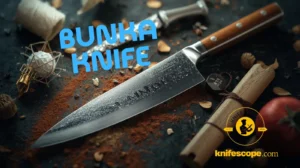
A bunka knife with a kurouchi finish is a traditional-looking blade with a raw, dark forge patina.
I have spent years testing Japanese knives and teaching knife care. This article explains what a bunka knife kurouchi finish is, why enthusiasts and chefs love it, how it affects performance, and how to choose and care for one. I’ll share practical tips, clear examples, and hands-on lessons from my own experience to help you decide if a bunka knife kurouchi finish belongs in your kitchen.

What is a bunka knife kurouchi finish?
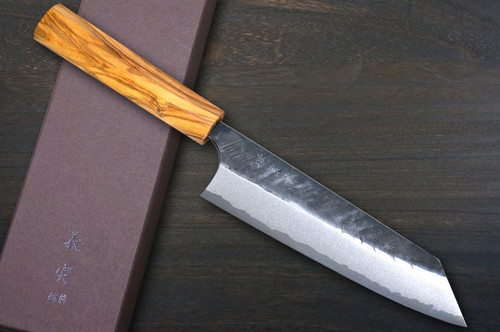
A bunka knife is a Japanese multi-purpose blade with a distinctive triangular tip and a tall profile. A kurouchi finish is the dark, rustic coating left on the blade from the forge scale that remains after heat treatment. When combined, a bunka knife kurouchi finish means a bunka-shaped blade that keeps its raw, protective patina instead of being fully polished.
The kurouchi layer looks matte and black-brown. It protects the steel from corrosion and gives the knife a handmade, traditional look. The finish does not change cutting geometry, but it signals a certain forging process and a different care routine than mirror-polished knives.
History and craftsmanship behind the kurouchi finish
The kurouchi finish traces to old Japanese forging methods. Blacksmiths left the scale intact to save time and to protect the blade. That same tradition carries into modern maker practices for authenticity and economy.
Bunka blades often come from workshops that blend modern heat treatment with classic forging. Craftsmen heat, hammer, and quench the steel, then lightly clean the edge while leaving the kurouchi on the flats and spine. The result is a utilitarian blade that looks aged while being fully functional.
Blade materials, construction, and anatomy
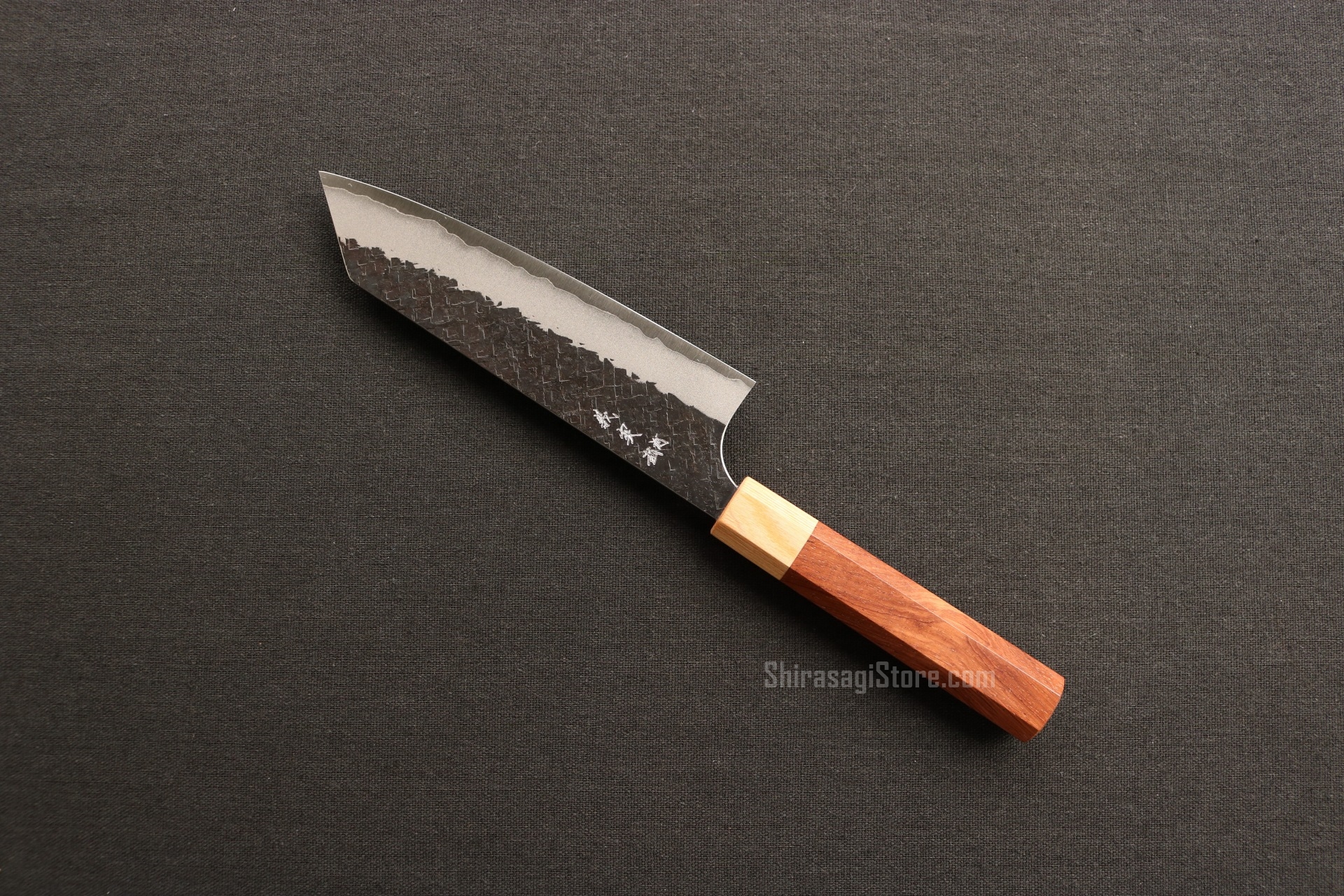
Bunka knives with kurouchi finishes come in several material types. Common options include carbon steel, high-carbon stainless, and layered steels (san-mai or cladding).
Key components to know:
- Steel core: Provides hardness and edge retention. Often high-carbon or tool steel.
- Cladding: Soft stainless or iron layers that protect and toughen the blade.
- Kurouchi layer: Forge scale retained on the surface for protection and aesthetics.
- Edge geometry: Bunka blades typically use a double bevel with a slight single-bevel influence near the tip for precise cuts.
How the kurouchi finish affects construction:
- The kurouchi layer can mask hammer marks and minor imperfections.
- It reduces the need for full polishing during making, keeping costs lower.
- The finish can slightly reduce glare and hide staining on carbon steel.

Advantages and limitations of a bunka knife kurouchi finish
Advantages:
- Natural corrosion protection on carbon steel due to the patina-like layer.
- Authentic, rustic aesthetic that many cooks prefer.
- Less polishing means lower cost and preservation of artisan marks.
- Practical for heavy kitchen use: scratches and minor rust show less.
Limitations:
- Kurouchi can rub off over time near the edge and handles, leaving uneven appearance.
- Carbon steel with kurouchi still needs regular oiling and drying to prevent rust.
- Some users dislike the rough look or the tendency of the finish to flake with heavy use.
- Kurouchi may trap food particles if the surface is very rough; cleaning is important.

How to use and maintain a bunka knife kurouchi finish
Using a bunka knife kurouchi finish is like using any quality Japanese blade but with a few extra care steps.
Basic use tips:
- Use soft cutting surfaces like wood or plastic to preserve the edge.
- Avoid twisting or prying; bunka tips are precise but can chip if misused.
- Keep cutting motions straight for clean slices.
Maintenance routine:
- Rinse and dry immediately after use. The kurouchi finish slows rust but does not stop it.
- Apply a light coat of food-safe oil (mineral oil or camellia) to carbon steel after drying.
- Sharpen regularly. Kurouchi does not affect sharpening but may flake near the edge—hone often.
- If surface rust appears, remove gently with a paste of baking soda and water or a fine abrasive pad, then oil.
Sharpening specifics:
- Start with medium-grit whetstones for dull blades, then finish on fine stones.
- Keep consistent angles; bunka blades often use 15–20 degrees per side.
- After sharpening, remove burrs, wipe clean, and oil.
Buying guide: choosing the right bunka knife kurouchi finish
When shopping, consider these factors:
- Steel type: Carbon steel gives best edge and patina; stainless variants reduce maintenance.
- Edge hardness: Higher HRC (hardness) holds an edge longer but chips more easily.
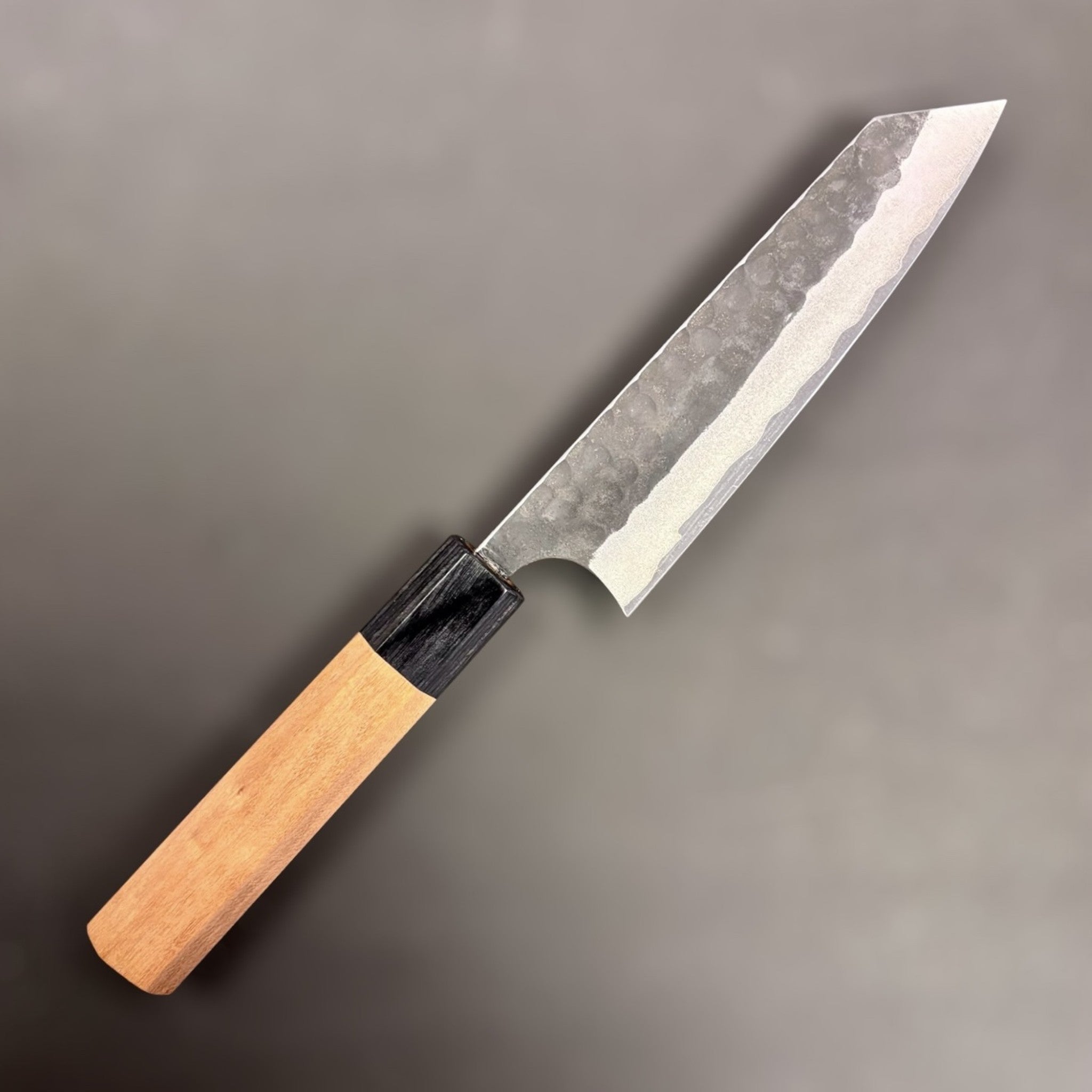
- Balance and handle: Try the weight and feel. Traditional wa handles suit many users.
- Kurouchi quality: Look for a consistent finish with controlled scale, not crude roughness.
- Maker reputation: Choose reputable makers with clear heat treatment and hardness specs.
Questions to ask sellers:
- What steel and HRC rating do you use?
- Is the kurouchi finish factory-applied or hand-finished?
- Do you recommend a specific care routine for this blade?
Price and value:
- Kurouchi knives can offer good value because they skip full polishing.
- Expect a range from affordable mass-made models to premium hand-forged pieces.

Personal experience, lessons learned, and practical tips
I’ve used and tested many bunka knife kurouchi finish blades in busy kitchens. From my experience:
- A kurouchi bunka feels “lived-in” from day one. It resists small stains and hides patina changes.
- Early on I let a carbon kurouchi blade sit wet overnight—mistake. It developed surface rust that required gentle cleaning and more frequent oiling.
- I learned to sharpen frequently rather than waiting for heavy dullness. This preserves the kurouchi near the edge and keeps cutting clean.
- When gifting a kurouchi bunka, I include a small bottle of mineral oil and a simple care note. Buyers appreciate practical guidance.
Tips to avoid mistakes:
- Don’t soak the knife or use the dishwasher.
- Don’t use aggressive scrubbing pads that strip kurouchi completely.
- Keep a small honing rod or fine stone handy if you cook daily.

People also ask — brief PAA-style questions
What makes kurouchi different from a polished finish?
- Kurouchi is the leftover forge scale with a matte, rustic look, while polished finishes are smoothed and shiny.
Does kurouchi protect against rust?
- It offers limited protection by sealing tiny areas, but regular drying and oiling are still needed for carbon steel.
Can you remove the kurouchi finish later?
- Yes. You can polish it off with abrasives, but doing so removes the traditional look and exposes bare steel.
Is a kurouchi finish better for professional kitchens?
- Many pros like kurouchi for durability and low-show wear, but it requires more care than stainless polished blades.
Do kurouchi knives need special sharpening?
- No special method is required; normal whetstone sharpening works, though frequent honing helps preserve appearance.
Frequently Asked Questions of bunka knife kurouchi finish
What is a kurouchi finish and why is it used on bunka knives?
A kurouchi finish is leftover forge scale that creates a dark patina. It is used on bunka knives for protection, cost-efficiency, and a traditional look.
Will the kurouchi layer prevent all rust?
No. Kurouchi reduces oxidation in places but does not fully prevent rust. Regular drying and oiling remain essential.
Can I use a bunka knife kurouchi finish for everyday cooking?
Yes. It performs well for daily tasks like slicing, dicing, and mincing when cared for properly.
How should I clean a bunka knife with kurouchi finish?
Rinse by hand, dry immediately, and apply a thin coat of food-safe oil if the blade is carbon steel.
Does kurouchi change sharpening technique or edge retention?
It does not fundamentally change sharpening technique. Edge retention depends on the core steel, not the kurouchi finish.
Will the kurouchi finish flake off with use?
Some flaking or wear near the edge and handle is normal. Regular maintenance and gentle cleaning minimize flaking.
Conclusion
A bunka knife kurouchi finish blends traditional aesthetics with practical performance. It offers a protective, rustic surface that appeals to home cooks and professionals who value authenticity and utility. If you choose a bunka knife kurouchi finish, pick the right steel, commit to simple care—drying and oiling—and sharpen regularly. Try one, follow the care tips above, and you’ll likely enjoy a durable, characterful blade that improves with use. Share your experiences, ask questions, or subscribe for more hands-on knife advice.

Maliha Akter is a kitchen knife reviewer and food preparation specialist with over 6 years of experience testing Japanese kitchen knives and everyday cooking tools. She focuses on performance, safety, durability, and real-world usability to help home cooks choose the right knives for efficient and enjoyable cooking.
Expertise:Japanese Knives • Vegetable Knives • Product Reviews • Kitchen Efficiency • Knife Care