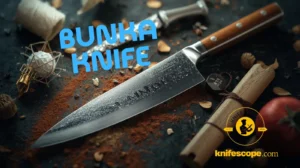
A typical bunka knife length is usually 165mm to 180mm (blade edge), ideal for versatile kitchen work.
I have used bunka knives for years in home and professional kitchens. I will explain why bunka knife length matters. This guide covers common lengths, how length affects control and technique, and how to pick the best bunka knife length for your needs. You will get practical tips from hands-on experience, plus clear buying and care advice so you can choose confidently.

How long is a bunka knife and why length matters
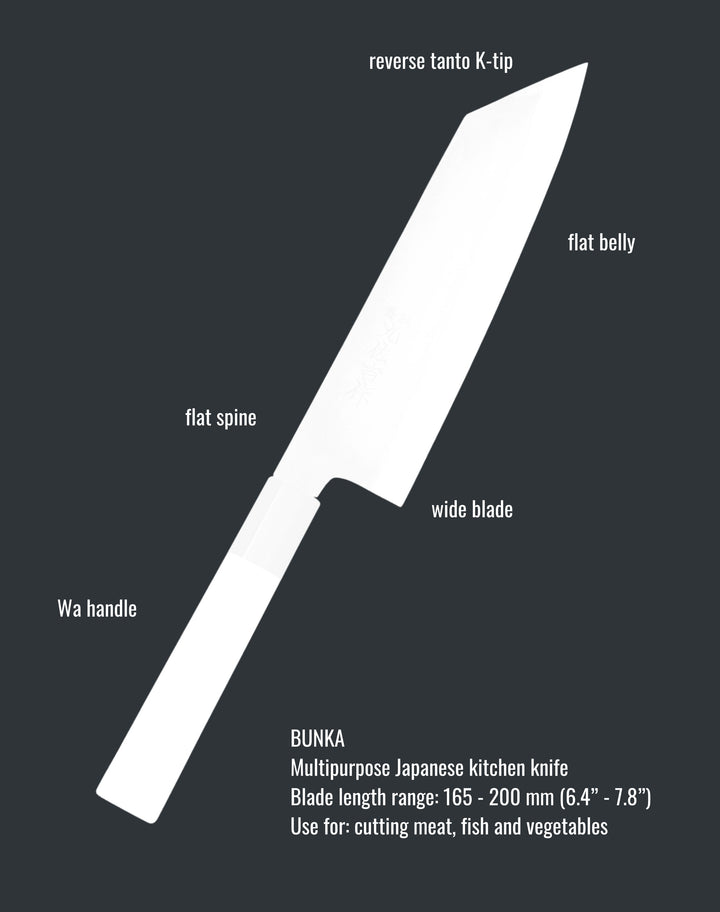
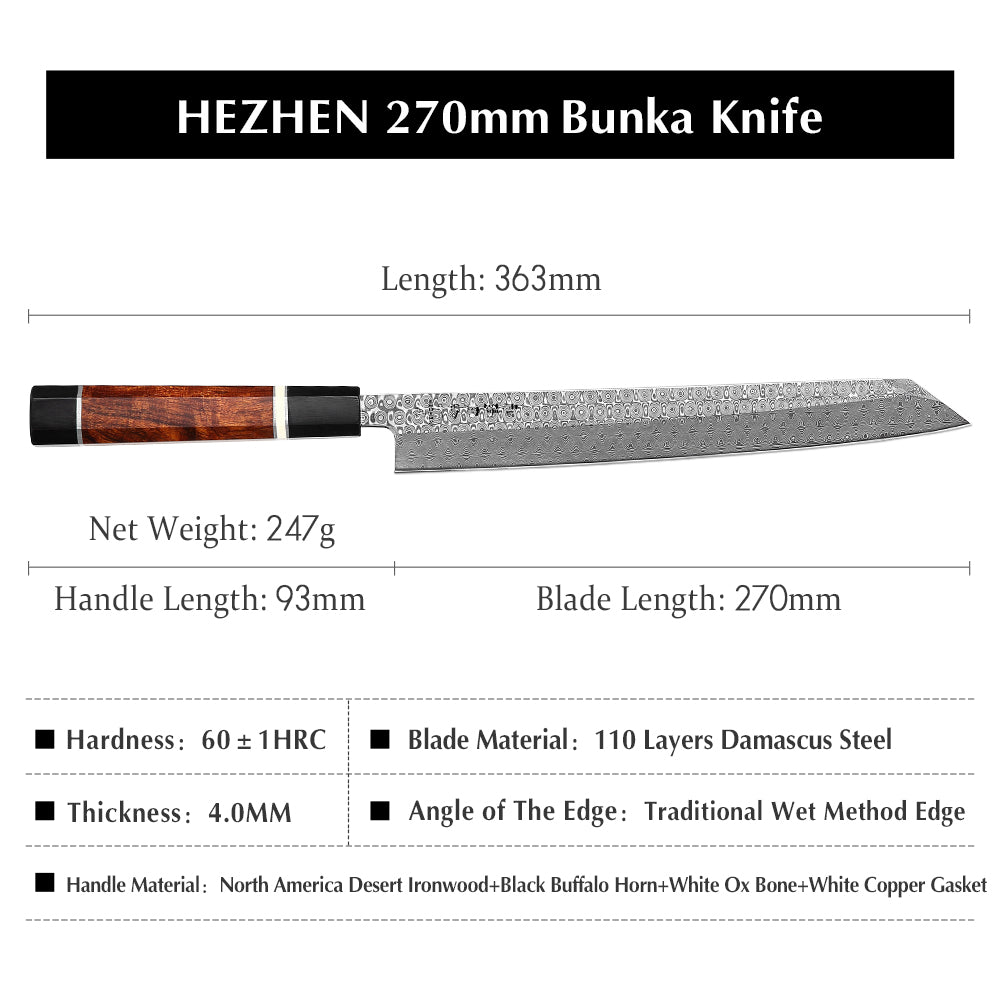
A bunka knife usually has a blade length between 165mm and 210mm, with 165mm to 180mm the most common. The whole knife length depends on handle size, but the discussion usually focuses on the blade or cutting edge length. The term bunka knife length appears often in product descriptions. That length range makes the bunka a compact alternative to larger gyuto or nakiri knives. Length affects reach, control, and the kinds of tasks you can perform. Shorter blades are easier to control. Longer blades allow longer slices and handle larger foods.

Typical bunka knife length options and what they suit
Blade lengths you will see often include 145mm, 165mm, 180mm, 195mm, and 210mm. Each length serves a use case. I list the most common options and what they work best for.
- 145mm: Great for small hands and detailed work like trimming and small vegetables.
- 165mm: A very versatile size for most home cooks. Easy to handle and fast for chopping.
- 180mm: Balanced for both prep and slicing. A favorite for cooks who want a little extra reach.
- 195mm: Useful if you cut bigger vegetables or prefer longer slicing strokes.
- 210mm: Near chef knife length. Good for large tasks but needs more skill to control.
I prefer a 165mm or 180mm bunka knife length for daily work. Those sizes let me switch between chopping, slicing, and boning tasks quickly. They fit well on standard cutting boards and in most knife rolls.

How bunka knife length affects technique and control
Length changes how you hold and move the knife. Short blades favor controlled push-cut and rocking motions. Longer blades favor long pull-slice strokes. Here are practical impacts.
- Control and precision: Shorter bunka knife length gives tighter control for small veg and detailed cuts.
- Reach and speed: Longer blade covers more surface on a single stroke and speeds up thin slicing.
- Comfort and safety: A blade that matches your hand size and board space reduces accidents.
- Edge angle and leverage: Longer blades need more even strokes to preserve edge geometry.
From my experience, switching from a 210mm to a 165mm bunka knife length reduced wrist strain. I could chop faster and more accurately. If you are new to Japanese knives, start shorter. As your skill grows, you may prefer a longer bunka knife length for faster prep.
Choosing the right bunka knife length: factors to weigh
Selecting bunka knife length is personal. Think about hand size, cutting style, typical ingredients, and storage. Below are the main factors to consider.
- Hand size: Smaller hands pair better with 145–165mm blades. Larger hands often prefer 180mm+.
- Task mix: Do you mostly prep vegetables, or do you also slice fish and cut meat? A longer blade helps with slices.
- Kitchen layout: Small boards and tight spaces favor shorter bunka knife length.
- Skill level: Beginners benefit from shorter blades for control.
- Travel and storage: If you carry a knife roll, check fit—some rolls fit up to 180mm easily.
Practical tip: Hold a ruler or a candidate knife in your hand before buying. Simulate a few cuts to see how the bunka knife length feels. I once bought a 195mm blade without testing and found it awkward for my small boards. I returned to a 165mm and noticed immediate improvement in speed and comfort.

Blade geometry and how it ties to bunka knife length
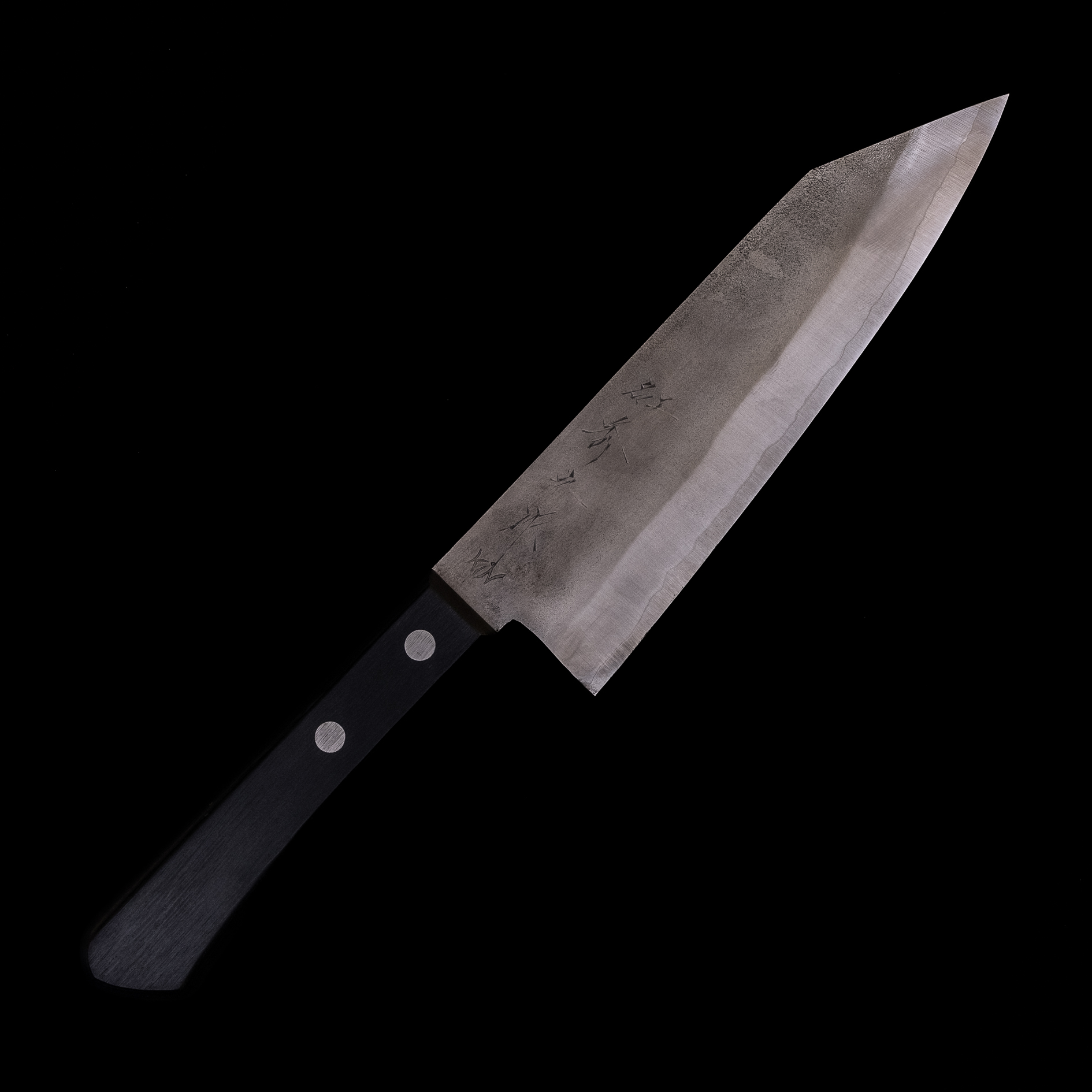
Bunka knives combine a pointed tip and a slightly angled belly. The blade geometry interacts with length to change function.
- Short blade with acute tip: Great for precision and small work.
- Mid-length with balanced belly: Good for rocking and slicing.
- Longer blade with generous belly: Better for long clean slices.
Edge angle and thickness also matter. A thin, sharp edge performs best with the typical bunka knife length. Thicker spine or wider bevels add durability but reduce finesse. Choose a blade profile that matches your primary use. I prefer a thin edge at 165–180mm for crisp vegetable cuts and fine slices.
Maintenance and sharpening for different bunka knife lengths
Sharpening and care vary little with length, but longer blades need more consistent strokes to keep a straight edge. Follow these care rules.
- Whetstone sharpening: Use consistent angle and full-length strokes. Longer bunka knife length needs longer, even strokes.
- Honing: Use a ceramic rod frequently to maintain the edge between sharpenings.
- Storage: Use a magnetic strip, sheath, or block. Ensure the bunka knife length fits cleanly to avoid edge contact.
- Cleaning: Hand wash and dry immediately. Avoid dishwashers to preserve edge and handle.
From my experience, a 180mm bunka knife length holds shape well with regular honing. I sharpen on a 1000/6000 grit stone every few months, depending on use.

Buying guide: where to buy and what to look for
Look for reputable brands, good steel, and balanced handles. Check return policies and hold the knife when possible. Key checks:
- Blade steel: High-carbon stainless or stainless steels with good edge retention.
- Heat treatment: Proper hardness helps the blade keep its edge.
- Handle comfort: Full tang and ergonomic grip matter for longer work.
- Fit and finish: Smooth bolsters and secure pins prevent wobble.
- Price vs use: Mid-range knives often offer the best balance for most cooks.
I recommend testing a 165mm and a 180mm bunka knife length before choosing. If buying online, read hands-on reviews and check return windows. I once chose a bundled set without testing and found the bunka knife length uncomfortable. Lesson learned: try before committing when possible.
Common mistakes and tips from experience
Avoid these common errors when choosing bunka knife length.
- Mistake: Choosing the longest blade thinking longer is always better. That can reduce control.
- Mistake: Ignoring handle fit; a poor handle ruins even a well-sized bunka.
- Mistake: Buying cheap steel that dulls fast, leading to frustration.
Helpful tips:
- Start with a 165mm or 180mm to find your comfort zone.
- Test grip and practice basic cuts for a week to judge fit.
- Maintain the edge regularly; a sharp knife improves safety more than a long one.
I learned the hard way to match blade length to board size. A blade too long for my board caused nicks in the counter. Adjust your tool to your kitchen.

PAA-style quick questions (common short answers)
What is the best bunka knife length for home cooks?
A 165mm to 180mm bunka knife length suits most home cooks. It balances control and reach.
Can a bunka knife replace a chef's knife?
Yes for many tasks; a bunka knife length around 180mm handles most prep, but very large tasks may favor a full chef's knife.
Does blade length affect sharpness retention?
Not directly; steel type and heat treatment determine edge retention more than bunka knife length.
Is a shorter bunka easier to sharpen?
Shorter blades are slightly easier to control on a stone, but sharpening skill matters most.
Should I choose 165mm or 180mm?
Pick 165mm for control and small hands; pick 180mm for extra reach and faster long slices.
Frequently Asked Questions of bunka knife length
What is the most common bunka knife length for home use?
Most home cooks choose a bunka knife length of 165mm to 180mm. This size offers a balance of control and speed for everyday tasks.
Can a bunka knife be too short or too long?
Yes. A bunka knife length that is too short limits reach and speed. One that is too long can be hard to control, especially on small boards.
How does bunka knife length influence slicing fish and meat?
Longer bunka knife length gives smoother long slices for fish and boneless meat. Short blades excel at trimming and precision cuts.
Will a longer bunka blade change how I sharpen it?
Longer blades require longer, even strokes on the whetstone. The technique is the same, but you must cover the full edge consistently.
Is there a universal bunka knife length for all cooks?
No. There is no single universal bunka knife length. Choose based on hand size, tasks, and comfort. Short and mid lengths fit most needs.
Can I use a bunka knife for chopping herbs and small vegetables?
Yes. A 165mm bunka knife length is excellent for herbs and small vegetables because it offers control and quick back-and-forth cuts.
Does handle design matter more for longer bunka knife length?
Handle design matters for all lengths. For longer bunka knife length, a balanced ergonomic handle helps reduce fatigue during extended use.
Conclusion
A well-chosen bunka knife length makes prep faster, safer, and more enjoyable. For most cooks, a 165mm to 180mm bunka knife length is the best starting point. Test sizes when you can, match the blade to your board and hands, and maintain the edge for top performance. Try a short test period with your chosen bunka knife length, hone regularly, and adjust based on comfort and tasks. Share your experience or questions below, subscribe for more knife guides, or try comparing a 165mm and 180mm side-by-side to find your ideal fit.

Maliha Akter is a kitchen knife reviewer and food preparation specialist with over 6 years of experience testing Japanese kitchen knives and everyday cooking tools. She focuses on performance, safety, durability, and real-world usability to help home cooks choose the right knives for efficient and enjoyable cooking.
Expertise:Japanese Knives • Vegetable Knives • Product Reviews • Kitchen Efficiency • Knife Care