A bunka knife stays sharp and rust-free with regular honing, proper cleaning, and safe storage.
I’ve cared for dozens of blades in kitchens and workshops, and this bunka knife maintenance guide brings that hands-on experience together with clear, proven steps. Read on to learn easy daily habits, sharpening techniques, rust prevention, and storage tips that keep your bunka knife performing like new. This guide is practical, tested, and written for cooks who want reliable results.

Why bunka knife maintenance matters
A bunka knife blends a cleaver-like tip with a thin, sharp edge. This design makes it great for veg prep, thin slicing, and fine work. But the thin edge needs regular care. Neglect can cause dulling, chips, and rust.
Proper maintenance keeps the blade sharp and safe. It extends the knife’s life and improves kitchen speed. This bunka knife maintenance guide shows step-by-step care. You will learn simple routines that protect both edge and handle.
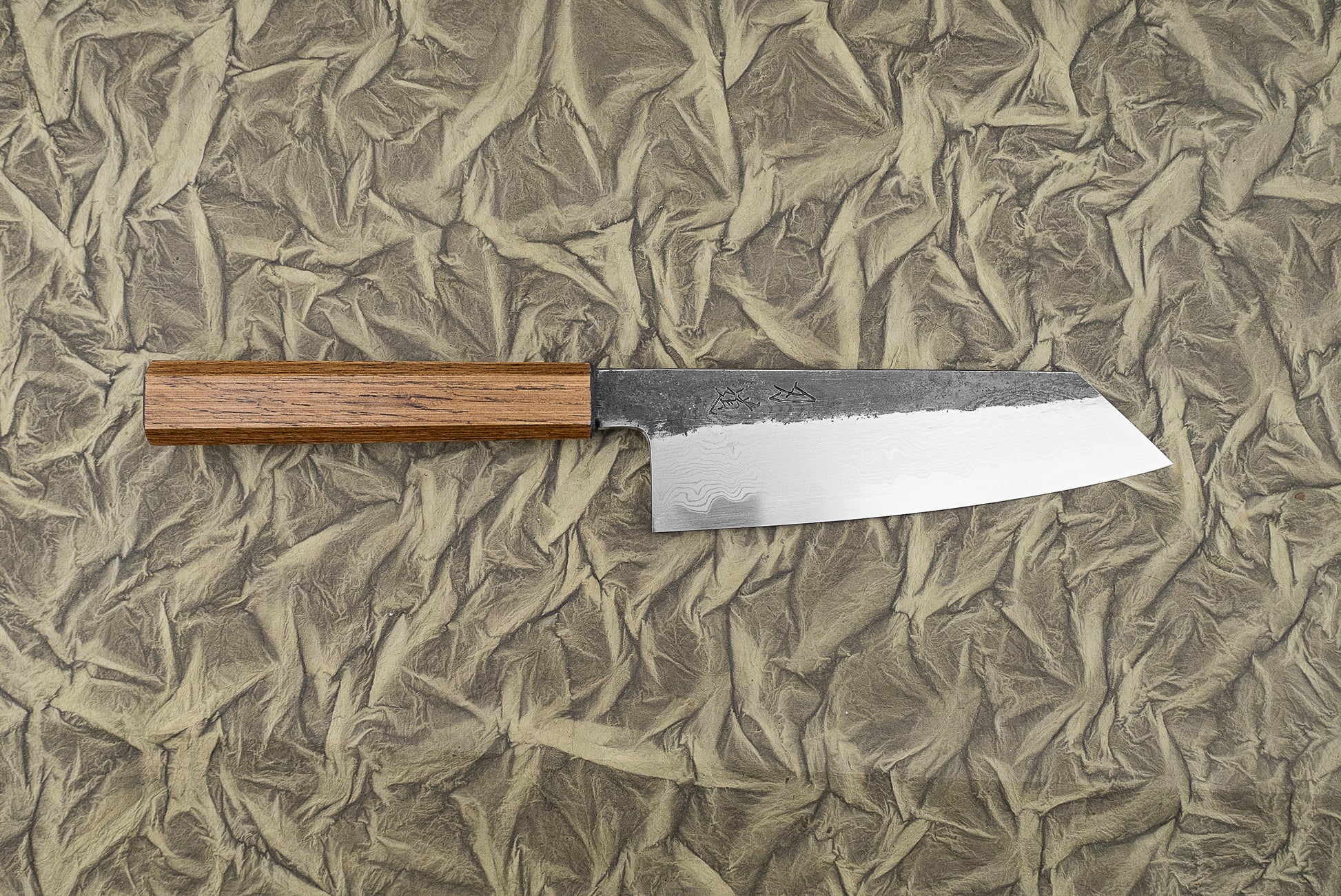
Daily care: cleaning and drying
Clean your bunka knife right after use. Soap and warm water remove food and acids that harm steel. Rinse thoroughly.
Dry the knife immediately. Use a soft towel and wipe the blade, spine, and handle. Never let the knife air dry on a sink or cutting board.
Avoid the dishwasher. The heat, detergent, and other utensils can damage the edge and handle. Hand wash only. This simple habit keeps the bunka knife maintenance guide effective in practice.

Sharpening: when and how
Knowing when to sharpen is part of any bunka knife maintenance guide. If the knife drags on paper or fails to cleanly slice tomatoes, it’s time.
Sharpening with a whetstone gives the best result
- Use a 1000-grit stone for daily sharpening and a 3000–6000 grit for polishing.
- Soak or splash water on the stone as recommended.
- Hold a 15–20 degree angle. Push the blade away and pull back. Repeat evenly on both sides.
For quick fixes at home
- Use a ceramic rod to realign a slightly dull edge.
- A leather strop removes burrs and polishes the cutting edge after a stone.
Avoid pull-through sharpeners for high-quality bunka knives. They can remove metal unevenly and shorten blade life. This bunka knife maintenance guide favors stones and stropping for long-term edge health.

Honing vs sharpening: simple distinctions
Honing realigns the edge. Do it often. Use a honing rod with light strokes. Ten strokes per side keeps the edge true.
Sharpening removes metal to form a new edge. Do it less often. Over-sharpening wastes steel. Follow this bunka knife maintenance guide rule: hone weekly and sharpen months, depending on use.
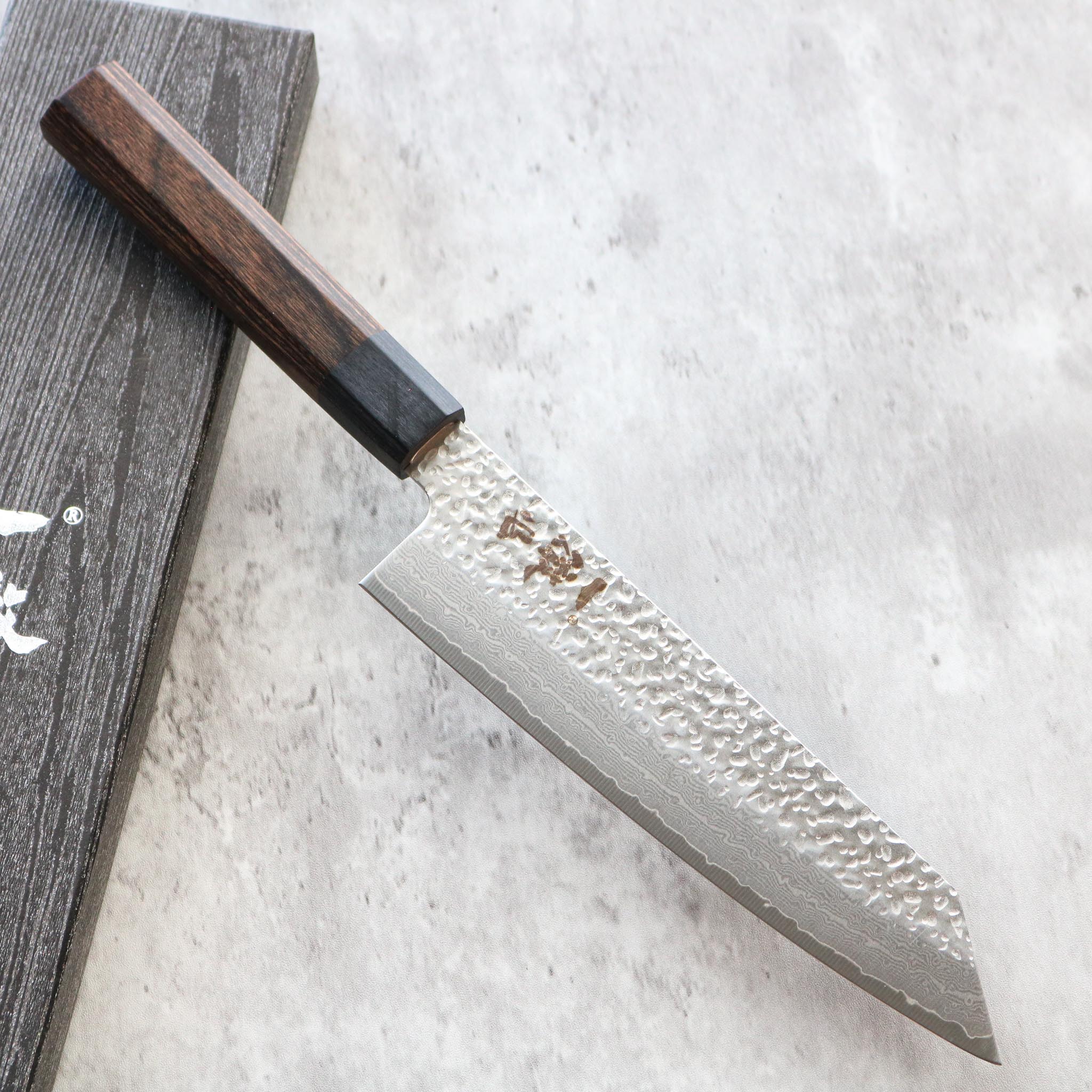
Rust prevention and blade protection
Many bunka knives use high-carbon or stainless steel. High-carbon steels need more care to prevent rust. Stainless steels resist rust but can still corrode.
Prevent rust by
- Cleaning immediately after acidic foods.
- Drying the blade fully.
- Applying a thin coat of food-safe oil if you store the knife for weeks. Mineral oil works well.
- Avoiding long exposure to salt and citrus.
If rust appears, remove it gently. Use a fine abrasive pad or a paste of baking soda and water. Rub lightly, then clean and oil. This step keeps the bunka knife maintenance guide practical for real kitchens.

Handle care and storage
A solid handle keeps the knife safe. Wooden handles need occasional oiling. Use food-safe oils sparingly to prevent swelling or cracking.
Store your bunka knife to protect the edge
- Use a magnetic strip mounted flat on the wall. Ensure magnets are strong and the blade rests safely.
- Use a wood block or a knife roll for transport.
- Avoid loose drawers where edges knock on other tools.
Proper storage is a key part of the bunka knife maintenance guide. It prevents chips and keeps hands safe.
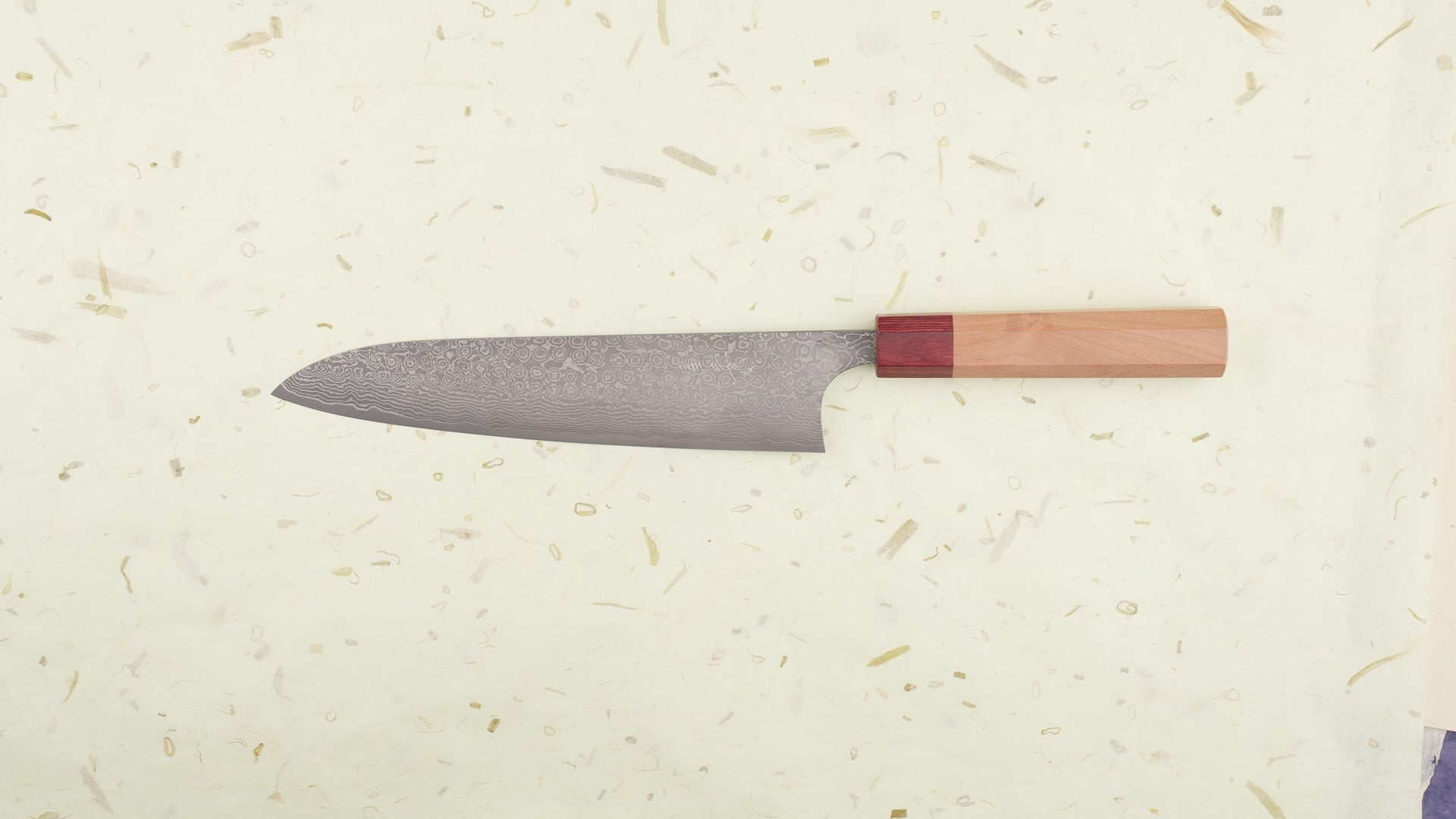
Tools and supplies every user should have
A clear bunka knife maintenance guide recommends these essentials
- Whetstones: 1000, 3000+ grits for general use.
- Honing rod: ceramic or steel for regular alignment.
- Leather strop: for finishing and polishing.
- Soft towels: for drying and handling.
- Food-safe mineral oil: for blade and wooden handle care.
- Magnetic strip or knife block: safe storage.
Keep these tools clean and stored dry. Good tools make maintenance easier and faster.
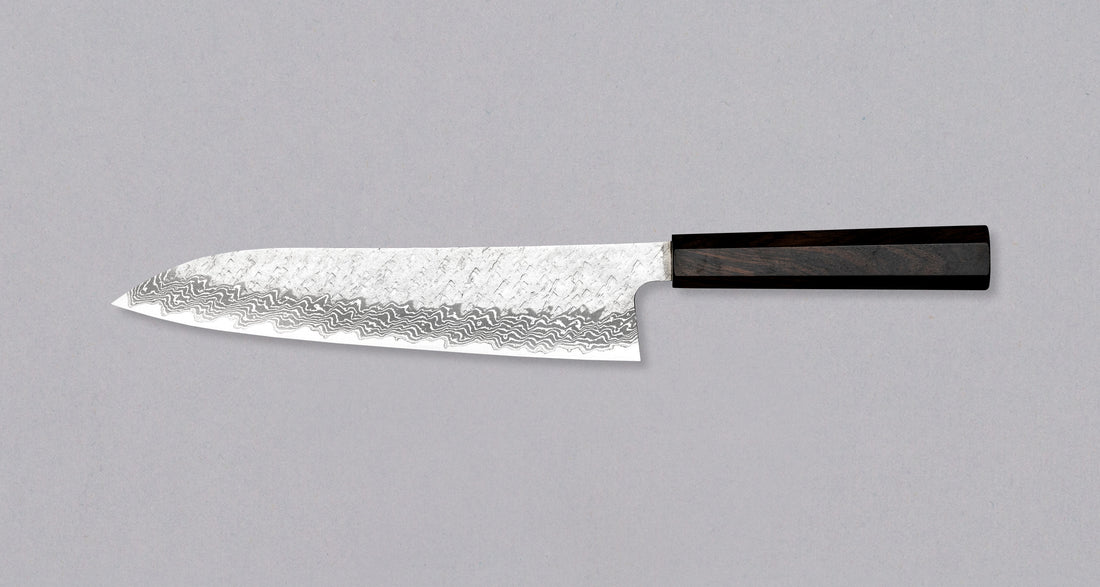
Common mistakes and how to avoid them
Mistakes shorten blade life and cause accidents. Learn from experience.
Common errors
- Putting knives in the dishwasher: damages edge and handle.
- Skipping drying: leads to rust and stains.
- Over-sharpening: removes too much metal. Use stones properly.
- Using wrong cutting surfaces: glass and stone dull edges fast. Use wood or plastic boards.
- Storing loose in drawers: chips and cuts are common.
Avoid these mistakes and follow this bunka knife maintenance guide. Your knife will stay sharper and safer.

Practical PAA-style questions
How often should I sharpen my bunka knife?
Sharpening frequency depends on use. Home cooks often sharpen every 3–6 months and hone weekly for daily use.
Can I put a bunka knife in the dishwasher?
No. Dishwashers harm the edge and handle. Hand wash and dry immediately to follow the bunka knife maintenance guide.
What angle should I use when sharpening a bunka knife?
Aim for a 15–20 degree angle per side. This angle balances sharpness and edge strength for most bunka knives.
Frequently Asked Questions of bunka knife maintenance guide
How do I remove small chips from a bunka knife?
Small chips need careful stone work. Start with a coarse grit to grind the chip out, then refine with finer grits and strop to restore the edge.
Is oiling necessary for stainless steel bunka knives?
Oiling is not required for short-term use. For longer storage or high-humidity kitchens, a thin mineral oil coat helps protect the blade.
Can I use a pull-through sharpener on a bunka knife?
You can, but it risks uneven removal and can blunt the edge over time. Whetstones and stropping offer better long-term results.
How do I clean a wooden handle on my bunka knife?
Wipe with a damp cloth and mild soap, then dry immediately. Treat the handle occasionally with food-safe oil to prevent drying and cracking.
My bunka knife has surface rust. What now?
Gently scrub the rust with a fine abrasive pad or baking soda paste. Rinse, dry, and oil the blade. If rust is heavy, consider professional restoration.
How should I store a bunka knife if I travel with it?
Use a padded knife roll or a blade guard in a checked bag. Ensure the knife is clean, dry, and sheathed to protect the edge and handlers.
Conclusion
Care is simple and rewarding. Follow this bunka knife maintenance guide: clean and dry after use, hone often, sharpen with stones when needed, prevent rust, and store safely. Small habits yield big results. Start with one change today—hone weekly or set up a stone—and you’ll notice better cutting and longer blade life. Share your tips, ask questions, or subscribe for more knife care guides.

Maliha Akter is a kitchen knife reviewer and food preparation specialist with over 6 years of experience testing Japanese kitchen knives and everyday cooking tools. She focuses on performance, safety, durability, and real-world usability to help home cooks choose the right knives for efficient and enjoyable cooking.
Expertise:Japanese Knives • Vegetable Knives • Product Reviews • Kitchen Efficiency • Knife Care