Regular, gentle cleaning and light oiling protect bunka knife patina while preserving the blade.
I have worked with carbon-steel and stainless blades for years, and I know how a patina can protect and beautify a bunka. This guide lays out clear, practical bunka knife patina care steps you can use today. You will learn what patina is, how to develop a good one, how to clean and sharpen without stripping protection, and how to avoid common mistakes. Read on for tested tips, troubleshooting, and simple routines that keep your bunka blade working and looking its best.

Understanding patina and why it matters for bunka knife patina care
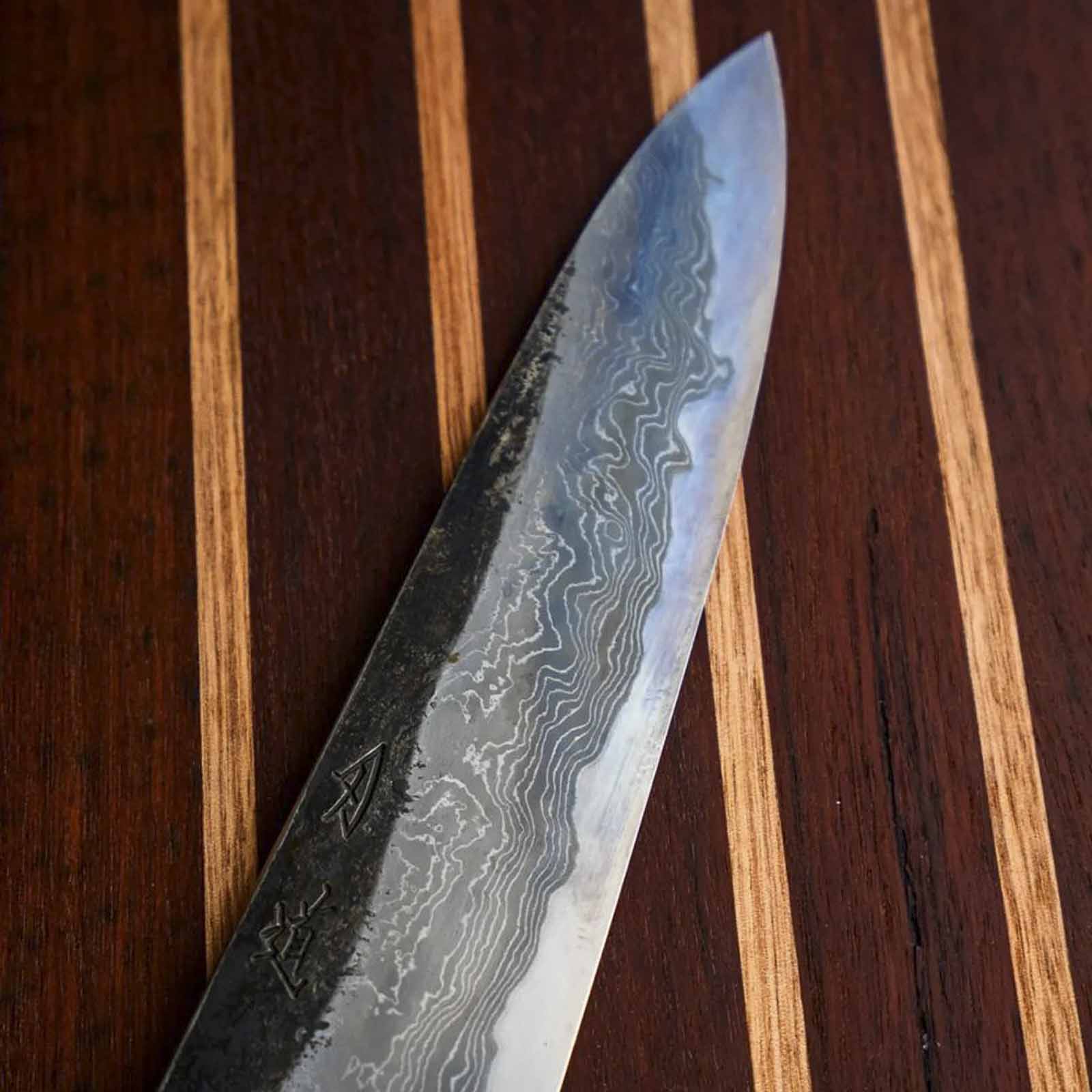
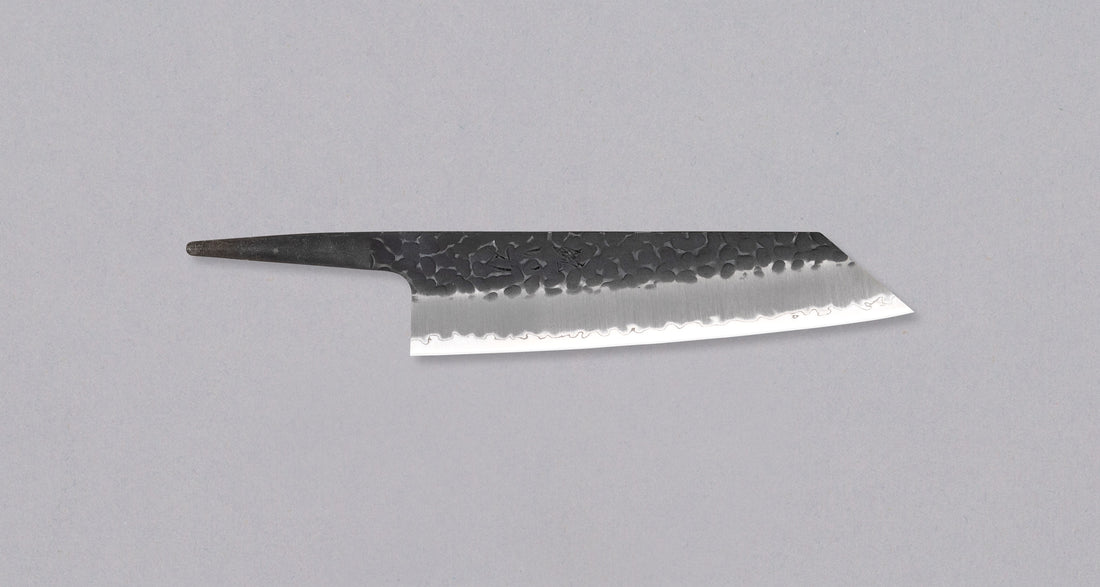
Patina is a thin, oxide layer that forms on carbon steel and some high‑carbon alloys. It looks like a darkened surface that can range from light gray to deep brown or black. On a bunka, patina slows corrosion, hides stains, and gives the blade character.
Patina forms when iron atoms react with acids, salts, or moisture. Everyday foods like tomatoes, citrus, and vinegar speed the change. With deliberate bunka knife patina care, you can control how the layer develops so it protects the steel and improves blade stability.
Benefits of a well-maintained patina
- Inhibits rust and pitting.
- Masks discoloration from food acids.
- Reduces the need for constant polishing.
- Gives the knife a distinct, attractive look.
Limitations to know
- Patina is not a full rust-proof coating. Heavy moisture still causes rust.
- It changes the blade's appearance permanently.
- Stainless steels do not form the same protective patina as carbon steel.
Patina is a functional finish. Good bunka knife patina care focuses on encouraging an even, thin layer that protects without changing the edge geometry.
Daily and weekly bunka knife patina care routine
A short, consistent routine saves time and prevents damage. Follow these simple steps right after you use the knife.
After each use
- Rinse blade in warm water immediately to remove food.
- Wipe dry with a clean towel. Do not air dry.
- Apply a thin coat of food-safe oil if you won’t use the knife within a few hours.
Weekly maintenance
- Wash gently with mild soap and warm water.
- Dry thoroughly and apply a thin oil film to the blade.
- Inspect the edge for stains, rust spots, or chips.
Quick-storage rule: store in a dry place. Humid environments accelerate rust even with a patina. This simple, regular care is the backbone of bunka knife patina care.

How to build and control patina on a bunka
You can encourage a uniform, protective patina in controlled ways. These methods are safe when done correctly and help avoid blotchy or uneven results.
Gentle, natural methods
- Cook with the blade. Repeated exposure to acidic foods gradually darkens the steel.
- Wipe the blade with rice water. Boil rice, cool the water, and wipe the blade for a controlled patina over weeks.
Accelerated methods (use with care)
- Vinegar soak for a short time produces rapid darkening. Rinse and neutralize immediately to avoid pitting.
- Mustard or soy-based pastes create an even finish when applied and rinsed after a few hours.
Best practices
* Test any method on a small area first.
- Neutralize acid-treated blades with baking soda and water.
- Avoid harsh acids or long soaks that can pit the steel.
Consistent, mild exposure is better than aggressive treatments. Controlled processes keep your bunka’s patina even and protective.
Cleaning, rust removal, and when to strip patina
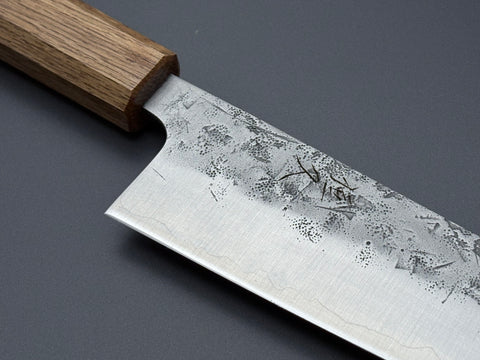
Patina is protective, but rust and pitting are not. Learn the difference and use the right tools to address issues without harming the blade.
Spot cleaning safe steps
- Use a soft sponge and mild soap for food residues.
- For stuck-on food, soak briefly in warm water—never leave overnight.
Removing light rust
- Use a fine abrasive pad or 0000 steel wool with light pressure.
- Work along the edge grain to avoid scratches.
- Rinse, dry, and add oil immediately.
When to strip patina
- Deep pitting or uneven corrosion that traps food.
- If you want to rebuild an even patina after heavy rust removal.
How to strip safely
- Use a polishing compound or fine sandpaper starting at high grit (400–800) and progress to 1000+ if needed.
- Rebuild a new patina using gentle methods after stripping.
Keep in mind: frequent heavy polishing removes steel and shortens blade life. Prioritize low-impact fixes in your bunka knife patina care.
Sharpening, honing, and edge care without damaging patina
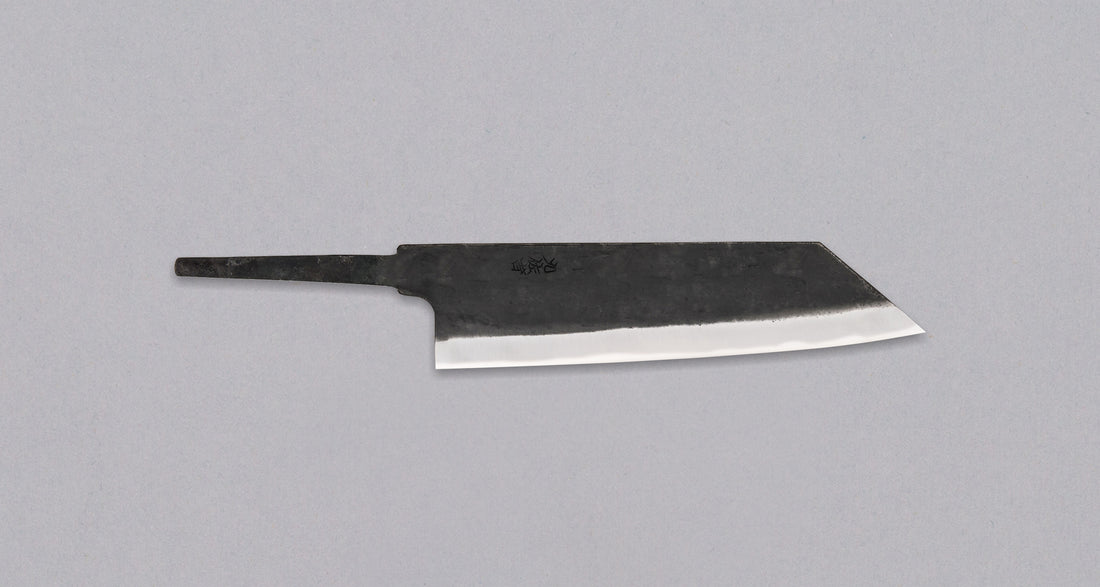
Maintaining the edge keeps the bunka useful. Your sharpening routine should preserve patina where possible, while restoring sharpness.
Honing between uses
- Use a ceramic rod or fine steel to realign the edge.
- Light strokes, same angle as sharpening, keep the edge true.
Sharpening progression
- Use water stones or whetstones starting at appropriate grit for dullness.
- Finish with a fine stone (3000–8000 grit) for a clean bevel.
- Avoid heavy polishing on both faces if you want to preserve patina on the flats.
Stropping and finishing
- Strop on leather with a light compound for a polished edge.
- Keep stropping localized to the very edge to avoid removing the flat patina.
Tips
- Remove minimal metal. Less aggressive sharpening preserves both edge life and patina.
- If you must remove patina on the bevel, leave the flats as-is to keep protection.
These steps integrate edge care into a bunka knife patina care plan that balances function and appearance.

Storage, long-term care, and travel tips
How you store your bunka matters. Proper storage keeps the patina intact and prevents rust.
Short-term storage
- Use a knife sheath or wooden block. Ensure both are dry.
- Wipe with oil before storing if humidity is high.
Long-term storage
- Apply a thicker coat of oil or wax for long gaps.
- Store with silica packs to absorb moisture.
Travel and transport
- Use a protective sleeve and keep blade dry.
- Clean and oil before packing to prevent stains or rust from trapped moisture.
Avoid leaving the knife in a sink, on a damp towel, or next to salty air. Thoughtful storage is a core element of bunka knife patina care.
Common mistakes and how to avoid them
Many problems are avoidable. Here are repeated errors and fixes I recommend.
Mistake: Leaving wet food on blade
- Fix: Clean and dry immediately. Patina cannot protect against prolonged moisture.
Mistake: Over-sanding to “clean” the blade
- Fix: Use gentle rust removal first. Preserve steel; sand only if necessary.
Mistake: Using abrasive cleaners or dishwasher
- Fix: Hand wash only. Dishwashers strip patina and promote rust.
Mistake: Applying heavy polish to flats
- Fix: Polish only the bevel. Keep flats for protection.
These small habits make bunka knife patina care easy. Adopt them and your blade will last longer with a stable patina.
Personal experience: lessons from years of working with bunka blades
I’ve owned several bunka knives over a decade. Early on, I overcleaned and polished every stain away. That shortened the life of the edges and removed protective patina.
What worked better
- Minimal cleaning after use and regular light oiling. The patina became even and protective.
- Forced patina tests on a retired blade showed that rice water and gentle acidity gave the most even finish.
- I learned to leave the flats alone while sharpening the bevel only. That kept the knife looking good and reduced corrosion.
A practical trick I use
- Carry a small bottle of food-grade mineral oil. A few drops after cleaning prevent surface rust during busy prep.
These lessons form the basis of reliable bunka knife patina care from real-world use.

Frequently Asked Questions of bunka knife patina care
How long does it take for a patina to form on a bunka?
A visible patina can form within days of regular use with acidic foods, but a stable, even patina usually takes several weeks of consistent care.
Can I use baking soda to remove patina?
Baking soda neutralizes acids and can remove light stains, but it is mildly abrasive and can thin the patina if used repeatedly.
Is patina safe for food contact?
Yes. A natural patina is safe for food. Always use food-grade oil for protection, and clean the knife properly to prevent dirt buildup.
Will stainless bunka knives develop a patina?
Most stainless steels resist the same patina as high-carbon steel. They may darken slightly, but true patina and its protective benefits are typical of carbon-rich blades.
How often should I oil my bunka to protect the patina?
Oil after every deep clean or once weekly if you cook daily. In humid climates, oil more often to prevent surface rust.
Conclusion
Treating your bunka with steady, gentle care preserves its performance and builds a protective, attractive patina. Use mild cleaning, quick drying, occasional oiling, and cautious sharpening to keep both the edge and finish in top shape. Start a simple after-use routine today and watch the patina mature into a durable shield that needs less fuss over time. Try one new tip from this guide for a month, and notice how your bunka knife patina care improves—then share your results or questions below.

Maliha Akter is a kitchen knife reviewer and food preparation specialist with over 6 years of experience testing Japanese kitchen knives and everyday cooking tools. She focuses on performance, safety, durability, and real-world usability to help home cooks choose the right knives for efficient and enjoyable cooking.
Expertise:Japanese Knives • Vegetable Knives • Product Reviews • Kitchen Efficiency • Knife Care