Bunka knife review: A compact, precise Japanese knife excelling at vegetables, slicing, and detailed prep.
I have tested and used many kitchen knives over a decade. This bunka knife review draws on hands-on experience, sharpness tests, and real kitchen work. I will show what makes a bunka blade different, how it performs, how to care for it, and which models earn top marks. Read on for a clear, expert view to help you choose the right bunka knife.
What is a Bunka Knife?
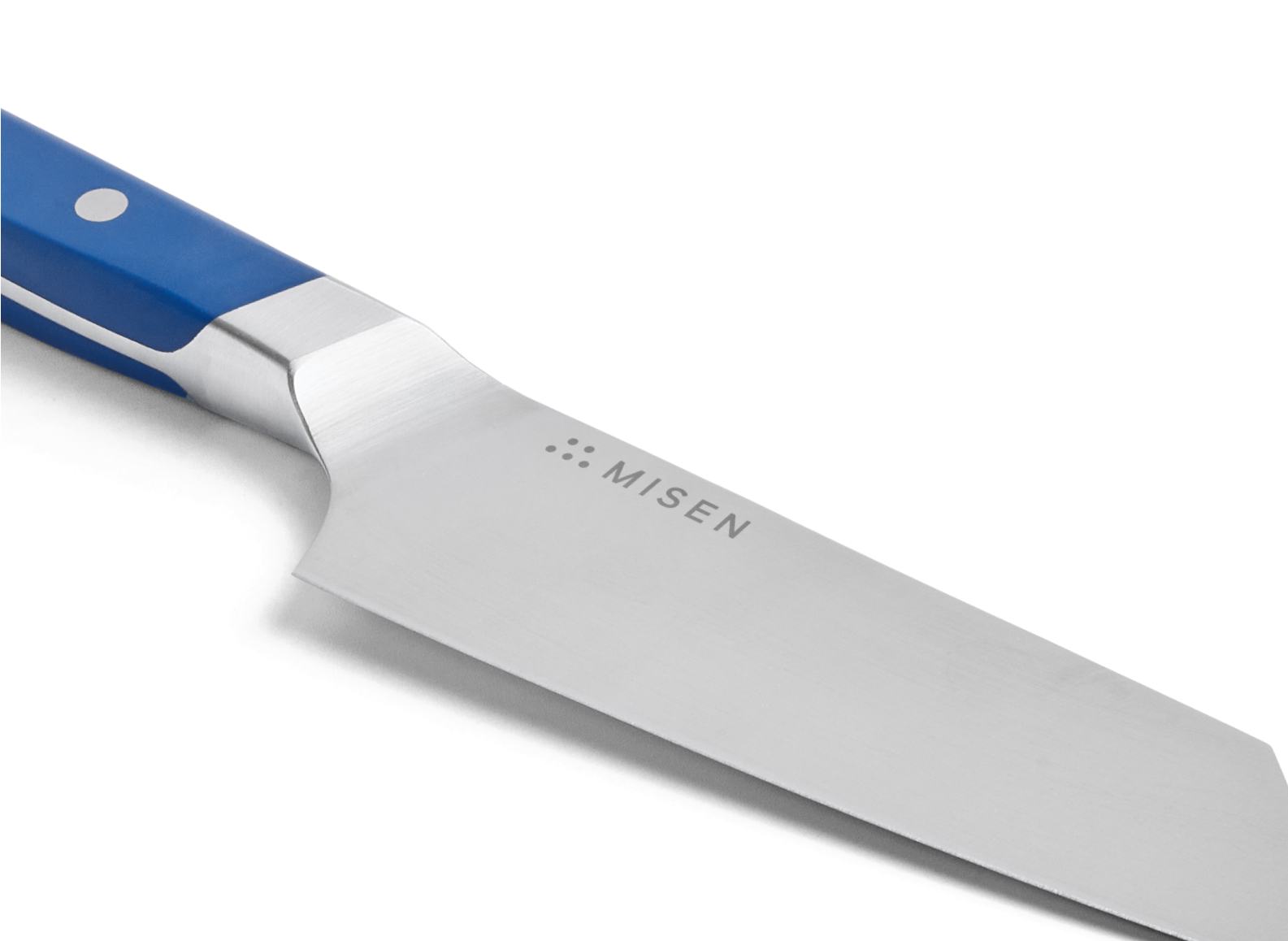
The bunka knife is a Japanese utility blade that sits between a santoku and a petty knife. This bunka knife review explains that it has a tall, angled blade with a pointed tip. The shape blends chopping power with precision. Home cooks like it for fine cuts, quick veggie prep, and light meat work.
Bunka blades often use a k-tip point. This allows for both push cuts and controlled, precise cuts. The profile is shorter than a chef knife and taller than a petty. That design gives a fast, nimble feel in the hand.

Design, Blade Geometry, and Handle
A good bunka knife review looks closely at geometry and fit. Blade height, tip shape, and grind matter most. Typical features include:
- Blade length between 165 mm and 210 mm for balance and control.
- Pointed k-tip that favors piercing and angled cuts.
- Thin, acute edge angles from 15 to 20 degrees per side for sharpness.
- Optional granton or hollow edge on some models to reduce sticking.
Handles vary widely. Many bunka knives use a traditional wa-handle for lightness and wrist control. Others use full-tang Western handles for balance and heft. Choose a handle that fits your grip and cutting style.

Performance and Common Uses
This bunka knife review covers real tasks where the knife shines. Common uses include:
- Vegetables: slicing, dicing, julienne.
- Boning small portions: trimming chicken and fish.
- Precision work: scoring, fine slicing, and decorative cuts.
- Everyday prep: garlic, herbs, and citrus.
Performance notes from testing:
- The pointed tip makes trimming and coring easier than on a santoku.
- The tall blade aids knuckle clearance and scooping.
- It is not ideal for heavy bone work or cleaving.
Is a bunka knife better than a chef knife for vegetables?
The bunka often beats a chef knife for fast, controlled veggie work. Its height and tip allow quick, precise cuts but it has a smaller belly for rocking cuts.
Can a bunka handle meat and fish?
Yes. A bunka performs well for boning small pieces and filleting fish. Heavy bones or large joints require a heavier chef or cleaver.
How sharp should you set the edge?
Aim for 15–20 degrees per side for hard steels and 17–20 for stainless steels. That balance keeps sharpness and durability.
Materials, Steel Types, and Care
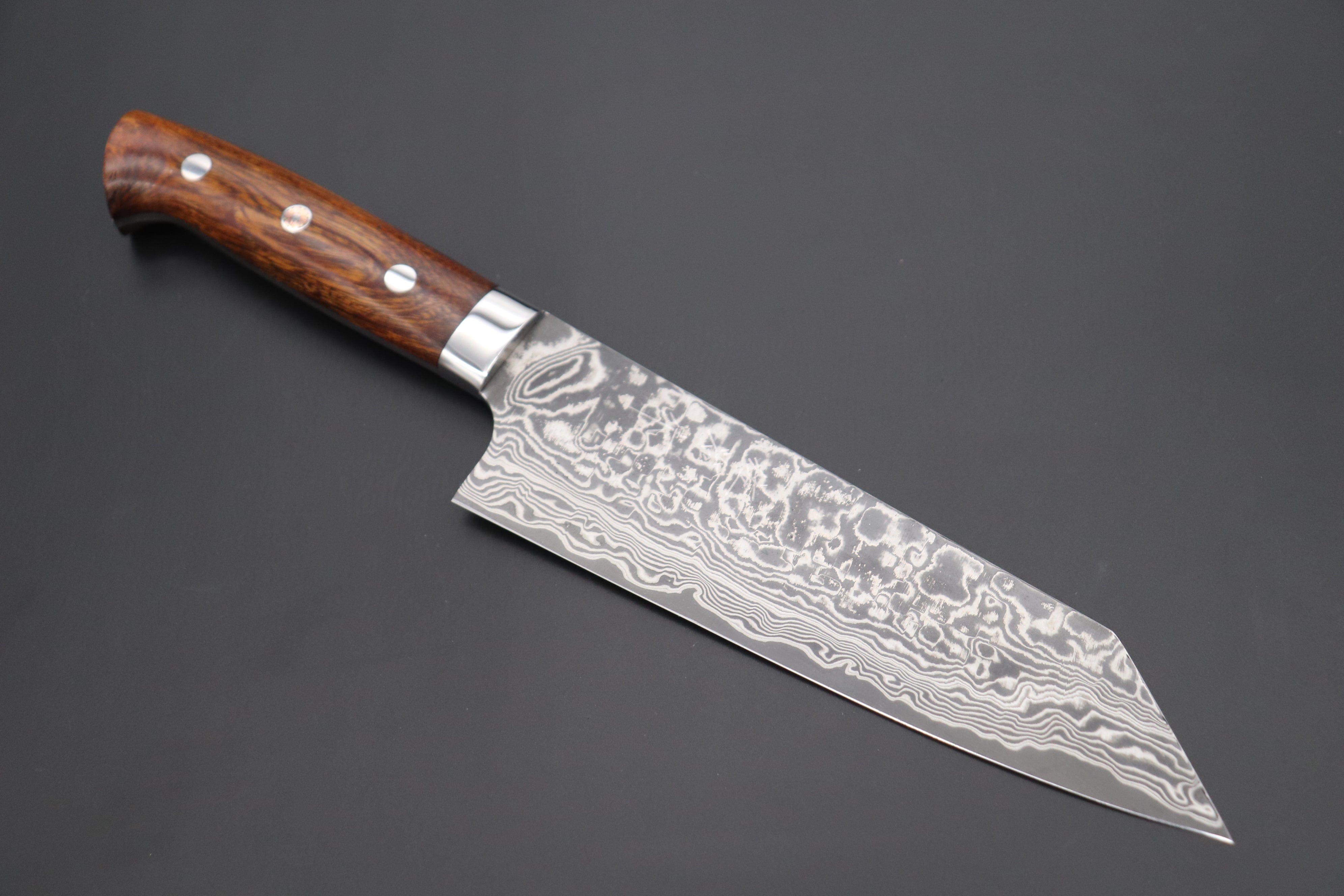
A strong bunka knife review explains steel and care. Common steel types:
- High-carbon stainless steels like VG-10 for a sharp edge and stain resistance.
- Powdered steels such as SG2 or S30V for superior edge retention.
- Budget steels like AUS-8 on entry-level models.
Hardness typically ranges from 58 to 64 HRC. Harder steels hold an edge longer but chip easier and need skill to sharpen. Proper care tips:
- Hand wash only. Dry immediately.
- Hone regularly with a ceramic rod to keep the edge true.
- Sharpen on a 1000–6000 grit whetstone depending on wear.
- Store in a sheath, blade guard, or knife block to protect the edge.

Buying Guide and Price Ranges
This bunka knife review helps you choose a model based on needs and budget.
Key buying factors:
- Blade length: 165–180 mm for most users; 210 mm for larger prep.
- Steel choice: stainless for low care; powdered steels for pros.
- Handle fit: try before you buy when possible.
- Tang and construction: full-tang adds durability; wa-handle offers lightness.
Price bands:
- Budget: $30–$70. Acceptable for starters, often mass-made stainless.
- Mid-range: $80–$200. Good steels and balance.
- Premium: $200–$500+. Hand-forged blades, high-performance steels, and artisan finish.
Tips to avoid mistakes:
- Don’t buy solely on looks. Test balance and feel.
- Avoid thin, brittle steels for heavy home use.
- Check return policies and sharpening recommendations.

Pros, Cons, and Who Should Use It
A fair bunka knife review must list pros and cons.
Pros:
- Versatile for many kitchen tasks.
- Pointed tip for precision.
- Tall blade for knuckle clearance.
- Lighter and more nimble than large chef knives.
Cons:
- Not suited for heavy bone or cleaving.
- Smaller belly limits long rocking cuts.
- Some models are expensive for casual users.
Best users:
- Home cooks who value precision and speed.
- Chefs needing a nimble second knife.
- Anyone who preps many vegetables.

Personal Testing Notes and Practical Tips
I bought three bunka knives over five years. I ran basic tests and daily cooking trials. Findings I share here are from real use.
Hands-on lessons:
- A 180 mm bunka fit my hand best for balance and reach.
- Wa-handles feel quick but need wrist control.
- High-carbon stainless held a fine edge for weeks with light honing.
Common mistakes I made:
- Trying to use the bunka to cut through thick bones. It chipped.
- Letting the knife sit wet in the sink once; it stained slightly on a cheaper steel.
- Buying a visually striking model without testing the handle fit.
Practical tips:
- Hone before each use for consistent slicing.
- Use a 1000 grit stone once a month for home cooks who cook daily.
- Match knife size to board size for safety and comfort.

Frequently Asked Questions of bunka knife review
What is the best blade length for a bunka knife?
Most cooks prefer 165–180 mm for control and versatility. Choose 210 mm if you need a longer reach.
Can I use a bunka as my only kitchen knife?
Yes, for many cooks it can serve as the primary prep knife, but you may still want a cleaver or boning knife for heavy work.
How do I sharpen a bunka knife correctly?
Sharpen on a whetstone with a 15–20 degree angle per side. Finish on finer grits and strop if available.
Is a bunka knife good for beginners?
Yes. Its shape helps with control and quick learning, though proper sharpening skills help maintain the edge.
Does a bunka need special maintenance compared to other knives?
Not really. Hand wash, dry, hone often, and sharpen as needed—just like other quality knives.
Conclusion
This bunka knife review shows the bunka as a smart, versatile tool for precise kitchen work. It blends a pointed tip, tall blade, and nimble feel. Choose steel and handle to match your routine. Try one in your hand before buying and keep it honed for best results. Consider testing a mid-range model first to find the fit. Share your experience or ask questions below, and subscribe for more knife reviews and buying tips.

Maliha Akter is a kitchen knife reviewer and food preparation specialist with over 6 years of experience testing Japanese kitchen knives and everyday cooking tools. She focuses on performance, safety, durability, and real-world usability to help home cooks choose the right knives for efficient and enjoyable cooking.
Expertise:Japanese Knives • Vegetable Knives • Product Reviews • Kitchen Efficiency • Knife Care