Sharpen a bunka at 12–15° per side on waterstones, build a burr, then refine.
If you want crisp cuts and a nimble tip, you need the bunka knife sharpening method done right. I’ve sharpened dozens of bunkas in pro kitchens and at the bench. This guide breaks down the full bunka knife sharpening method in clear steps, with angles, pressure cues, and real tips I use every day. Read on to master control, avoid chips, and make that K-tip sing.
What Makes a Bunka Different (and why that matters)
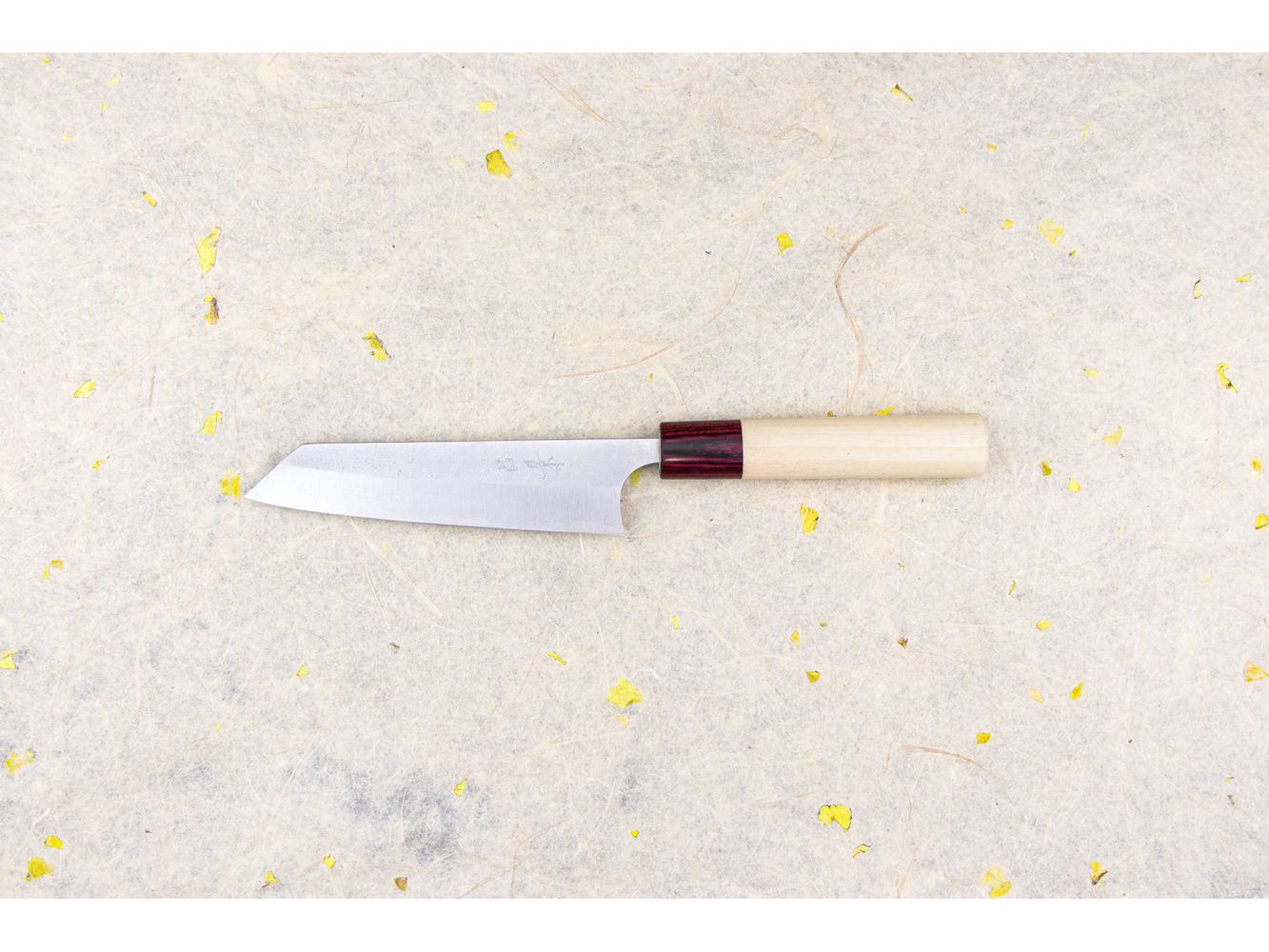
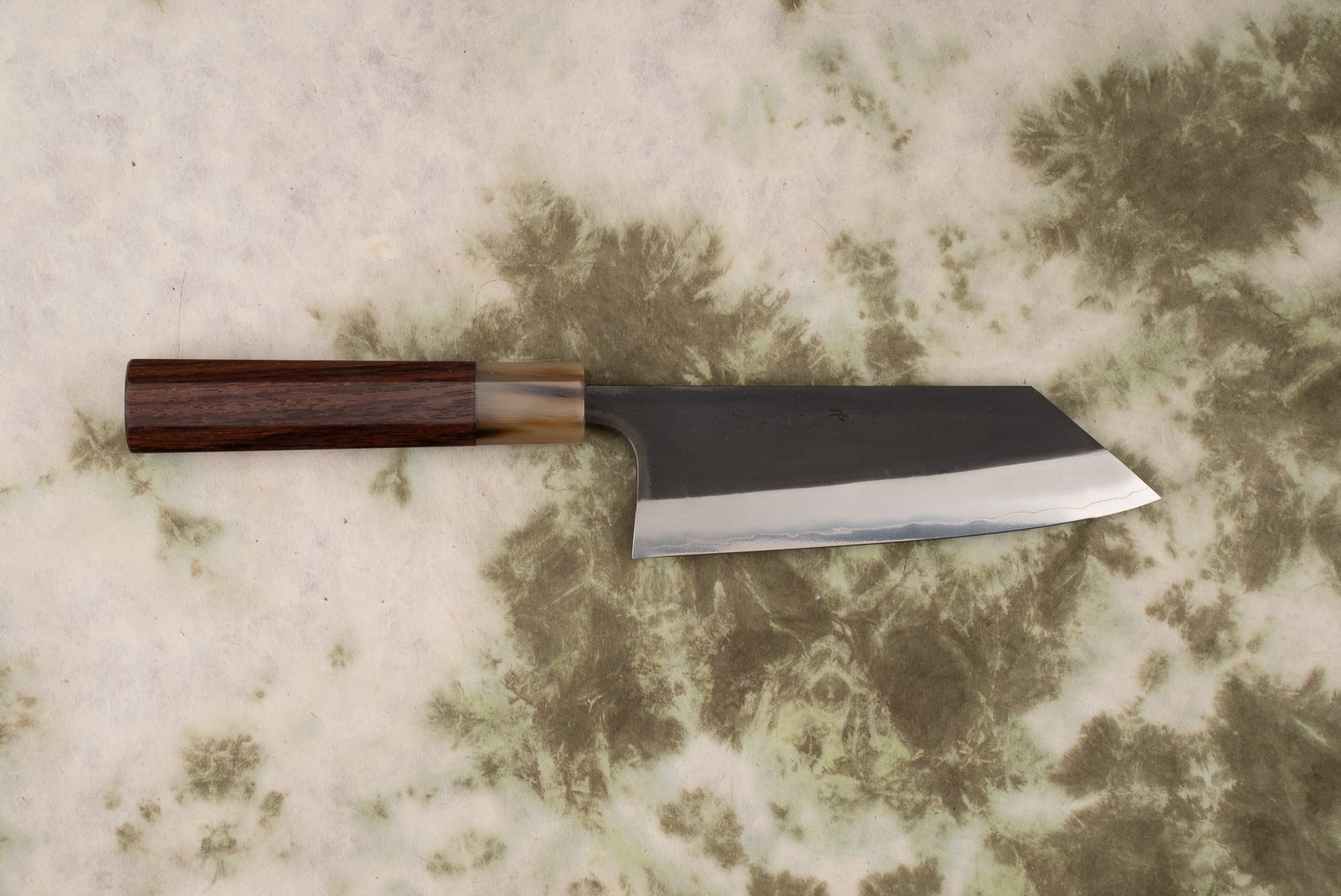
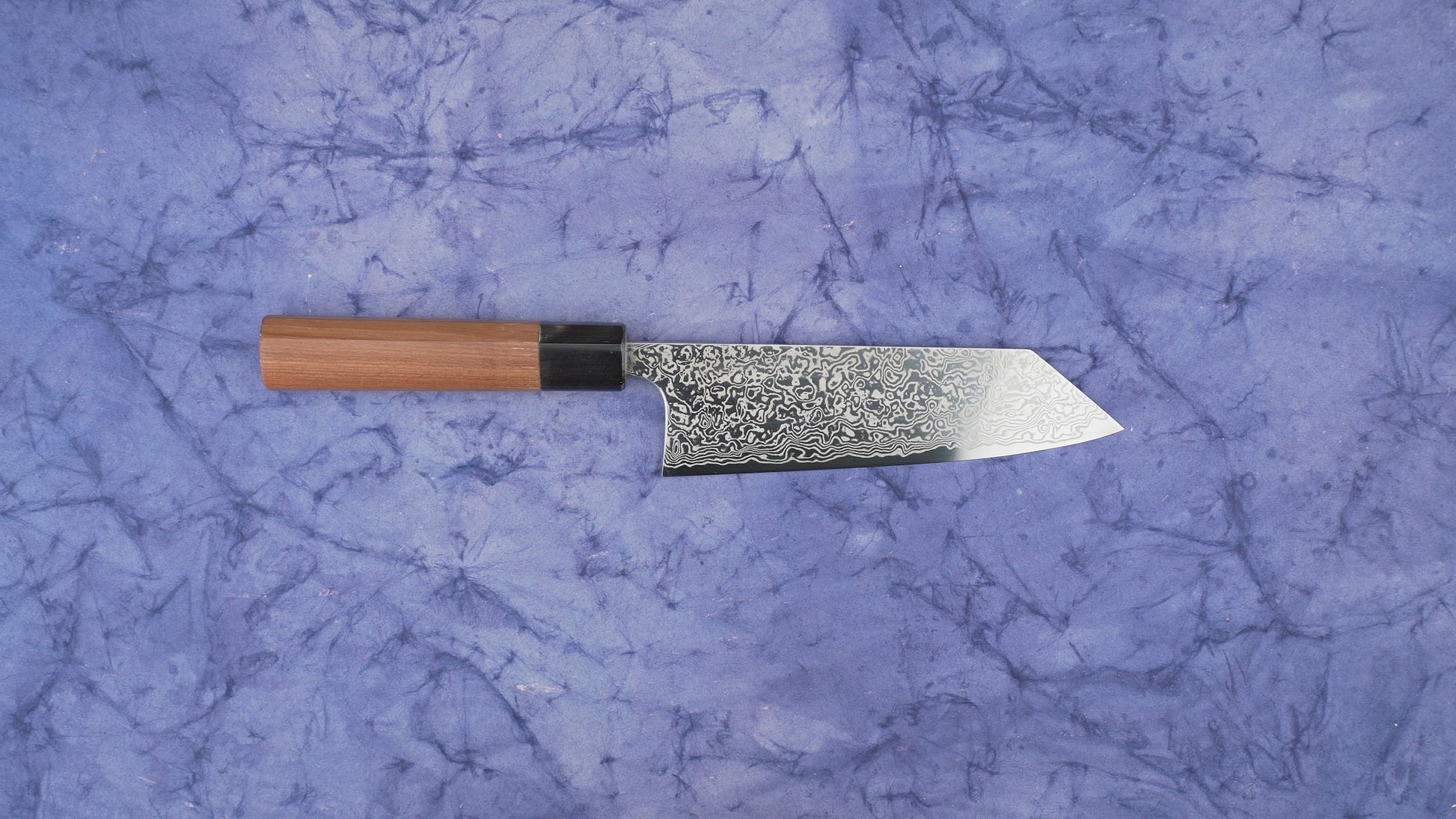
A bunka is a Japanese all-purpose knife with a K-tip, flat-ish edge, and thin grind. Most are double-bevel and hardened to 60–63 HRC. That means it likes a low angle and light touch.
Aim for 12–15 degrees per side for most steels like Aogami, Shirogami, VG-10, or SG2. Softer budget steels may like 15–18 degrees per side. The bunka knife sharpening method respects this thin geometry. It keeps the tip crisp and the edge keen without over-grinding.
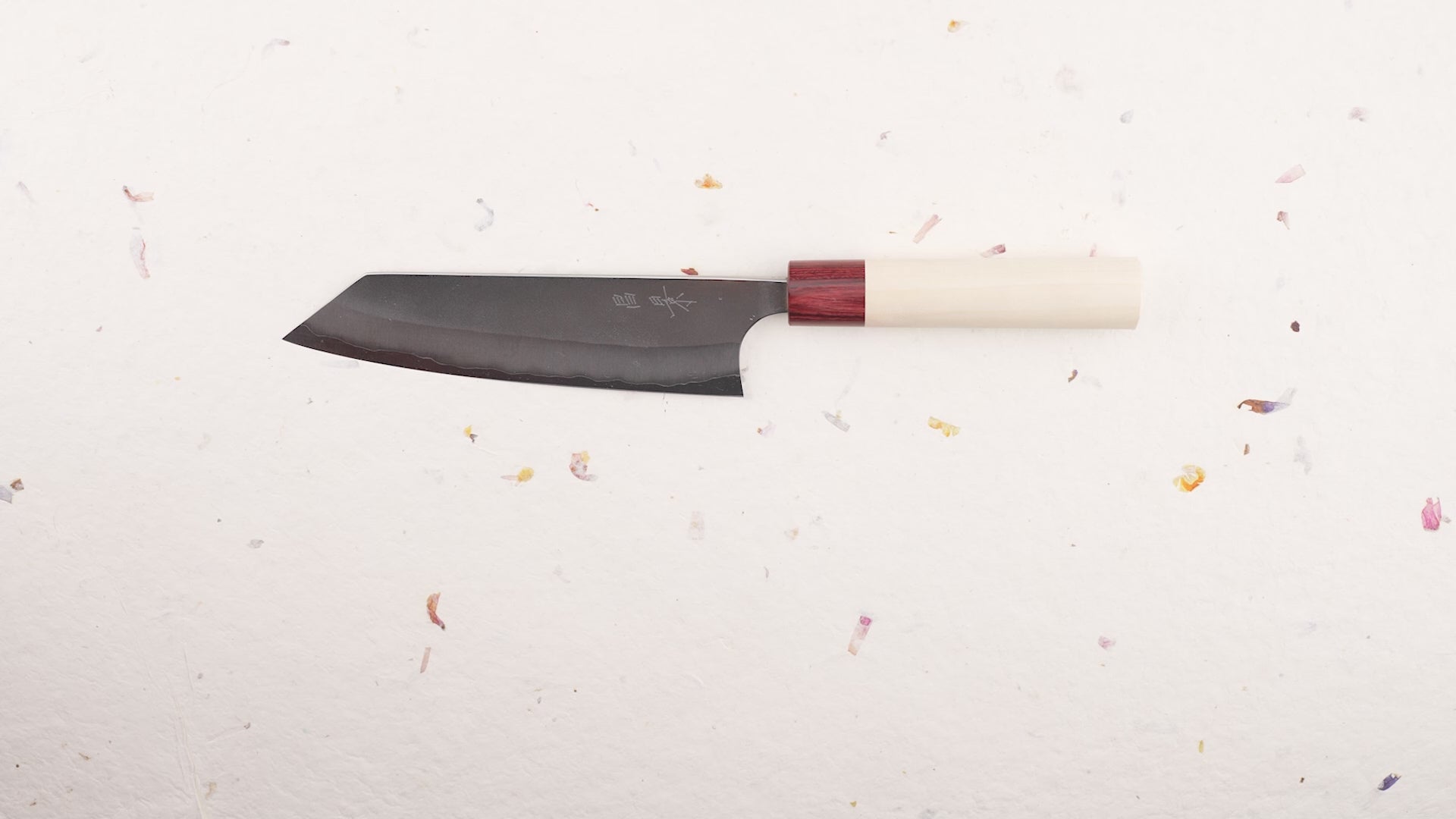
A bunka’s K-tip needs special care. It is great for detail cuts but easy to round off if your angle drifts. We will cover how to lock it in and keep it sharp.

Source: cutleryandmore.com
Tools and Setup for the Bunka Knife Sharpening Method
You do not need a fancy rig. You need flat stones and a steady plan.
- Whetstones: coarse 320–400 for repairs, medium 800–1000 for shaping, fine 2000–3000 for edge refinement, and 5000–8000 for polish.
- Flattening plate or coarse SiC paper on glass to keep stones flat.
- Water tub, towels, and a non-slip mat or stone holder.
- Marker pen for angle tracking and a ruler for checking flatness.
- Optional: leather or balsa strop with 1 micron compound; ceramic honing rod for touch-ups.
- Tape the spine if you want to protect the finish.
Keep stones flat. Draw a pencil grid on the stone and lap until the lines are gone. That one habit alone improves any bunka knife sharpening method.
Source: knifewear.com
Step-by-Step Bunka Knife Sharpening Method
Here is the workflow I use in the shop and at home.
- Prep the stone
- Soak splash-and-soak stones as needed. Keep the top wet.
- Lap the stone flat. Wipe away grit.
- Set up with good light and a stable stance.
- Set the angle
- Color the edge with a marker.
- Lay the knife on the stone and lift the spine to about 12–15 degrees.
- Short knives need lower elbow height for control. Anchor your wrist.
- Build the burr on the first side
- Start on a medium stone like 1000 grit.
- Use edge-leading strokes. Heel to tip. Light to moderate pressure.
- Work in short zones along the edge. Keep the same angle.
- Check for a continuous burr from heel to tip. Do not move up a grit until you have it.
- Switch sides and match the burr
- Flip the knife. Repeat the same strokes.
- Feel for the burr to jump sides. Keep pressure even.
- The bunka knife sharpening method works best when you are patient here.
- Refine the edge
- Move to 2000–3000 grit. Use half the pressure.
- Raise a tiny burr or chase the burr away with lighter strokes.
- Aim for a faint, even scratch pattern.
- Polishing passes
- On 5000–8000 grit, use feather-light strokes, edge-leading or alternating.
- Do 5–10 passes per side. Keep the angle exact.
- Deburr and test
- More on deburring below.
- Test on paper, tomato skin, or arm hair. The cut should be smooth and easy.
Pro tip: If the marker line lingers at the very edge, your angle is too low. If it vanishes above the edge, your angle is too high.

Source: sharpedgeshop.com
Mastering the K-Tip, Heel, and Belly
The K-tip is the star of the bunka. It also shows mistakes fast.
- K-tip: Turn the knife slightly across the stone. As you reach the tip, raise the handle a touch to keep the edge in full contact. Use short strokes. Do not roll the wrist or you will round the tip.
- Heel: Clear the bolster or handle line. Use a tiny section of the stone. Keep the angle and stop the stroke before the heel slips off the stone.
- Belly: Work in small zones. Think of the curve as a string of straight lines. This makes consistency easy and keeps the bunka knife sharpening method clean and repeatable.
In my early days I rushed the tip and lost that sharp point. Slowing down fixed it. Two calm minutes at the tip saves twenty minutes of rework.
Source: knifewear.com
Deburring, Micro-Bevels, and Polishing
A wire edge ruins a great grind. Remove it with care.
- Light edge-leading strokes on the finishing stone, alternating sides.
- Sweep the edge once through soft wood, cork, or a felt block.
- Add a micro-bevel: lift 1–2 degrees and make 1–2 ultra-light passes per side on 3000–6000. This locks in the apex and boosts life.
- Strop on leather or balsa with light pressure. Keep the angle steady. Just 5–10 strokes per side.
The bunka knife sharpening method shines with a small micro-bevel. It gives bite, keeps the K-tip intact, and reduces micro-chips, especially on hard carbon steel.

Source: amazon.com
Maintenance After the Bunka Knife Sharpening Method
Daily habits keep the edge true.
- Wipe dry after use. Avoid soaking.
- Use soft boards like end-grain wood or quality plastic.
- Touch up with a ceramic rod at a true 12–15 degrees. Two gentle passes per side are enough.
- Store in a saya, edge guard, or on a magnetic bar with the edge up.
Plan a full bunka knife sharpening method session every few weeks if you cook daily. If you feel the knife slipping on tomato skin, it is time.
Source: knifewear.com
Common Mistakes and How to Fix Them in the Bunka Knife Sharpening Method
I see these often. All are easy to fix.
- Too much pressure: You dig and wobble the angle. Use less force. Let the stone cut.
- Skipping grits: You chase scratches forever. Do not jump from 1000 to 8000.
- No burr on the first stone: Stay longer on 800–1000. No burr means no apex.
- Unflat stones: You will get a wavy edge. Lap before and during the session.
- Rounded tip: Keep the angle and avoid rolling your wrist at the K-tip.
- Dry stones: Water carries swarf and cools the edge. Keep the surface wet.
Each fix supports a stable bunka knife sharpening method and a straighter, longer-lasting edge.

Source: sharpedgeshop.com
Advanced Bunka Knife Sharpening Method for Enthusiasts
When your bunka wedges through food, do thinning. It changes the life of the knife.
- Thinning behind the edge: Use 220–400 grit. Lay the blade lower, just above the edge bevel. Grind until scratches reach the bevel. Blend at 800–1000. Then rebuild the edge.
- Convex micro-bevel: Add two micro-angles at the end with light strokes. This boosts toughness with minimal loss of bite.
- Finish choice: 3000–4000 gives tooth for tomatoes and onions. 6000–8000 gives glide for fish and herbs.
- Steel notes: Aogami and SG2 take low angles well. Softer stainless may need a touch higher angle.
- Single-bevel bunka: Rare. If yours is single-bevel, learn that system before you start. The bunka knife sharpening method here is for double-bevel blades.
I thin my heavy-use bunkas every 6–12 months. It takes time, but food release and push cuts improve right away.
Source: knifewear.com
Safety, Ergonomics, and When to Call a Pro
Safe sharpening is sharp sharpening.
- Keep fingers above the spine. Use a pinch grip with a guiding hand on the blade face.
- Work slow. Speed comes later.
- Take breaks. Hand cramps lead to angle drift.
- Use a towel dam around the stone to catch water and keep the area clean.
Call a pro if the knife has chips larger than 1 mm, a bent tip, or a warped blade. A good pro can reset the bevel and set you up for the next bunka knife sharpening method at home.
Frequently Asked Questions of bunka knife sharpening method
What angle should I use for a bunka?
Most bunkas do best at 12–15 degrees per side. Harder steels like Aogami or SG2 can go lower, while softer stainless may need closer to 15–18 degrees.
Which stones are best for a bunka?
Use 1000 grit to set the edge, 3000 for refinement, and 5000–8000 for polish. Add 320–400 grit only for chips or thinning.
Can I use a honing steel on a bunka?
Avoid traditional grooved steels. Use a smooth ceramic rod with very light passes to keep the apex aligned.
How often should I do the bunka knife sharpening method?
For daily cooks, a full session every 2–4 weeks works well. Touch up weekly on a 3000–6000 stone or a ceramic rod.
How do I avoid rounding the K-tip?
Turn the blade slightly across the stone and lift the handle at the end of the stroke. Use short, controlled strokes and never roll your wrist.
Will stropping replace stones for my bunka?
No. Stropping keeps an edge going but cannot rebuild a dull apex. You still need stones for the bunka knife sharpening method.
Conclusion
A sharp bunka is about control, not force. Keep the angle true, raise a clean burr, refine with light strokes, and give the K-tip a calm, careful finish. With a steady bunka knife sharpening method, you will get thinner slices, cleaner lines, and safer cuts.
Set up your stones this week and try the steps above. Track your angle, take your time, and note what works. Want more tips? Subscribe for updates, ask a question, or share your sharpening wins in the comments.
Maliha Akter is a kitchen knife reviewer and food preparation specialist with over 6 years of experience testing Japanese kitchen knives and everyday cooking tools. She focuses on performance, safety, durability, and real-world usability to help home cooks choose the right knives for efficient and enjoyable cooking.
Expertise:Japanese Knives • Vegetable Knives • Product Reviews • Kitchen Efficiency • Knife Care