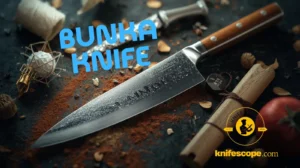
Bunka knife types range from classic Japanese bunka to compact petty and hybrid variations.
I have spent years testing kitchen knives and teaching knife skills. This guide explains bunka knife types clearly, with hands-on tips, differences in blade shape and steel, and real-world advice to help you pick the right bunka knife type for your cooking style. Read on to find expert insight, practical examples, and simple care routines that keep your bunka knives performing at their best.
What is a Bunka Knife? Definition and Purpose
A bunka is a Japanese utility knife. It blends a broad blade with a pointed tip. The shape sits between a santoku and a petty knife. Bunka knife types share that angled tip and tall profile. They work well for chopping, slicing, and small precision tasks.

Key Anatomy and Design Traits of Bunka Knife Types
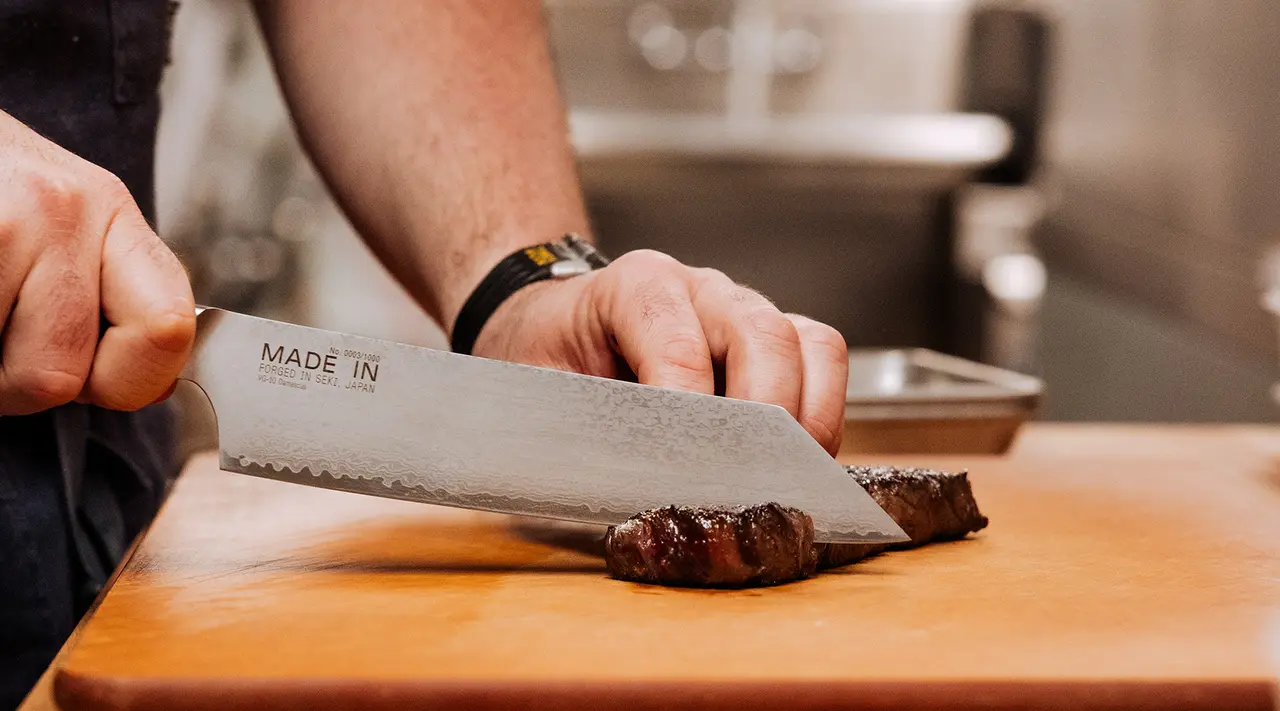
The main parts of any bunka are the blade, tip, spine, edge, and handle. The tip is often a k-tip or reverse tanto style. The blade height gives knuckle clearance and guides food away from the board. Most bunka knife types use a flat or slightly curved edge for push and pull cuts. A thinner spine and narrower heel change how a bunka feels when slicing.
Common Bunka Knife Types and Variations
Below are the most common bunka knife types and what makes each one useful.
- Classic Bunka
- Blade length typically 165–180 mm.
- Pointed k-tip for piercing and precise cuts.
- Best for general prep, vegetables, and small meats.
- Compact/Petty Bunka
- Blade length 120–150 mm.
- Easier to control for small tasks and fine work.
- Ideal for herbs, garlic, and trimming.
- Wide-Profile Bunka
- Taller blade for scooping and knuckle clearance.
- Good for large veg and thin slicing.
- Helpful when you want a broad surface to push food.
- Hybrid Bunka (Santoku-Bunka)
- Mix of santoku curve and bunka tip.
- Balanced for rocking and chopping motions.
- Versatile for home cooks who switch techniques.
- Tanto or K-Tip Variants
- Sharper, reinforced tip and straight edge near tip.
- Better for tougher cuts and more precise work.
- Changes how you angle the knife when finishing cuts.
- Steel and Finish Variants
- Carbon steel, high-carbon stainless, and powder steels appear across bunka knife types.
- Finish can be polished, hammered (tsuchime), or matte.
- Steel choice impacts edge retention, ease of sharpening, and maintenance needs.
I once switched from a 165 mm classic bunka to a petty bunka for prep at a small catering job. The petty bunka made trimming and fine slicing much faster. That experience taught me to match bunka knife types to tasks rather than pick based only on looks.

Blade Steel, Edge Geometry, and How They Shape Bunka Knife Types
Steel and grind define performance.
- Steel choices
- Carbon steel holds a keen edge but needs oiling to avoid rust.
- Stainless steels resist stains and need less care.
- Powder metallurgy steels offer excellent edge life but cost more.
- Edge angle and grind
- Many bunka knife types use 15–20° per side angles.
- A thinner primary bevel slices better but chips more easily.
- Double bevel edges are common; some makers offer asymmetrical grinds for right- or left-handed users.
- Heat treatment and hardness
- Harder steels (HRC 60+) hold an edge longer but are trickier to sharpen.
- Softer steels are forgiving and easier to maintain.
From my testing, a mid-hardness stainless bunka balances ease of sharpening with good edge life for home cooks. Professional cooks may prefer harder steels.
Handle Styles and Construction in Bunka Knife Types
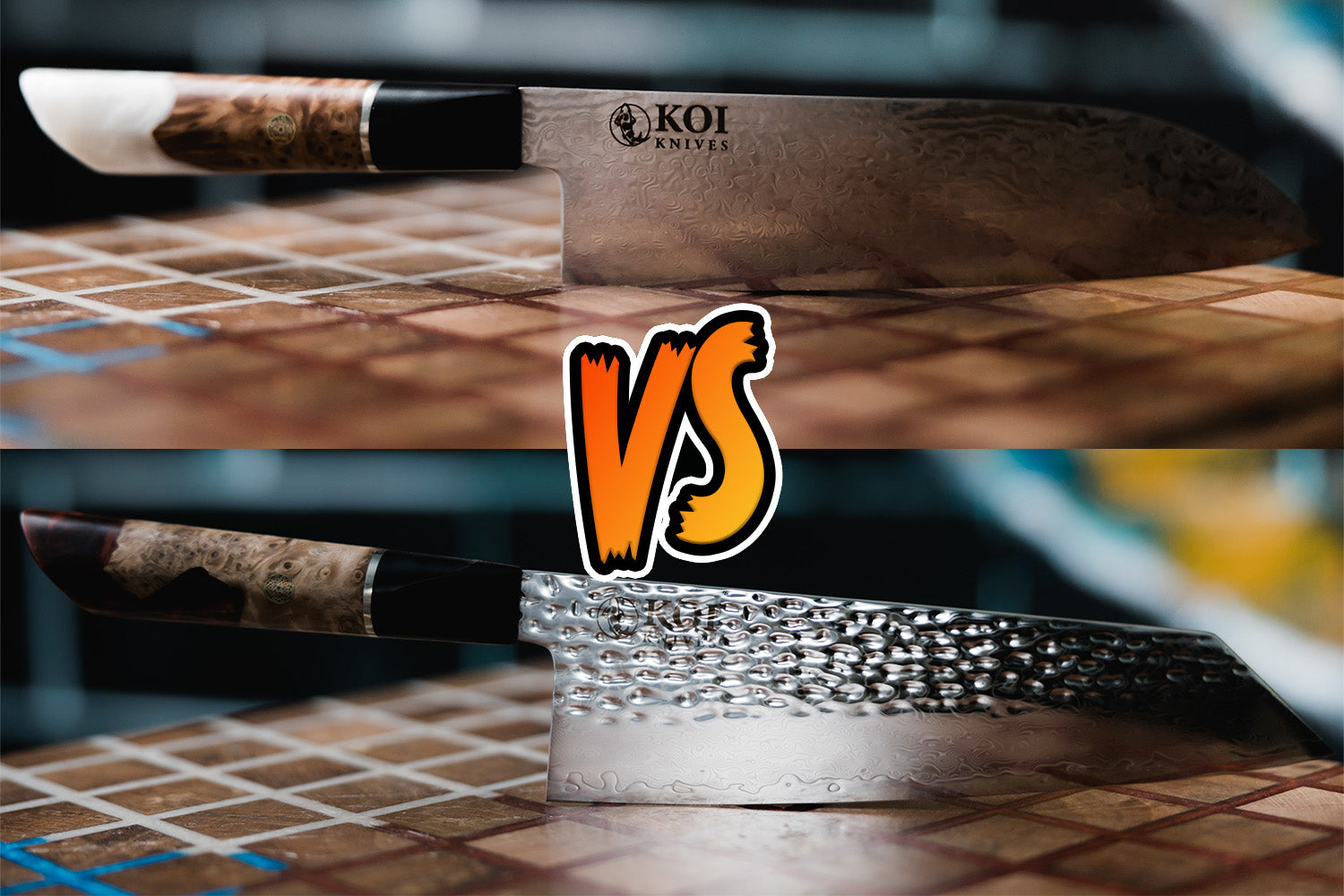
Handle design affects balance, grip, and comfort.
- Full-tang western handles
- Heavier, balanced, and durable.
- Often made from pakkawood, composite, or stabilized wood.
- Wa-style Japanese handles
- Lighter, cylindrical or octagonal.
- Provide close control for precise cuts.
- Hybrid handles
- Combine western shape with wa materials for comfort and weight balance.
Grip type also matters. A pinch grip is common for bunka knife types to get control of the pointed tip during precise work. Choose a handle that feels secure and avoids wrist strain.

Choosing the Right Bunka Knife Type for Your Kitchen
Pick by tasks, feel, and maintenance habits.
- Ask what you cook most
- Lots of veg and herbs: consider a wide-profile or petty bunka.
- Small portion or tight prep space: compact bunka fits well.
- Heavy-duty tasks: choose a bunka with a stronger tip and beefier spine.
- Try before you buy
- Hold multiple bunka knife types to check balance and length.
- Practice a few cuts to test the tip and edge feel.
- Budget vs. performance
- Entry-level stainless bunka knife types offer good value.
- Higher-end steels and hand finishes cost more but last longer.
My tip: avoid picking a bunka purely for aesthetics. I once bought a visually stunning bunka that was blade-heavy and tiring after two hours of prep. Now I always test balance with a simple rocking motion before buying.

Care, Sharpening, and Maintenance for Bunka Knife Types
Keep your bunka performing with simple routines.
- Daily care
- Hand wash with mild soap and dry immediately.
- Avoid dishwashers and wet storage.
- Sharpening
- Use a whetstone for best control; start at the recommended angle.
- Stropping refines the edge after sharpening.
- Honing and storage
- Hone regularly to align the edge.
- Store in a block, sheath, or magnetic strip to protect the blade.
- Long-term upkeep
- Lightly oil carbon-steel blades after use.
- Reprofile edges if chips appear, or have a pro regrind for complex steels.
I sharpen on a 1000/6000 grit combo stone. For fast touch-ups, a leather strop works well. Over-sharpening is a mistake I made early on; it shortens blade life. Be patient and steady.

Frequently Asked Questions of bunka knife types
What is the difference between a bunka and a santoku?
A bunka has a pointed k-tip and taller blade profile while a santoku has a rounded tip and flatter edge. Bunka knife types often give more precision for piercing and finishing cuts.
Which bunka knife type is best for home cooks?
A classic 165 mm stainless bunka is a great start for most cooks. It balances size, weight, and ease of care.
Can bunka knife types be used for meat?
Yes. Bunka knife types handle trimmed meats and small cuts well, but heavy bones need a cleaver or heavier blade. Use the pointed tip for precise trimming.
How do I sharpen different bunka knife types?
Use a whetstone at the manufacturer’s angle, then hone and strop. Harder steels may need finer grits and more care to avoid chipping.
Are bunka knife types good for beginners?
Many bunka knife types are beginner-friendly due to their control and versatile shape. Start with a mid-range stainless bunka for low maintenance and good performance.
How long will a bunka’s edge last?
Edge life depends on steel, use, and maintenance. High-end steels can stay sharp for longer, but all bunka knife types need regular honing and periodic sharpening.
Conclusion
Bunka knife types offer versatile performance across many kitchen tasks. From compact petty bunka options to wide-profile and hybrid models, there is a bunka suited to every cook. Choose by the tasks you do, test balance and comfort, and maintain your blade with basic care and sharpening. Try one bunka type for a month and you’ll quickly learn which shape and steel match your style. Explore different bunka knife types, practice safe handling, and share your experiences or questions below — subscribe or comment to continue the conversation.

Maliha Akter is a kitchen knife reviewer and food preparation specialist with over 6 years of experience testing Japanese kitchen knives and everyday cooking tools. She focuses on performance, safety, durability, and real-world usability to help home cooks choose the right knives for efficient and enjoyable cooking.
Expertise:Japanese Knives • Vegetable Knives • Product Reviews • Kitchen Efficiency • Knife Care