Bunka knife uses include precise vegetable work, slicing, dicing, petite boning, and fine chopping.
As a chef and knife enthusiast with years of hands on testing, I’ll walk you through bunka knife uses with clarity and authority. This guide explains what a bunka is, how its shape and balance make it ideal for certain tasks, and how to choose, care for, and use one like a pro. Read on to learn practical tips, real world examples, and mistakes to avoid so you can add this versatile blade to your kitchen with confidence.
What is a Bunka Knife?
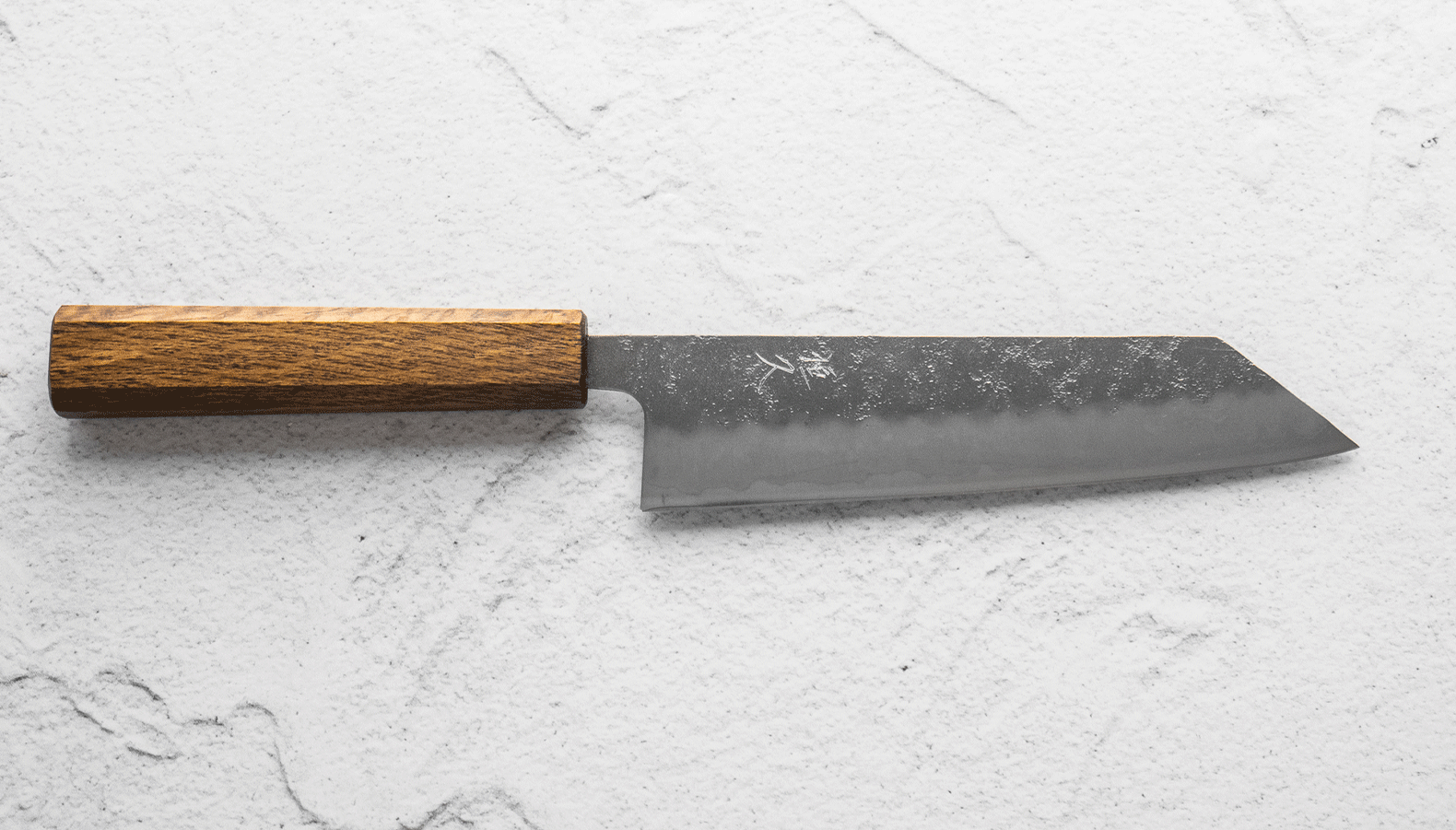
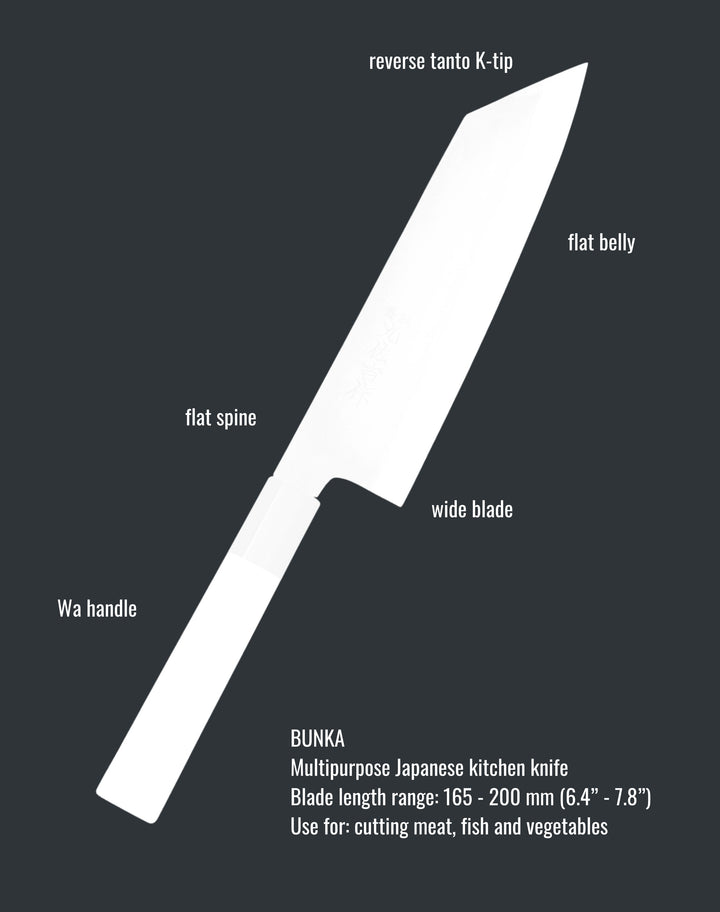
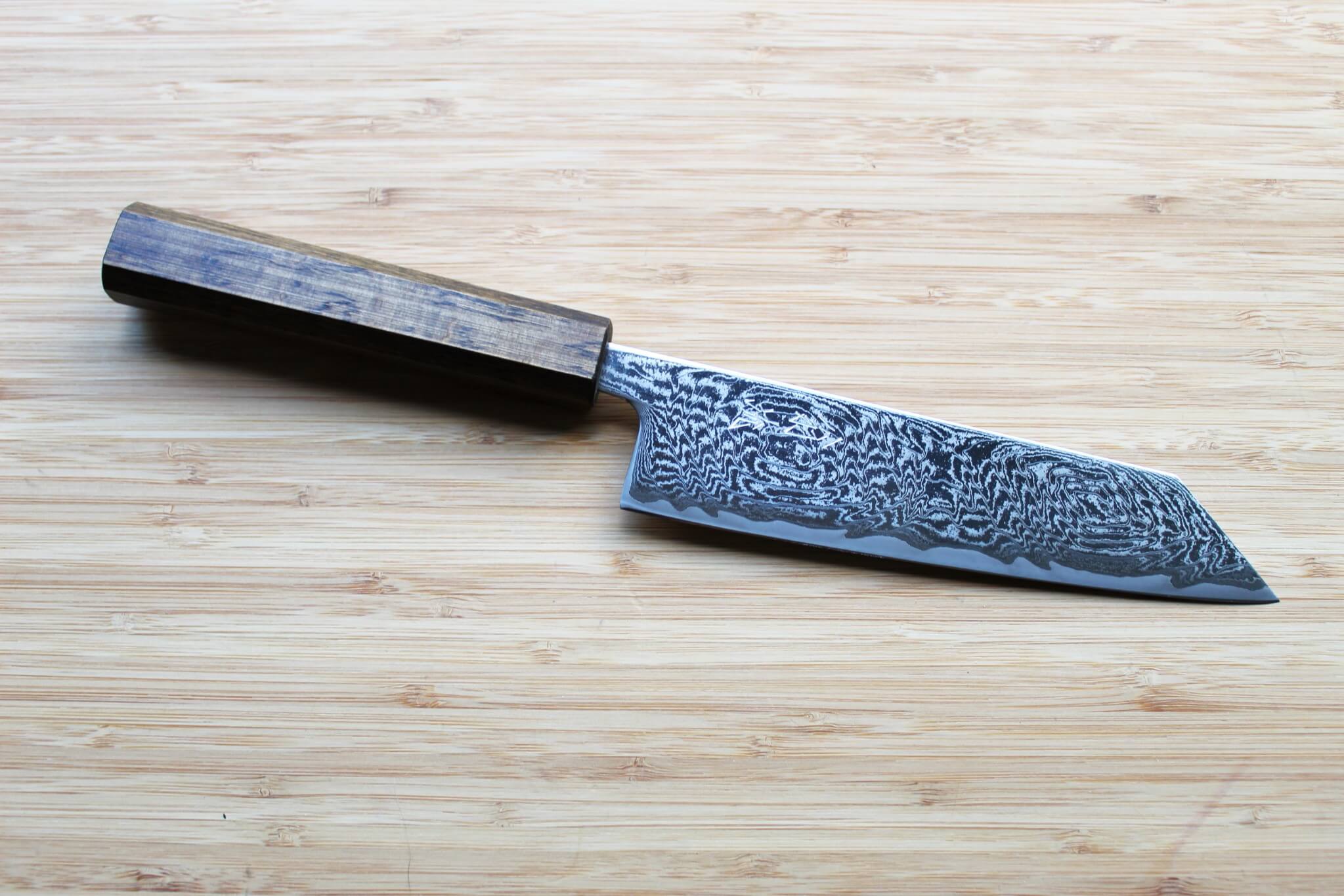
A bunka is a Japanese style kitchen knife. It blends features of the santoku and the traditional petty knife. The blade is usually 6 to 7.5 inches long. It has a pointed tip and a flat edge near the heel.
The design favors control and precision. That shape makes bunka knife uses well suited to both vegetable work and light meat prep. Its pointed tip is great for detail work. The flat belly helps push cuts and thin slices.
Source: com.au
Anatomy and Blade Profile
The bunka blade has a few key parts. The pointed tip allows piercing and fine cuts. The blade often has a single bevel or a double bevel depending on maker. The handle is usually octagonal or Western-style.
Common blade features that affect bunka knife uses:
- Forged or stamped blade that affects weight and feel.
- Taller profile than a petty knife for knuckle clearance while slicing.
- Slight belly for controlled cutting and push cuts.
These attributes shape which tasks the bunka excels at and which it should avoid.

Source: knifewear.com
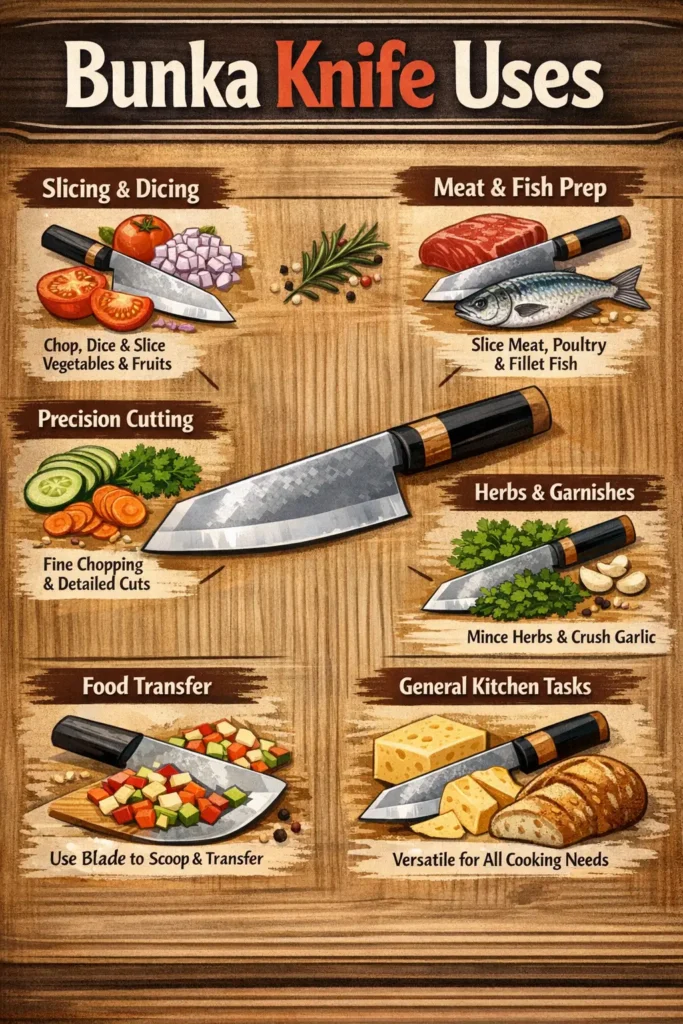
Primary Bunka Knife Uses
The bunka shines in a set of focused tasks. Here are its most common uses and why it performs well in each.
Vegetable prep
- Thin slicing of onions, carrots, and cucumbers.
- Fine julienne and batonnet with the point for start-and-stop work.
- Minced herbs and aromatics done quickly and cleanly.
Protein prep
- Trimming fat and silver skin on small cuts.
- Slicing boneless fish and poultry for neat portions.
- Light boning tasks and breaking down small cuts.
Precision work
- Scoring skin on fish or poultry.
- Pointed tip for decorative cuts and garnishes.
- Controlling small pieces for plating.
Everyday kitchen tasks
- Sandwich and taco prep with quick, precise cuts.
- Cutting soft cheeses and firm fruits.
- Tasks where control matters more than brute force.
These bunka knife uses make it a favorite for cooks who value accuracy and speed at the prep station.

Source: youtube.com
How to Use a Bunka Knife: Techniques and Tips
Using a bunka well means matching technique to task. Keep hands safe and cuts even.
Grip and stance
- Hold the handle with a pinch grip at the blade and thumb near the bolster.
- Keep the other hand in a claw grip to guide items and protect fingers.
- Stand with feet shoulder-width for stable cutting.
Cutting styles
- Use push cuts for thin slices along the flat edge.
- Use tip work for trimming, scoring, and peeling motions.
- Use short rocking motions for mince and fine chopping.
Speed and control
- Work slowly at first to learn blade length and tip reach.
- Use the tall spine near the heel for knuckle clearance.
- Rest the butt of the blade on the board for stability during precise cuts.
These techniques expand the list of bunka knife uses beyond simple slicing and prep.
Source: sharpedgeshop.com
Maintenance and Care
A knife that is cared for will perform better and last longer. Follow simple steps to keep your bunka sharp and safe.
Sharpening and honing
- Hone before each use to realign the edge.
- Sharpen on a whetstone when you feel drag or dullness.
- Use an appropriate grit progression to preserve the edge geometry.
Cleaning and storage
- Hand wash and dry immediately to prevent rust and stains.
- Store in a wooden block, magnetic strip, or blade guard to protect the edge.
- Avoid dishwashers; the heat and detergent can harm the blade and handle.
Rust prevention
- Wipe lightly with a cloth after use.
- Apply a thin coat of mineral oil on high-carbon blades after drying.
- Keep humidity low in storage areas when possible.
Good maintenance supports the many bunka knife uses and protects your investment.

Source: thecookingguild.com
Buying Guide: Choosing the Right Bunka Knife
Selecting the right bunka affects how you use it. Focus on material, fit, and feel.
Blade material
- High-carbon steel offers sharpness and edge retention but needs care for rust.
- Stainless steel is low-maintenance but may require more frequent sharpening.
- Powder steels combine durability with fine edges and are common in premium blades.
Blade length and weight
- 6 to 7.5 inches is common; pick a length that suits your hand and board.
- Lighter blades favor speed and control; heavier blades add momentum for thicker cuts.
Handle and balance
- Try the handle to ensure comfort and secure grip.
- Look for a blade-to-handle balance point near your pinch grip for control.
- Consider an octagonal or Western-style handle based on preference.
Budget and maker
- Entry-level bunka knives start at modest prices and work fine for home cooks.
- Mid-range offers better steel and balance for regular use.
- High-end artisan blades add edge performance and craftsmanship value.
Choosing correctly enhances bunka knife uses in your kitchen and reduces frustration.
Bunka vs Santoku vs Chef’s Knife
Comparing these knives clarifies where bunka knife uses fit in a kitchen set.
Bunka
- Pointed tip and tall profile for precision and knuckle clearance.
- Best for vegetables, trimming, and fine tasks.
Santoku
- Rounded tip and flatter edge give a scooping motion.
- Great for general all-purpose use, especially slicing and chopping vegetables.
Chef’s knife
- Long belly and curved tip support rocking cuts and heavy-duty tasks.
- Ideal for large proteins, heavy chopping, and versatile all-round work.
Pick the bunka if you want a precision tool for refined prep. Many cooks keep one bunka and one larger chef or santoku to cover all needs.
Source: hasuseizo.com
Personal Experience and Real-World Tips
I’ve used bunka knives daily in both home and small pro kitchens. They became my go-to for prep when I needed speed with control.
What worked for me
- Using the point to start cuts made tasks like peeling and coring faster.
- The tall blade cleared knuckles when cutting larger veg, making long prep sessions easier.
- A mid-weight bunka balanced well and reduced wrist fatigue.
Mistakes I made and lessons learned
- Initially I used a coarse steel and chipped the tip. Use consistent, moderate pressure when sharpening.
- I once stored the knife loosely in a drawer; the edge dulled quickly. Use a sheath or block.
- I tried heavy-duty boning with it and bent the tip. Use the right tool for heavy bones.
Tips for readers
- Practice basic cuts slowly for a few sessions to build skill.
- Match steel type to your willingness to maintain it.
- Keep a small whetstone handy for quick touch-ups.
These real lessons show how practical bunka knife uses evolve with experience.
Common Mistakes and How to Avoid Them
Avoid these pitfalls to get the best from your bunka.
Overloading the blade
- Don’t use the bunka on hard bones or frozen foods.
- Use a cleaver or boning knife for heavy work.
Poor sharpening habits
- Avoid aggressive angles that thin the edge excessively.
- Use stones and maintain a consistent angle.
Ignoring maintenance
- Do not leave the knife wet or in a sink.
- Regular honing prevents large edge wear and preserves usability.
Training and technique
- Don’t rush into complex cuts without practice.
- Use slow, controlled motions when learning.
Avoiding these mistakes extends the range of safe and effective bunka knife uses.
People Also Ask
What makes the bunka different from a santoku?
The bunka has a sharper pointed tip and taller profile. That tip gives more precise control for detail cuts.
Can a bunka replace my chef’s knife?
It can for many prep tasks, especially veg work and trimming. For heavy-duty chopping and large joints, a chef’s knife or cleaver is better.
Is a bunka good for slicing fish?
Yes. The pointed tip and thin edge allow clean fish slices. It’s not a dedicated yanagiba for sashimi, but it works well.
Does the bunka need special sharpening?
No special tools are required. Use standard whetstones or professional sharpening services. Keep the angle consistent.
What is the best length for home cooks?
A 6.5 to 7 inch blade suits most home cooks. It balances control and reach for everyday tasks.
Frequently Asked Questions of bunka knife uses
What are the top bunka knife uses in a home kitchen?
Home cooks use bunka knives for vegetables, trimming proteins, and detailed prep. Its pointed tip and flat belly make it very versatile.
Can I use a bunka for boning meat?
It can handle light boning on small cuts. For heavy bones use a dedicated boning knife or cleaver to avoid damage.
How often should I sharpen a bunka?
Hone before each use and sharpen on a stone when the edge drags or fails to slice cleanly. Frequency depends on steel and use but often ranges from monthly to quarterly.
Is a bunka good for beginners?
Yes. Its control and size make it approachable for new cooks. Start with basic slicing and progress to tip work as skill improves.
Can I use a bunka for tomatoes and soft fruits?
Yes. The thin, sharp edge slices tomatoes, peaches, and similar fruits cleanly. Use light pressure for the best results.
Will a bunka rust easily?
High-carbon bunka blades can rust if left wet. Clean and dry them promptly, and apply oil if needed to prevent rust.
Are bunka knives expensive?
They range from affordable entry-level options to high-end artisan blades. Price depends on steel, construction, and maker.
Final Thoughts and Next Steps
The bunka is a focused, capable blade for cooks who value control, precision, and elegant prep work. Use it for vegetables, small proteins, and tasks that call for a sharp tip and flat edge. Practice basic cuts, maintain the edge, and pair the bunka with a larger knife to cover heavy chores.
Take action this week: try a bunka for one full prep session. Note what tasks feel faster or neater. Share your experience, ask questions below, or subscribe for more knife guides and care tips.
Maliha Akter is a kitchen knife reviewer and food preparation specialist with over 6 years of experience testing Japanese kitchen knives and everyday cooking tools. She focuses on performance, safety, durability, and real-world usability to help home cooks choose the right knives for efficient and enjoyable cooking.
Expertise:Japanese Knives • Vegetable Knives • Product Reviews • Kitchen Efficiency • Knife Care