Carbon steel excels at sharpness and feel; stainless steel wins for low maintenance durability.
If you’re comparing carbon steel vs stainless steel knives, you want real answers, not hype. I’ve sharpened, used, and tested both in busy kitchens and outdoors. In this guide, I’ll break down the key differences, how they perform day to day, and which one fits your life. You’ll get expert tips, real examples, and a clear path to the right choice.
What’s the real difference?
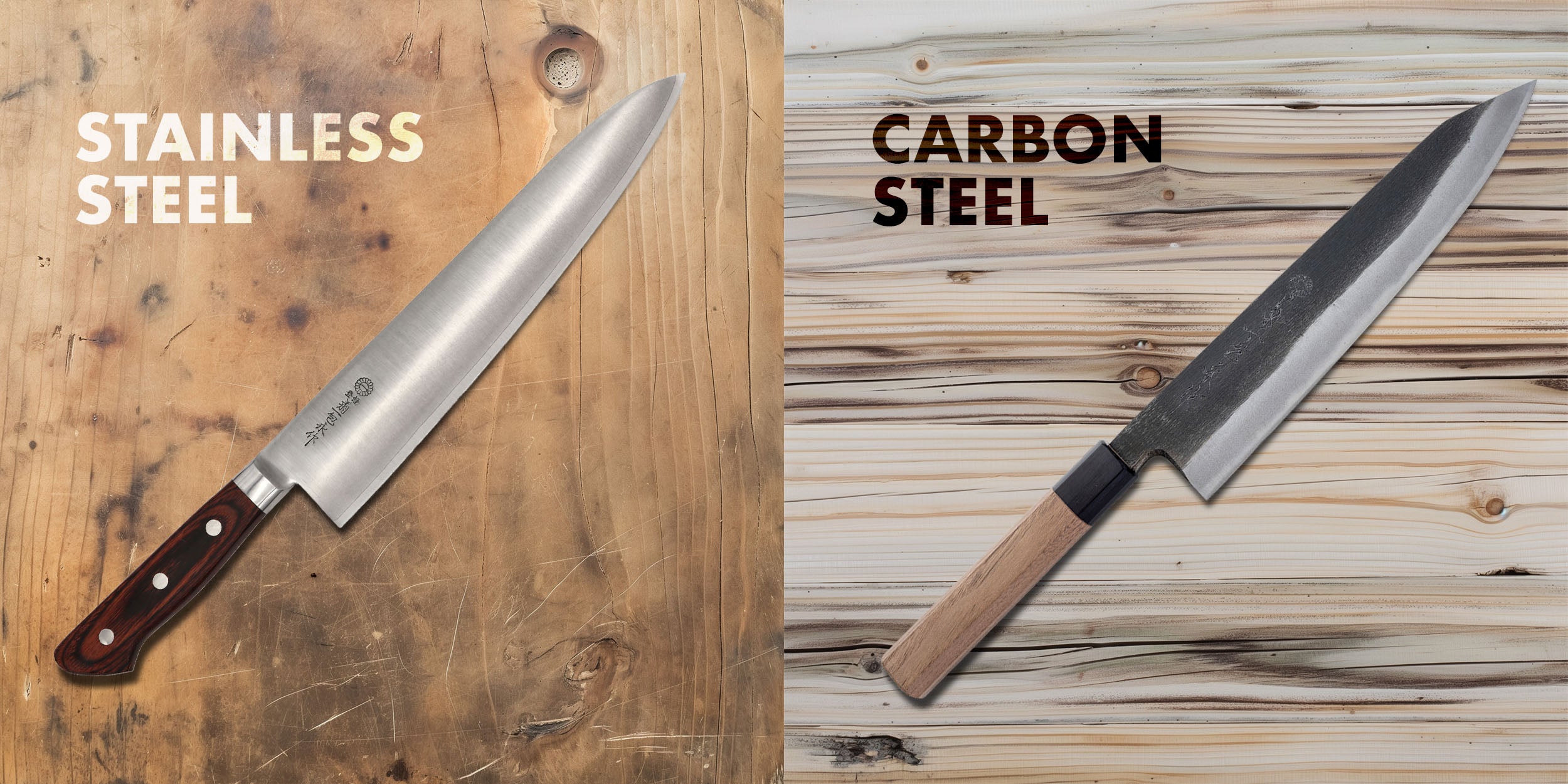
Carbon steel and stainless steel are both iron-based. The big change is chromium. Stainless needs at least about 10.5% chromium to resist rust. Carbon steel has little to no chromium, so it rusts faster but often cuts cleaner.
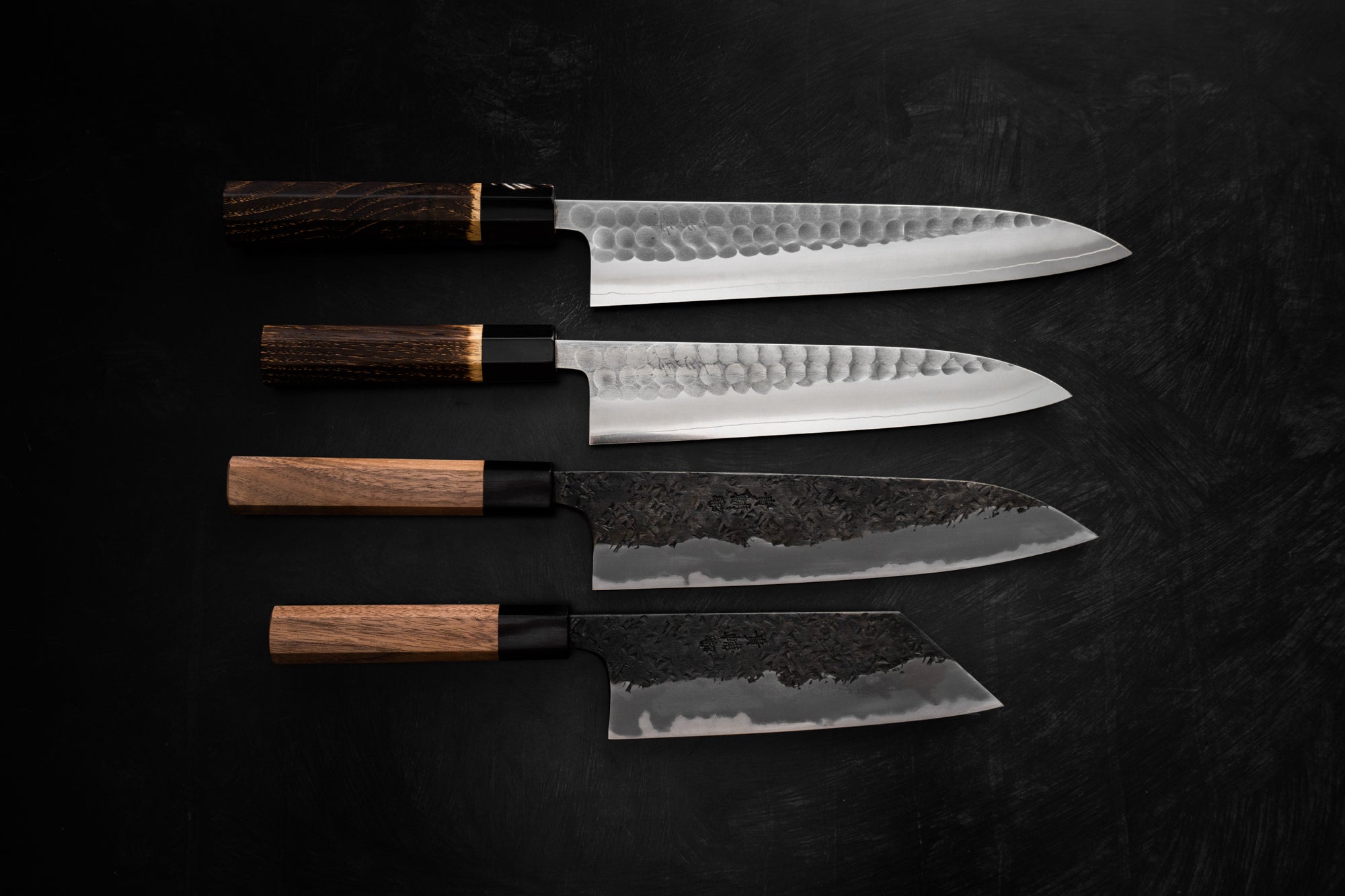
Here’s the short version many pros know. Carbon steel forms a patina and holds a crisp, toothy edge. Stainless steel fights rust, shrugs off stains, and needs less care. The best option depends on how you slice, wash, and store your knives.
In metallurgy terms, stainless makes a protective chromium oxide layer. That layer slows rust in wet or salty air. Carbon steel does not build that layer, so water, acid, and salt attack fast. But the carbides in some carbon steels can be fine and tight. That helps edge stability at very thin angles.
Source: elementknife.com
Performance comparison in the kitchen and field
Edge sharpness and bite
Carbon steel often feels “grippy” on food skins. It grabs tomato and pepper skins and glides in. Many chefs say it “pops” through herbs. Stainless can be very sharp too, but some grades feel smoother and less grabby.
Edge retention
This depends on the alloy and heat treat. Simple carbon steels like 1095 or White steel take a scary edge fast. They lose that peak edge a bit sooner, but touch up in seconds. Premium stainless like S35VN or SG2 can hold an edge long. They can take more time to sharpen.
Toughness and chipping
Fine-grained steels like 52100, AEB-L, and White #2 resist micro-chipping well. Some high-carbide stainless can chip if ground too thin or used on hard boards. Good makers balance hardness and toughness. Heat treat matters as much as the name on the blade.
Corrosion resistance
This one is clear. Stainless wins. Carbon steel will spot if left wet for minutes. Acidic foods like lemons or onions can mark it fast. You can slow this with a patina and oil. But if you leave a carbon steel knife in the sink, it will rust.
Food release and sticking
Carbon steel with a light patina can release starchy foods well. Many stainless knives add grantons or convex grinds to help. Geometry matters more than steel here. A good grind beats a bad one in any steel.

Source: nobliecustomknives.com
Maintenance and care
Care needs shape the carbon steel vs stainless steel knives choice. Carbon steel needs a rhythm of wipe, dry, and oil. Stainless needs far less fuss.
- Wipe the blade dry every few minutes.
- Rinse, dry, and add a thin coat of food-safe oil after use.
- Let a natural gray-blue patina form. It helps slow rust.
Daily care for stainless steel
- Wash and dry after use.
- Avoid the dishwasher. Heat and detergent can harm the edge and handle.
- Oil the pivot on folding knives now and then.
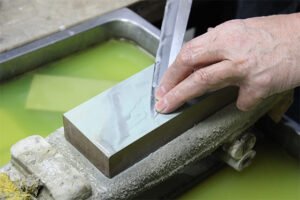
Sharpening tips
- Use a 1000–3000 grit stone for routine touch-ups.
- For carbon steel, a quick strop brings the bite back fast.
- For wear-resistant stainless, use quality stones. Diamonds or ceramics make it easy.
- Keep your angles steady. Most kitchen knives do well at 12–20 degrees per side.
Storage
- Use a magnetic strip, saya, blade guard, or a wood block.
- Keep knives dry. Add silica gel in knife drawers if you live near the coast.

Source: co.uk
Best uses and buyer profiles
Choose carbon steel if
- You love sharpness, speed, and feedback on the board.
- You enjoy sharpening and care routines.
- You cook often and want peak performance.
- You want a knife that feels “alive” and breaks in with a patina.
Choose stainless steel if
- You want low care and strong rust resistance.
- You share a kitchen with family or staff.
- You live in a humid or coastal area.
- You need a work knife for camping, boats, or field dressing.
Good fits by task
- Slicing tomatoes, herbs, and proteins: carbon steel shines.
- Prep in busy restaurants or home kitchens with lots of washing: stainless is safer.
- Hunting and fishing: stainless fights blood, water, and salt better.
- EDC and pocket knives: stainless is the easy call.
Source: reliance-foundry.com
Price and value
You can find both types at every budget. But the value story shifts with use.
Entry level
- Basic carbon steel like 1095 is affordable and easy to sharpen.
- Budget stainless like 420HC or AUS-8 is forgiving and low care.
Mid tier
- Carbon steel like 52100 or Blue #2 delivers great edge feel.
- Stainless like VG-10, AEB-L, or 14C28N offers balance and easy upkeep.
High end
- Top carbon steel from Japanese smiths can be thin, light, and laser sharp.
- Powder stainless like S35VN, SG2/R2, or M390 gives long edge life and true stainless gains.
Value tip
Pay for a good heat treat and grind. Those matter more than steel hype. A well-treated AEB-L can outcut a poorly treated premium steel.

Source: seidoknives.com
How to choose: quick decision guide
Ask yourself
- Do I want the sharpest feel, or do I want less care?
- Will I wipe and oil my knife without fail?
- Is my kitchen humid, or do I live by the sea?
- Do I cut acidic foods all day?
- Do I enjoy sharpening, or do I want set-and-forget?
Simple picks
- Busy home cook: quality stainless gyuto or chef’s knife.
- Knife nerd who loves stones: carbon steel gyuto or petty.
- Boat, camp, or hunt: stainless fixed blade with grippy scales.
- First “nice” knife: stainless to build good habits, then add carbon later.

Source: youtube.com
Hands-on lessons from years of use
My carbon steel petty turned me into a better sharpener. It made me slow down, feel the burr, and chase clean edges. The patina tells the story of meals cooked. It feels personal.
But my stainless workhorse chef’s knife saves time. On a long prep day, I rinse and keep moving. When I taught new cooks, stainless was safer. Less rust risk. Fewer bad habits.
Mistakes to avoid
- Leaving carbon steel wet or dirty. It will stain and pit fast.
- Using glass or stone boards. They dull any steel.
- Cutting hard bones with thin edges. Use the right tool.
- Over-polishing everything. Some blades like a toothy finish.

Source: seidoknives.com
Sustainability, health, and safety
Both steels are recyclable. Many makers recycle grind swarf and cutoff. Look for brands that share sourcing and heat treat data. That shows care and skill.
Food safety
- Carbon steel patina is normal and safe. It is not rust.
- Red rust is bad. Remove it with a gentle rust eraser or fine abrasive, then dry and oil.
- Stainless still needs washing. Protein and acid can stain and smell.
Work safety
- Keep edges sharp. Dull blades slip more.
- Use the right board. End-grain wood or soft plastic is kind to edges.
- Mind your grip. A dry towel near the board is cheap insurance.

Source: nobliecustomknives.com
Frequently Asked Questions of Carbon steel vs stainless steel knives
Are carbon steel knives sharper than stainless?
Both can be razor sharp. Carbon steel often feels sharper because it takes a very keen, fine edge fast.
Do carbon steel knives rust easily?
Yes, if left wet or dirty. Wipe, dry, and oil after use to prevent rust and build a patina.
Can stainless steel knives hold an edge as long as carbon?
Many premium stainless steels can hold an edge longer. They may take more time to sharpen due to wear resistance.
Is a patina on carbon steel safe?
Yes. A patina is a stable layer that helps resist rust. It is normal and safe for food prep.
Which is better for beginners: carbon steel vs stainless steel knives?
Stainless is easier for most beginners. It needs less care, and it forgives small mistakes in cleaning and storage.
What steels should I look for in each category?
Carbon: 1095, 52100, White #2, Blue #2. Stainless: AEB-L, VG-10, 14C28N, S35VN, SG2/R2.
Can I put either type in the dishwasher?
No. Heat, detergent, and banging can harm edges and handles. Hand wash and dry right away.
Conclusion
Carbon steel vs stainless steel knives is not about one “best” choice. It’s about how you cook, where you live, and how you care for your tools. If you love feel and peak sharpness, go carbon and enjoy the ritual. If you want strength with less fuss, go stainless and cook with confidence.
Pick one that fits your habits, then learn to sharpen and store it well. Ready to go deeper? Explore our guides, subscribe for new tests, or drop a question in the comments so we can help you choose the perfect blade.

Maliha Akter is a kitchen knife reviewer and food preparation specialist with over 6 years of experience testing Japanese kitchen knives and everyday cooking tools. She focuses on performance, safety, durability, and real-world usability to help home cooks choose the right knives for efficient and enjoyable cooking.
Expertise:Japanese Knives • Vegetable Knives • Product Reviews • Kitchen Efficiency • Knife Care