Ceramic rods remove metal and polish; steel rods realign edges and resist wear.
I have worked with knives and sharpening tools for years. I test ceramic and steel rods in kitchens and workshops. This guide on ceramic vs steel honing rod gives clear, hands-on advice. You will learn how each rod works, when to use it, and how to choose and care for one. Read on to sharpen your skills and choose the right rod for your knives.
How honing rods work
A honing rod keeps a knife edge aligned. It does not take much metal off the blade. It straightens tiny bends that form during use.
There are two main actions in the ceramic vs steel honing rod debate. Steel rods mostly realign the edge with little abrasion. Ceramic rods often shave small amounts of metal to refine and polish the edge.
Using the right stroke and angle matters more than the rod type. Keep movements steady and light. Repeat often for consistent results.

Material differences: ceramic vs steel honing rod
Ceramic rods
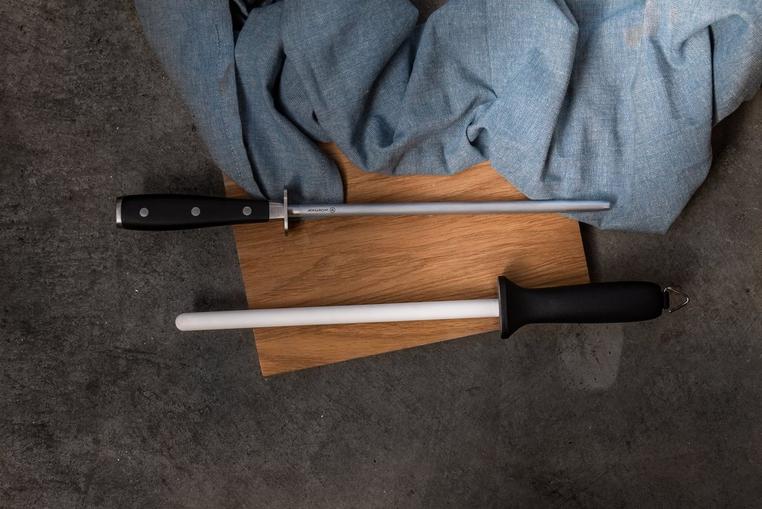
- Made from hard oxides such as alumina or zirconia. These materials are very hard.
- Act as mild abrasives that polish and remove small burrs.
- Come in fine and medium grits for different needs.
Steel rods
- Made from stainless or high-carbon steel. Some are coated with carbide.
- Mainly realign the cutting edge without much material removal.
- Can be softer or harder depending on alloy and finish.
Coatings and construction change feel and function. Ceramic vs steel honing rod choice depends on knife steel and how dull the blade is. Hard modern steels often respond well to ceramic finishing. Softer steels benefit from a steel rod for daily alignment.
Performance: sharpening, polishing, and edge retention
What each rod does best
- Ceramic vs steel honing rod for polishing — Ceramic excels at polishing and refining a keen edge.
- Ceramic vs steel honing rod for realignment — Steel excels at straightening edges after daily use.
- Ceramic vs steel honing rod for preparation — Use ceramic when the blade needs light material removal to reshape the edge.
Edge retention and feel
- Ceramic-polished edges can feel razor-sharp and last longer on hard steels.
- Steel-honed edges recover cutting feel fast after short chopping sessions.
- For very dull blades, neither rod replaces a stone or sharpener. Use a stone first, then finish with ceramic or realign with steel.
From my experience, I use a steel rod daily for chef knives. I use a ceramic rod once a week or after heavy use. That combo keeps edges keen and cuts smooth.
:max_bytes(150000):strip_icc()/sea-honing-steels-test-primary-ashlee-redger-16-ab14942666c942af8965fe4b980afcdf.jpeg "Ceramic Vs Steel Honing Rod: Which Sharpens Better? 4")
Durability and care
Lifespan and wear
- Ceramic rods can chip if dropped. Chips shorten usable surface.
- Steel rods resist chipping but can wear or rust if low quality.
- Coated rods may lose coating over time with heavy use.
Cleaning and storage
- Clean ceramic rods with a soft brush and mild soap. Rinse and dry fully.
- Clean steel rods to remove metal residue. Light oil prevents rust on carbon steel.
- Store rods in a drawer sleeve or wall rack. Avoid rough contact with other tools.
Limitations
- Ceramic rods can be too abrasive for very soft steels if used heavily.
- Steel rods may not sharpen a dull edge; they only realign it.
- Ceramic vs steel honing rod choice should match knife type and sharpening routine.
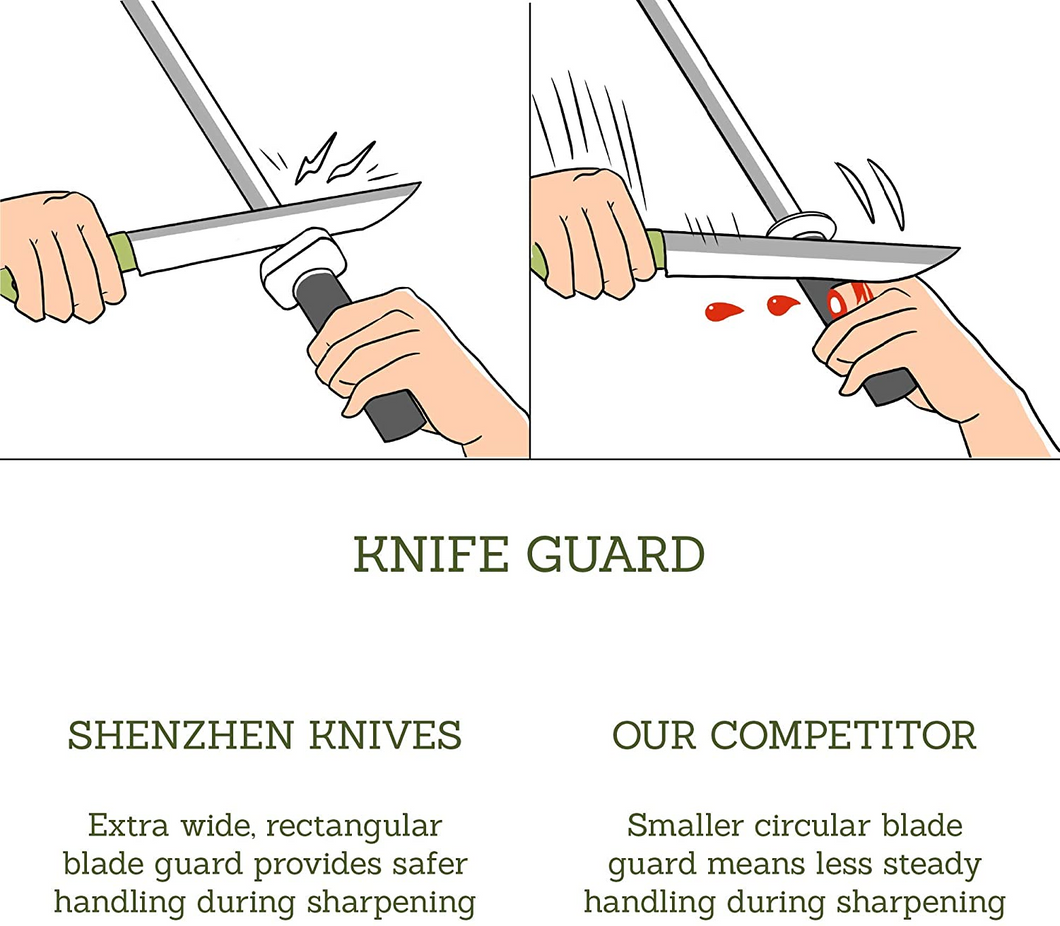
Technique and safety
Basic technique
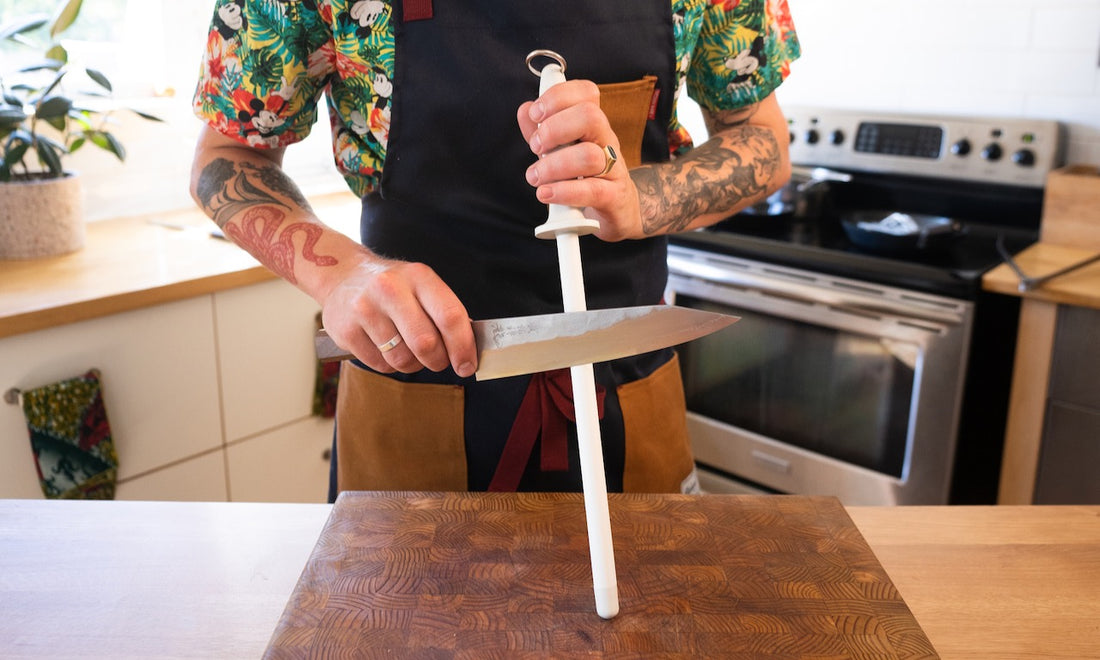
- Hold the rod vertically with the tip on a stable surface.
- Place the knife heel at the top of the rod at a 15–20 degree angle.
- Sweep the blade down and toward you while maintaining the angle.
- Repeat on the other side for even results.
Safety tips
- Use light, controlled pressure. Pressing hard removes too much metal.
- Keep fingers away from the cutting edge.
- Use a non-slip base or damp cloth under the rod for stability.
Common mistakes to avoid
- Rushing strokes and changing angle mid-stroke.
- Using the wrong rod for the task. Ceramic on a very dull blade wastes time.
- Dropping a ceramic rod. That causes immediate damage.

Buying guide and price
What to look for
- Material quality — High-grade ceramic or stainless steel with good finish.
- Grit options — Medium and fine grits let you refine or polish edges.
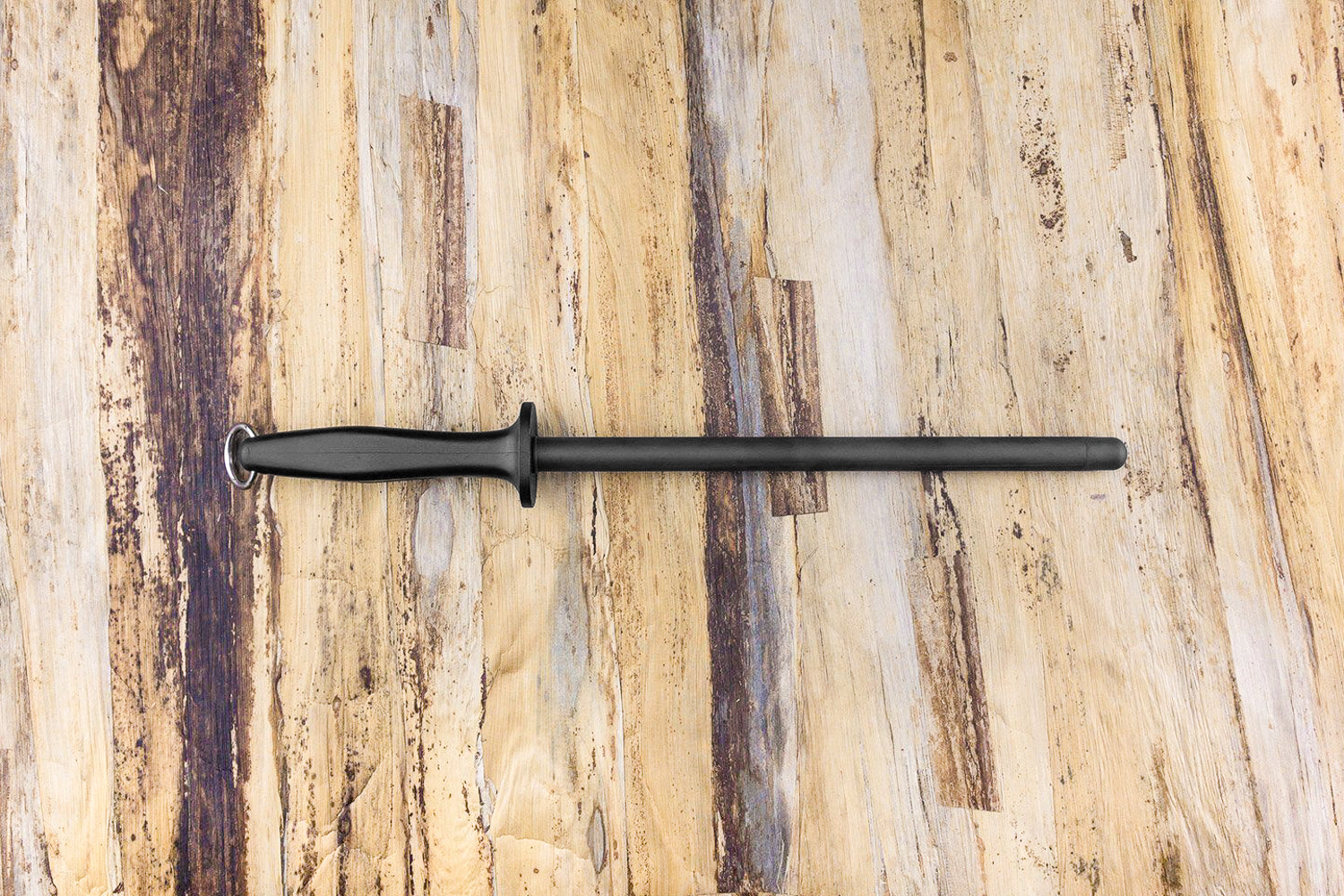
- Handle comfort — A secure grip improves control and safety.
- Size — Longer rods are easier to use with larger knives.
Price range and value
- Budget rods cost less and work for basic maintenance.
- Mid-range rods balance durability with performance.
- Premium ceramic vs steel honing rod models offer better finish and longevity.
Try to match rod type to your knives. High-end steels pair well with fine ceramic rods. Casual cook knives pair well with a solid steel rod.
Personal experience and practical tips
From years of testing ceramic vs steel honing rod I learned a few key truths. Daily use of a steel rod keeps knives safe and ready. Periodic use of a ceramic rod restores a keener bite.
Here are tips I use and teach
- Start with a stone for very dull knives, then use ceramic for polishing.
- Use steel rods for quick touch-ups between cooks.
- Keep a small leather strop for a final polish after ceramic work.
- Replace or refinish rods if you see deep grooves or chips.
A mistake I made early on was overusing ceramic rods on soft knives. That removed too much metal. Now I match rod grit to the steel hardness of each knife.
Frequently Asked Questions of ceramic vs steel honing rod
What is the main difference between a ceramic and a steel honing rod?
The main difference is function. A steel rod mainly realigns the edge. A ceramic rod polishes and removes small amounts of metal.
Can I use a ceramic rod every day?
You can, but light use is best. Daily use may slowly remove metal; use a gentle touch and monitor edge wear.
Will a honing rod sharpen a very dull knife?
No. A honing rod is for maintenance. Use a whetstone, guided sharpener, or professional service to restore a very dull edge.
Are ceramic rods better for hard steels?
Yes. Ceramic rods polish hard steels well and improve edge sharpness and longevity. Hard steels often benefit from ceramic finishing.
Do steel rods rust or need oil?
Stainless steel rods resist rust, but carbon steel rods can rust. Wipe dry and apply a little oil if you use a carbon steel rod.
How often should I use each rod?
Use a steel rod weekly or before heavy prep. Use a ceramic rod as needed for polishing or after more aggressive sharpening. Frequency depends on use and knife steel.
Conclusion
Choosing between ceramic vs steel honing rod comes down to need and knife type. Use a steel rod for daily alignment and quick touch-ups. Use a ceramic rod for polishing and refining harder steels. Match grit and technique to your knives and keep tools clean and safe.
Try a simple routine: realign with steel often, polish with ceramic sometimes, and sharpen on a stone when needed. Test both rods and pick what fits your cooking rhythm. Leave a comment with your experience or ask a question, and consider subscribing for more knife care guides.

Maliha Akter is a kitchen knife reviewer and food preparation specialist with over 6 years of experience testing Japanese kitchen knives and everyday cooking tools. She focuses on performance, safety, durability, and real-world usability to help home cooks choose the right knives for efficient and enjoyable cooking.
Expertise:Japanese Knives • Vegetable Knives • Product Reviews • Kitchen Efficiency • Knife Care