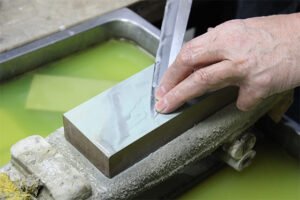
A cleaver knife guide helps you choose, sharpen, and use heavy-duty knives safely.
I have worked with kitchen knives for over a decade and tested dozens of blades. This cleaver knife guide draws on hands-on use, product testing, and pro chef practice to give clear advice. Read on to learn types, anatomy, buying tips, care steps, cutting techniques, and safety. You will finish ready to pick the right cleaver, keep it sharp, and use it well.
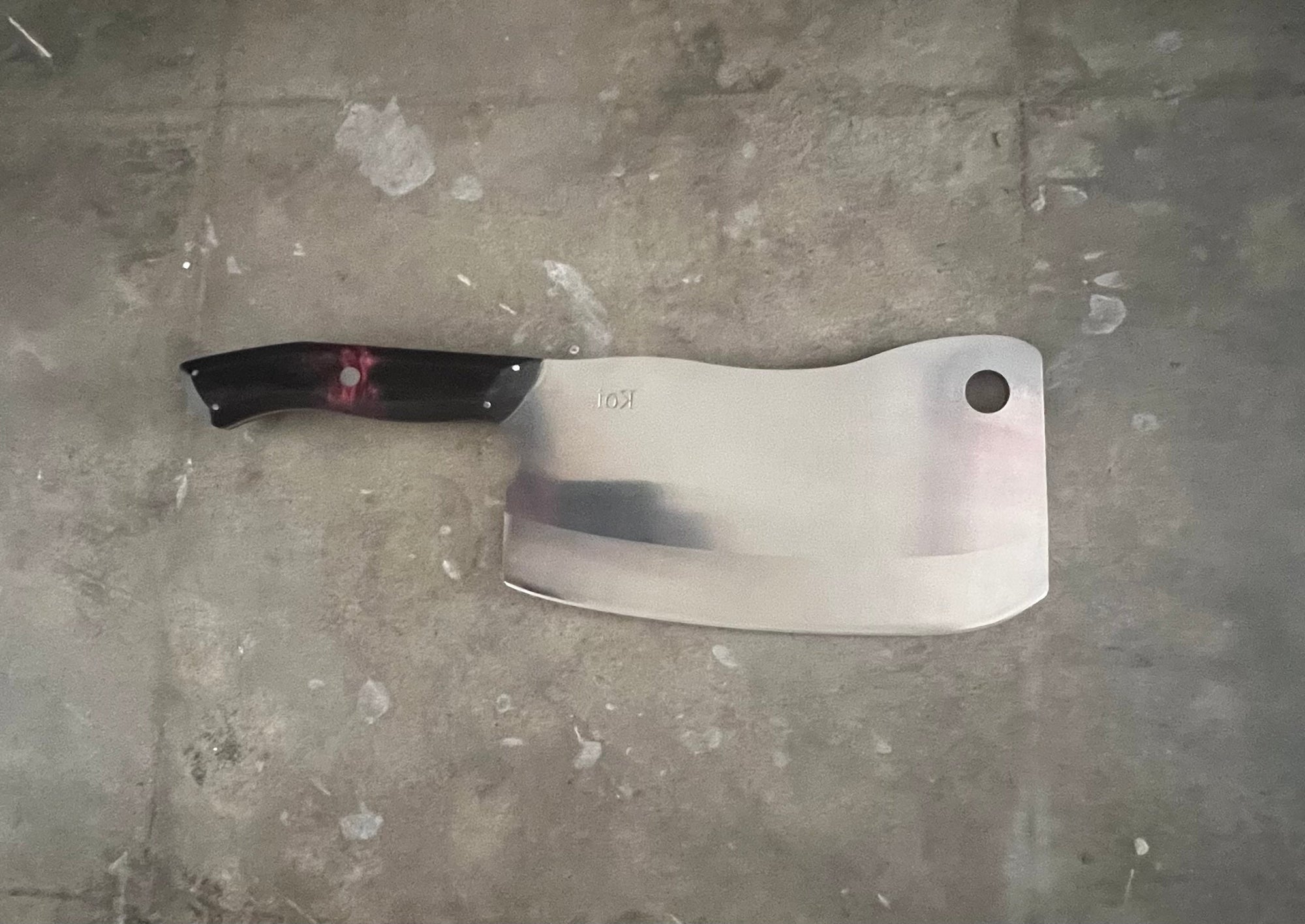
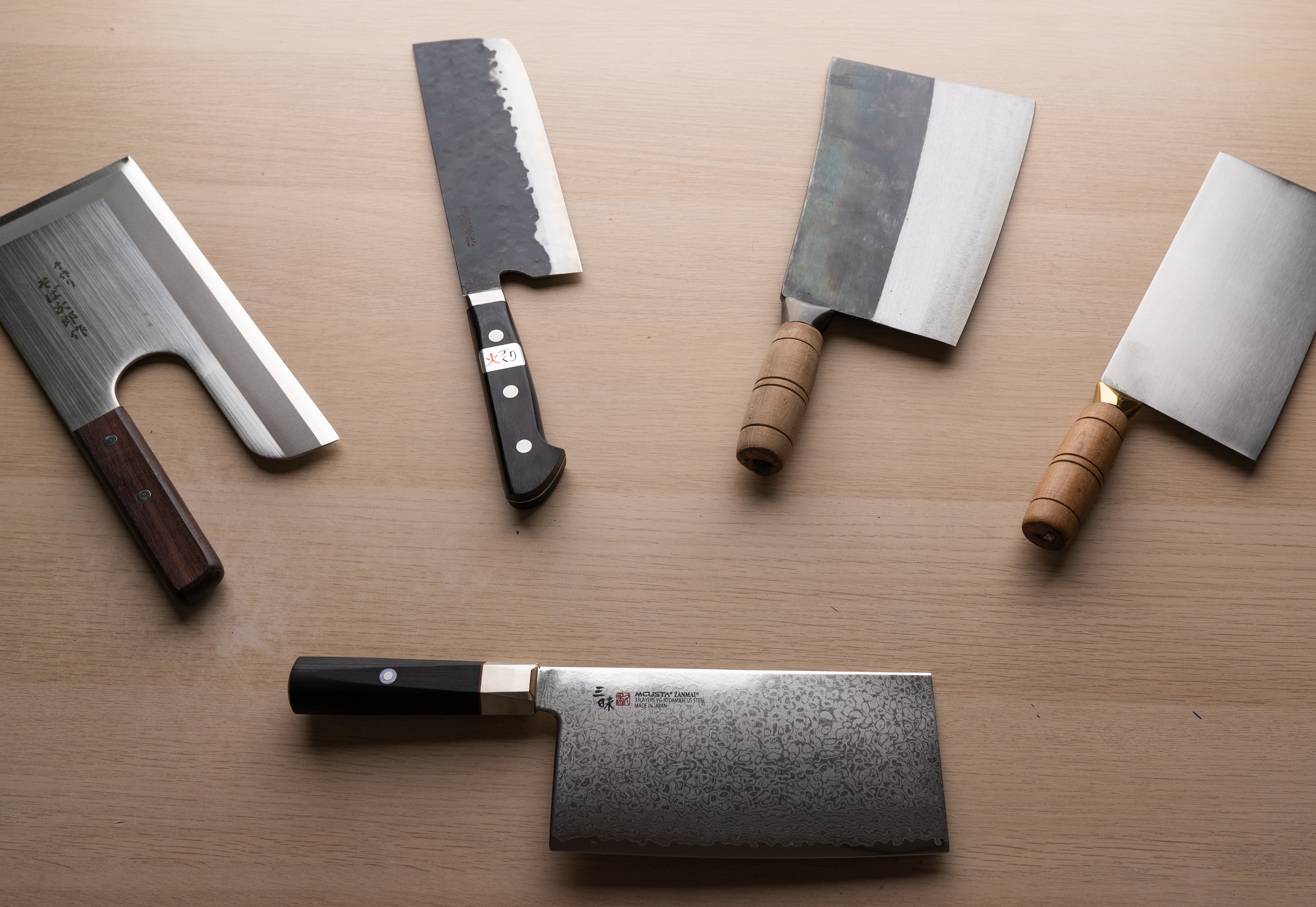
Types of cleavers: which blade fits your kitchen
Cleavers come in different shapes and uses. Knowing the type helps you match the tool to the task. This cleaver knife guide starts by explaining the main kinds.
- Chinese cleaver
- Thin, wide blade. Good for slicing vegetables, crushing garlic, and general prep.
- Butcher's cleaver
- Thick, heavy blade. Designed to cut through bone and large joints.
- Vegetable cleaver
- Lighter than a butcher's cleaver, made to score and slice produce.
- Meat cleaver (general-purpose)
- A middle ground for bone and meat work without being too heavy.
Each type has trade-offs. A thin Chinese cleaver is fast and versatile but not for heavy bone work. A thick butcher's cleaver is powerful but can be slow for delicate slicing. Use this cleaver knife guide to pick the right balance for your cooking style.
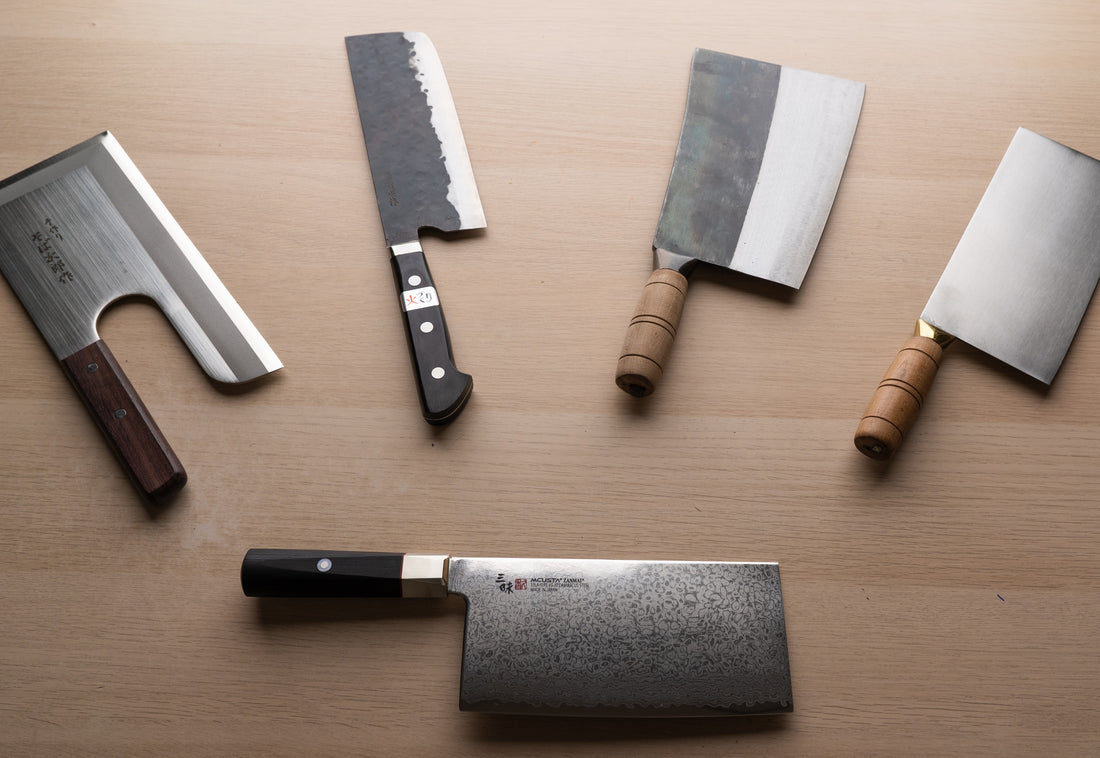
Anatomy and materials of a cleaver
Understanding a cleaver's parts helps you buy and maintain one. This cleaver knife guide breaks the tool into simple parts.
- Blade
- Edge shape, thickness, and length determine cutting ability.
- Spine
- Thicker spines add weight and drive for chopping.
- Heel
- Good for heavy work and scoring.
- Tang
- Full tang means better balance and durability.
- Handle
- Wood, composite, or polymer affects grip and water resistance.
- Steel type
- High-carbon steel holds an edge longer but needs care.
- Stainless steel resists rust and is easier to maintain.
Materials affect weight, sharpness, and maintenance. I prefer a full-tang cleaver with a high-carbon stainless blend for balance. This cleaver knife guide recommends matching steel and handle to how you plan to use the tool.

How to choose the right cleaver for you
Choosing a cleaver can feel confusing. Use these practical checks from this cleaver knife guide.
- Purpose
- Ask if you will cut bone, chop vegetables, or both.
- Weight and balance
- Heavy blades cut through bone. Lighter blades slice faster.
- Blade length
- 6–8 inches is common for home use.
- Handle comfort
- Grip the handle before buying. Comfort reduces fatigue.
- Maintenance needs
- If you avoid sharpening, pick a low-maintenance stainless model.
Try to test a cleaver in hand. I once ordered a heavy cleaver online and returned it because the handle felt awkward. That saved me from months of wrist strain. This cleaver knife guide advises testing grip, weight, and edge feel before purchase.
Care and maintenance: keep your cleaver sharp and safe
A dull cleaver is more dangerous than a sharp one. Follow these basic care steps from this cleaver knife guide.
- Cleaning
- Wash by hand with warm water and mild soap. Dry immediately.
- Storage
- Use a sheath, block, or magnetic strip to protect the edge.
- Rust prevention
- Oil high-carbon blades lightly after drying.
- Honing
- Hone before each use or every few uses to realign the edge.
- Sharpening
- Use a whetstone for best control. Start coarse (around 1000 grit), then finish with a fine stone (3000–8000 grit).
- Angle
- Maintain a 20°–25° edge angle for most cleavers.
I sharpen my cleavers on a 1000/3000 stone and finish with a leather strop. It takes patience, but the cut is cleaner and safer. This cleaver knife guide encourages regular honing and periodic sharpening to extend blade life.

Techniques and cutting methods
Good technique makes the most of any cleaver. Here are safe, efficient moves from this cleaver knife guide.
- Grip
- Use a pinch grip on the blade and wrap the other fingers around the handle for control.
- Stance
- Stand with feet shoulder-width apart and the cutting surface at a comfortable height.
- Chopping through bone
- Use a strong, controlled vertical motion and let the weight of the blade do the work.
- Slicing and rocking
- For thin slices, use the belly of the blade in a smooth rocking motion.
- Crushing and smashing
- Use the flat side to smash garlic or ginger cleanly.
- Protection
- Tuck fingers using a claw grip on the food to avoid accidents.
I learned to slow down and use the blade's weight rather than force. After that, my cuts were cleaner and my wrists hurt less. This cleaver knife guide stresses practice and small steps to build speed and accuracy.

Safety and storage best practices
Safety matters every time you pick up a cleaver. Follow these clear rules from this cleaver knife guide.
- Stable board
- Use a heavy wooden or composite cutting board. Avoid glass or stone.
- Secure grip
- Keep handles dry and hands free of oil.
- Sheath or cover
- Always store with a blade cover when not in a block or on a magnetic strip.
- Keep out of reach
- Store away from children and casual access.
- Clean workspace
- Remove scraps and bone to prevent slips.
I once cut on an unstable board and nicked the blade. Replacing the board resolved the issue. This cleaver knife guide recommends simple, consistent habits to prevent most accidents.
Common uses and recipe ideas
A cleaver is more versatile than many think. This cleaver knife guide lists everyday uses and quick recipe ideas.
- Breaking down poultry
- Use a butcher's cleaver to remove the backbone and joints.
- Chopping ribs or large bones
- A heavy cleaver handles small bones with control.
- Preparing vegetables
- A Chinese cleaver slices, juliennes, and flattens with one tool.
- Mincing and crushing
- Use the flat side for garlic and peanuts.
- Quick recipe idea
- Bone-in short ribs: portion the ribs, marinate, and braise for rich flavor.
These simple uses cover most home needs. I use a cleaver for quick prep and for tasks where a chef's knife would slow me down. This cleaver knife guide shows how one tool can reduce clutter and speed prep time.

Buying guide and price ranges
Know what to expect before you buy. This cleaver knife guide gives price guidance and what to get at each level.
- Budget ($30–$70)
- Basic stainless cleavers for occasional home use. Expect lighter balance.
- Midrange ($70–$150)
- Better steel, improved balance, and longer edge life.
- Premium ($150+)
- High-end steels, full tang, and ergonomic handles for daily work.
Look for return policies and warranties. I recommend spending a bit more on fit and feel rather than just brand names. This cleaver knife guide helps you match price to expected use and care level.
Frequently Asked Questions of cleaver knife guide
What is the difference between a cleaver and a chef's knife?
A cleaver has a wider and heavier blade for chopping bone and large cuts. A chef's knife is lighter and better for slicing and fine work.
Can a cleaver be sharpened like other knives?
Yes. Use a whetstone or professional sharpening service. Maintain a 20°–25° edge for most cleavers.
Is a cleaver safe for home cooks?
Yes, when used properly. Good grip, a stable board, and correct technique reduce risk.
How often should I hone and sharpen a cleaver?
Hone before each use or every few uses, and sharpen when the blade no longer cuts cleanly. For regular cooks, sharpen every few months.
Can I cut vegetables with a butcher's cleaver?
Yes, but it may be heavy for delicate work. A thinner Chinese cleaver slices produce more easily.
Conclusion
This cleaver knife guide gives clear steps to pick, use, and care for a cleaver. Start by choosing the right type for your tasks, practice safe techniques, and keep the blade sharp. Take one small step today: test grips at a store or try honing your current blade before your next cook. Share your experience or questions below, subscribe for more guides, or leave a comment about your favorite cleaver tip.

Maliha Akter is a kitchen knife reviewer and food preparation specialist with over 6 years of experience testing Japanese kitchen knives and everyday cooking tools. She focuses on performance, safety, durability, and real-world usability to help home cooks choose the right knives for efficient and enjoyable cooking.
Expertise:Japanese Knives • Vegetable Knives • Product Reviews • Kitchen Efficiency • Knife Care