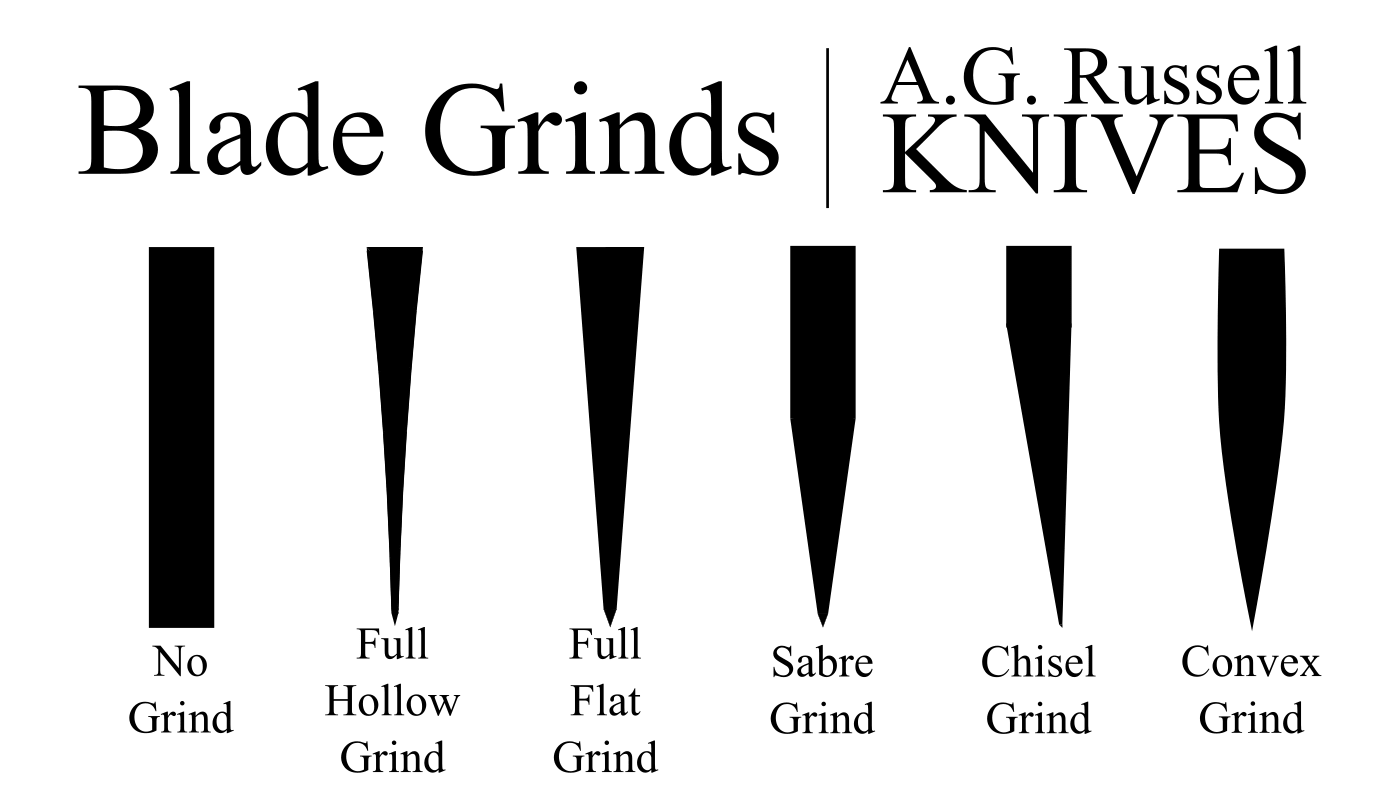
A convex grind knife has a rounded bevel that creates a tough, smooth, and keen cutting edge.
I have worked with knives for years as a maker and tester, and I know what separates a good blade from a great one. This article explains what a convex grind knife is, how it’s made, why it performs so well, and when you should choose one. Read on for clear, practical guidance, hands-on tips, and buying and sharpening advice you can use today.

What is a convex grind knife?
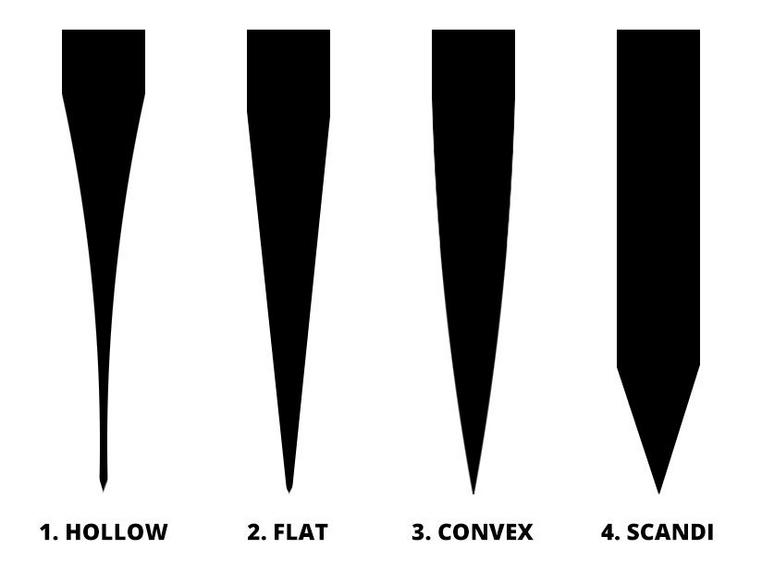
A convex grind knife uses a curved bevel that slopes smoothly from the spine to the edge. This shape removes less steel near the edge than some grinds, which builds strength and allows a very sharp, lasting edge.
Key points:
- The edge is the thinnest part of the blade and the bevel forms a smooth arc.
- The convex profile spreads cutting forces across more steel.
- It differs from flat, hollow, and V grinds by how the metal meets at the edge.
A convex grind knife balances sharpness with durability. It is a favorite for outdoor use, bushcraft, and some kitchen tasks because the edge resists chipping while slicing well.
How a convex grind is made
Making a convex grind knife takes steady hands and the right tools. You can create a convex bevel with files, belts, or by using a slack-belt technique on a grinder. Many makers use sandpaper over a shaped form to roll the bevel into a curve.
Steps to make a convex grind knife:
- Prepare the blank and heat-treat the steel.
- Remove stock behind the edge with coarse abrasives.
- Use finer abrasives to smooth and blend the curve.
- Finish by stropping to refine the edge.
Skilled sharpening is key. If you try it yourself, practice on inexpensive steel first. I learned to convex-grind by hand on old blades before applying the method to custom knives. That practice saved me from common mistakes like over-thinning the spine too quickly.

Advantages of a convex grind knife
A convex grind knife offers several real benefits for everyday use and tough tasks. It gives a robust edge that slices well and tolerates hard use without chipping.
Benefits include:
- Long-lasting edge life due to thicker support behind the edge.
- Smooth cutting action because the bevel pushes material aside cleanly.
- Stronger edge for batoning, carving, and heavy work.
- Easier to maintain a keen edge with regular stropping.
For kitchen use, a convex grind knife excels at slicing soft foods and resisting chips when tackling bones or hard vegetables. For outdoor users, it provides confidence in rough conditions.
Limitations and trade-offs
No grind is perfect for every task. A convex grind knife has trade-offs to consider.
Common limitations:
- Slightly more drag during cutting than a thin V grind.
- Sharpening is more complex and requires skill or proper tools.
- Not always ideal for precision work that needs extremely thin tips.
Be honest about your needs. If you need ultra-thin slicing for delicate work or you prefer simple maintenance, a different grind may suit you better. When you choose a convex grind knife, accept the small trade-offs for great durability and slicing power.
How to sharpen and maintain a convex grind knife
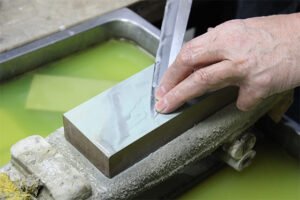
Sharpening a convex grind knife focuses on maintaining the rounded bevel. The goal is to preserve the roll of the bevel while refining the edge.
Basic sharpening methods:
- Use a slack-belt or leather strop with abrasive compound to push the edge into shape.
- Employ sandpaper on a dowel or convex form to re-profile the bevel when needed.
- Use medium to fine stones to set a secondary microbevel if you prefer.
Maintenance tips:
- Strop daily for kitchen blades or after heavy use in the field.
- Avoid aggressive grinding that changes the bevel angle suddenly.
- Keep backups or practice on cheap steel to build sharpening skill.
From my experience, stropping a convex grind knife for a few minutes restores cutting power quickly and safely. Learning to feel the burr with your thumb and listening to the edge during stropping will speed your progress.
Choosing the right convex grind knife
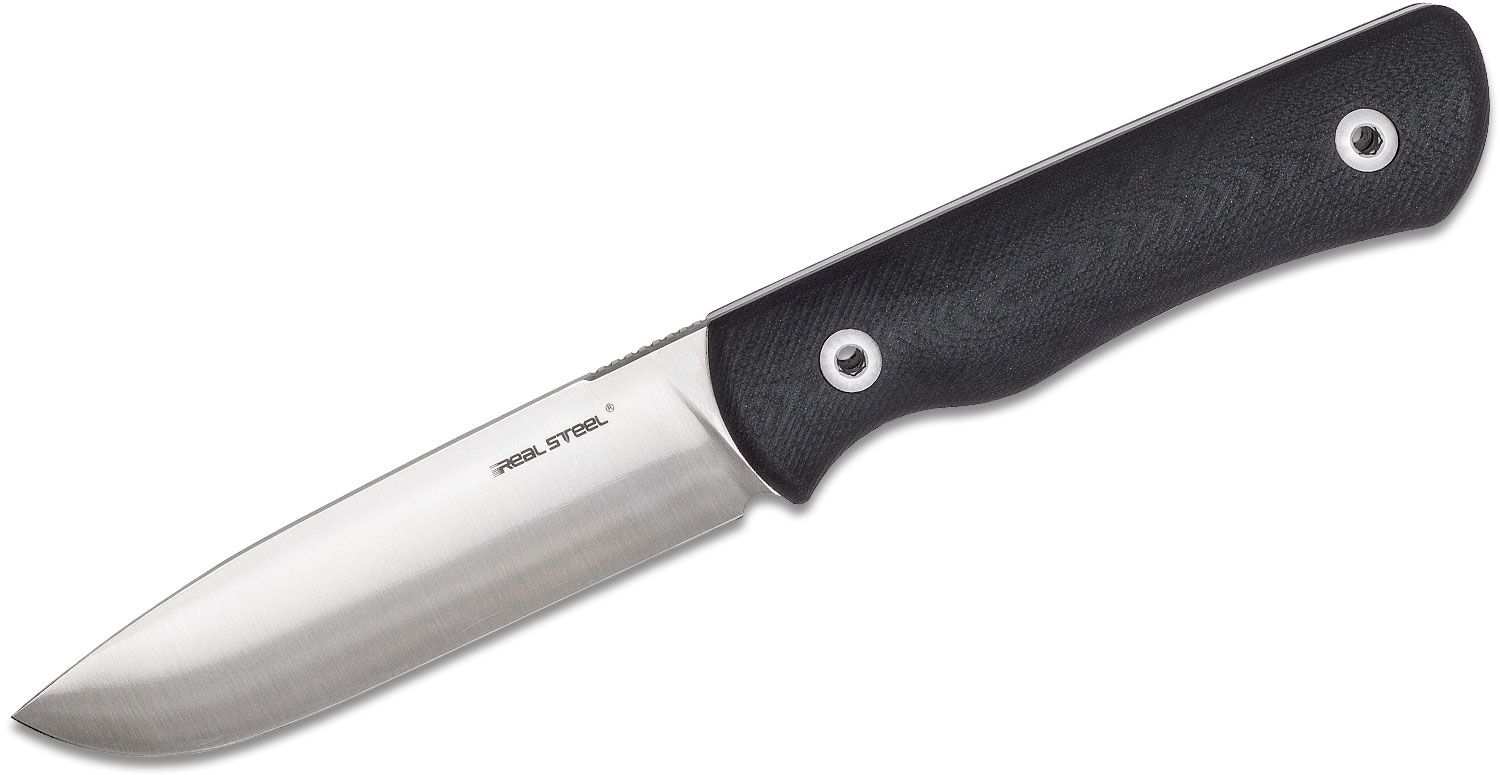
Picking the best convex grind knife depends on use, steel, and blade shape. Think about tasks and maintenance ability when you buy.
Selection checklist:
- Choose steel that balances edge retention and toughness.
- Look for a convex ground factory finish or a trusted custom maker.
- Consider blade length and thickness for your intended cutting tasks.
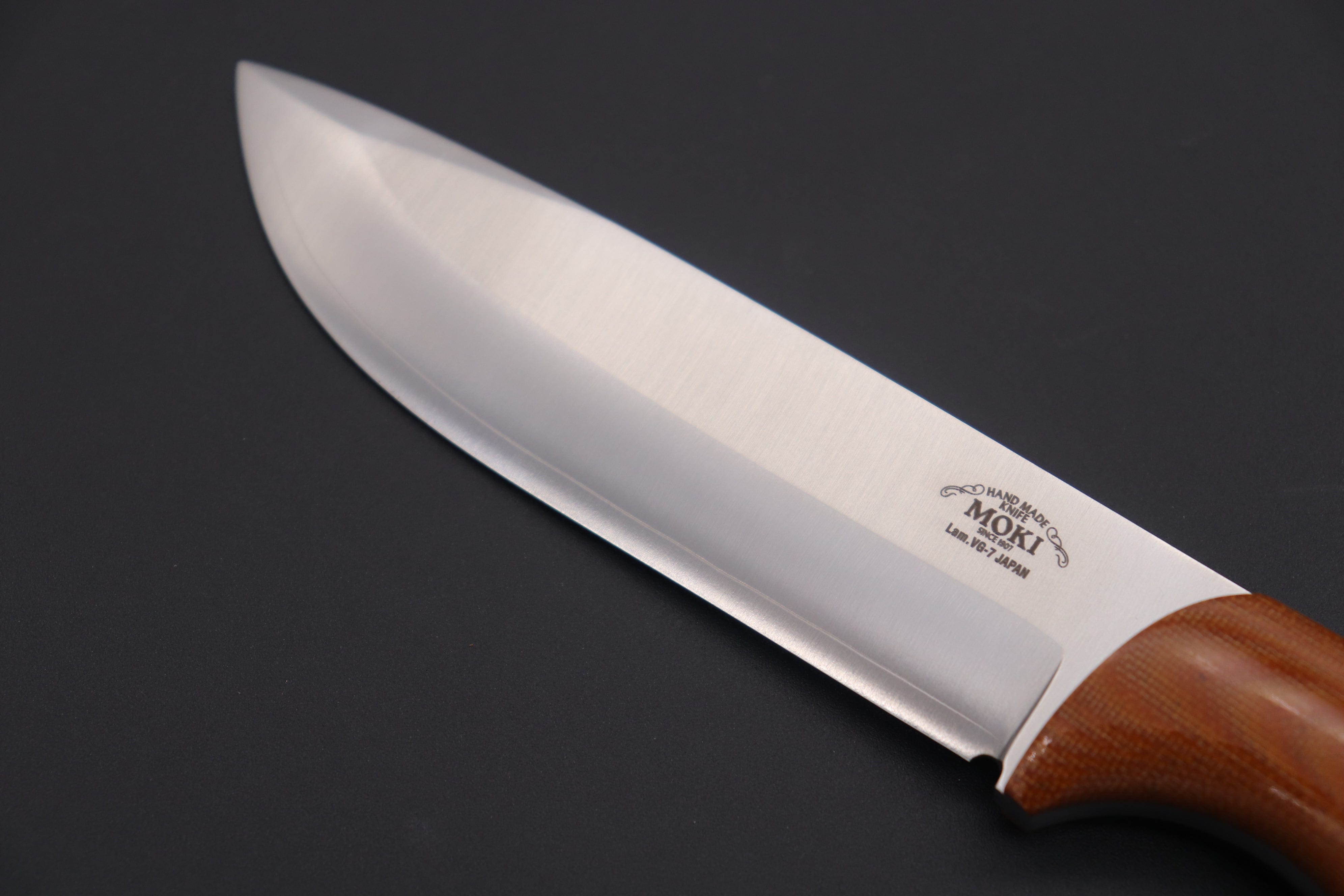
- Inspect the bevel: it should be a smooth, even curve without flat spots.
Practical buying tips:
- For camping and bushcraft, pick a full-tang blade with a robust spine.
- For kitchen use, select thinner blades with fine finishing and good polish.
- Ask makers about their sharpening method; a good maker will describe their bevel process.
I once bought a popular brand that claimed a convex grind but had flats at the edge. That blade performed poorly. Buy from reputable makers or check real photos to confirm the convex profile.

Real-world uses and examples
A convex grind knife serves many uses across outdoor, kitchen, and everyday carry roles. It handles tough chores and fine cutting when maintained properly.
Common uses:
- Bushcraft: batoning, feather-sticking, and general camp chores.
- Kitchen: slicing meats, vegetables, and prepping when durability matters.
- Field work: game processing and tasks where the edge may meet bone or grit.
Personal case study:
- I used a 4mm stock convex grind knife for a week of camp chores. It held an edge through batoning and basic food prep with only light stropping each evening. The blade never chipped, and performance improved after regular stropping.
PAA-style questions:
How does a convex grind compare for slicing?
A convex grind slices smoothly because the rounded bevel allows the edge to penetrate and then part material cleanly, though it may have a little more drag than a razor-thin V edge.
Is a convex grind hard to sharpen?
Sharpening a convex grind is different, but not impossible. With the right tools—strop, slack-belt, or sandpaper forms—you can maintain it effectively.
Can I convert my flat grind to a convex grind?
Yes, you can convert a flat grind to a convex grind with careful stock removal and gentle blending. Practice and caution are essential to avoid thinning the blade too much.

Frequently Asked Questions of convex grind knife
What makes a convex grind knife stronger than other grinds?
A convex grind distributes force over more metal behind the edge, reducing the chance of chips and making the edge more durable during heavy use.
Is a convex grind knife good for kitchen use?
Yes, a convex grind knife is good for many kitchen tasks, especially when you need a strong, long-lasting edge for meats and harder produce.
How often should I strop a convex grind knife?
Strop a convex grind knife after every heavy use or daily in busy kitchens to keep the edge keen and avoid major re-profiling.
Can I sharpen a convex grind with a whetstone?
You can use a whetstone, but finishing with a strop or slack-belt is important to preserve the rounded bevel and achieve a polished edge.
Are factory convex grind knives reliable?
Many factory convex grind knives are reliable, but quality varies. Inspect the bevel and ask about the finishing process to ensure a true convex profile.
Will a convex grind knife rust faster?
Rust depends on the steel and care, not the grind. Proper cleaning, drying, and oiling will keep any convex grind knife from rusting.
Is convex grind better for outdoor knives than hollow grind?
For outdoor knives that face heavy use, convex grind often outperforms hollow grind because it offers better chip resistance and stronger edges.
Conclusion
A convex grind knife offers a strong, long-lasting, and smooth-cutting edge that suits outdoor work, many kitchen tasks, and tough daily use. Learning to maintain a convex grind with stropping and careful sharpening pays off in edge life and reliability. Try a well-made convex grind knife for your next blade and practice stropping for five minutes a day to see the difference. If you found this helpful, leave a comment, subscribe for more knife guides, or share your experiences with your own convex grind knife.

Maliha Akter is a kitchen knife reviewer and food preparation specialist with over 6 years of experience testing Japanese kitchen knives and everyday cooking tools. She focuses on performance, safety, durability, and real-world usability to help home cooks choose the right knives for efficient and enjoyable cooking.
Expertise:Japanese Knives • Vegetable Knives • Product Reviews • Kitchen Efficiency • Knife Care