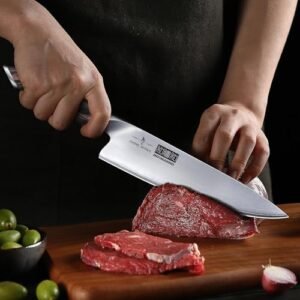
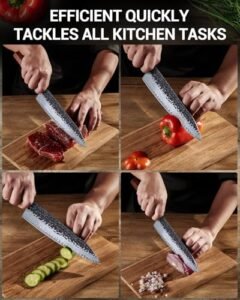
Japanese kitchen knives are easy to sharpen because of their high-quality steel and precise edge geometry.
Japanese kitchen knives are a favorite among chefs and home cooks alike due to their exceptional sharpness, balance, and design. But what truly sets them apart is how easy they are to maintain. If you’ve ever struggled with a dull blade, you’ll find relief with a Japanese knife. Crafted from high-quality steel, they maintain their edge longer and require less frequent sharpening. Whether you’re a seasoned chef or a cooking enthusiast, understanding what makes these knives easy to sharpen will enhance your culinary journey. Let’s dive into the world of Japanese knives and discover their unique features that make sharpening a breeze.
Understanding Japanese Kitchen Knives
Japanese kitchen knives are renowned for their slender, sharp blades made from high-carbon steel. This material ensures that the knife retains its edge longer while providing ease in sharpening. The beveled edge design typically spans 15 degrees, allowing for precision cuts and efficient sharpening. This contrasts with European knives, which often have a wider edge angle, making them more difficult to hone.
One beautiful aspect of Japanese knives is their variety. With options like Santoku, Gyuto, and Nakiri, each knife is designed for specific tasks, ensuring that you have the right tool for every job. This specialization, combined with their construction, makes Japanese kitchen knives an invaluable asset in any kitchen.
Why Are They Easy to Sharpen?
The ease of sharpening Japanese knives lies in their:
High-Quality Steel: The high-carbon content makes the blades harder but susceptible to corrosion. This is offset by careful maintenance, which retains strength and sharpness.
Edge Geometry: The acute angle of the blade ensures less resistance and easier sharpening.
Consistency: The even steel composition allows for uniform sharpening across the entire blade.
Tips for Sharpening Japanese Kitchen Knives
Using a sharpening stone is the best way to maintain these knives. Here’s how to do it:
- Start with a Coarse Stone: Begin sharpening with a coarse grit (around 1000) to reshape the edge.
- Angle Accuracy: Hold the knife at a 15-degree angle for optimal results.
- Even Pressure: Apply consistent pressure as you move the blade across the stone.
- Finish with a Fine Stone: Use a finer grit stone (6000-8000) for a polished finish.
- Test Sharpness: Carefully test the blade on paper or a tomato to ensure it’s sharpened to perfection.
Practical Experience and Insights
In my cooking journey, I’ve found Japanese knives to be indispensable. I once had a Nakiri knife that transformed prep work from a chore into an enjoyable ritual. It stayed sharp through countless meals and was simple to hone back to perfection. One lesson learned was always to keep the blade dry to prevent rust—simple care for such a remarkable tool.
Recognizing the knife’s natural sharpness changed how I viewed cooking. It wasn’t just about cutting but crafting and creating with ease, precision, and joy.
Frequently Asked Questions
What makes a Japanese kitchen knife so sharp?
The sharpness comes from the high-carbon steel and the acute angle of the blade, allowing for precision cutting.
How often do I need to sharpen my Japanese knife?
Typically, once every 3-4 months, depending on use. Regular honing can extend the time between sharpening.
Can I use a standard knife sharpener?
It’s best to use a sharpening stone, as standard sharpeners may not maintain the blade angle properly.
Are Japanese knives suitable for all cooking styles?
Yes, they offer various styles like Gyuto for general use and Santoku for slicing and dicing, catering to diverse culinary needs.
What’s the best way to store these knives?
Store them in a knife block, on a magnetic strip, or in blade guards to maintain their sharpness and safety.
Conclusion
Japanese kitchen knives offer a seamless blend of artistry and functionality, making them a top choice for anyone passionate about cooking. Their easy sharpening process means you spend less time maintaining the blade and more time enjoying the craft of cooking. By embracing the unique features and care requirements of these knives, you can elevate every meal you prepare. Ready to revolutionize your kitchen experience? Explore the world of Japanese knives and share your journey in the comments below!


Emily Carter is a kitchen knife specialist with over 8 years of experience testing and reviewing Japanese kitchen knives. She focuses on blade performance, comfort, durability, and real-life cooking usability. Her goal is to help home cooks choose reliable, high-quality knives for everyday cooking.
Expertise: Japanese Knives, Vegetable Cutting, Product Testing