Sharpen knives every few months with regular honing; busy cooks may need weekly sharpening.
I have sharpened and maintained hundreds of kitchen knives over two decades as a cook and a home chef. This guide gives a clear, expert view on how often to sharpen knives, why schedules vary, how to test blades, and simple routines you can follow today to keep knives safe and sharp. Read on for practical plans, step-by-step advice, and real-life tips you can use in your kitchen right away.
Why blade care matters and a quick definition
Sharp knives cut cleaner, safer, and faster. A sharp edge needs less force, which reduces slips and bad cuts. Dull knives crush food and wear faster.
Sharpening restores the blade's edge by removing metal to form a new bevel. Honing realigns the edge without removing significant metal. Knowing the difference helps decide how often to sharpen knives.
- Sharpening removes metal to recreate the edge.
- Honing straightens a bent edge between sharpenings.
- Stropping polishes and refines an edge after sharpening.
How often to sharpen knives depends on use, steel, and maintenance habits. In the next sections I break those down and give clear schedules you can follow.
Main factors that determine how often to sharpen knives
Several variables change how often to sharpen knives. Know these to set the right plan.
- Frequency of use
- Daily cooks will need sharpening more often than occasional users.
- A prep cook who chops for hours needs a sharp blade weekly to monthly.
- Type of steel and blade hardness
- Harder steels hold an edge longer and need less frequent sharpening.
- Softer steels dull faster but are easier to sharpen at home.
- Cutting surfaces and food types
- Wood and plastic cutting boards are kinder than glass or stone.
- Bones, frozen food, and hard skins speed dulling.
- Maintenance habits
- Regular honing and proper storage extend time between sharpenings.
- Dishwashers, scrubbing, and poor storage shorten blade life.
From my experience, a chef working daily on a wooden board with hard vegetables will sharpen every 1–4 weeks. A home cook who uses knives several times a week will sharpen every 3–12 months.

Practical sharpening schedule recommendations
Here are realistic plans based on use. Pick one that matches your routine.
- Professional cooks and heavy use
- How often to sharpen knives: every 1–4 weeks depending on tasks.
- Hone daily and inspect edges before service.
- Serious home cooks
- How often to sharpen knives: every 1–3 months.
- Hone before each major prep session.
- Casual home cooks
- How often to sharpen knives: every 6–12 months.
- Hone occasionally and wipe and store blades properly.
- Specialty blades and high-end steels
- How often to sharpen knives: less frequently, often every 6–12 months, but watch for chips.
- Use finer stones or professional service for expensive steels.
I once kept a chef’s set for a friend. He sharpened only once every six months. He cut harder foods and used a glass board. The blades needed a full reprofile after a year. That taught me to match sharpening to real use.
How to tell when a knife needs sharpening
Use simple tests to decide how often to sharpen knives.
- Paper test
- Hold a piece of paper and slice. A sharp knife slices cleanly without tearing.
- Tomato or onion test
- A sharp blade easily glides through skin. If you press hard, it needs work.
- Thumb nail feel (careful)
- Lightly run across the edge (not along it). A smooth, biting feel means sharp.
- Visual signs
- Light reflects off rounded edges. Chips or roll indicate damage.
If you see tearing, crushing, or increased required force, learn how often to sharpen knives should move sooner.

Methods to sharpen and maintain knives
Pick a method based on skill, cost, and blade type. Each method affects how often to sharpen knives because of edge quality and material removal.
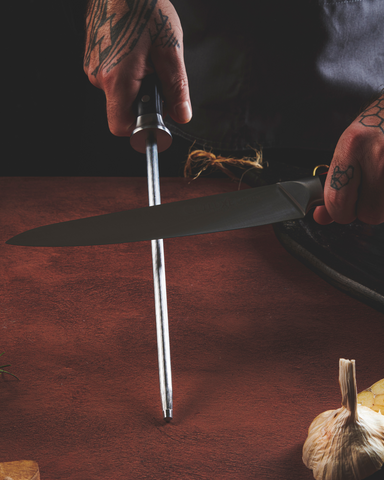
- Honing rod
- Use daily or before each major use.
- Realigns edge and delays sharpening.
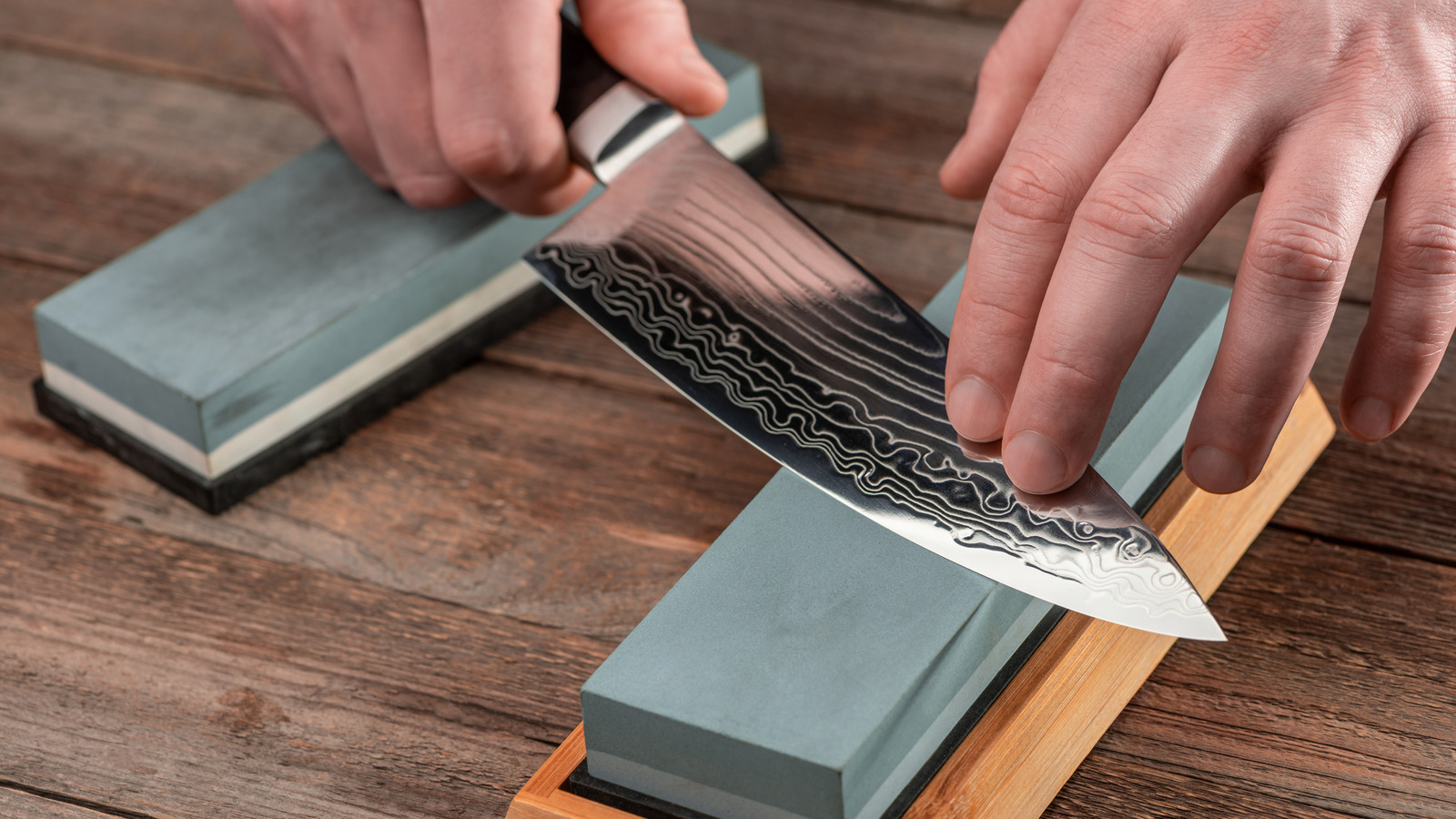
- Whetstones (water or oil stones)
- Best control and edge quality.
- Use when honing no longer restores cutting—often every few months for home cooks.
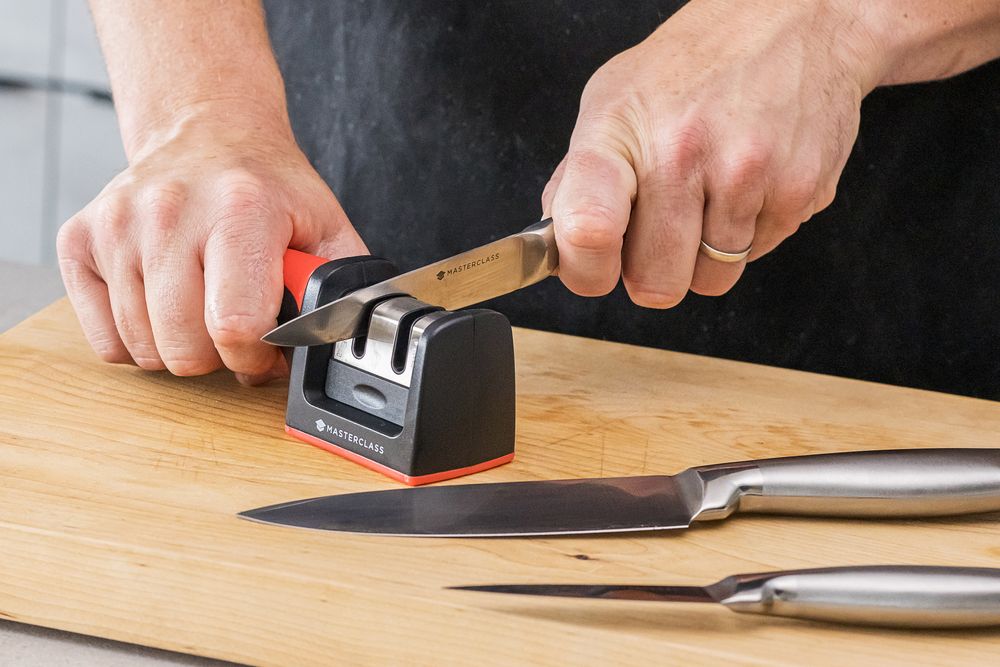
- Pull-through sharpeners
- Fast and easy. Use sparingly to avoid excess metal removal.
- Good for quick touch-ups.
- Electric sharpeners
- Convenient, consistent angles. Use carefully—they remove more metal.
- Professional sharpening service
- Use for high-end knives or complex repairs.
- Typically once or twice a year for many users.
My routine: I hone daily, strop weekly, and use a whetstone monthly for heavy use knives. This kept edges clean and minimized metal loss.
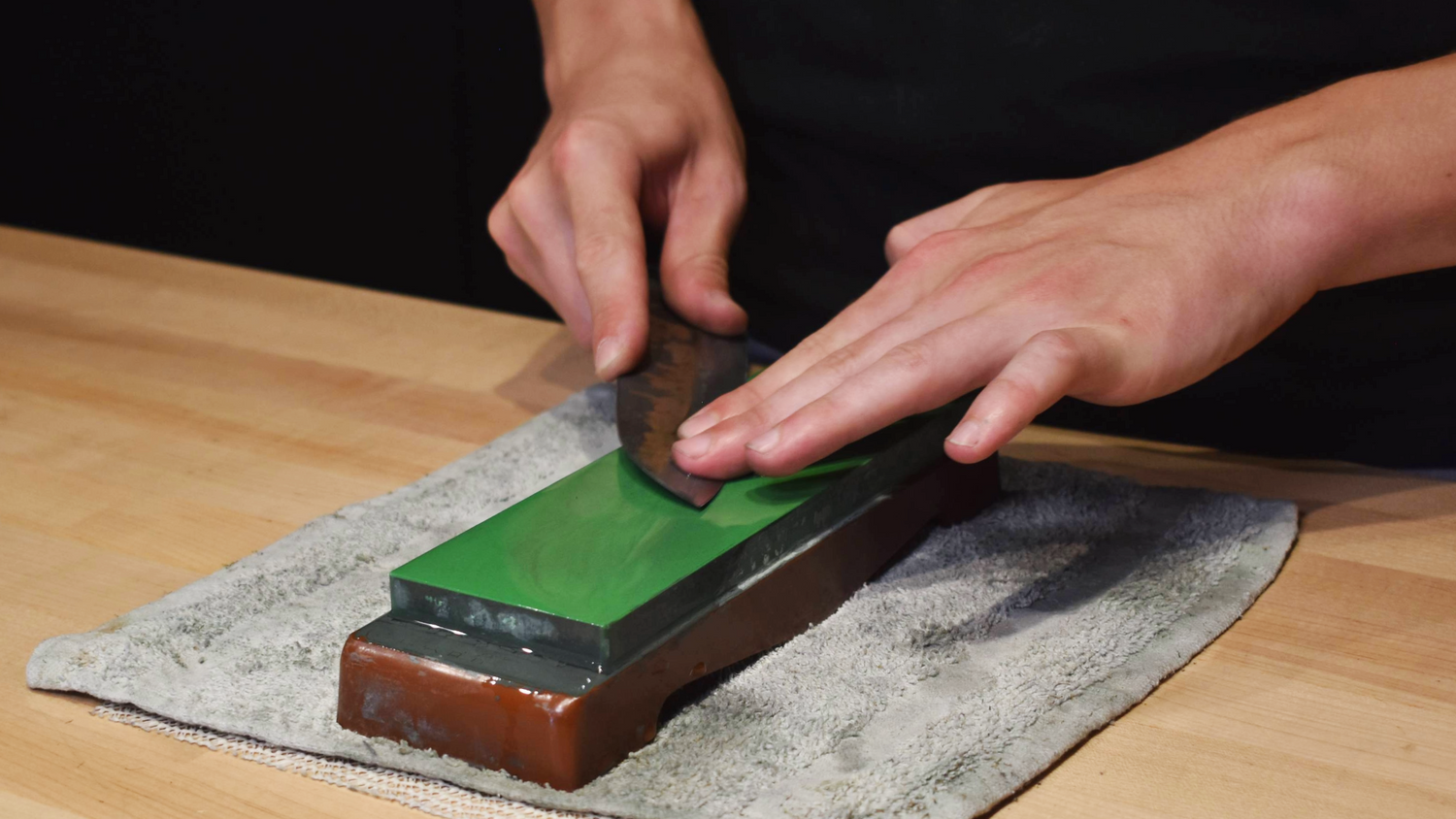
Step-by-step: a simple whetstone routine
This method improves edge life and reduces how often to sharpen knives in the long run.
- Soak or wet the stone if needed. Keep it flat.
- Set a consistent angle (15–20 degrees for most kitchen knives).
- Push the blade across the stone from heel to tip, keeping the angle steady.
- Repeat on the other side until a burr forms.
- Remove the burr with light passes and finish on a finer grit.
- Strop or hone lightly to polish the edge.
Practice makes angles steady. Start with slow passes and count strokes. You will feel and hear the burr when you are doing it right.

Common mistakes and how to avoid them
Avoid habits that increase how often to sharpen knives unnecessarily.
- Using the wrong board
- Avoid stone, glass, or ceramic surfaces.
- Use wood or high-density plastic boards.
- Skipping daily honing
- Small misalignments add up and force more metal removal later.
- Using the dishwasher or harsh cleaners
- Heat and detergents damage steel and handles.
- Excessive sharpening angle
- Too steep an angle weakens the edge and needs more frequent sharpening.
- Relying only on pull-throughs
- They are convenient but wear edge geometry over time.
From mistakes I made early on, honing daily saved me from repeated heavy sharpening. It also kept knives safer.
People also ask (PAA-style questions)
How soon will a knife get dull with heavy use?
A knife used daily for heavy chopping can dull in days to weeks. Regular honing slows this, and sharpening will be needed roughly every 1–4 weeks.
Can I sharpen a knife too often?
Yes. Over-sharpening removes metal and shortens blade life. Hone often and sharpen only when honing doesn’t restore the edge.
Does honing sharpen a knife?
Honing does not sharpen in the sense of removing metal. It realigns the edge to make a blade cut better until you need to sharpen.

Frequently Asked Questions of how often to sharpen knives
How often should I sharpen my chef's knife?
Sharpen a chef’s knife every 1–3 months for home cooks and every 1–4 weeks for professionals. Hone regularly to delay full sharpening.
Will a ceramic knife need sharpening less often?
Yes. Ceramic knives hold an edge longer and may need sharpening every 1–2 years, depending on use. They require special tools for sharpening.
How do I know when honing isn't enough?
If honing does not restore clean slicing and the blade tears or crushes food, it is time to sharpen. Visual dullness and the paper test also help.
Can I sharpen knives at home safely?
Yes. With basic tools like a whetstone and a steady angle, home sharpening is safe. Start slowly and protect your fingers and work surface.
Is professional sharpening necessary?
Not always. Professionals help with expensive steels, chips, or reprofiling. Regular home sharpening suffices for most users.
Conclusion
Keeping knives sharp is about small, steady habits. Hone regularly, match sharpening frequency to use, and choose the right tools. Doing this keeps food prep faster, safer, and more enjoyable.
Take action: start a simple routine today—hone before your next big prep session and schedule your first sharpening based on the plans above. Share your experiences or questions below, and subscribe for more practical knife care tips.

Maliha Akter is a kitchen knife reviewer and food preparation specialist with over 6 years of experience testing Japanese kitchen knives and everyday cooking tools. She focuses on performance, safety, durability, and real-world usability to help home cooks choose the right knives for efficient and enjoyable cooking.
Expertise:Japanese Knives • Vegetable Knives • Product Reviews • Kitchen Efficiency • Knife Care