Sharpen the blade with the right tool, then hone and strop to restore a keen edge.
I have spent years sharpening knives for home cooks and pros. I will show you how to fix dull knife step by step. You will learn tools, methods, safety tips, and tests that work. I write from hands-on experience. Follow this guide and your knives will cut like new.
:max_bytes(150000):strip_icc()/__opt__aboutcom__coeus__resources__content_migration__serious_eats__seriouseats.com__images__20100429-knife-sharpening-diagram-25e95e687bc449d0b896d35f70c912a3.jpg "How To Fix Dull Knife: Quick Sharpening Tips That Work 1")
Why knives go dull and why fixing them matters
Knives lose edge from use and wear. Hard cutting, cutting on glass, and lack of maintenance speed dulling. Even good steel forms tiny bends and chips. Knowing why helps you fix dull knife the right way.
- Edge dulls from metal deformation.
- Abrasive surfaces remove metal slowly.
- Improper storage causes nicks and roll.
- Honing delays sharpening but does not replace it.
Tools you need to fix dull knife
Pick the right tools before you begin. The correct tools make the job fast and safe. I recommend starting with a whetstone and a honing rod.
- Whetstone 1000/3000 grit or combo stone for most kitchen knives.
- Honing rod or ceramic rod for realigning the edge.
- Leather strop and compound for a razor finish.
- Pull-through or electric sharpener for quick fixes.
- Clamp or non-slip mat to secure stones.
- Light, magnifier, and gloves for safety.

Step-by-step: How to fix dull knife with a whetstone
A whetstone gives the best control. This method restores the edge and preserves blade life. The steps are short and clear.
- Soak or wet the stone if required. Most stones need a minute of water.
- Set the angle. Aim for 15 to 20 degrees for kitchen knives. Firmly hold the handle.
- Push the blade away across the stone as if slicing a thin layer. Keep the angle steady.
- Alternate sides. Do 8 to 12 strokes per side, then test.
- Move to a finer grit for polishing. Repeat the same strokes.
- Rinse and dry the knife and stone.
Tips from experience:
- Keep strokes smooth and even. Small, steady pressure beats force.
- Use a marker to color the bevel. That shows if your angle is consistent.
:max_bytes(150000):strip_icc()/__opt__aboutcom__coeus__resources__content_migration__serious_eats__seriouseats.com__images__20100423-honing20-20carousel-0d63025986ee4612bfc4d4545700216d.jpg "How To Fix Dull Knife: Quick Sharpening Tips That Work 4")
Using a honing rod to maintain an edge
A honing rod realigns metal, it does not remove much steel. Use it often to keep knives sharp between sharpenings. This is essential to how to fix dull knife in daily life.
- Hold the rod vertically on a non-slip surface.
- Swipe the blade down the rod at a steady 15 to 20 degree angle.
- Alternate sides for five to ten strokes each.
- Hone before each heavy cooking session.

Electric and pull-through sharpeners: When and how to use them
Electric tools save time and give repeatable results. They can remove more metal than stones. Use them sensibly and avoid over-sharpening.
- Set the sharpener to the correct slot for your knife.
- Pull the blade through with light pressure and steady speed.
- Start coarse, then switch to fine stages if available.
- Finish by honing or stropping to remove burrs.

Stropping and finishing for a razor edge
Stropping polishes the edge and removes the microscopic burr. A strop gives that mirror finish and silky cut. This step is often skipped, but it completes how to fix dull knife.
- Apply compound to a leather strop.
- Pull the blade away from the edge on the strop.
- Do 10 to 20 light pulls per side.
- Test with paper or tomato to confirm.
How to test sharpness safely
Testing shows if you need more work. Use safe methods. Never use your hand or force the test.
- Slice a sheet of paper at a slight angle. A sharp knife slices without snagging.
- Try slicing a ripe tomato. A sharp blade pierces skin cleanly.
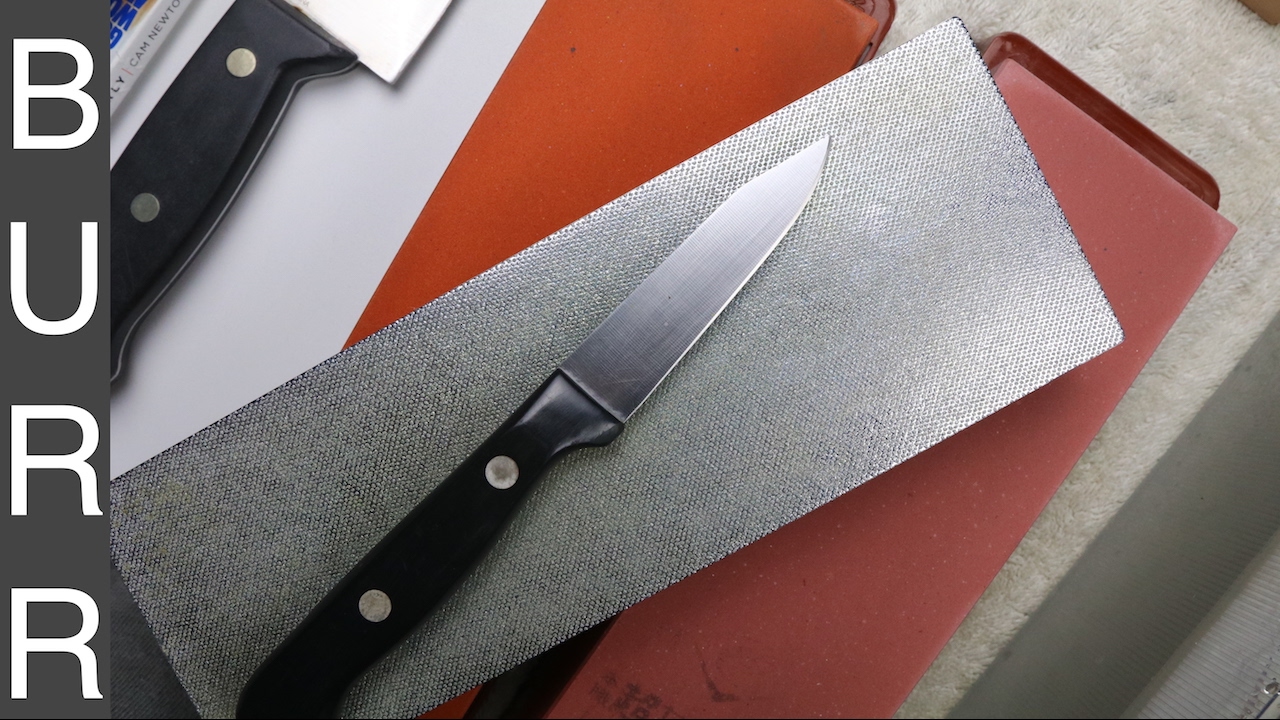
- Lightly feel for a burr with a finger pad, not a full touch.
:max_bytes(150000):strip_icc()/__opt__aboutcom__coeus__resources__content_migration__serious_eats__seriouseats.com__images__2016__05__20160516-knife-crimes-9-2b1ba110db934bed88a7f4a6cd12b11b.jpg "How To Fix Dull Knife: Quick Sharpening Tips That Work 8")
Maintenance and storage to keep knives sharp
Good habits cut down the need to sharpen. This helps you avoid frequent how to fix dull knife sessions.
- Use a wood or plastic cutting board, not glass or stone.
- Hand wash and dry knives. Avoid the dishwasher.
- Hone regularly and sharpen only as needed.
- Store in a block, magnetic strip, or sheath.

Common mistakes to avoid when you fix dull knives
Avoid mistakes that shorten blade life. These tips come from years of working with knives.
- Do not grind at inconsistent angles. That ruins the bevel.
- Avoid excessive pressure. You remove too much metal.
- Don’t skip finishing steps like stropping.
- Do not sharpen serrated knives on a flat stone; use a tapered rod.
Quick answers people also ask
What grit stone should I use first for kitchen knives?
Use 1000 grit to rebuild a dull edge, then 3000–6000 grit to refine it.
Can I sharpen a knife with sandpaper?
Yes. Use wet/dry sandpaper on a flat surface. Start coarse and move to fine grits.
How often should I sharpen versus hone?
Hone every few uses. Sharpen every 6–12 months for home cooks, more for heavy use.
Is it safe to sharpen at home?
Yes, with care. Use clamps, keep fingers clear, and work slowly.
Will sharpening remove blade material?
Yes. Sharpening removes metal. Do it only when needed to preserve blade life.
Frequently Asked Questions of how to fix dull knife
How often should I sharpen my kitchen knives?
Sharpen based on use. Home cooks often need sharpening every 6 to 12 months. Heavy use demands more frequent work.
Can I fix a dull serrated knife at home?
You can, but the method differs. Use a tapered ceramic rod and work each serration gently. Do it slowly to keep the tooth shape.
What angle should I use to fix dull knife?
Most kitchen knives work well at 15 to 20 degrees per side. Thinner blades use lower angles. Heavier knives use higher angles.
Is a pull-through sharpener bad for knives?
Not always. It works well for quick fixes. Repeated heavy use can remove too much metal over time.
How do I know when to strop after sharpening?
Strop when you see or feel a burr. Stropping removes the burr and polishes the edge to a smooth finish.
Conclusion
You can restore a blade with simple tools and a clear plan. Start with the right tools: stone, hone, and strop. Work at a steady angle. Test and maintain the edge with regular honing and proper storage. I have fixed scores of dull knives using these steps. Try one method today and practice a bit. Your kitchen will thank you.
Leave a comment with your knife type or problem. Share this guide and subscribe for more hands-on tips.

Maliha Akter is a kitchen knife reviewer and food preparation specialist with over 6 years of experience testing Japanese kitchen knives and everyday cooking tools. She focuses on performance, safety, durability, and real-world usability to help home cooks choose the right knives for efficient and enjoyable cooking.
Expertise:Japanese Knives • Vegetable Knives • Product Reviews • Kitchen Efficiency • Knife Care