Restore a dull knife by sharpening with the right tools, correct angle, and regular honing.
I have sharpened and restored many kitchen and outdoor blades over the years. This guide on how to restore dull knife covers simple fixes and pro-level methods. Read on to learn safe steps, tool choices, and real tips that get a blade singing again.

Why knives go dull and how to spot it
Knives dull for simple reasons. Hard cutting surfaces, repeated use, and poor storage wear the edge. Hitting bone, ceramic plates, or frozen food chips the metal and folds the edge.
Signs a knife is dull include tearing when slicing, needing extra force, or not shaving paper cleanly. Learning how to restore dull knife starts with spotting these signs early. Keep checks simple and regular to save time and metal.

Tools and materials you need to restore a dull knife
Use the right tools to get the best result. Below are the common tools that work for most blades.
- Whetstones in coarse, medium, and fine grits for full sharpening.
- Honing rod or sharpening steel for quick realignment.
- Ceramic rod for light sharpening and touch-ups.
- Leather strop and polishing compound to remove burrs and refine the edge.
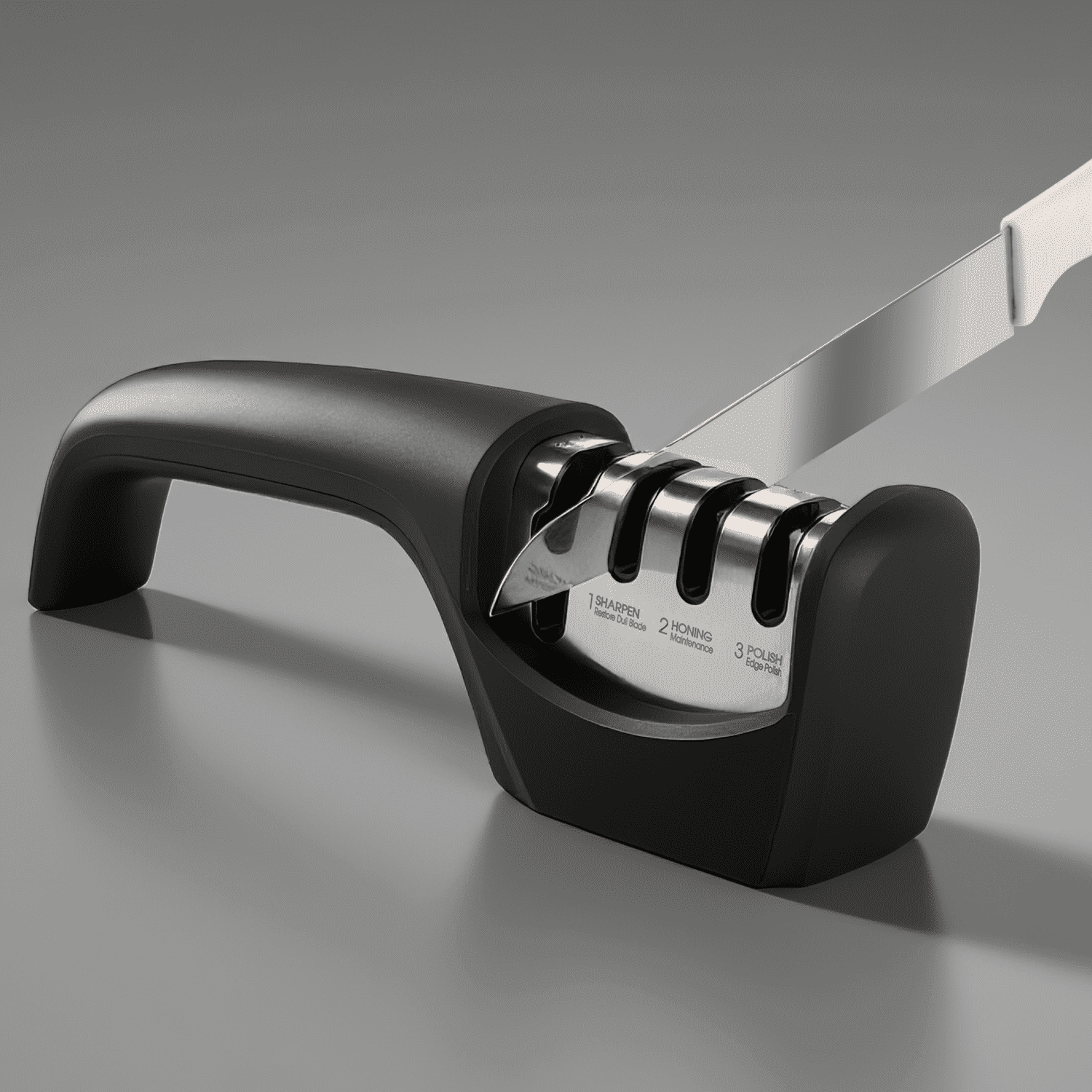
- Electric or manual sharpeners for fast home use.
- Clamp or guide for angle control if you are learning.
Choosing the right tool matters when you want to restore a dull knife. Start simple and upgrade as your skills grow.

Step-by-step: how to restore dull knife with a whetstone
Sharpening on a whetstone is the best balance of control and finish. Follow these steps slowly and safely.
- Soak or prepare the stone as required by the maker. Most water stones need 5–15 minutes.
- Set the angle. Typical kitchen knives use 15–20 degrees per side. Keep the angle steady.
- Start with a coarse grit for very dull edges. Push the blade forward and across the stone in a sweeping motion. Count strokes to stay even.
- Flip and repeat on the other side the same number of strokes. Form a thin burr along the edge.
- Move to a finer grit and repeat to refine the edge and remove the burr.
- Finish by stropping on leather or using a fine stone to polish the edge.
- Clean the blade and test on soft paper or a tomato. Adjust if needed.
Practice makes your strokes steady. If you want repeatable angles, use a guide or clamp until muscle memory builds. These steps show a reliable path to restore a dull knife safely and well.

Quick home methods to restore a dull knife
When you need a fast fix, try these safe options:
- Honing rod: Realigns the edge. Use before or after each use. It does not remove much metal.
- Ceramic rod: Removes small amounts of metal and refines an edge quickly.
- Electric sharpener: Fast and easy. Use with care to avoid over-grinding.
- Pull-through sharpeners: Simple but rough. Good for very dull knives that need a quick cut.
Quick methods help you restore a dull knife between full sharpenings. Use them often and full sharpening less often to preserve metal.

Stropping and finishing for a razor edge
Stropping refines the edge after sharpening. It removes the tiny burr and polishes the blade.
- Use a leather strop or heavy cloth.
- Add a small amount of polishing compound for best results.
- Pull the blade away from the edge across the strop, keeping angle low.
- Repeat 10–30 times per side until the burr disappears.
A good strop makes a big difference when you restore a dull knife. It gives a clean, smooth cut and improves longevity.

Care and maintenance to prevent dulling
Daily habits keep blades sharp and cut down how often you must restore a dull knife.
- Use soft cutting boards such as wood or plastic.
- Hand wash and dry knives right away. Avoid dishwashers.
- Store knives in a block, magnetic strip, or edge guards.
- Hone the blade before or after use to keep the edge aligned.
- Sharpen on stone or send to a pro when heavy sharpening is needed.
These steps keep the blade longer between full sharpenings and save you time and money.

Common mistakes when trying to restore a dull knife
Watch for these errors that can ruin an edge or shorten the blade life.
- Using the wrong angle and removing too much metal.
- Skipping grit progression and leaving rough scratches.
- Sharpening with high heat or a grinding wheel without cooling.
- Overusing pull-through sharpeners that remove metal unevenly.
- Neglecting honing and thinking a single quick fix is enough.
Avoiding these mistakes helps you restore a dull knife cleanly. Slow, steady work beats speed for a consistent edge.
Personal experience: tips from hands-on practice
I sharpened dozens of kitchen knives early in my career. My best lesson was to slow down. A steady angle beats force every time. I started with a cheap sharpener and later moved to stones. The upgrades mattered because I could control the angle and finish.
A practical tip I learned: mark the spine of a knife with a marker and sharpen until the marker is removed evenly on both sides. This trick saves time and keeps balance. When in doubt, pay for a professional sharpening rather than risk a valuable blade.

People also ask
How long does it take to restore a dull kitchen knife?
A quick hone can take 1–2 minutes. Full whetstone sharpening takes 10–30 minutes depending on how dull the knife is.
Can I restore a dull knife at home without a stone?
Yes. You can use a ceramic rod, honing steel, or an electric sharpener for home fixes, though stones give the best edge for very dull blades.
How often should I sharpen to restore a dull knife?
Sharpen on stone when you can no longer realign the edge with honing. For home cooks, that is often every 6–12 months, depending on use.
Frequently Asked Questions of how to restore dull knife
How do I know if I need to sharpen or just hone my knife?
If the blade tears food or struggles to slice, it needs sharpening. If it still cuts but feels blunt, honing will usually help.
Is it safe to sharpen knives at home?
Yes. Use proper tools, stable surfaces, and slow controlled motions. Wear cut-resistant gloves if you feel unsure.
Can electric sharpeners ruin knives?
They can if misused. Overuse removes metal quickly and can change the blade geometry. Use them sparingly and follow instructions.
What angle should I use to restore a dull knife?
Kitchen knives often use 15–20 degrees per side. Japanese knives are usually on the lower side and Western knives a bit higher.
When should I send my knife to a professional?
Send it when the edge is badly chipped, when you lack tools, or if the knife is expensive. Pros can reprofile and fix chips safely.
Does sharpening remove more metal than honing?
Yes. Sharpening removes metal to form a new edge. Honing only realigns the existing edge and removes very little material.
Can I restore a serrated knife at home?
Serrated knives need special tools and technique. You can sharpen small serrations with a tapered rod, but deep damage is best handled by a pro.
Conclusion
Restoring a dull knife is a skill you can learn with the right tools and patience. Start by diagnosing the edge, choose a method that fits your time and skill, and practice steady angles. Small daily habits like honing and proper boards cut down how often you must do heavy sharpening. Try one sharpen routine this week and note the difference, then share your results or questions below.

Maliha Akter is a kitchen knife reviewer and food preparation specialist with over 6 years of experience testing Japanese kitchen knives and everyday cooking tools. She focuses on performance, safety, durability, and real-world usability to help home cooks choose the right knives for efficient and enjoyable cooking.
Expertise:Japanese Knives • Vegetable Knives • Product Reviews • Kitchen Efficiency • Knife Care