Use a whetstone, set the correct angle, and progress from coarse to fine grit.
I have sharpened dozens of Japanese knives in home and pro kitchens. This guide on how to sharpen a japanese knife explains the tools, the exact steps, and the small habits that make a big difference. Read on to learn clear, tested techniques you can use today to keep your blades sharp and safe.

Why Japanese knives need special sharpening
Japanese knives often use harder steel and thinner edges than western knives. This makes them hold an edge longer but also makes them more brittle. Learning how to sharpen a japanese knife means matching angle, grit, and technique to that harder steel.
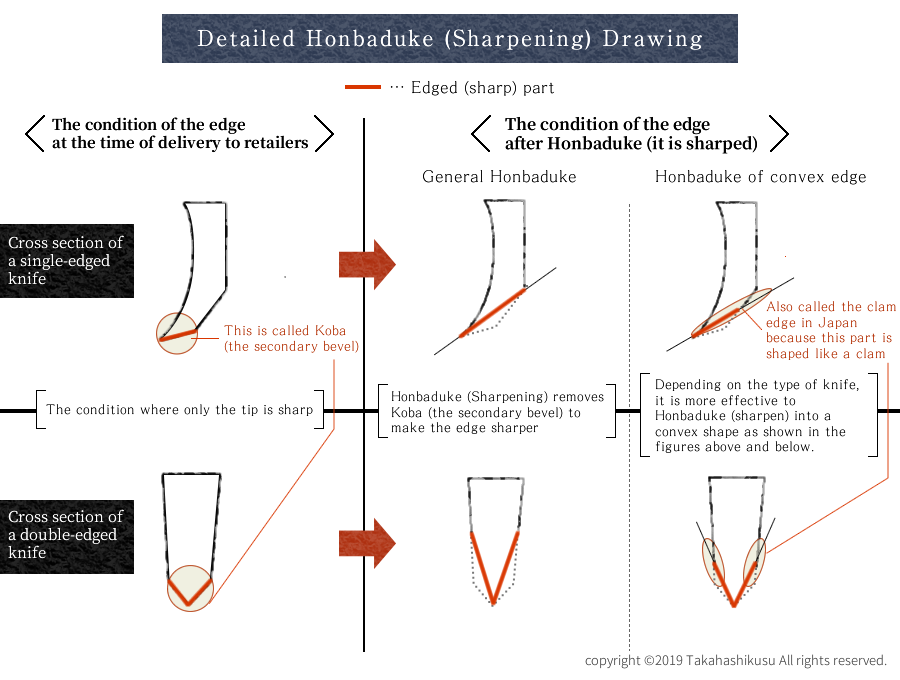
Single-bevel knives need a different approach than double-bevel blades. A single-bevel edge will often use a lower angle on the cutting side and careful polishing on the flat side. If you treat a Japanese blade like a European cleaver, you will remove too much metal.
I sharpened my first yanagiba by hand. I learned to stop when the burr felt even along the length. Small habits like checking the burr and flattening stones make all the difference.
Tools and stones you'll need
Choose tools that fit the knife and your goals. Here are the basics for how to sharpen a japanese knife well.
- Whetstones
- Coarse grit 400–1000 for chips and reshaping.
- Medium grit 3000–5000 for edge setting.
- Fine grit 6000–10000+ for polishing and finishing.
- A stable stone holder or non-slip mat.
- A flat lapping plate or diamond flattening stone to keep stones flat.
- A honing rod or ceramic rod for touch-ups.
- A leather strop and stropping compound for final polish.
- A towel, water, and a ruler or angle guide for practice.
From my experience, water stones give a smoother edge on Japanese steel. Oil stones work too, but they cut slower. A good strop can add real bite to a finished edge.
Step-by-step sharpening guide
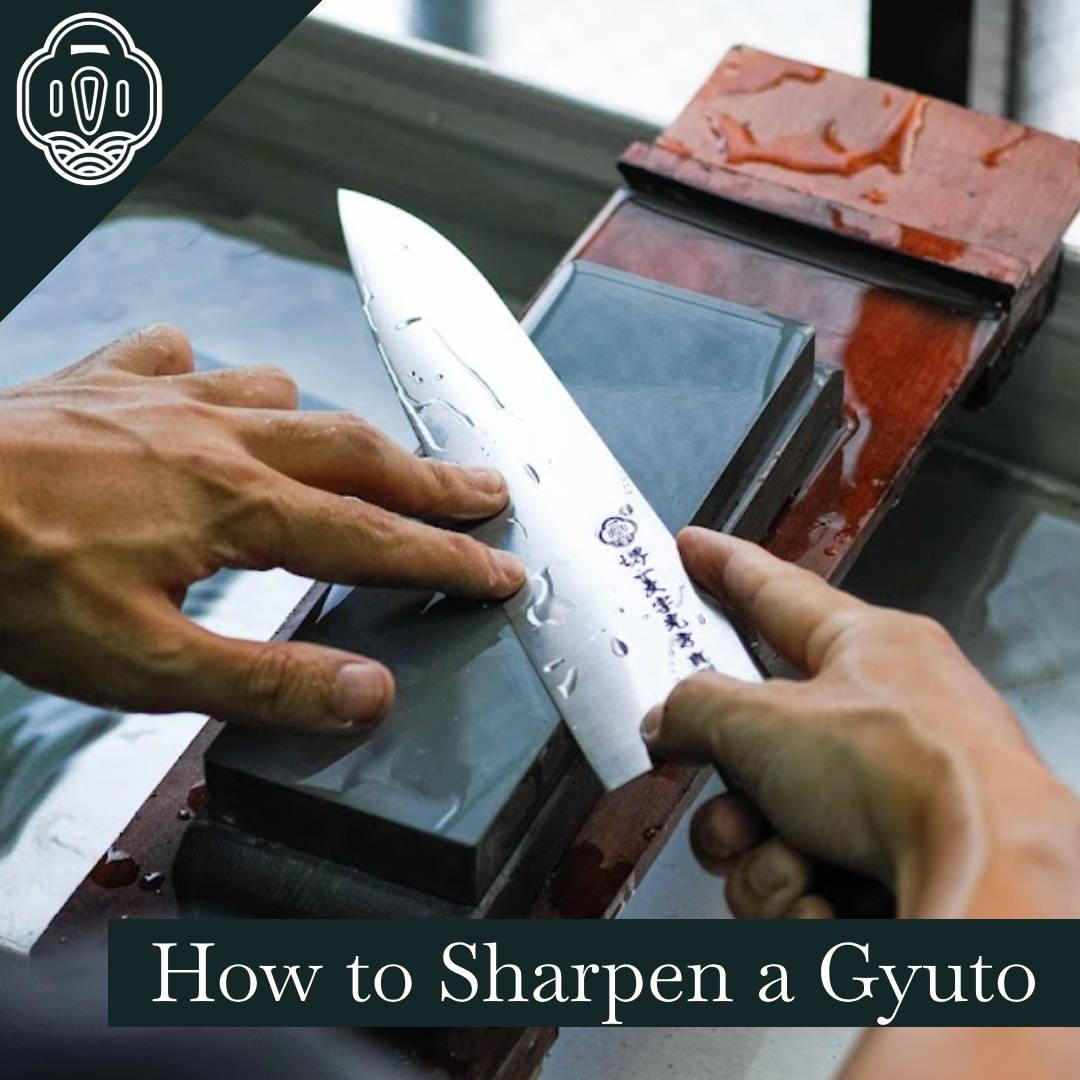
Follow these steps to learn how to sharpen a japanese knife safely and effectively.
- Inspect the blade
- Look for chips, nicks, or bends. Small chips need coarse grit to remove.
- Flatten your stones
- Check flatness with a straight edge. Flatten if you see hollows.
- Soak water stones as needed
- Soak coarse and medium water stones for 5–10 minutes. Keep them wet while sharpening.
- Set the angle
- Double-bevel Japanese knives often use 15°–20° per side.
- Single-bevel knives often use 10°–15° on the edge side and a light polish on the flat.
- Use an angle guide or practice holding the angle by eye.
- Coarse grit passes (if needed)
- Use coarse stone to remove chips or reshape.
- Push the edge forward across the stone or use a figure-8 motion.
- Keep strokes even and count strokes per side, for example 10–20 each.
- Create and feel the burr
- After enough passes you will feel a burr along the opposite side.
- The burr proves metal transfer. Stop when it runs the length of the blade.
- Move to medium grit
- Remove the burr and refine the angle. Use 50% fewer strokes than on coarse.
- Finish on fine grit
- Polish the edge until it feels smooth and keen.
- Use light pressure and more strokes for a mirror finish.
- Remove the burr
- Use a very light pass on the opposite side or a leather strop to lift the burr cleanly.
- Test the edge
- Slice paper or shave a thin tomato skin. The blade should cut cleanly with little force.
Safety notes
- Keep fingers away from the edge. Take slow, steady strokes.
- Secure the stone and keep it wet to avoid slips.
If you are learning how to sharpen a japanese knife, start with an inexpensive blade or a cheap practice steel. This protects your main knives while you learn.

Maintaining and stropping
A sharp edge lasts longer with small daily habits. These steps help keep your edge between full sharpening sessions.
- Hone weekly with a ceramic rod or light stropping.
- Strop after sharpening to remove tiny burrs and polish the heel.
- Clean and dry knives after use. Do not put high-carbon Japanese knives in the dishwasher.
- Store knives in a magnetic strip or saya (wood sheath) to avoid knocks.
I strop my kitchen knives after heavy use. That quick step saves me one full sharpening session every few months.
Common mistakes and troubleshooting
Avoid these common problems when you practice how to sharpen a japanese knife.
- Wrong angle
- Error: using too steep an angle. Result: blunt, short-lived edge.
- Fix: reduce angle and practice with a guide.
- Overgrinding
- Error: removing too much metal too fast.
- Fix: use finer grits and fewer strokes to finish.
- Uneven edge
- Error: more pressure on one side.
- Fix: match stroke counts and feel for the burr.
- Skipping stone flattening
- Error: hollow stones create uneven edges.
- Fix: flatten stones regularly with a lapping plate.
- Rushing
- Error: fast, heavy strokes create a rough edge.
- Fix: slow down and use steady, light pressure.
If a blade chips badly, consider a skilled pro for repair. Removing large chips can remove a lot of metal and change blade geometry.
Frequently Asked Questions of how to sharpen a japanese knife
What angle should I use for how to sharpen a japanese knife?
Most double-bevel Japanese knives work well at 15°–20° per side. Single-bevel blades often need 10°–15° on the edge side and light work on the flat.
How often should I sharpen and how to sharpen a japanese knife between sessions?
Sharpening depends on use. Hone or strop weekly, and do full whetstone sharpening every few months or when the blade fails simple tests like slicing paper.
Can I use an electric sharpener to learn how to sharpen a japanese knife?
Electric sharpeners can damage thin Japanese edges and remove too much metal. They are fine for inexpensive kitchen knives, but hand stones are safer for fine Japanese steel.
How do I test if I did how to sharpen a japanese knife correctly?
Slice a sheet of paper, or gently shave a tomato skin. A properly sharpened Japanese knife cuts cleanly and needs little force.
Will sharpening ruin my Japanese knife if I do it often?
Sharpening removes metal, so excessive work shortens blade life. Proper honing, stropping, and correct angles reduce how often you need full sharpening.
Conclusion
You can learn how to sharpen a japanese knife with a few tools, steady practice, and a patient approach. Start with the right stones, keep your angles steady, and check the burr each step. Small habits like regular stropping and stone flattening save time and metal.
Try these steps on a practice blade this week. Share how it goes, subscribe for more sharpening tips, or leave a comment with your questions.

Maliha Akter is a kitchen knife reviewer and food preparation specialist with over 6 years of experience testing Japanese kitchen knives and everyday cooking tools. She focuses on performance, safety, durability, and real-world usability to help home cooks choose the right knives for efficient and enjoyable cooking.
Expertise:Japanese Knives • Vegetable Knives • Product Reviews • Kitchen Efficiency • Knife Care