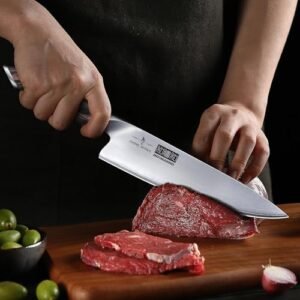
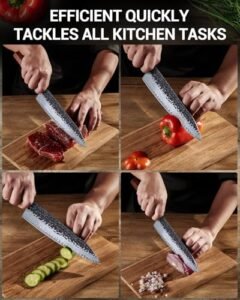
Use a whetstone to sharpen Japanese knives for optimal results.
Sharpening Japanese knives is an art that requires care and precision. Renowned for their sharpness and quality, these knives are a staple in many kitchens. Whether you're a seasoned chef or a home cook, understanding how to properly sharpen Japanese knives is essential for maintaining their performance. In this guide, we'll delve into the techniques and tips to ensure your Japanese knives remain as sharp as the day you bought them.
Understanding Japanese Knives
Japanese knives come in various styles, each with its unique design and purpose. Known for their sharpness and precision, these knives are crafted using high-quality steel. This craftsmanship demands that they be sharpened with the utmost care.
Types of Japanese Knives
- Gyuto: A versatile chef's knife perfect for slicing and dicing.
- Santoku: Great for chopping vegetables and fish.
- Nakiri: Ideal for cutting vegetables.
- Sashimi: Specifically designed for slicing fish.
Why Use a Whetstone?
A whetstone is the preferred tool for sharpening Japanese knives. Unlike electric sharpeners, a whetstone offers control and precision. It removes less metal, maintaining the knife's integrity.
Steps to Sharpen with a Whetstone
- Preparation: Soak the whetstone in water for at least 10 minutes.
- Position the Knife: Hold the knife at a 15-degree angle.
- Sharpen One Side: Slide the knife along the stone from tip to heel.
- Alternate Sides: Repeat on the other side to ensure an even edge.
- Honing: Use a honing rod to refine the sharpened blade.
Tips for Sharpening
- Use consistent pressure when sliding the knife.
- Regularly check the knife's edge for symmetry.
- Clean the knife after sharpening to remove metal particles.
Personal Insights and Tips
In my experience, patience is key when sharpening Japanese knives. It may take a few tries to perfect your technique, but persistence pays off. Avoid rushing and allow the stone to do the work. A smooth, consistent motion is more effective than speed.
Frequently Asked Questions of How to Sharpen Japanese Knives
Can I use an electric sharpener on Japanese knives?
It's not recommended, as electric sharpeners can remove too much metal and alter the blade's shape.
How often should I sharpen my Japanese knives?
Depending on usage, every 3-6 months is generally sufficient.
What grit should I use on a whetstone?
Start with a coarse grit (around 1000) and finish with a finer grit (3000-8000) for polishing.
Is it okay to use oil on a whetstone?
Only use water, as oil can damage Japanese knives.
Can I sharpen both Western and Japanese knives with the same technique?
Japanese knives require a specific angle and precision, so adapt your technique accordingly.
Conclusion
Sharpening Japanese knives with a whetstone ensures they remain sharp and functional. This traditional method preserves the knife's edge while enhancing its performance. Embrace the art of sharpening and let your knives serve you splendidly in the kitchen. Ready to elevate your culinary experience? Practice these techniques and share your journey in the comments below! [Explore More Resources] or [Subscribe for Updates].

Maliha Akter is a kitchen knife reviewer and food preparation specialist with over 6 years of experience testing Japanese kitchen knives and everyday cooking tools. She focuses on performance, safety, durability, and real-world usability to help home cooks choose the right knives for efficient and enjoyable cooking.
Expertise:Japanese Knives • Vegetable Knives • Product Reviews • Kitchen Efficiency • Knife Care