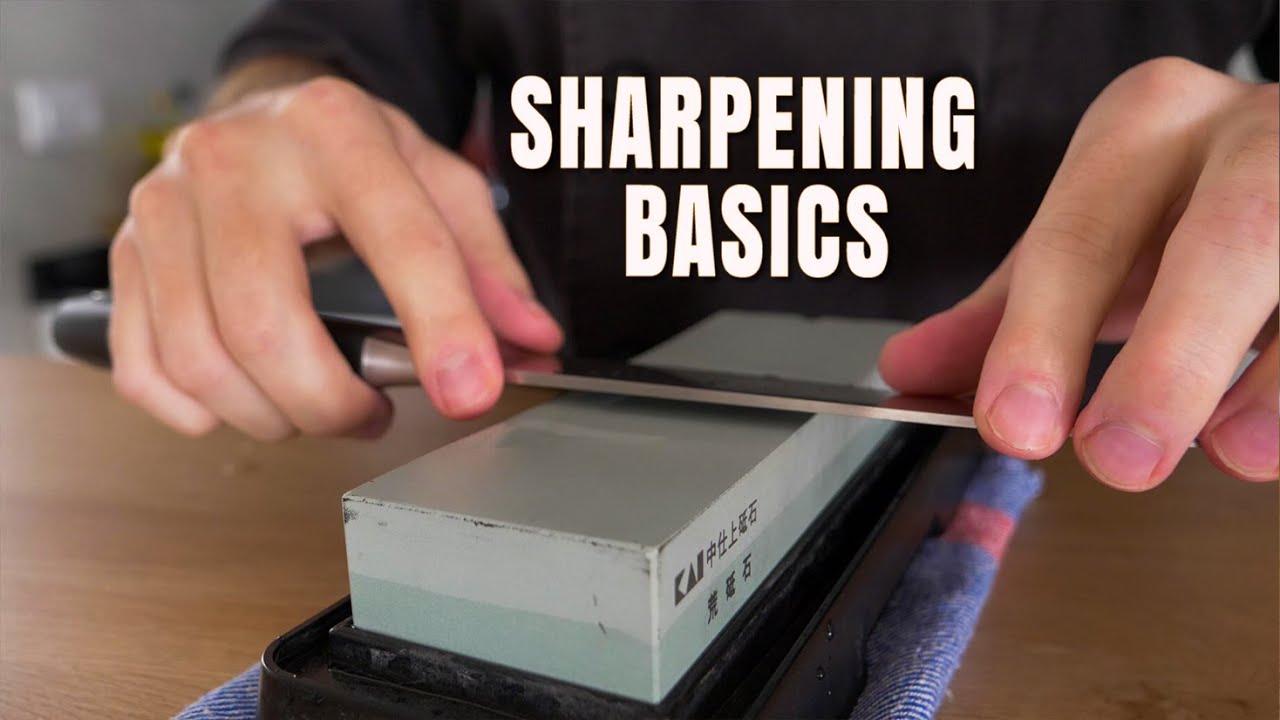
Hold the blade at the correct angle and glide it across the stone with even, controlled strokes.
I’ve sharpened hundreds of knives and tools using whetstones, so this guide shows exactly how to use a whetstone from setup to finish. You’ll learn grit choices, angle control, stroke technique, burr detection, and real-life tips drawn from hands-on experience so you can get razor-sharp edges safely and reliably.
Why use a whetstone
A whetstone gives precise control and a superior edge compared with pull-through sharpeners or electric systems. Learning how to use a whetstone lets you tune angle, finish, and cutting performance for kitchen knives, pocket knives, chisels, and outdoor tools.
Benefits include:
- Custom angle control for each blade type.
- Smoother, longer-lasting edge compared with many quick fixes.
- Ability to repair nicks and reprofile edges.
Limitations:
- Takes practice and time to learn.
- Requires maintenance of the stone itself.
- Not ideal for very hard industrial steels without proper grit progression.

Source: co.uk

Types of whetstones and grit
Different stones suit different tasks; picking the right stone is a core part of how to use a whetstone well.
Common types:
- Water stones: Fast-cutting and common for kitchen use. Some need soaking, others are "splash and go."
- Oil stones: Slower cutting, use oil, and are durable for workshop tools.
- Diamond stones: Extremely fast, great for hard steels, and require no soak.
- 200–400 grit for major repairs and reshaping.
- 600–1000 grit for general sharpening.
- 2000–4000 grit for refining kitchen knives.
- 6000–8000+ grit for polishing and razor edges.
Choose grit based on metal condition and desired finish. If you’re learning how to use a whetstone, start with a 1000 grit for practice and keep a 4000–6000 for finishing.
Preparing your whetstone and blade
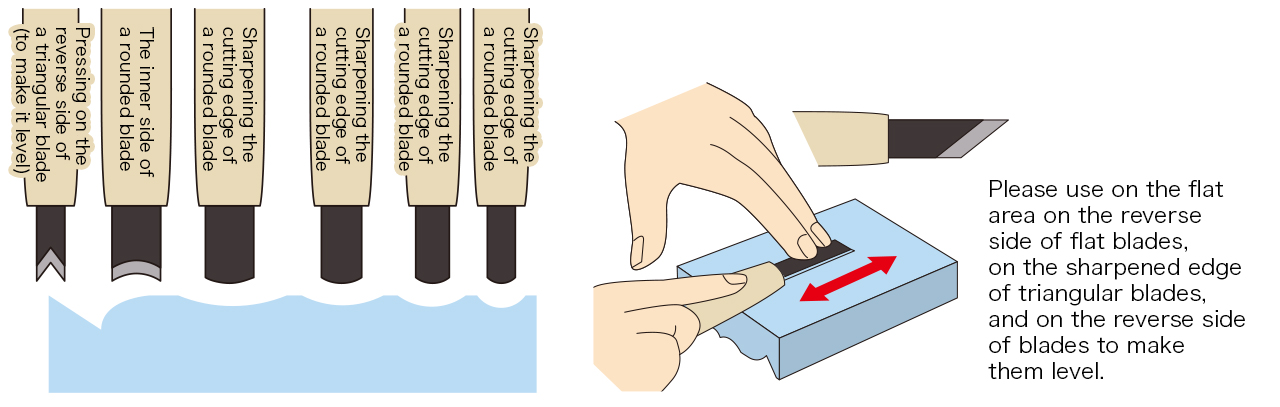
Preparation sets you up for success when learning how to use a whetstone.
Steps:
- Clean the stone surface and check for flatness.
- If using a soak stone, submerge for the recommended time until no air bubbles appear.
- If the stone is splash-and-go, wet the surface just before sharpening.
- Secure the stone on a non-slip base or towel so it won’t move.
Prepare the blade:
- Clean the blade of debris or oils.
- Inspect nicks and decide if you need a coarse grit first.
- Identify the bevel and decide on your sharpening angle.
Personal tip: I mark the edge with a permanent marker on the bevel. It helps me see if I’m hitting the full bevel while learning how to use a whetstone.
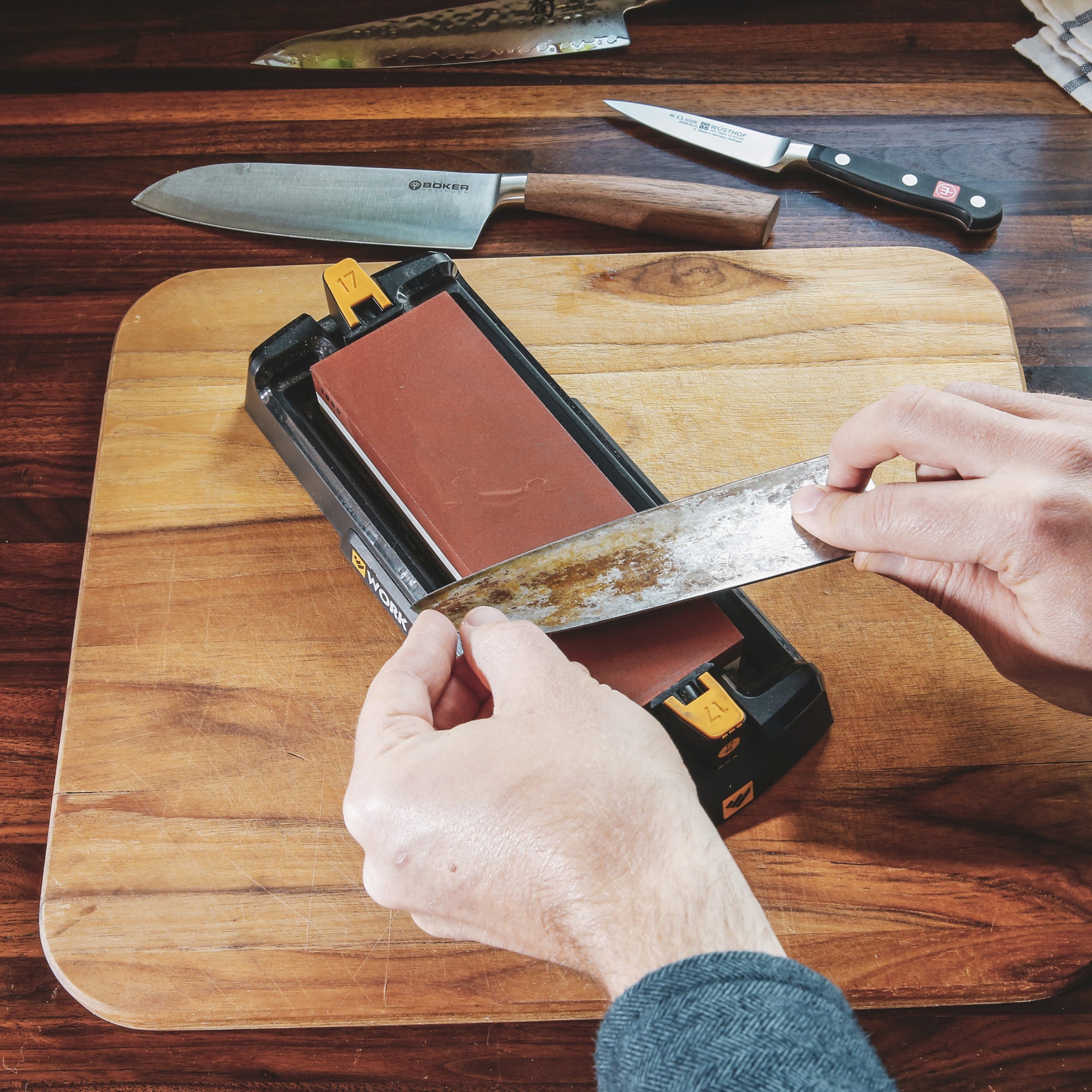
Step-by-step: How to use a whetstone to sharpen a knife
Follow these steps to sharpen reliably and safely.
- Set the angle
- Many kitchen knives need about 15–20 degrees per side. Pocket knives may use 20–25 degrees.
- Use an angle guide if you’re a beginner.
- Start with the coarse grit (if needed)
- Place the blade edge against the stone at the chosen angle.
- Push the blade away from you or sweep across the stone so the edge leads. Maintain the angle.
- Use consistent strokes
- Apply light to moderate pressure on the push stroke and reduce pressure on the return.
- Stroke about 10–20 times per side, then check for a burr.
- Feel and remove the burr
- The burr is a thin wire of metal that forms on the opposite side. Run a fingertip gently (perpendicular, not along the edge) to feel it.
- Once a burr forms along the full length, switch sides and repeat.
- Progress to finer grits
- Move to a 2000–4000 grit to refine the edge.
- Use fewer strokes per grit and lighter pressure.
- Polish and stropping
- Finish on an 8000 grit or use a leather strop with polishing compound.
- Stropping removes the burr and aligns the edge.
- Clean and dry
- Rinse and dry the blade carefully. Clean the stone and let it air dry.
PAA-style questions:
- How long should I soak a water stone? Soak times vary; many require 5–15 minutes. If bubbles stop rising, the stone is ready.
- What angle is best for a kitchen knife? Aim for 15–20 degrees per side for a good balance of sharpness and durability.
- How do I know when to switch grits? When you can feel a continuous burr along the entire length after using the current grit.
Practical practice note: Learning how to use a whetstone takes repetition. Start on inexpensive knives and work up to your prized blades.
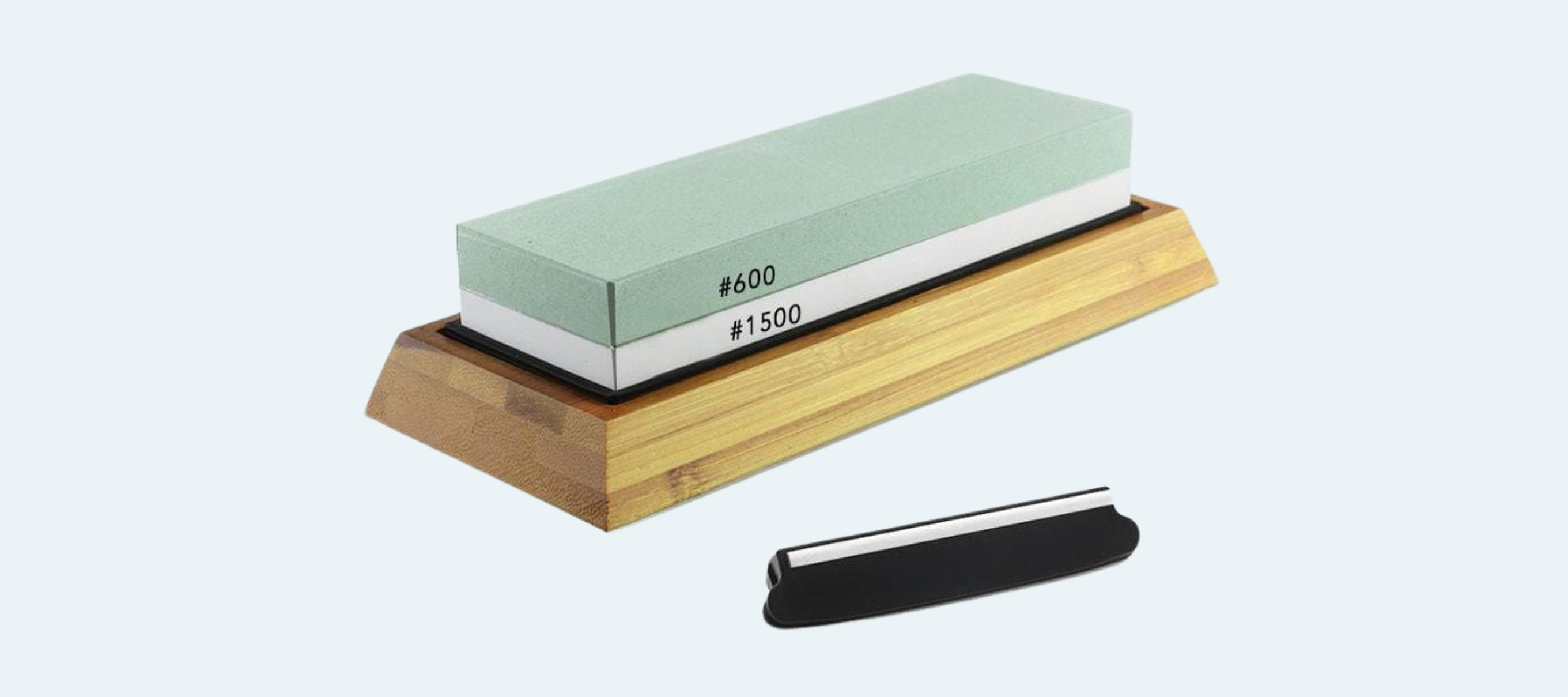
Finishing, polishing, and testing the edge
The finishing stage turns a sharp edge into a dependable one.
Polish and refine:
- Use very fine stones or a leather strop to remove the last burr and mirror the edge.
- Light, even passes are best; don’t overheat the edge from friction.
Edge testing:
- Paper test: Slice a piece of printer paper. A sharp edge will cut cleanly with little force.
- Thumb nail test: Gently drag the blade across the thumbnail at a perpendicular angle to gauge bite—do not slide along the nail.
- Food tests: Try slicing a tomato or onion to check real-world performance.
Safety reminder: Always test carefully and maintain control of the blade when testing.

Maintenance and long-term care
Caring for your stones and routine sharpening practice are part of mastering how to use a whetstone.
Stone care:
- Flatten stones periodically with a flattening plate or coarse diamond lapping plate.
- Rinse and dry stones after use, storing water stones in a cool, dry place.
- Do not store stones standing on their edge.
Blade care:
- Wipe knives clean after sharpening, dry fully to avoid corrosion.
- Store blades properly and avoid using them on very hard surfaces.
Practice schedule:
- Light touch-ups every few uses keep blades sharp and reduce time on the stone.
- Perform full re-sharpening when you notice poor cut performance or visible nicks.

Source: youtube.com
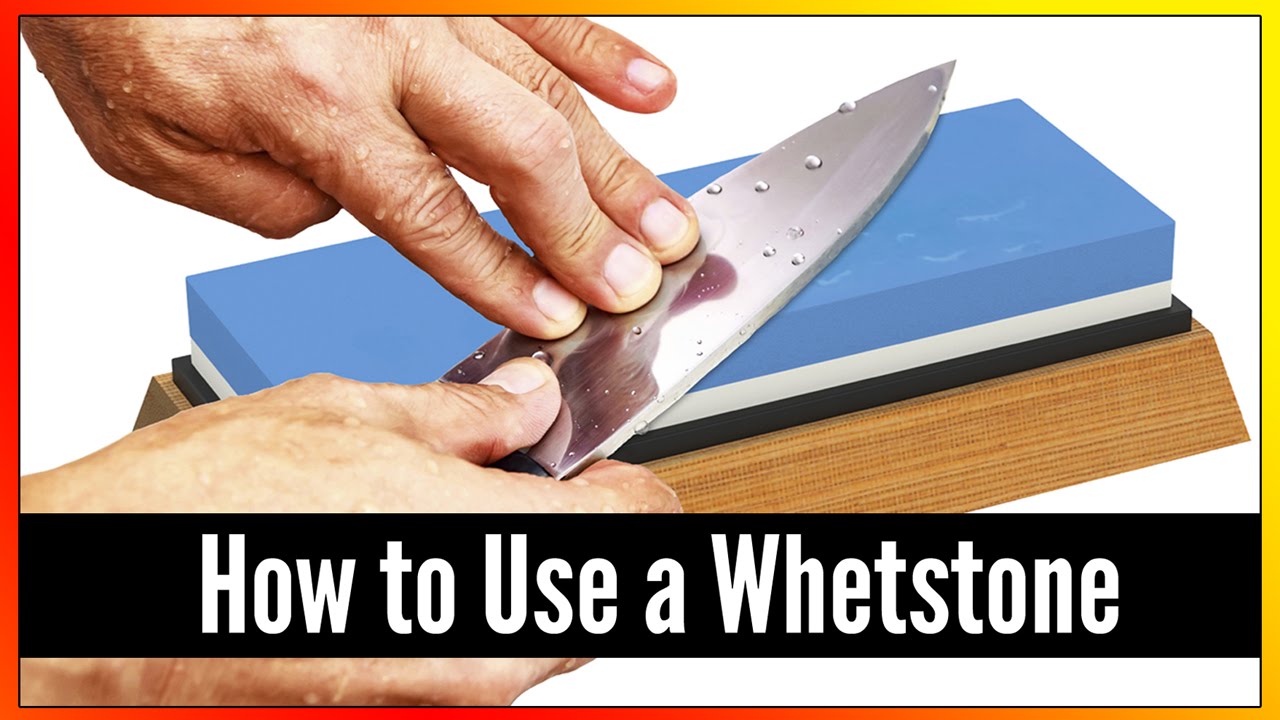
Common mistakes and troubleshooting
Avoid these common errors when learning how to use a whetstone.
Common mistakes:
- Holding the wrong angle: This removes metal inefficiently and can change the blade profile.
- Excessive pressure: Causes uneven sharpening and shortens stone life.
- Not creating a burr: If no burr forms, you likely missed the bevel—redo with attention to angle and strokes.
- Skipping stone progression: Jumping from coarse to super-fine without intermediate refinement leaves a weak edge.
Troubleshooting tips:
- If the edge is uneven, use a slower, consistent stroke and check angle with a marker.
- If your stone dishes (forms a hollow), flatten it before next use.
- If the blade still feels dull after polishing, check for a remaining burr or rolled edge and remove it by stropping.
Personal lesson: I once ruined a favorite knife by using too coarse a grit for too long. Start conservatively and feel for the burr to avoid over-grinding.
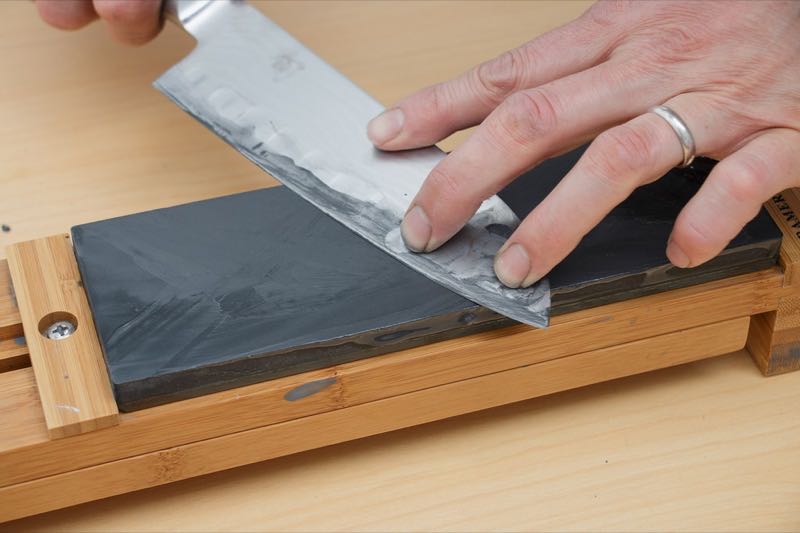
Frequently Asked Questions of how to use a whetstone
What is the best angle to sharpen a kitchen knife on a whetstone?
Aim for about 15–20 degrees per side for most kitchen knives. Use an angle guide if you’re unsure.
Do I need to soak my whetstone before use?
Some water stones require soaking while others are splash-and-go; follow the manufacturer’s recommendation. If bubbles stop rising, the stone is ready.
How often should I sharpen my knives with a whetstone?
Light touch-ups can be done every few uses; a full sharpening may be needed every few months depending on use. Regular honing and stropping extend time between full sessions.
Can I use the same whetstone for different knives?
Yes, but clean the stone between uses and choose grit progression suitable for each blade. Keep a separate coarse and fine stone if you sharpen often.
How do I know when the blade is sharp enough?
Perform a paper slice test, try slicing a tomato, or feel for burr removal and even cutting performance. Practical tests show real readiness.
Is it safe to sharpen very hard steels on a regular whetstone?
Very hard steels may be slow to cut on traditional stones and might need diamond stones or specialist abrasives. Adjust grit and use patience to avoid damage.
How do I remove a burr safely after sharpening?
Strop the blade on leather or make light alternating passes on the fine stone with minimal pressure until no burr is felt. Finish with a polishing pass.
Conclusion
Mastering how to use a whetstone gives you control, better edges, and the confidence to maintain your knives and tools. Start with the right stone, keep angles consistent, feel for the burr, and progress grits methodically. Practice on inexpensive blades first, and make stone care part of your routine. Put these steps into action this week: pick a small, dull knife and follow the step-by-step guide to feel the difference. Leave a comment with your results or questions, and consider subscribing to get more sharpening tips and hands-on guides.

Maliha Akter is a kitchen knife reviewer and food preparation specialist with over 6 years of experience testing Japanese kitchen knives and everyday cooking tools. She focuses on performance, safety, durability, and real-world usability to help home cooks choose the right knives for efficient and enjoyable cooking.
Expertise:Japanese Knives • Vegetable Knives • Product Reviews • Kitchen Efficiency • Knife Care