Edge retention comes from steel, heat treat, angle choice, and smart care.
If you love sharp knives, this japanese knife edge retention guide is for you. I work with these blades daily. I test, sharpen, and cook. You will learn what lasts, what fails, and what to change today. We will cover steel, heat, angles, stones, and real use. Stay with me. This japanese knife edge retention guide gives you clear steps you can trust.
What edge retention really means (and how to measure it)
Edge retention is how long a knife stays sharp under use. It depends on steel, hardness, grind, and skill. It also depends on what and how you cut.
In the shop, we look at hardness (HRC) and carbide content. Hard knives can keep a crisp apex longer. More hard carbides help resist wear. But there is a trade. Hard can chip if you push too far.
Common ways to measure:
- HRC tests check hardness. Most Japanese gyutos sit near 60 to 66 HRC.
- CATRA style tests use paper and silica. They show wear rates.
- Kitchen tests work too. I do onion, tomato, and rope cut counts.
This japanese knife edge retention guide keeps tests simple and clear. You can do them at home and track results.

Source: amazon.com
Steel types and how they affect edge retention
Not all steels behave the same. Carbide type and size matter. Vanadium, tungsten, and molybdenum carbides wear slowly. Chromium adds stain resistance but changes carbide mix.
Common Japanese knife steels:
- White steel (Shirogami). Pure and fine. Takes a scary edge. It is easy to sharpen. It loses bite faster on hard boards.
- Blue steel (Aogami, Aogami Super). More alloy and carbides. Better wear. It can chip if too thin or too hard.
- Ginsan (Silver 3). Clean stainless feel. Good balance. Nice edge life for home use.
- VG‑10. Popular stainless. Good corrosion resistance. Stable edge with a micro‑bevel.
- Powder steels (SG2/R2, SRS‑15, ZDP‑189). Very high wear. Long edge life. Sharpening takes longer and needs good stones.
From my bench, SG2 keeps a working edge for long shifts. White steel wins for pure feel and speed of touch ups. This japanese knife edge retention guide helps you match steel to your habits.

Source: sharpedgeshop.com
Heat treatment, hardness, and real‑world trade‑offs
Heat treat often matters more than steel name. Two knives with the same steel can feel very different. Quench, temper, and even cryo steps change toughness and wear.
General rules:
- Higher HRC keeps an edge longer. It also chips easier if the grind is thin.
- A tough heat treat forgives twist and hard hits. It may roll rather than chip.
Pro tip from my line days. On busy nights, I favor a tough 62 HRC over a brittle 65. I lose a bit of life but avoid chips. This japanese knife edge retention guide leans on that hard won balance.

Source: amazon.com
Edge geometry: angles, micro‑bevels, and finishes
Edge shape sets the stage. A thin edge cuts like a laser. It also takes more care.
Angle guidelines:
- 10 to 12 degrees per side for laser gyutos on end grain wood.
- 12 to 15 degrees per side for most users.
- 15 to 20 degrees per side for hard use or tough boards.
Use a micro‑bevel:
- Set your main bevel at your target angle.
- Add a 1 to 2 degree higher pass for a few light strokes.
- This tiny bevel boosts strength and edge retention.
Finish matters too:
- 800 to 1,000 grit gives tooth. Great for tomato skins.
- 2,000 to 3,000 grit is a sweet spot for long shifts.
- 6,000 to 8,000 grit feels like silk. It can slip on wet skins, so add a final light strop on 1 to 3 micron paste for bite.
This japanese knife edge retention guide will help you pick an angle and finish that lasts in your kitchen.

Source: japanesechefsknife.com
Sharpening routine for long‑lasting edges
A simple plan beats a rare marathon session. Here is the routine I use with chefs.
Weekly quick care:
- Wipe the blade after prep. Dry well.
- Strop on leather or balsa. Ten light passes per side.
Monthly touch up:
- Use a 2,000 to 3,000 stone. Raise a small burr. Remove it fully.
- Add a light micro‑bevel. Strop on 1 micron compound.
Quarterly full sharpen:
- Set geometry on 1,000 grit. Keep a steady angle.
- Deburr with edge leading strokes. Use felt or cork for cleanup.
- Refine on 3,000 to 6,000. Strop clean leather to finish.
Deburring tips:
- Do not leave a wire edge. It feels sharp but dies fast.
- Use very light pressure at the end. Less is more.
This japanese knife edge retention guide favors short, regular care. It saves time and keeps edges true.

Source: amazon.com
Daily use and care habits that make or break edge retention
Small habits pay off big.
Boards:
- Use end grain wood. It is gentle on edges.
- Avoid glass, stone, and bamboo. They eat edges fast.
Technique:
- Use push and pull cuts. Lift the tip slightly on return.
- Do not twist in hard foods. Do not scrape with the edge.
Food and sink care:
- Wipe dry after acid foods. Patina is fine. Red rust is not.
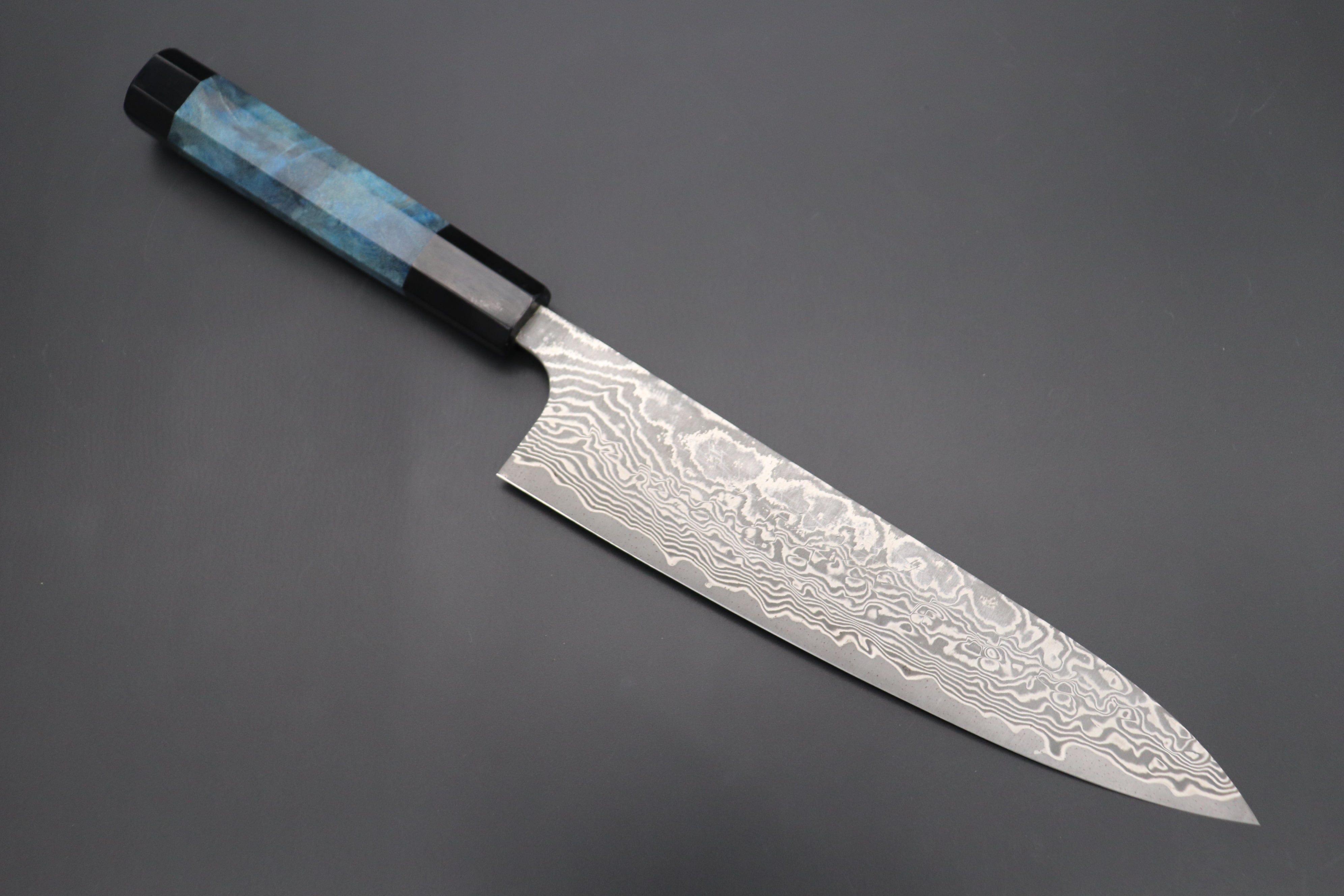
- Hand wash only. Dry at once. Store in a saya or on a safe rack.
This japanese knife edge retention guide stresses boards and touch. These two factors drive most edge life gains.
Source: japanesechefsknife.com
Field tests: how I evaluate edge retention at home
I keep tests easy and fair. I time them and take notes.
My go‑to set:
- Paper test. Light push cut on printer paper. Note any snags.
- Tomato test. Push cut cherry tomatoes. Count clean slices.
- Onion test. Dice a large onion. Watch for wedging.
- Rope or cardboard test. Ten cuts for stress. Then check the apex on paper.
I track cut counts before and after a quick strop. SG2 often keeps bite after rope. White steel needs a fast touch up but returns to form in minutes. Use this japanese knife edge retention guide system to compare your knives over time.

Source: sharpedgeshop.com
Troubleshooting: why your edge dies early
If your edge fades fast, find the root cause.
Common issues:
- Wire edge. It was never fully deburred. Fix with light edge leading passes.
- Micro‑chips. Angle too low or board too hard. Add a micro‑bevel.
- Over‑polish. Edge is too smooth. Finish near 2,000 to 3,000 for bite.
- Grit contamination. Dirty stones scratch and weaken the apex. Clean and lap stones.
- Technique strain. Twisting in dense roots. Use straight, clean strokes.
When I see a knife fail in a day, it is often a burr or board issue. This japanese knife edge retention guide helps you solve the cause, not the symptom.

Source: japanesechefsknife.com
Buying guide: match steel and grind to your kitchen
Pick a knife that fits your tasks and your care level.
If you sharpen often:
- White steel or Blue steel. Joy to sharpen. Bright, keen edge. Needs care with moisture.
If you want long life and less care:
- SG2 or SRS‑15. Strong wear resistance. Great for long shifts.
- Ginsan or VG‑10. Balanced and stainless. Good for mixed tasks.
Match grind and length:
- 210 mm gyuto for small boards. 240 mm for pro prep.
- Laser grind for soft produce. Midweight for mixed work.
- Add a saya and a soft board to protect the apex.
This japanese knife edge retention guide ties gear to real needs. Buy once, choose well, and set your angle right.
Frequently Asked Questions of japanese knife edge retention guide
What is edge retention in simple terms?
It is how long a knife stays sharp while you use it. Steel, heat treat, angle, and care set the limit.
Does higher HRC always mean better edge retention?
Usually yes, but not always. Very high HRC can chip if the grind is thin or the board is hard.
What angle is best for Japanese knives?
Try 12 to 15 degrees per side for most tasks. Go lower for soft boards and careful hands, higher for hard use.
How often should I sharpen?
Do light stropping weekly and a touch up monthly. Do a full sharpen every few months or when you feel drag.
Are ceramic rods safe for Japanese knives?
Use fine ceramic with a very light touch. Steel hones can be too rough and can fold the apex.
Conclusion
Edge life is not luck. It is a set of smart choices. Pick the right steel. Choose the right angle. Use a good board. Sharpen with care, and deburr well.
Use this japanese knife edge retention guide to set a routine that fits your kitchen. Test, track, and tweak one variable at a time. Your knife will cut cleaner and last longer.
Ready to put this into play? Try the weekly strop and micro‑bevel today, then share your results or questions in the comments.

Maliha Akter is a kitchen knife reviewer and food preparation specialist with over 6 years of experience testing Japanese kitchen knives and everyday cooking tools. She focuses on performance, safety, durability, and real-world usability to help home cooks choose the right knives for efficient and enjoyable cooking.
Expertise:Japanese Knives • Vegetable Knives • Product Reviews • Kitchen Efficiency • Knife Care