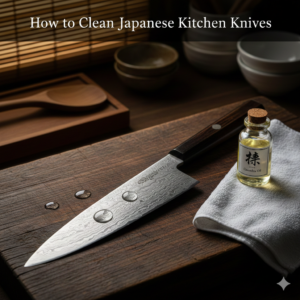
Japanese knife maintenance tools keep blades sharp, safe, and rust-free with simple care.
I’ve spent years sharpening, restoring, and teaching care for Japanese knives. In this guide, I’ll break down japanese knife maintenance tools with clear steps, pro tips, and honest advice. If you cook at home or run a busy line, this will help you keep edges crisp and steel protected without guesswork.
What Counts As Japanese Knife Maintenance Tools?
Japanese knife maintenance tools are simple, exact, and built for results. They help you sharpen, hone, clean, oil, and store your knives the right way. The goal is sharp cuts, smooth food release, and long life.
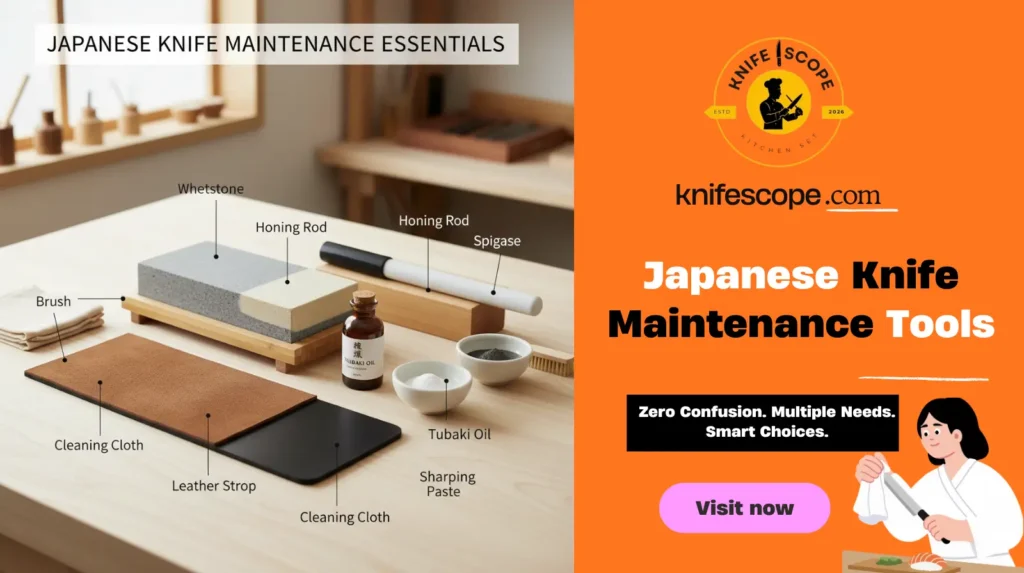
Here is the core kit most cooks need:
- Whetstones for sharpening and polishing edges. They form the edge and refine it.
- A flattening plate to keep stones flat and true. Flat stones give even edges.
- A stone holder or pond for grip and water control. It keeps your setup safe.
- A ceramic honing rod for quick touch-ups. It realigns the edge.
- A leather or balsa strop with fine compound. It boosts sharpness and removes burrs.
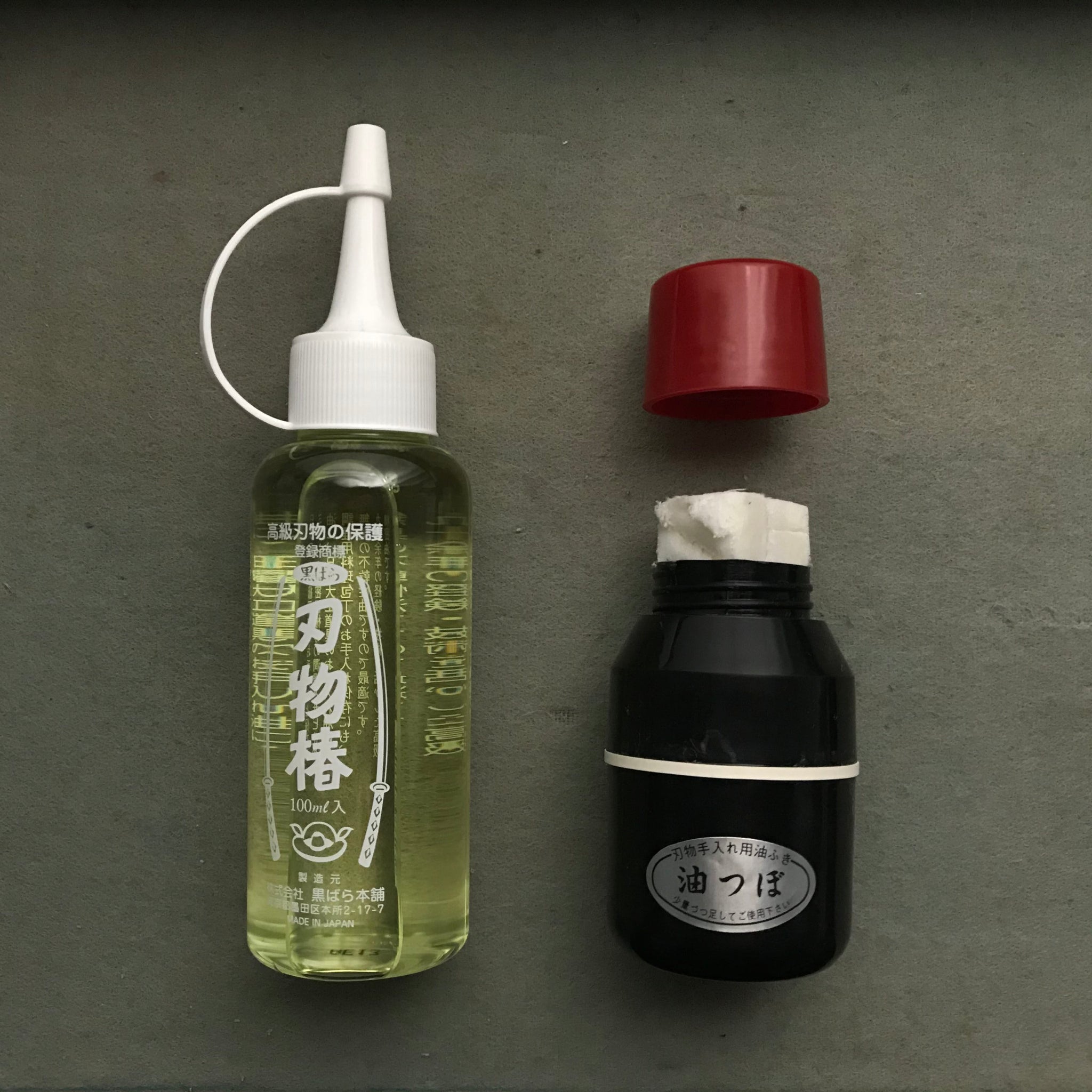
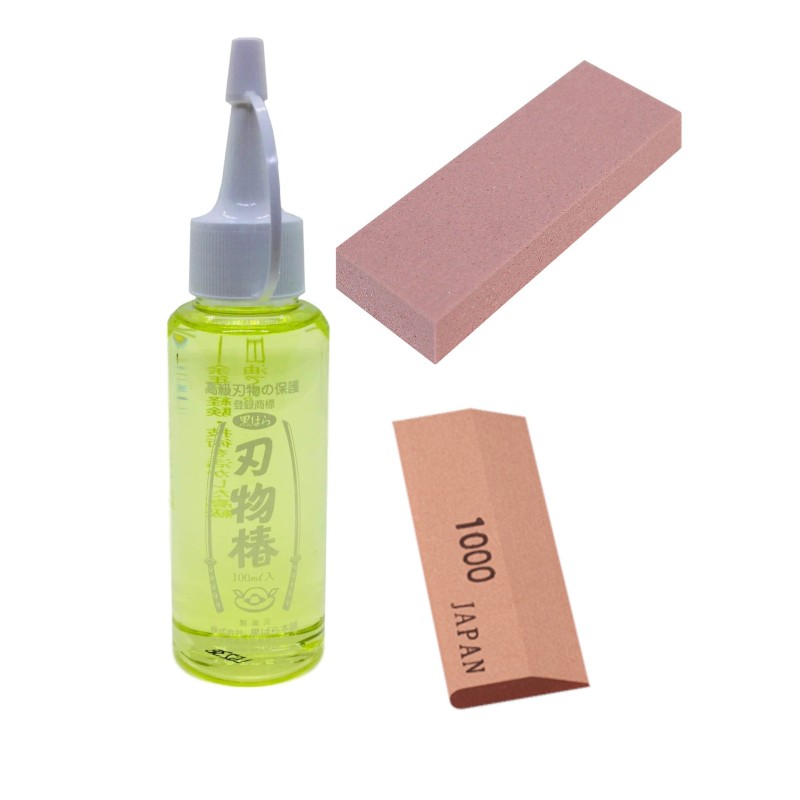
- Camellia oil or food-safe mineral oil for rust control. Carbon steel needs this.
- Rust eraser or fine abrasive block for stains. It clears light rust fast.
- A microfiber towel and soft sponge. They clean and dry blades well.
- A 10x loupe and a marker. They help you see and keep your angle.
- Edge guards or a wood saya for storage. It protects the edge and your hands.
When people ask which japanese knife maintenance tools to buy first, I suggest a medium stone, a fine stone, a flattening plate, and a strop. This covers 90% of daily needs.
Source: kurashige-tools.com
Essential Toolkit And Why Each Tool Matters
Whetstones
A stone is your main tool. Grit sets the job.
- Coarse 220–400 for chips, reprofiling, and thinning.
- Medium 800–1200 for general sharpening. This is the workhorse.
- Fine 3000–6000 for kitchen-ready polish and bite.
- Extra fine 8000–12000 for mirror and slicing protein.
- Natural stones can add feel and a soft, toothy bite. They vary a lot.
Splash-and-go stones are easy. Soakers need a short soak and give great feel. Both work. Do not oil water stones.
Flattening Plates And Holders
Stones dish with use. A flat stone is key for a flat bevel. Use a diamond plate or a silicon carbide lapping plate. Mark a grid on the stone, lap it off, and you are done. A steady holder prevents slips and saves your fingers.
Honing Rods
Use a fine ceramic rod. It is gentle and safe on hard steel. Avoid coarse steel rods with Japanese knives. They can chip and tear the edge.
Strops
Strop on leather or balsa with a fine compound. It cleans the burr and adds bite. Ten light strokes per side are enough. Do not press hard.
Oils And Rust Control
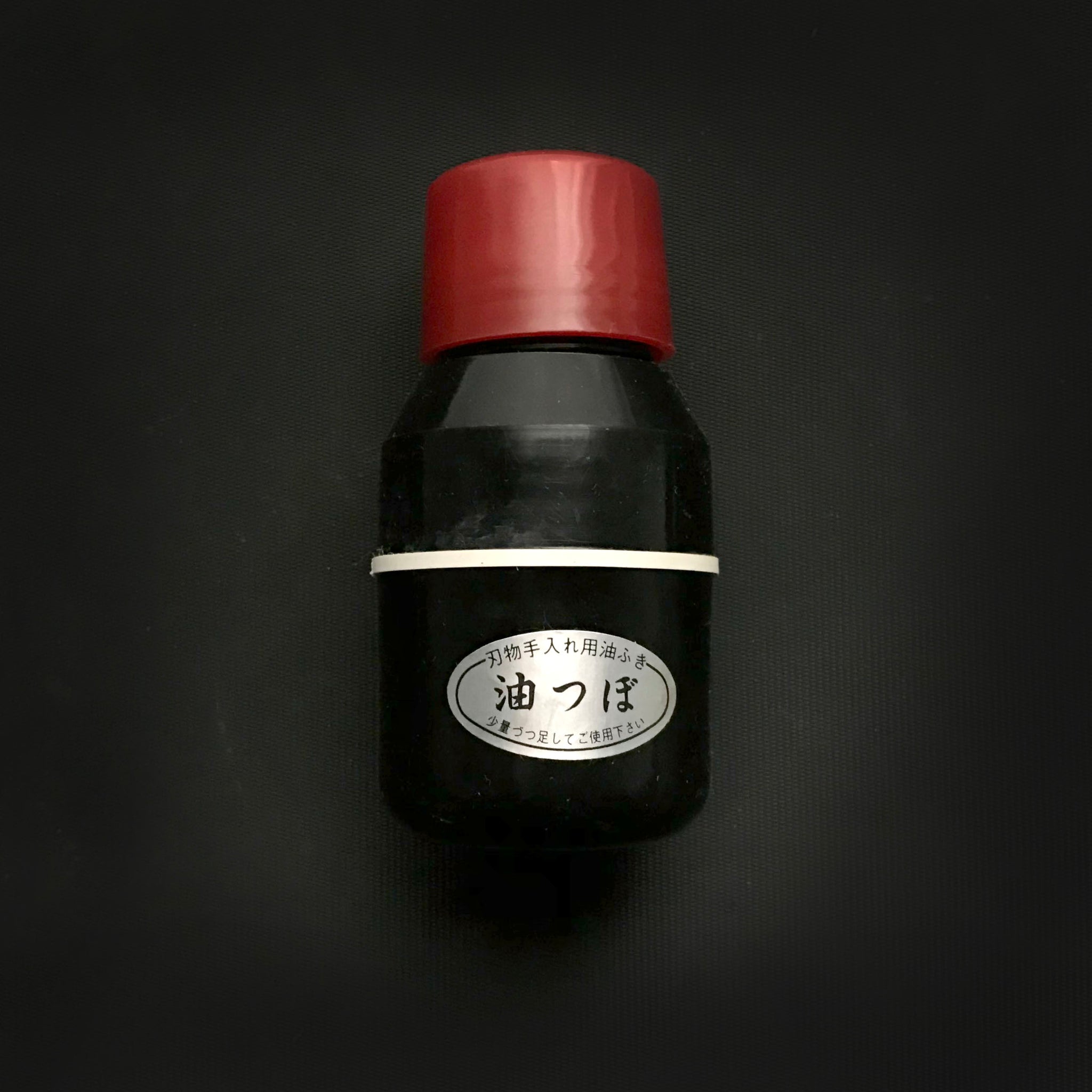
Carbon steel loves water but hates rust. Wipe dry at once. Add a thin coat of camellia oil or mineral oil. Use a rust eraser for light spots. Store dry with a silica gel pack nearby.
Inspection And Measuring
A 10x loupe shows chips and the burr. A marker helps track angle on the bevel. Angle cubes help, but feel is better with time.
Storage And Transport
Use a saya or an edge guard. A wood or cork-backed magnetic strip is safe. Do not toss knives in a drawer. Blades hit things and get dull fast.
These japanese knife maintenance tools trim guesswork. They let you fix issues early and keep your edges keen for longer.
Source: tenartis.com
Choosing The Right Whetstones For Your Steel And Skills
Match stone to steel and task. Keep it simple at first.
- For VG-10, AUS-10, or other stainless: 1000 then 3000–6000 works well.
- For blue or white carbon steel: 1000 then 4000–6000 gives a fine, sticky edge.
- For powder steel like SG2 or R2: pick stones that cut hard steel well. A quality 1000 works, then 3000–6000.
Progressions that work:
- Quick service: 1000 then strop.
- Polished: 1000, 3000, 6000, then strop.
- Repair: 320, 1000, 3000.
Stone care tips:
- Soak soakers 10–15 minutes. Splash-and-go needs only water on the top.
- Keep stones flat. Lap when you see a belly. Do it sooner, not later.
- Dry stones on a rack. Not in sun. Not near heat.
When I began, I used one 1000 stone and a strop. That set me up to learn pressure control. Later, I added a 3000 and a flattening plate. My edges got better at once.
Source: kurashige-tools.com
Step-By-Step Maintenance Routine For Home Cooks
Here is a simple plan you can follow.
Daily after use:
- Rinse, wipe, and dry at once. Never leave a wet blade on the board.
- For carbon steel, add a thin coat of camellia oil.
- Do 10 light strop passes per side. This keeps the edge crisp.
Weekly or after long prep:
- Use a fine ceramic rod. Five light passes per side at a steady angle.
- If the edge still slides, do 10 passes on a 2000–3000 stone.
Monthly or when food crushes:
- Sharpen on a 1000 stone. Raise a small burr heel to tip. Flip. Deburr.
- Refine on a 3000–6000 stone. Light strokes. Then strop.
Every 3–6 months:
- Thin behind the edge on a 320–400 stone if cutting drags. Light pressure. Keep it cool and flat.
This routine plus smart japanese knife maintenance tools will hold your edge and stop rust.

Source: amazon.com
Common Mistakes And How To Avoid Them
I have made every mistake so you do not have to. Here are the big ones.
- Using a steel rod on hard Japanese steel. It can chip the edge. Use ceramic or a stone.
- Skipping flattening. A dished stone makes a rounded bevel and weak bite. Lap often.
- Pressing too hard. Heavy pressure scratches steel and loads stones. Let the stone cut.
- Sharpening at a new angle each time. Use a marker to keep it steady.
- Leaving stones wet in the box. They crack and mold. Dry them slow and well.
- Storing knives loose. The edge bumps things and dulls fast.
If you fix these, even basic japanese knife maintenance tools will give pro results.

Source: tenartis.com
Budget And Pro-Level Setups
You do not need a huge kit. Start small and upgrade by need.
Starter setup on a budget:
- 1000 stone. The main work tool.
- 3000 or 4000 stone. For a clean finish.
- Inexpensive diamond flattening plate.
- Leather strop with fine compound.
- Camellia oil and a microfiber towel.
Serious home cook:
- 400, 1000, 3000, 6000 stones.
- Quality diamond lapping plate.
- Stone holder and pond.
- Fine ceramic rod.
- Rust eraser, 10x loupe, angle guide.
Pro line cook or sharpener:
- Full stone set including coarse repair stone.
- Two flattening plates for coarse and fine stones.
- Balsa and leather strops with different compounds.
- Stone pond with drain. Towels. Spray bottle.
- Saya or guards for each knife. Silica packs for the kit.
I built my kit over time. The first upgrade that changed my results was a proper flattening plate. My bevels got flat, and my edges got loud on tomatoes.

Source: dayjologistica.com
Care For Carbon Vs Stainless, Single Vs Double Bevel
Know your steel and grind. It guides tool choice and care.
Carbon steel:
- Wipe dry at once. Oil light and often.
- Expect a patina. It protects the blade.
- Use gentle cleaners. Avoid harsh scrub pads.
Stainless steel:
- Still dry fast. Stainless can stain.
- Oil is optional but helps long term storage.
- Use a ceramic rod for touch-ups.
Single-bevel knives:
- Keep the back side flat. Use a flat stone. Do uraoshi passes with care.
- Work the wide bevel on a flat stone until you raise a faint burr.
- A loupe helps you track the line. Take your time.
Double-bevel knives:
- Keep your angle low and steady. Around 12–16 degrees per side is common.
- Use light pressure to finish and strop before use.
These points make your japanese knife maintenance tools work smarter for each blade.

Source: tenartis.com
Safety And Longevity Tips
A sharp knife is safe if you handle it with care. Your tools matter here.
- Use a damp towel under your stone holder. No slips.
- Keep fingers above the spine when sharpening. Move slow.
- Wipe the blade from spine to edge. Never into the edge.
- Cut on wood or soft plastic boards. Hard boards kill edges fast.
- Do not put knives in the dishwasher. Heat and soap are rough on steel and handles.
A few small habits and the right japanese knife maintenance tools will make your knives last for years.

Source: amazon.com
Frequently Asked Questions Of Japanese Knife Maintenance Tools
What grit stones should I buy first?
Start with a 1000 for sharpening and a 3000–6000 for finishing. Add a 400 for repairs later.
How often should I sharpen a Japanese knife?
For home use, every 4–8 weeks is common. Touch up with a ceramic rod or strop each week.
Can I use a steel honing rod on Japanese knives?
Use a fine ceramic rod. Many steel rods are too rough and can chip hard Japanese edges.
Do I need oil on stainless Japanese knives?
You do not need oil daily. A light coat helps for long storage or humid areas.
How do I know my stone is flat?
Draw a pencil grid on the stone and lap it. If the grid vanishes evenly, the stone is flat.
What is the best way to remove rust?
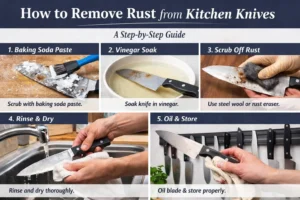
Use a rust eraser with light pressure. Rinse, dry, and oil after to slow new rust.
Should I soak all water stones?
No. Some are splash-and-go. Check the maker’s note; if unsure, test with a small soak and see if it bubbles.
Conclusion
Good edges are not luck. They are the result of steady habits and the right kit. Build your core set of japanese knife maintenance tools, keep your stones flat, and use light, even strokes. You will see cleaner cuts, less waste, and more joy at the board.
Pick one habit to start today. Strop after each prep or flatten your stone this week. Want more? Subscribe for new guides, or drop a question so I can help you dial in your edge.

Maliha Akter is a kitchen knife reviewer and food preparation specialist with over 6 years of experience testing Japanese kitchen knives and everyday cooking tools. She focuses on performance, safety, durability, and real-world usability to help home cooks choose the right knives for efficient and enjoyable cooking.
Expertise:Japanese Knives • Vegetable Knives • Product Reviews • Kitchen Efficiency • Knife Care