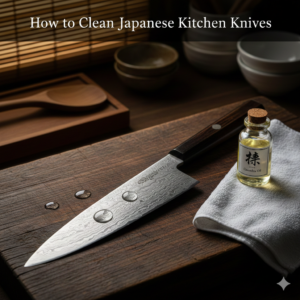
Japanese knife rust prevention is simple: clean fast, dry fully, oil lightly, and store smart.
If you love the clean cut of a Japanese blade, you care about keeping it rust free. I have sharpened, used, and restored more knives than I can count. In this guide, I share practical japanese knife rust prevention steps that work in real home kitchens. You will learn what causes rust, how to stop it, and how to fix it when it happens.
Why Japanese knives rust
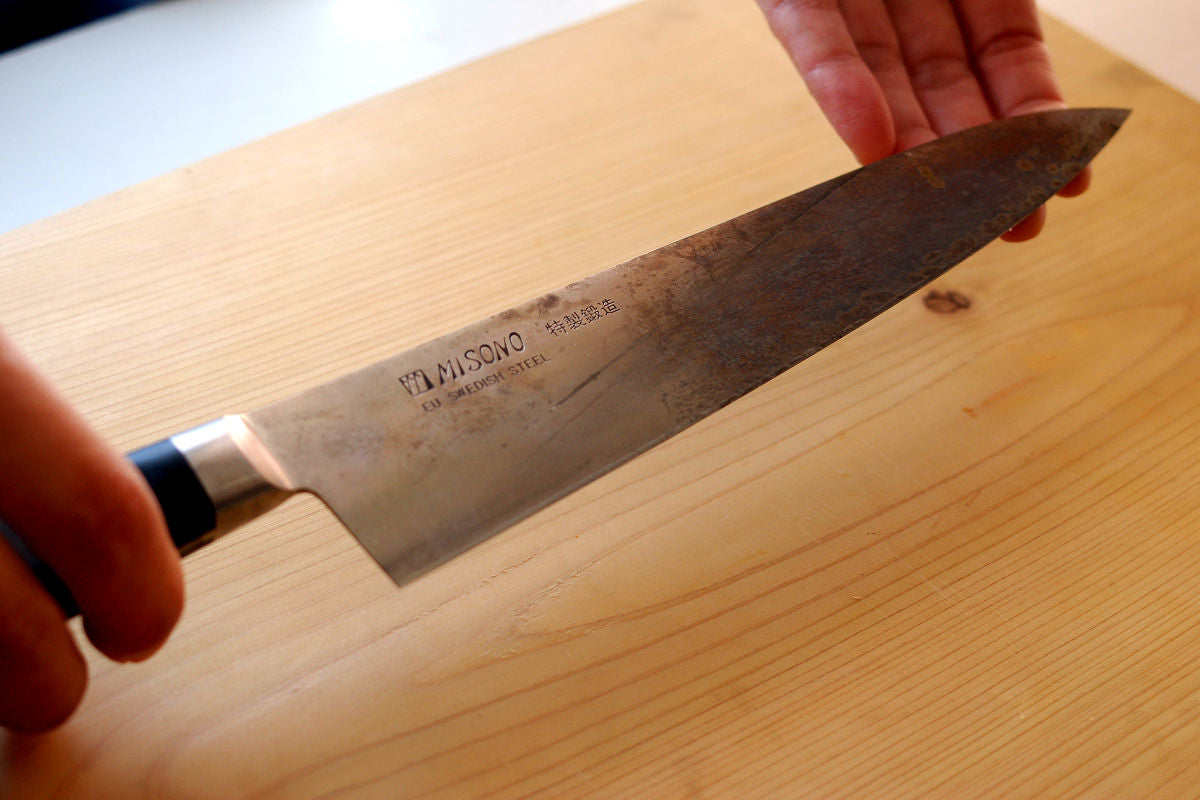
Rust is iron plus water plus oxygen. Add salt or acid and it speeds up. Most Japanese knives have a high carbon core. That carbon helps them get very sharp. But it also makes them more prone to rust if they stay wet.
Stainless is more resistant, not rust proof. Chlorides from salt water and soy sauce can still cause spots. Long contact time is the real trigger. Moisture trapped on the blade is what you need to stop for japanese knife rust prevention.
Here is the bottom line. Keep the blade dry. Limit time with water, salt, and acids. Use a thin oil layer after use. That simple habit is the heart of japanese knife rust prevention.

Carbon steel vs stainless: what that means for care
Carbon steel (White, Blue, AS) is reactive. It can form a patina. That patina is a thin dark layer that slows rust. Stainless (VG-10, SG2, Ginsan) has chromium. It forms a passive film that helps resist rust.
For japanese knife rust prevention, treat both like they can rust. Carbon needs oil more often. Stainless still needs fast dry and smart storage. If you switch between them in one session, wipe both no matter what.
Quick rule I use:
- Carbon steel: wipe during prep, wash and dry at once, oil lightly every time.
- Stainless steel: wipe during prep, wash and dry at once, oil when you store overnight or longer.
- Clad blades: clean the whole blade, not just the core, as cladding can also tarnish.

Source: reddit.com

Daily use routine: during prep and right after
Water control during prep is half the battle. Keep a dry towel and a damp towel at your board. Wipe the blade each time you switch from wet to dry foods. Do not leave the knife on a wet board.
Right after you finish:
- Rinse fast under warm water. Use mild soap if needed.
- Never soak the knife or leave it in the sink.
- Dry with a soft towel from spine to edge, away from your fingers.
- Air dry for one minute on a rack. Then oil if needed.
This simple loop is the best step for japanese knife rust prevention. It fits into any kitchen flow and keeps rust from ever starting.
Cleaning and drying: step-by-step
I follow this every day in my shop:
- Use mild dish soap and a soft sponge. No steel wool. No scouring pads on the blade face.
- Rinse well. Soap film holds water and can spot.
- Dry with a lint free towel. Pay attention near the heel and choil where water hides.
- For wa handles, keep water off the wood. Wipe handle ends dry.
Extra tip for japanese knife rust prevention: after drying, warm the blade with your hand for a few seconds. That tiny heat drives off the last drops you cannot see. Then oil it.

Oils, wax, and patina: protective layers that work
A thin coat of oil blocks moisture and air. It is like a rain jacket for steel. I use camellia oil or food grade mineral oil. They do not go rancid and do not smell. Avoid cooking oils. They gum up and can smell bad.
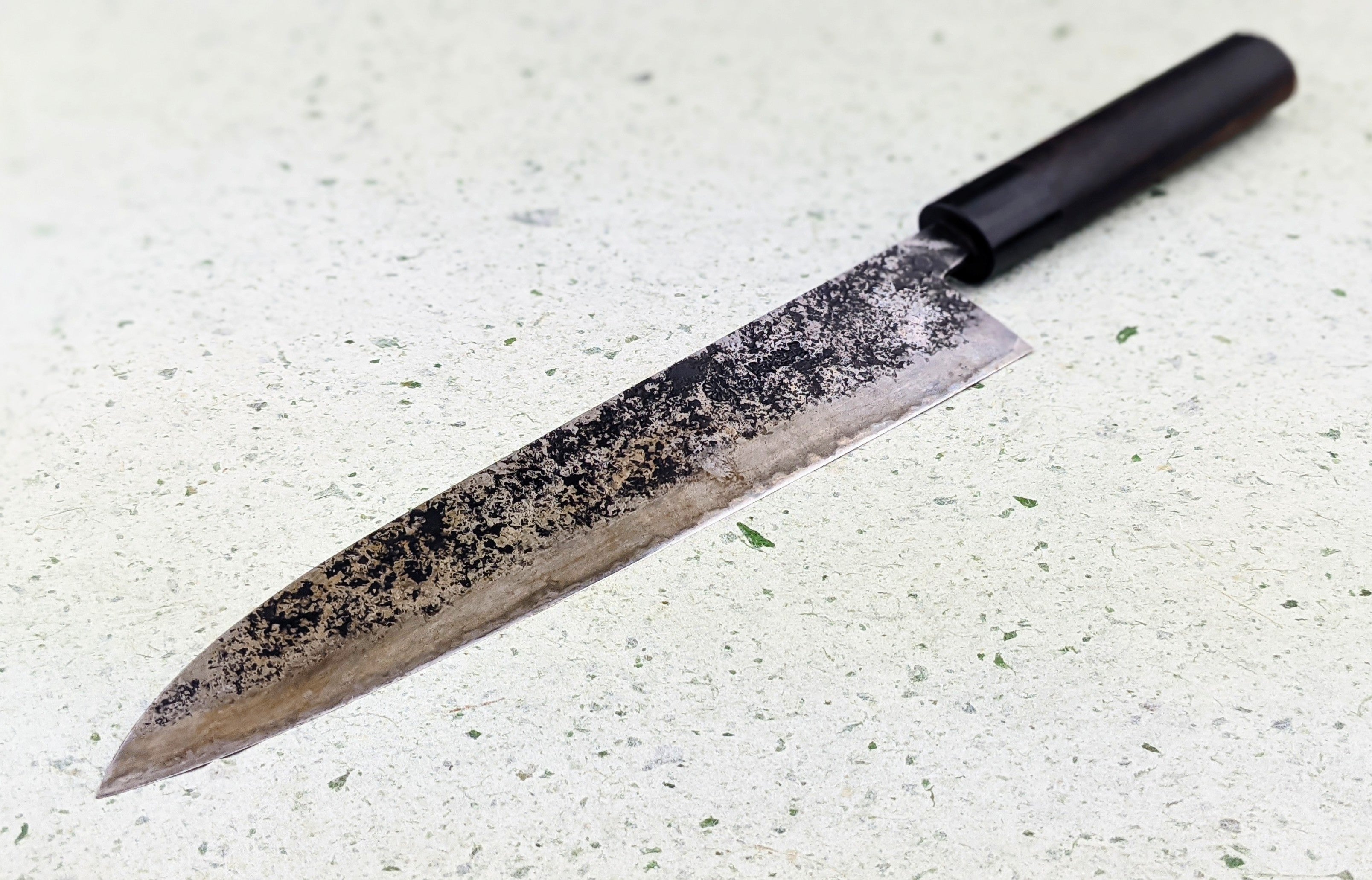
For long breaks, a microcrystalline wax adds more hold. It stays put in humid air. On carbon steel, let a natural patina form from normal use. That bluish gray tone is your friend. It is not dirt. It slows rust and tells you the blade is healthy for japanese knife rust prevention.
How to oil in 10 seconds:
- Put one drop on a towel.
- Wipe both sides and the spine.
- Store the knife blade up in a saya or on a dry rack.

Source: echefknife.com

Storage and environment: keep moisture away
Storage can make or break your routine. Wood sayas breathe and protect. Plastic edge guards trap water if you store a wet knife. Magnetic strips are fine if the room is dry and clean.
For best japanese knife rust prevention:
- Dry the blade before any guard or saya.
- Add a silica gel pack near your knives if your kitchen is humid.
- Keep knives away from dishwashers, sinks, and steam vents.
- Do not store a knife in a leather sheath. Leather holds moisture and salts.
If you use a drawer, add a slotted block and a desiccant pack. Check it once a month and recharge the pack as needed.
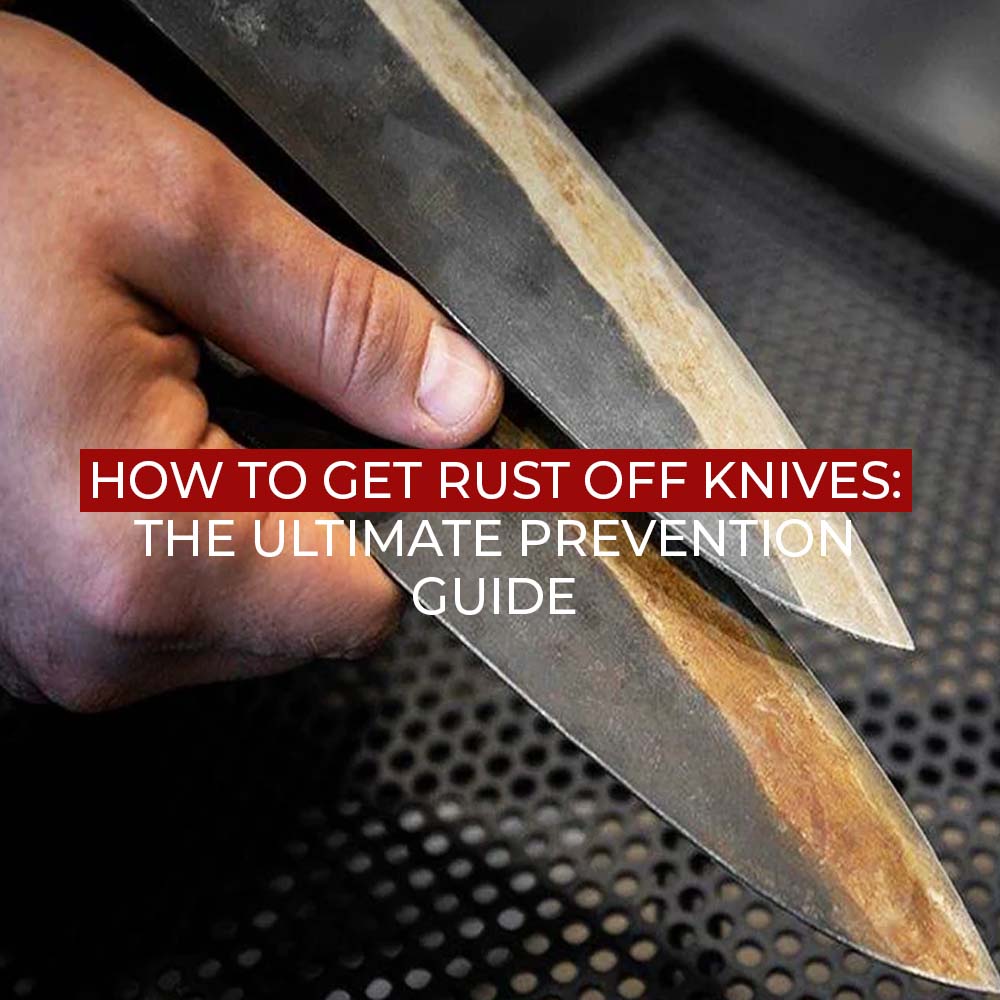
Rust removal and rescue: safe methods
Rust happens. Do not panic. Act fast and be gentle.
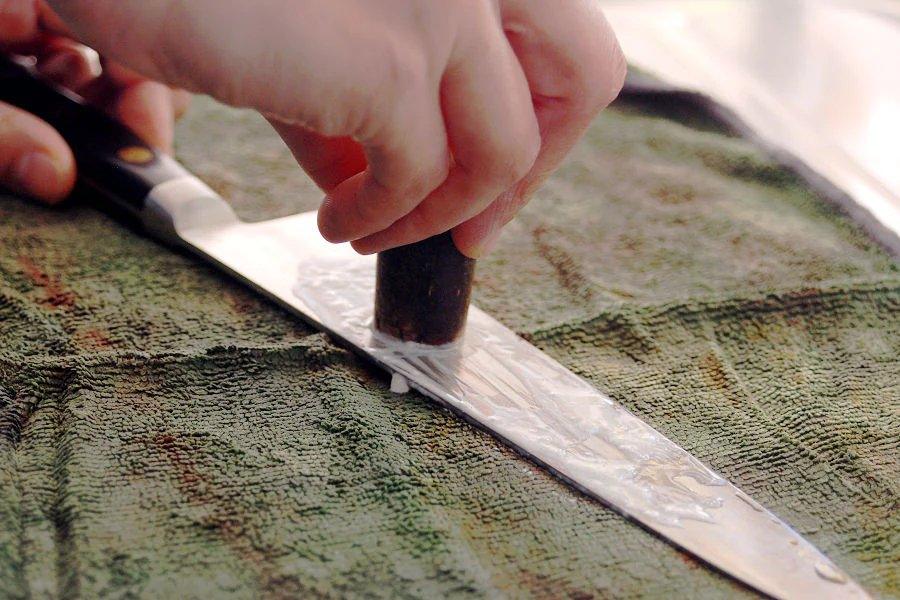
Light orange film:
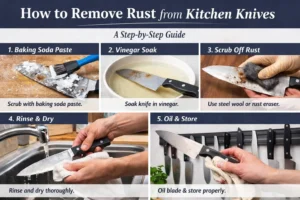
- Use a wine cork with a bit of non-abrasive cleaner or baking soda paste.
- Rub with the grain. Rinse, dry, and oil.
Active red rust spots:
- Use a rust eraser. Soak it for a minute. Rub with light strokes, with the grain.
- For fine polish, use a soft cloth with a mild cleanser. Rinse, dry, and oil.
Pitting or deep spots:
- Start with a 1,000 grit stone and take light passes only on the affected area.
- Blend on a higher grit if you care about looks. Oil the blade and monitor.
- If the edge is pitted, you may need a full sharpen to remove weak steel.
Each pass should be light and slow. The goal is to save steel. This is still part of smart japanese knife rust prevention, since you stop corrosion and reset the surface before it spreads.
Long-term care and schedule
A simple schedule keeps things smooth:
- Daily: wipe during prep, wash, dry, light oil.
- Weekly: deep clean, check spine, choil, and handle. Re-oil or wax if humid.
- Monthly: inspect for spots, refresh patina as needed, sharpen if drag appears.
- Seasonal: if you live near the coast, boost oil use in summer.
For long storage, clean, dry, and oil. Then wrap in paper, put in a saya, and store with silica gel. This is the safest path for japanese knife rust prevention over months.
Common mistakes to avoid
I learned these the hard way during a busy service:
- Leaving a knife under a wet towel. It will rust within hours.
- Soaking in a sink. Water finds every gap, then rust blooms overnight.
- Using the dishwasher. Heat, water, and detergent will wreck the edge and finish.
- Using vegetable oil on blades. It goes sticky and smells.
- Storing in leather. It holds salts that speed rust.
One night I forgot to dry a Blue #2 petty during service. By morning, red spots lined the edge. I fixed it with a rust eraser, a touch of cleaner, and a few 1,000 grit strokes. Then I oiled it. Lesson learned: small lapses beat even the best japanese knife rust prevention plan.
Tools and kit checklist
Build a simple kit so you never miss a step:
- Two towels: one dry, one damp.
- Food safe oil: camellia or mineral oil.
- Silica gel packs for storage.
- Rust eraser and a mild cleanser for spot work.
- 1,000 and 3,000 grit stones for light edge rehab.
- A wood saya or safe edge guard.
Keep this kit near your board. That small change boosts your japanese knife rust prevention without slowing your cook flow.
Frequently Asked Questions about Japanese knife rust prevention
Do stainless Japanese knives rust?
Yes, they can. Stainless resists rust but is not rust proof. Salt, acids, and long wet time can still cause spots.
Is patina the same as rust?
No. Patina is a stable dark layer that slows rust. Red rust is active and eats steel, so remove it.
What oil should I use on my knife?
Use camellia oil or food grade mineral oil. They are stable, food safe, and do not go rancid.
Can I use baking soda to remove rust?
Yes, for light surface rust. Make a paste, rub gently with a cork, rinse, dry, and oil.
How do I stop rust during long storage?
Clean, dry, and oil the blade. Store in a dry saya with silica gel, and avoid leather sheaths.
Will lemon or vinegar clean rust?
They can remove oxide but can also etch steel. Use with care, rinse fast, dry, and oil.
Conclusion
Japanese knives reward small, steady habits. Clean fast, dry well, and leave a thin oil coat. Protect from humidity, avoid long wet time, and fix spots early. These steps make japanese knife rust prevention easy, even in a busy kitchen.
Start today. Set out two towels, a bottle of camellia oil, and a rust eraser. Build that five-minute routine and enjoy a sharp, clean blade for years. If this helped, share it with a friend, subscribe for more knife care tips, or drop your questions in the comments.

Olivia Bennett is a knife care and sharpening specialist with 6+ years of hands-on experience in blade maintenance, whetstone sharpening, and rust prevention. She creates simple, safe guides to help users maintain razor-sharp kitchen knives at home.
Expertise: Knife Sharpening, Maintenance, Blade Care