Keep your knife sharp, grip it right, use a stable board, and store safely.
Japanese knives are joy tools, but they demand respect. In this guide, I share proven japanese knife safety tips from years of coaching home cooks and pros. We will cover grip, setup, sharpening, cleaning, and storage with simple habits you can trust. Read on if you want long-lasting edges, fewer nicks, and a smoother flow at the board.
Why Japanese knives demand special respect
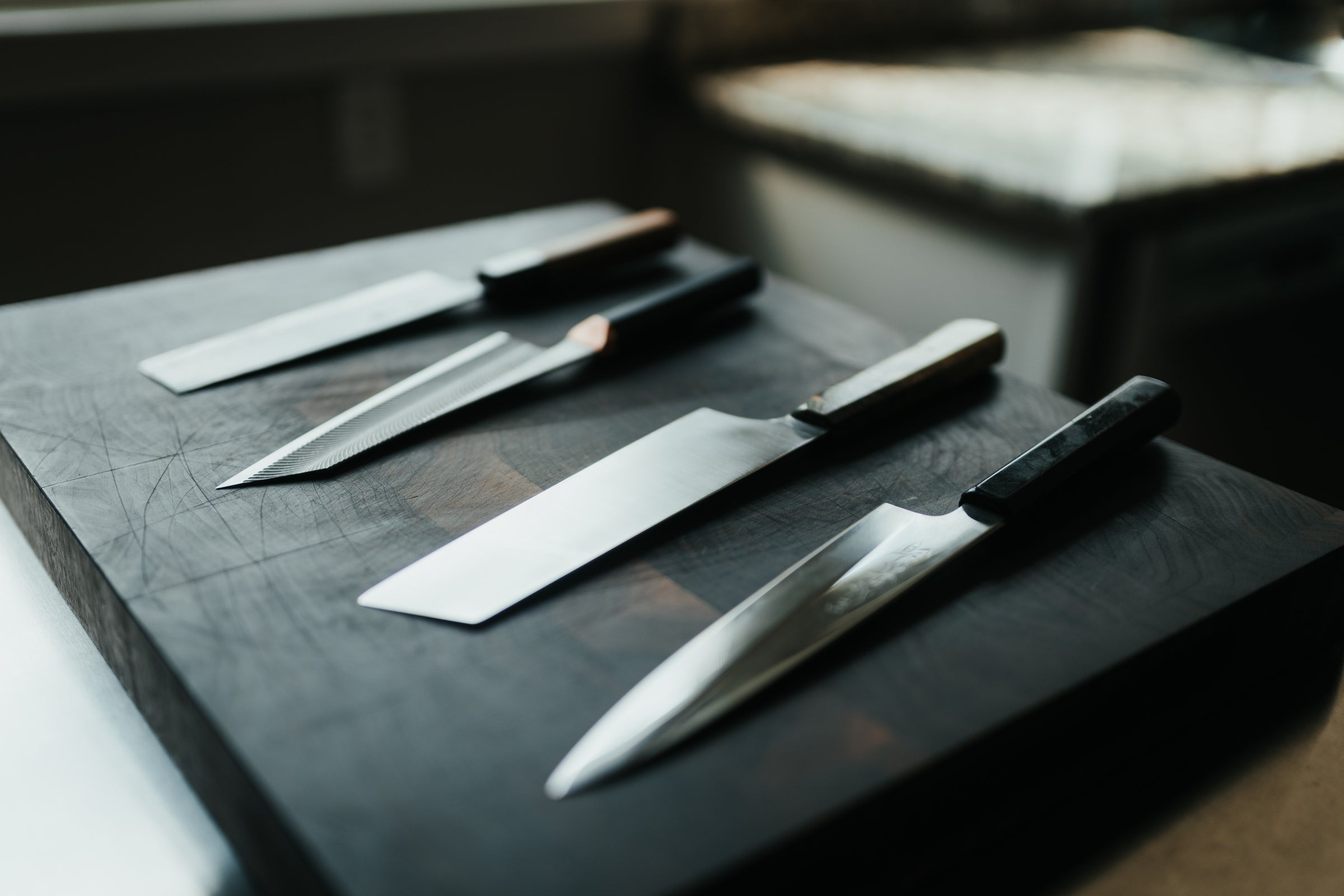
Japanese knives are thin, hard, and very sharp. That is why they slice so clean. It is also why they chip if you twist or pry. Their edges can be at a lower angle than many Western blades, so they bite fast and deep.
Some are single bevel. They steer to one side if you do not guide them. That is fine if you know the pull cut and keep a steady hand. It can be risky if you rush or cut bones.
Use the knife for the right job. A gyuto or santoku handles most tasks. Avoid bones, frozen food, or very hard squash with a thin blade. For that, use a heavier knife. These are the first japanese knife safety tips I teach every new cook.
Source: webstaurantstore.com
Essential Japanese knife safety tips you should follow every day
Use these japanese knife safety tips each time you cook. They lower risk and protect the edge.
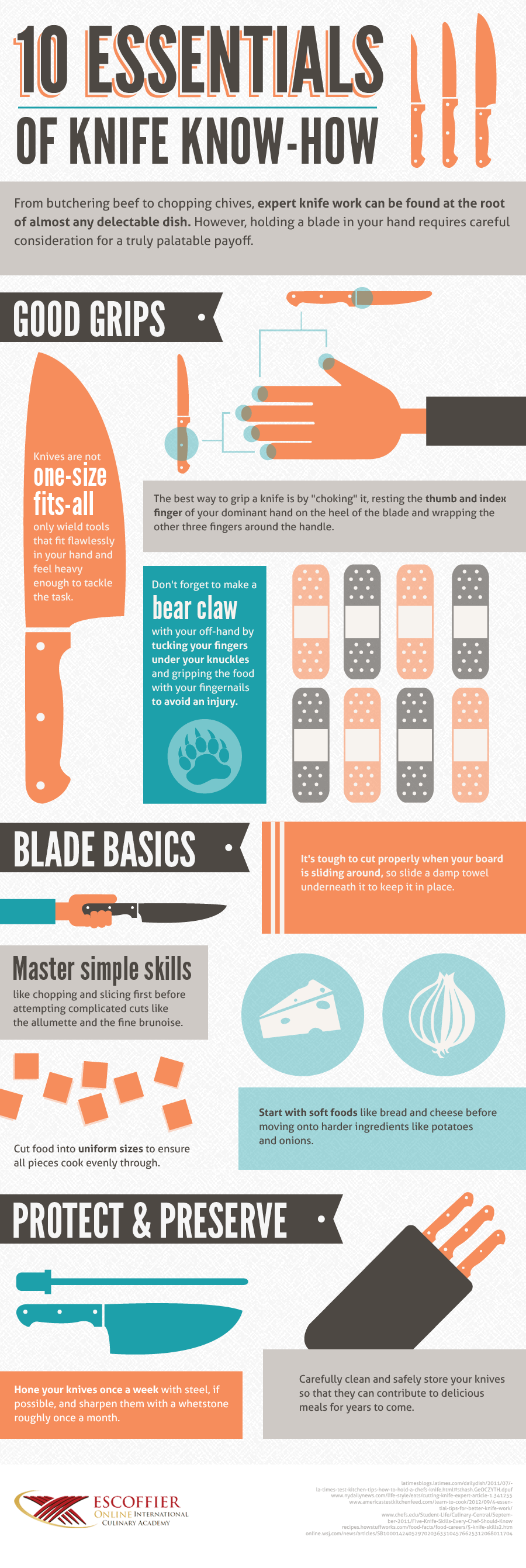
- Keep the knife sharp. Dull blades slip and cause more cuts than sharp ones.
- Use a pinch grip. Thumb and index finger on the blade, not on the handle only.
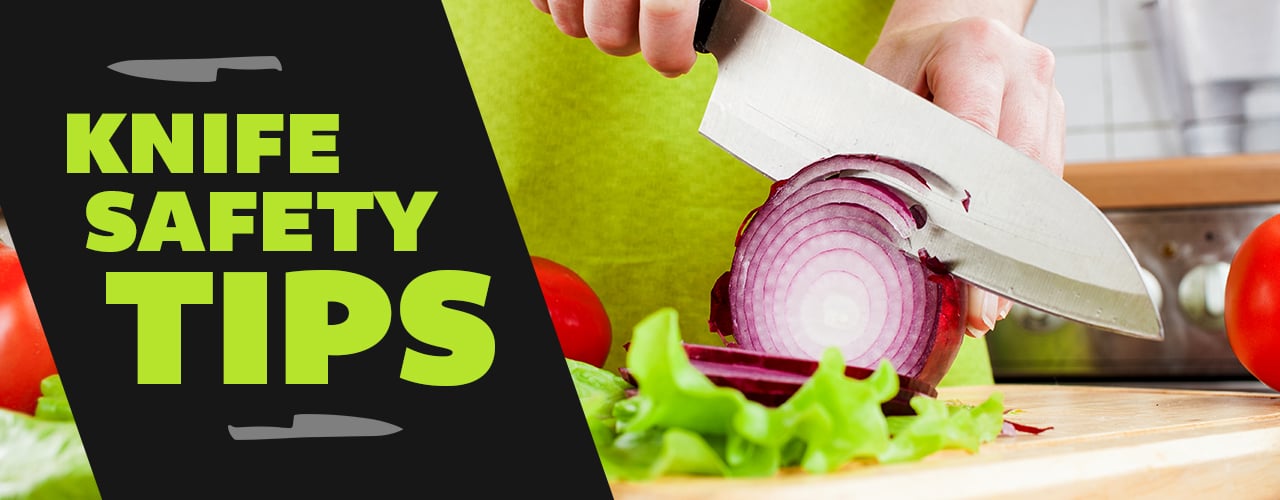
- Guide with the claw. Tuck fingertips under and keep the thumb behind them.
- Stabilize your board. Place a damp towel under it so it will not slide.
- Clear your space. No cords, towels, or bowls under the blade path.
- Cut straight down or draw forward. Do not twist, pry, or scrape with the edge.
- Move food with the spine. Flip the knife and use the back to scoop.
- Park the knife safely. Set it flat, with the edge away from traffic.
- Never leave it in the sink. That is a hidden blade waiting for a hand.
- Store in a saya, guard, or block. Bare edges in drawers are a no.
These japanese knife safety tips save time and prevent common chips and cuts.
Source: escoffieronline.com
Grip, stance, and cutting technique
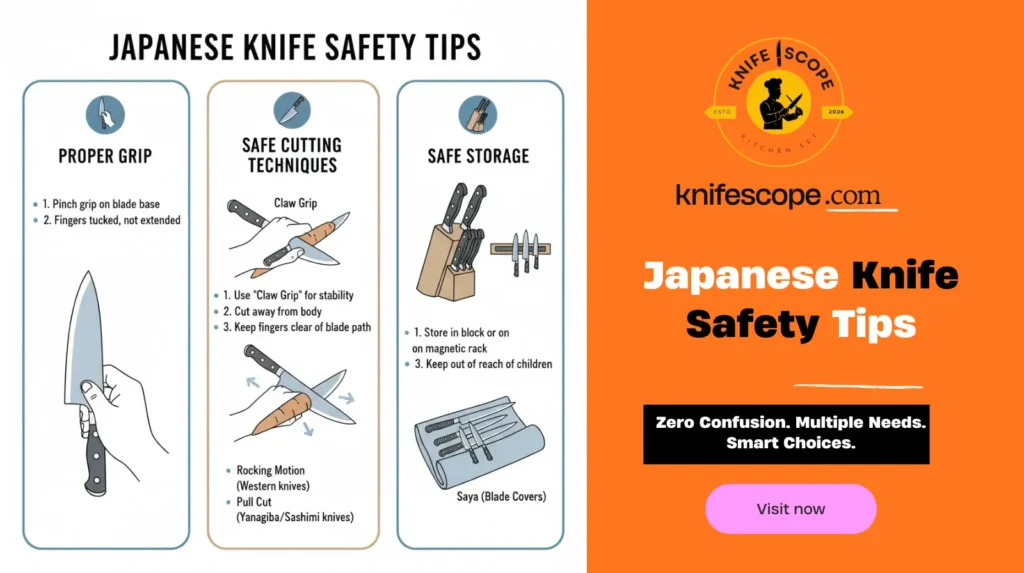
Your hands are your brakes and steering. Get them right first. This is the core of japanese knife safety tips.
- Pinch grip: Place thumb and index on the blade, just ahead of the handle. Wrap the rest around the handle. This gives control.
- Claw guide hand: Curl fingers. Keep knuckles forward. Your knuckles, not fingers, guide the blade.
- Stance: Feet shoulder-width. Hips square to the board. Keep shoulders low.
- Motion: Use a push or draw cut. Let the edge do the work. Keep the tip on the board when mincing.
- Lift and place: When moving the knife, lift the spine up and keep the edge down and away from you and others.
Personal tip: When I trained line cooks, I had them practice “no-lift onions.” The tip stays on the board. The edge moves like a train on rails. Cuts got cleaner. Nicks dropped fast.
Source: studytheblade.com
Set up your station: board, space, and habits
Safe cooking starts before you cut. Good setup is a huge part of japanese knife safety tips.
- Choose the right board. Use end-grain wood or soft wood like hinoki. Avoid glass, stone, or hard plastic.
- Lock the board. Place a damp towel or a silicone mat under it.
- Keep a clean zone. Place scraps in a bin. Wipe the board between tasks.
- Communicate. If you walk past someone with a knife, say “behind, knife.”
- Respect the tip. Keep it clear of towels and sleeves that can catch it.
I keep a small spray bottle by the board. One spray, quick wipe, and the board is clean and tacky. It keeps the station safe and fast.
Source: webstaurantstore.com
Sharpening and maintenance safety
A sharp, true edge is safer. But sharpening needs care. Follow these japanese knife safety tips when you work on the edge.
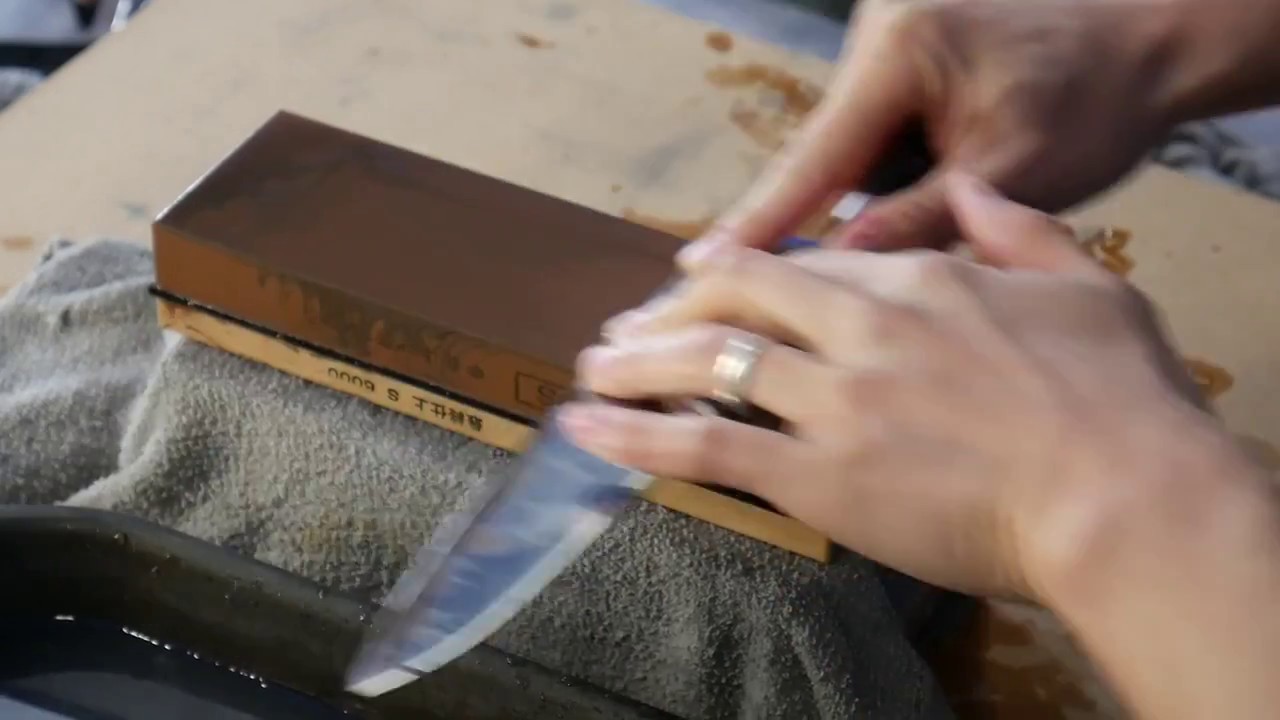
- Angle: For most double-bevel gyuto or santoku, aim for about 12–15 degrees per side.
- Stones: Use a stable base. Keep the stone flat and wet. Wipe the slurry away from you.
- Finger safety: Place fingertips on the spine or the blade face, never near the edge. A thin glove on the off hand adds safety.
- Light pressure: Let the stone cut. Heavy pressure can slip and chip the edge.
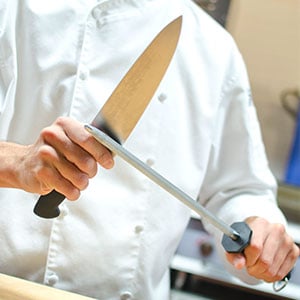
- Rods: If you use a ceramic rod, go slow. Keep a steady angle. Avoid cheap pull-through tools for hard Japanese steels.
I teach a paper test. When the edge can slice paper with no snag, stop. More grinding risks a wire edge and slips. Less is more.
Source: oishya.com
Cleaning and rust prevention safety
Clean blades last longer and are safer to hold. These japanese knife safety tips keep the edge and your hands in good shape.
- Hand wash only. Warm water, mild soap, soft sponge. No dishwasher.
- Dry right away. Wipe spine to edge, not edge to spine. Keep fingers off the edge.
- Carbon steel care. Add a thin coat of food-safe oil after drying. This prevents rust.
- Avoid soaking. Water can swell handles and weaken glue.
- Sanitize smart. Use a board-safe spray or diluted bleach on the board, not on the blade edge for long periods.
If you step away, wrap the dry knife in a clean towel and lay it flat. Never leave it wet on the board.

Source: amazon.com
Storage and transport safety
A safe home for your knife is key. It protects the edge and people. Add these japanese knife safety tips to your routine.
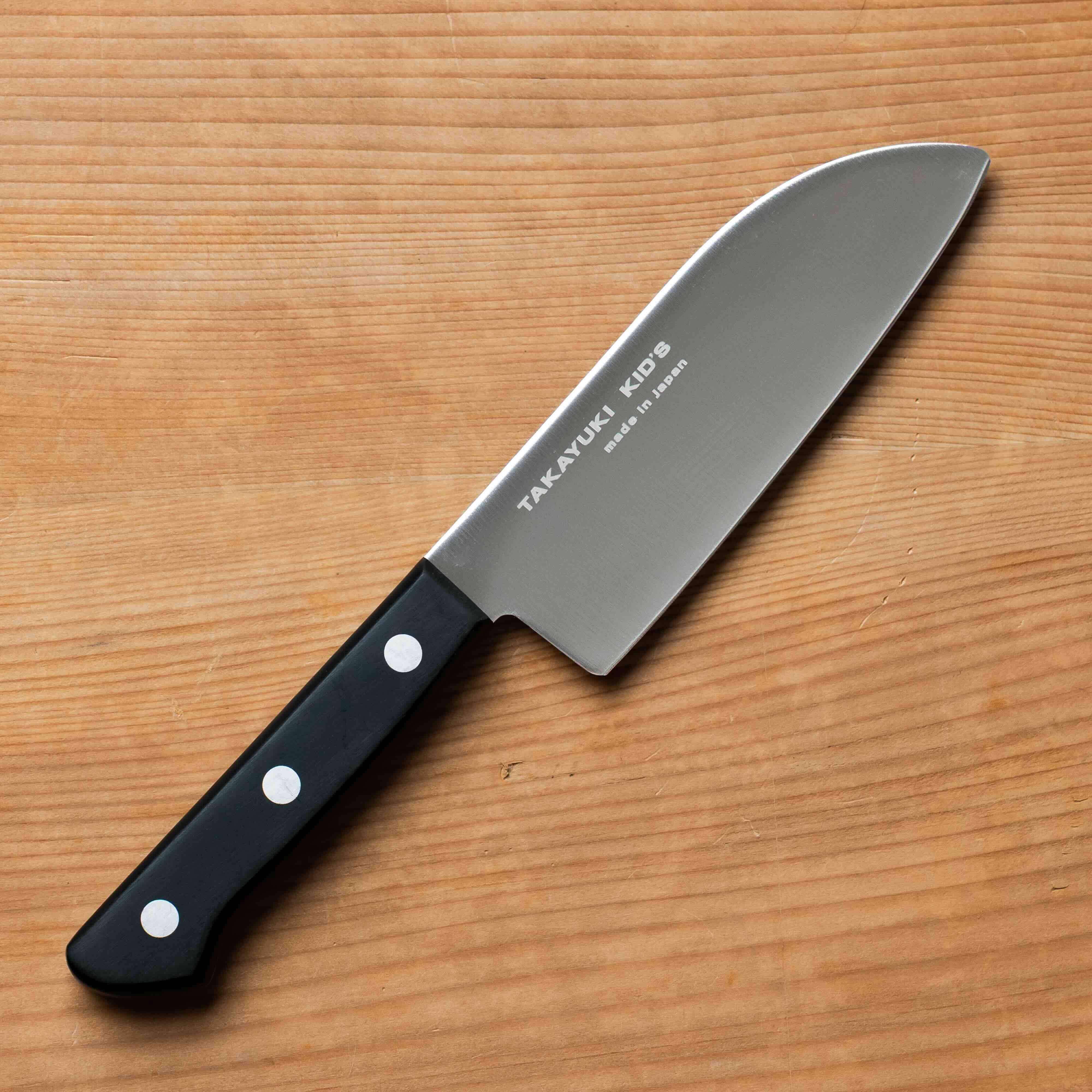
- Use a saya or blade guard. Fit matters. A loose guard can fall off.
- Magnetic strips work if they are wood-faced. Place spine first, then roll to the flat side. Lift in reverse.
- Blocks and docks. Keep slots clean and dry. Insert with the spine against the wood.
- Travel right. Use a knife roll with guards on each blade. Keep tips protected.
- Keep out of reach. Store high or locked if kids are around.
I like wood-faced magnetic bars. They keep edges from hitting hard metal. And I can see each blade at a glance.
Source: chuboknives.com
Common mistakes to avoid
Many chips and cuts come from the same slips. These japanese knife safety tips target the big ones.
- Using a dull knife. It forces you to push hard and slide off food.
- Cutting on glass or marble. That ruins edges and can crack tips.
- Twisting in the cut. Thin blades hate torque. Lift out. Reset. Cut again.
- Scraping with the edge. Flip the knife and use the spine to move food.
- Letting others “try it” without guidance. A short demo of grip and claw helps a lot.
- Leaving knives in sinks or under towels. That is a cut waiting to happen.
I once chipped a yanagiba on a sneaky chicken bone. It looked fine in the flesh, but I rushed. Lesson learned: feel the path, do not force it.
Source: oishya.com
If you cut yourself: quick response plan
Even with care, nicks happen. A plan keeps stress low and limits harm. These japanese knife safety tips help you act fast.
- Drop the knife flat on the board. Do not grab a falling blade.
- Apply pressure with a clean towel. Elevate if needed.
- Rinse, then press again. If the cut gapes, is deep, or will not stop bleeding, seek care.
- Dress the wound. Use a bandage and, if cooking, a finger cot and glove.
- Clean the area and the board. Swap out the towel and sanitize.
Keep a small first-aid kit near the kitchen. It pays for itself the first time.
Frequently Asked Questions of japanese knife safety tips
Are Japanese knives too sharp for beginners?
They are sharp, but that makes them safer when used right. Learn the pinch grip and claw, and start slow with a stable board.
How often should I sharpen my Japanese knife?
For home cooks, every 2–3 months works for most use. Touch up on a fine stone or ceramic rod every few weeks to keep the edge alive.
Can I use a honing steel on hard Japanese steel?
Use a fine ceramic rod, not a grooved steel. Go light and keep a steady angle to avoid micro-chipping.
What cutting board is best for Japanese knives?
End-grain wood or soft wood like hinoki is gentle on edges. Avoid glass, stone, and very hard plastic boards.
Is it safe to cut through bones with a gyuto or santoku?
No. Use a cleaver or a heavy-duty knife for bones and frozen food. Thin Japanese blades can chip or crack under that stress.
Conclusion
Japanese knives reward care with clean cuts and real joy at the board. Use a sharp edge, a safe grip, a stable setup, and smart storage. These japanese knife safety tips help you cook faster, safer, and with confidence.
Put one change in place today. Fix your grip, add a towel under the board, or fit a blade guard. Want more practical guides and gear checks? Subscribe, share your questions, or drop your own tip in the comments.

Emily Carter is a kitchen knife specialist with over 8 years of experience testing and reviewing Japanese kitchen knives. She focuses on blade performance, comfort, durability, and real-life cooking usability. Her goal is to help home cooks choose reliable, high-quality knives for everyday cooking.
Expertise: Japanese Knives, Vegetable Cutting, Product Testing