A kitchen knife guide explains types, uses, care, and sharpening for every home cook.
I have worked with knives for years in home and professional kitchens. This kitchen knife guide pulls that work into one clear resource. You will learn how to pick blades, what materials matter, how to sharpen and care for knives, and how to stay safe. Read on for practical steps, tested tips, and simple buying advice so you can choose the right knife with confidence.
Understanding kitchen knives
A kitchen knife guide starts with the basics. A knife has three parts: the blade, the handle, and the bolster or tang. Blade shape and length change how a knife feels and works. A good knife makes prep faster. A bad one slows you down and can be unsafe.
Key terms to know:
- Blade: The cutting edge and body of the knife.
- Edge: The sharpened part that cuts.
- Tang: The metal part inside the handle.
- Bolster: The thick section between blade and handle.
- Grind: How the blade is shaped from the spine to the edge.
Why this matters: Choosing is easier when you know the parts. This kitchen knife guide uses these terms so you can compare knives with confidence.

Types of kitchen knives and their uses
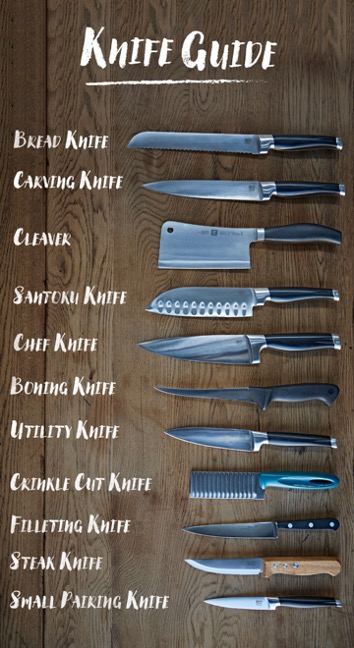
Different knives serve different jobs. This kitchen knife guide covers the main types you will meet.
Chef’s knife
- Use: All-purpose chopping, slicing, dicing.
- Size: 8 to 10 inches is common for home cooks.
Paring knife
- Use: Small tasks like peeling and trimming.
- Size: 3 to 4 inches.
Serrated knife
- Use: Bread, tomatoes, soft crusts.
- Size: 8 to 10 inches typical.
Santoku
- Use: Slicing and chopping with a shorter swing.
- Size: 5 to 7 inches.
Utility knife
- Use: Mid-size tasks between a paring knife and chef’s knife.
- Size: 5 to 7 inches.
Boning and fillet knives
- Use: Removing bones, fish filleting.
- Size: Thin, flexible blades 5 to 7 inches.
Cleaver
- Use: Heavy chopping, bones.
- Size: Wide blade 6 to 8 inches or larger.
This kitchen knife guide helps you match knife type to tasks in your kitchen. Choose one main all-purpose knife and add specialty blades as needed.
Knife materials and construction
Blade steel and handle build shape performance. This kitchen knife guide covers the common materials and what they mean.
Carbon steel
- Pros: Sharpens easily and holds a keen edge.
- Cons: Prone to rust and patina if not dried and oiled.
Stainless steel
- Pros: Low corrosion, low upkeep.
- Cons: Some grades do not hold an edge as long.
High-carbon stainless
- Pros: Balance of edge hold and rust resistance.
- Cons: Can cost more.
- Pros: Strong core and nice patterns.
- Cons: Aesthetic often raises price more than performance.
Handle materials
- Wood: Warm feel, needs care.
- Composite: Durable and low maintenance.
- Plastic: Affordable and easy to clean.
Tang types
- Full tang: Runs the length of handle and adds balance.
- Partial tang: Lighter and often cheaper.
Look for solid construction. Balance and feel matter more than fancy terms. This kitchen knife guide stresses trying a knife by hand if possible.
How to choose the right knife
Choosing a knife can feel confusing. Use this kitchen knife guide checklist to pick wisely.
Steps to choose
- Start with your main tasks and cooking style.
- Try the weight and balance in your hand.
- Pick a size that fits your cutting board and counter space.
- Prefer full tang for strength and balance.
- Check edge geometry for your tasks: thin for slicing, thicker for chopping.
Two PAA-style questions you might search:
What is the best knife for home cooks?
- A chef’s knife 8 to 10 inches often fits most needs. It handles most tasks well and is a top pick for beginners.
How much should I spend on a quality knife?
- Spend enough to get a well-made blade you can sharpen and repair. Mid-range knives often give the best value.
This kitchen knife guide stresses fit and feel. A knife that works with your hand will make cooking easier and safer.

Care and maintenance
Good care keeps knives safe and sharp. This kitchen knife guide outlines simple daily steps.
Daily care
- Hand wash with warm water and mild soap.
- Dry right away to avoid rust.
Storage
- Use a magnetic strip, knife block, or blade guards.
- Avoid loose drawers to protect the edge and fingers.
Long-term care
- Oil carbon steel blades after use.
- Replace worn or cracked handles promptly.
- Send premium knives for professional repair when needed.
- Putting knives in a dishwasher.
- Cutting on hard surfaces like glass.
- Letting blades sit wet.
Little habits add up. I once ruined a good blade by leaving it in the sink. Since then, gentle care saved money and time. This kitchen knife guide recommends simple routines you can keep forever.

Sharpening and honing
Sharp knives are safer. This kitchen knife guide explains basic tools and steps.
Honing
- Purpose: Realigns the edge between sharpenings.
- Tool: Honing rod or steel.
- Frequency: Every few uses.
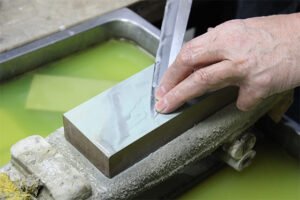
- Purpose: Removes metal to form a new edge.
- Tools: Whetstone, guided systems, or professional service.
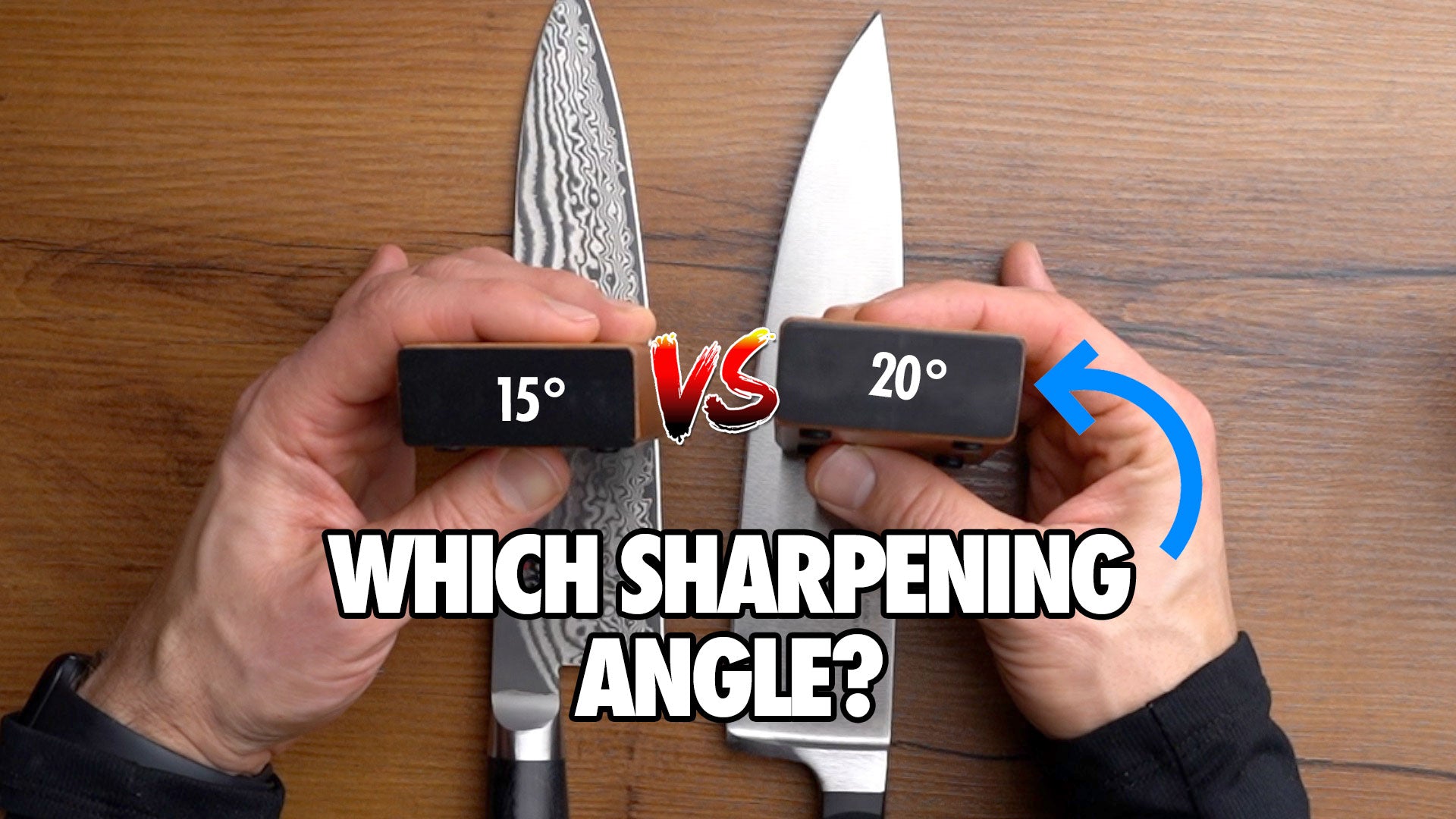
- Angle: 15 to 20 degrees per side is common for kitchen knives.
How to sharpen on a whetstone
- Soak or wet the stone per instructions.
- Set the knife at the correct angle.
- Push the blade across the stone evenly.
- Repeat on both sides and finish with a finer grit.
When to professional sharpen
- If you feel uneven edges, chips, or loss of length.
- If you lack confidence using stones.
I learned to sharpen on stones from a mentor. At first my angles were off. Practice and a guide fixed that. This kitchen knife guide encourages practice and patience.

Storage and safety
Storage protects edges and hands. This kitchen knife guide gives safe options.
Safe storage options
- Magnetic strip: Easy access and clean display.
- Knife block: Protects blades if block is clean and dry.
- Drawer tray: Keeps knives secure and out of reach.
- Blade guards: Useful for travel and mixed drawers.
- Keep fingers curled when chopping.
- Use a stable cutting board.
- Carry knives point-down and close to your body.
- Keep knives out of reach of children.
A small habit: always place knives on the counter flat and handle first. It saves cuts and stress. This kitchen knife guide recommends making safety part of your routine.
Buying guide and price ranges
Know what to expect to avoid overpaying. This kitchen knife guide gives realistic price ranges.
Budget knives
- Price: $20 to $60.
- Good for occasional cooks. Often stamped steel and basic handles.
Mid-range knives
- Price: $60 to $200.
- Best value for regular home cooks. Better steels and construction.
High-end knives
- Price: $200 and up.
- Top steels, hand finishing, and tailored balance.
Where to buy
- Cookware stores let you hold knives first.
- Specialty shops often provide sharpening services.
- Online retailers offer reviews and wide selections.
Warranty and service
- Look for lifetime warranties or repair offers.
- Manufacturers who sharpen or replace edges add trust.
I bought a mid-range chef’s knife that lasted years with care. It had the best balance for my hand and improved my prep time. This kitchen knife guide suggests investing in a good core knife first.
Personal experience and practical tips
I have used many knives over the years. This kitchen knife guide includes lessons from real use.
Real lessons
- The right knife fit matters more than brand.
- A sharp knife feels safer and requires less force.
- Regular honing keeps edges working well.
- Avoid dishwasher use unless the maker explicitly allows it.
Practical tips
- Test knives in-store for comfort.
- Keep a budget for a professional sharpening once a year.
- Label blade guards when you store many knives.
A story: I once bought a fancy cleaver based on looks. It was heavy and awkward. I sold it and bought a smaller cleaver that I now use daily. This kitchen knife guide encourages testing tools before buying.
Frequently Asked Questions of kitchen knife guide
What is the best all-purpose kitchen knife?
A chef’s knife 8 to 10 inches is the top all-round choice for most cooks. It handles chopping, slicing, and dicing well.
How often should I sharpen my knives?
Sharpening depends on use. Many home cooks sharpen every 6 to 12 months and hone weekly.
Can I put my knife in the dishwasher?
Most experts advise against dishwashers. Hand washing extends blade life and prevents handle damage.
What angle should I sharpen my knife at?
Aim for 15 to 20 degrees per side for kitchen knives. Japanese blades may use a lower angle for a finer edge.
How do I stop a knife from rusting?
Dry knives immediately after washing and apply a light oil to carbon steel. Store in a dry place.
Conclusion
This kitchen knife guide gives the tools to choose, care for, and use knives with skill and confidence. Pick knives that fit your hand and cooking style. Maintain them with simple care, hone often, and sharpen when needed. Start with one strong all-purpose blade and add tools as you grow. Try tips from this guide, test knives in person, and invest in quality where it matters. Leave a comment about your favorite knife or subscribe for more guides and tips.

Maliha Akter is a kitchen knife reviewer and food preparation specialist with over 6 years of experience testing Japanese kitchen knives and everyday cooking tools. She focuses on performance, safety, durability, and real-world usability to help home cooks choose the right knives for efficient and enjoyable cooking.
Expertise:Japanese Knives • Vegetable Knives • Product Reviews • Kitchen Efficiency • Knife Care