Kitchen knife types explained: know the right blade for every kitchen task.
I have worked in kitchens and tested knives for years. This guide on kitchen knife types explained draws on hands-on experience and clear facts. Read on to learn which knife does what, how blade shape and steel matter, and how to pick and care for the right blade for your cooking. This article gives practical advice, real-world tips, and clear comparisons so you can choose with confidence.
Source: hasuseizo.com
Why kitchen knife types explained matters
A good knife speeds prep. A wrong knife slows you and risks injury. This section explains why knowing kitchen knife types explained will save time, cut waste, and improve food quality. You will learn which knives suit which tasks and why blade design matters.
Common kitchen knife types explained
Below are the most used knives. Each entry gives purpose, typical size, and a quick tip.
Chef’s knife
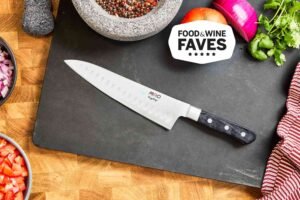
A chef’s knife is the workhorse. It usually runs 8 to 10 inches. Use it for chopping, slicing, and dicing vegetables, fruits, and proteins. A balanced chef’s knife handles most tasks.
Santoku
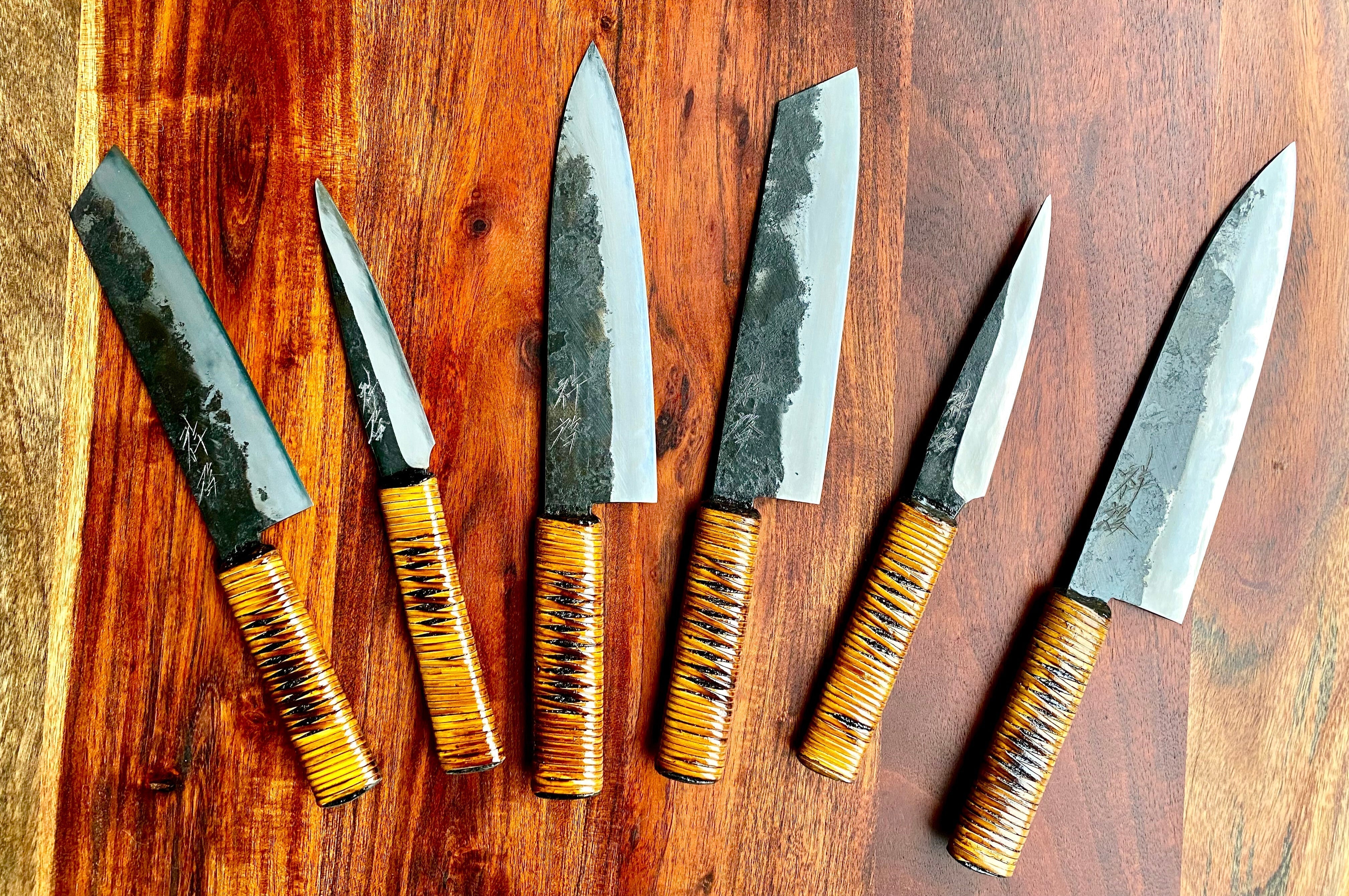
The santoku is a Japanese all-purpose knife. It is 5 to 7 inches long and has a flatter edge. It excels at push-cutting and thin slices. Its name means “three virtues”: slicing, dicing, and mincing.
Paring knife
A paring knife is small and nimble. It is 2.5 to 4 inches long. Use it for peeling, trimming, and small cuts. It gives control for detailed work.
Utility knife
A utility knife sits between a paring and a chef’s knife. It is 4 to 6 inches long. Use it for sandwiches, trimming, and tasks that need more reach than a paring knife.
Bread knife
A bread knife has a serrated edge. It slices crusty bread, cakes, and soft fruits without crushing them. Use a sawing motion for best results.
Carving or slicing knife
A carving knife is long and thin. It is 8 to 15 inches long. Use it for roasts, hams, and turkey. It makes long, smooth slices.
Boning knife
A boning knife has a narrow, flexible blade. It helps separate meat from bone. Use it for poultry, fish, and trimming fat.
Fillet (fillet) knife
A fillet knife is very flexible and narrow. It is ideal for filleting fish. A sharp, thin blade follows bones closely.
Cleaver
A cleaver has a large, rectangular blade. Use it for heavy-duty chopping and cutting through bones. It also works for smashing garlic or tenderizing meat.
Nakiri
The nakiri is a Japanese vegetable knife. It has a straight edge and a boxy shape. Use it for precise vegetable chopping and push cuts.
Petty knife
A petty knife is like a small chef’s knife. It is 5 to 6 inches long. Use it for small prep jobs and trimming.
Steak knives
Steak knives are small table knives. Use them at the table for cutting cooked meats. They come serrated or plain-edge.
This section covers the most common blades so you can match tool to task. Knowing these kitchen knife types explained helps you set up an efficient kitchen.
Blade materials, shapes, and edge types explained
Blade material affects sharpness, edge life, and care. Here are the basics.
- Stainless steel
- Easy care and low rust risk. Good for busy kitchens.
- High-carbon steel
- Holds a keen edge longer. It may rust if not cared for.
- Powdered and tool steels
- Very hard and wear-resistant. Often used in premium knives.
- Laminated and Damascus-style blades
- Combine a hard core and softer outer steel for balance and beauty.
- Ceramic
- Extremely hard and keeps an edge long. Brittle and not for hard use.
Edge types and shapes matter too.
- Straight edge
- Best for clean, controlled cuts.
- Serrated edge
- Saws through crusts and soft skins.
- Granton or hollow edge
- Dimples reduce sticking on slices.
Understanding these factors completes a practical view of kitchen knife types explained. Match steel and edge to how you cook.

Source: youtube.com
How to choose between knife sets and single knives
Decide what you cook and how much you want to spend. Smaller, quality sets beat large cheap sets. Follow these steps.
- List common tasks
- Note if you chop mostly veg, carve meat, or fillet fish.
- Prioritize three knives
- A chef’s knife, a paring knife, and a bread or serrated knife cover most needs.
- Try before you buy
- Feel the weight, balance, and handle fit in your hand.
- Consider maintenance
- Hard steels need more care. Stainless is easier.
- Budget wisely
- A single good chef’s knife is a better buy than many poor blades.
This approach clarifies which kitchen knife types explained will best fit your kitchen and budget.

Source: co.uk
Care, sharpening, and safety explained
A sharp knife is safer than a dull one. Here are clear care steps.
- Daily care
- Wash by hand. Dry immediately. Avoid dishwashers.
- Honing
- Use a honing rod weekly. It realigns the edge.
- Sharpening
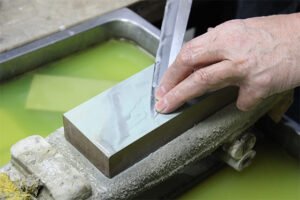
- Use a whetstone or guided sharpener as needed. Sharpen when honing no longer restores the edge.
- Sharpening angle
- Home cooks: 15 to 20 degrees per side works well.
- Storage
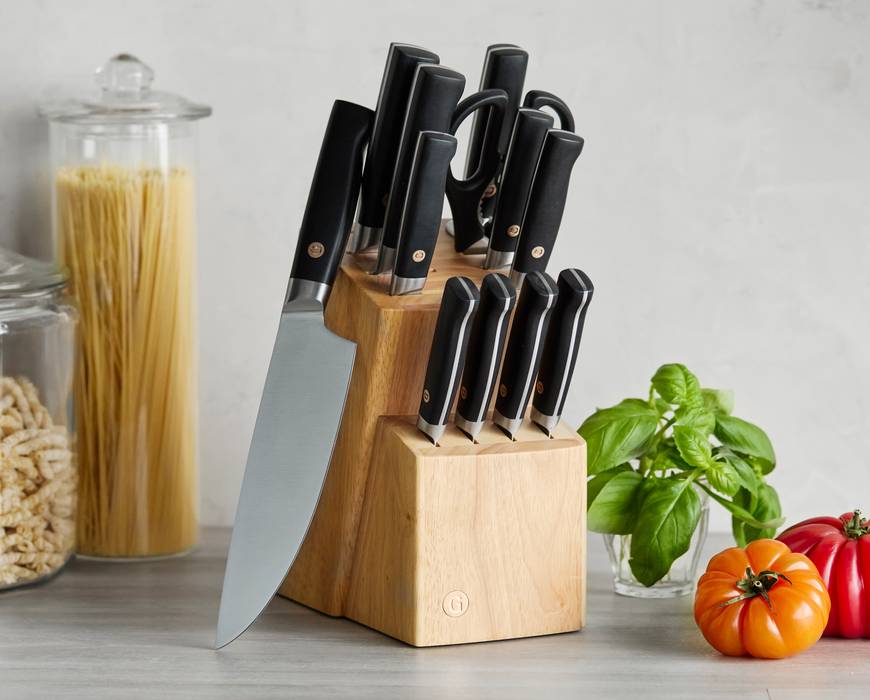
- Use a magnetic strip, knife block, or blade guards to protect edges and hands.
- Safety tips
- Cut on a stable board. Keep fingers tucked. Store knives securely.
These simple steps keep your knives effective and safe. Keeping this advice in mind will help you use and protect the various kitchen knife types explained.

Source: montanaknifecompany.com
My experience and practical tips
I worked in a busy kitchen and at home. I learned that one good chef’s knife transforms prep. Here are real tips from my experience.
- Choose comfort over looks.
- I once bought a visually striking knife that hurt my wrist. I returned it for a balanced blade.
- Start with an 8-inch chef’s knife
- It covers almost all tasks well.
- Keep a small paring and a serrated knife ready
- These two save time for delicate and crusty items.
- Learn to sharpen on a stone
- It took practice but saved money and kept my knives performing.
- Avoid storing loose in a drawer
- Nicks and accidents followed when I first did that.
These lessons come from real kitchen work. They show how knowing kitchen knife types explained makes daily cooking easier.
Source: greenpan.us
Frequently Asked Questions of kitchen knife types explained
What is the best all-purpose kitchen knife?
A chef’s knife is the best all-purpose option. It handles most cutting tasks from vegetables to protein.
How often should I sharpen my knives?
Sharpening frequency depends on use and steel. Most home cooks sharpen every 3 to 6 months and hone weekly.
Can I use a chef’s knife for bread?
You can, but a serrated bread knife is better for crusty loaves. A chef’s knife may crush soft breads.
Is a santoku better than a chef’s knife?
Neither is strictly better; they have different cuts and fits. Pick the shape that fits your grip and cutting style.
Do I need a full knife set for a home kitchen?
No. A chef’s knife, a paring knife, and a serrated knife cover most needs. Add specialty knives as needed.
How do I store knives safely?
Use a magnetic strip, knife block, or protective sheaths. Avoid loose-drawer storage to prevent damage and injuries.
Are high-carbon steel knives worth the extra care?
They offer superior edge retention and can be worth it if you are willing to maintain them. They need drying and occasional oiling to prevent rust.
Conclusion
Knowing kitchen knife types explained makes cooking faster, safer, and more enjoyable. Pick a few key knives that match your tasks. Care for them with simple routines, and learn basic sharpening. Start by choosing one good chef’s knife and add tools as you need. Try a few blades in hand, practice safe habits, and comment below with your favorite knife or a question.

Maliha Akter is a kitchen knife reviewer and food preparation specialist with over 6 years of experience testing Japanese kitchen knives and everyday cooking tools. She focuses on performance, safety, durability, and real-world usability to help home cooks choose the right knives for efficient and enjoyable cooking.
Expertise:Japanese Knives • Vegetable Knives • Product Reviews • Kitchen Efficiency • Knife Care