A smart knife buying guide helps you pick the right blade for your needs.
I’ve spent years testing kitchen and outdoor knives, training with pros, and repairing edges. This knife buying guide draws on that hands-on experience to help you choose blades that fit your work, budget, and care routine. Read on for clear steps, practical tips, and real-life mistakes to avoid.
Why this knife buying guide matters
Choosing the wrong knife wastes money and causes frustration. A focused knife buying guide helps you match blade type, material, and size to real tasks. This saves time, improves safety, and gives better results whether you cook, hunt, or carry a pocket knife.
A good guide reduces confusion from jargon and marketing claims. I wrote this knife buying guide to cut through hype and share what actually matters. You’ll learn the trade-offs so you can buy with confidence.

Types of knives and their uses
Knowing knife types is the core of any knife buying guide. Below are the common categories and practical uses.
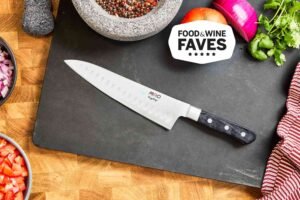
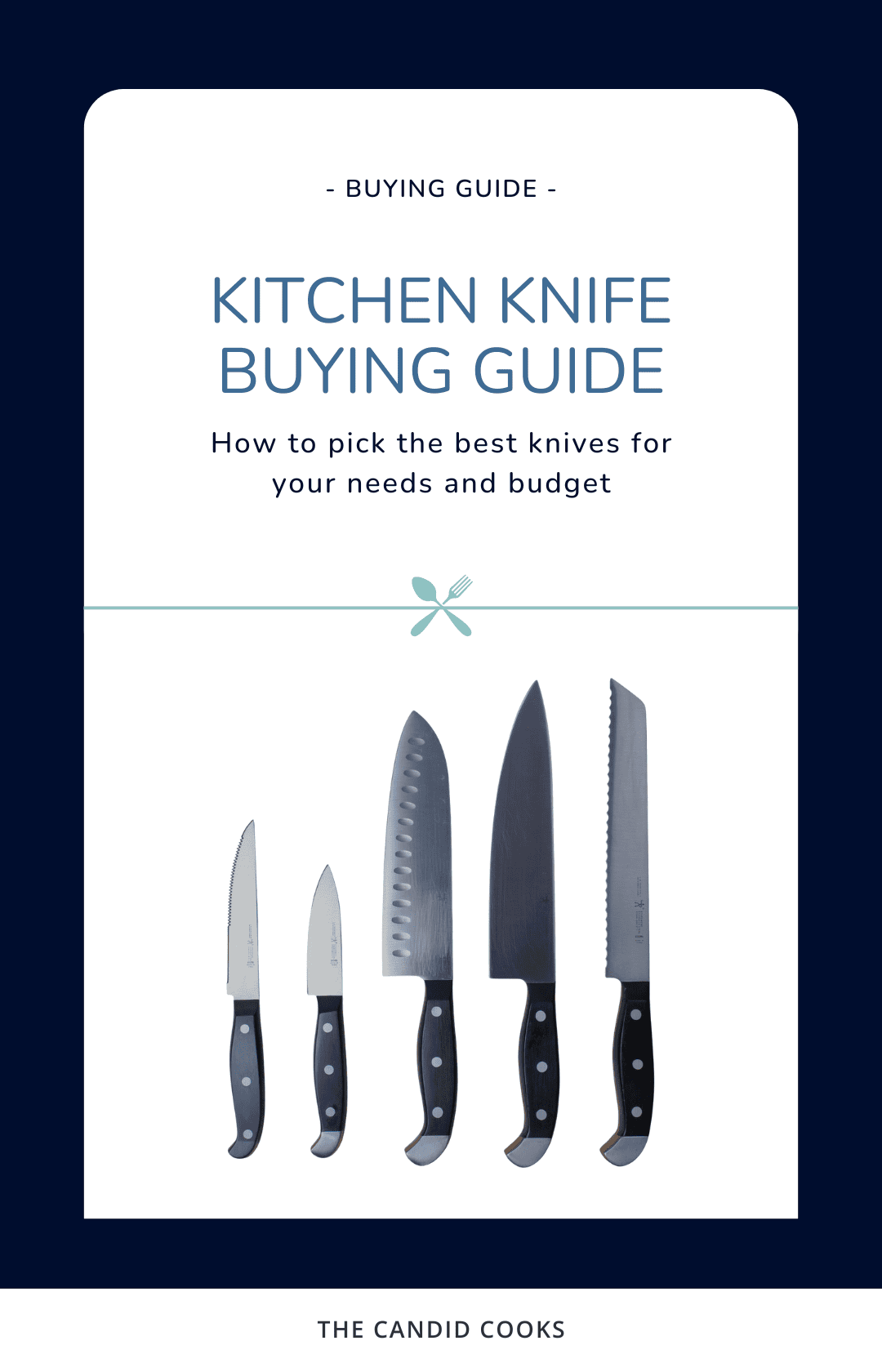
- Chef knife: A multipurpose kitchen workhorse for chopping, slicing, and dicing.
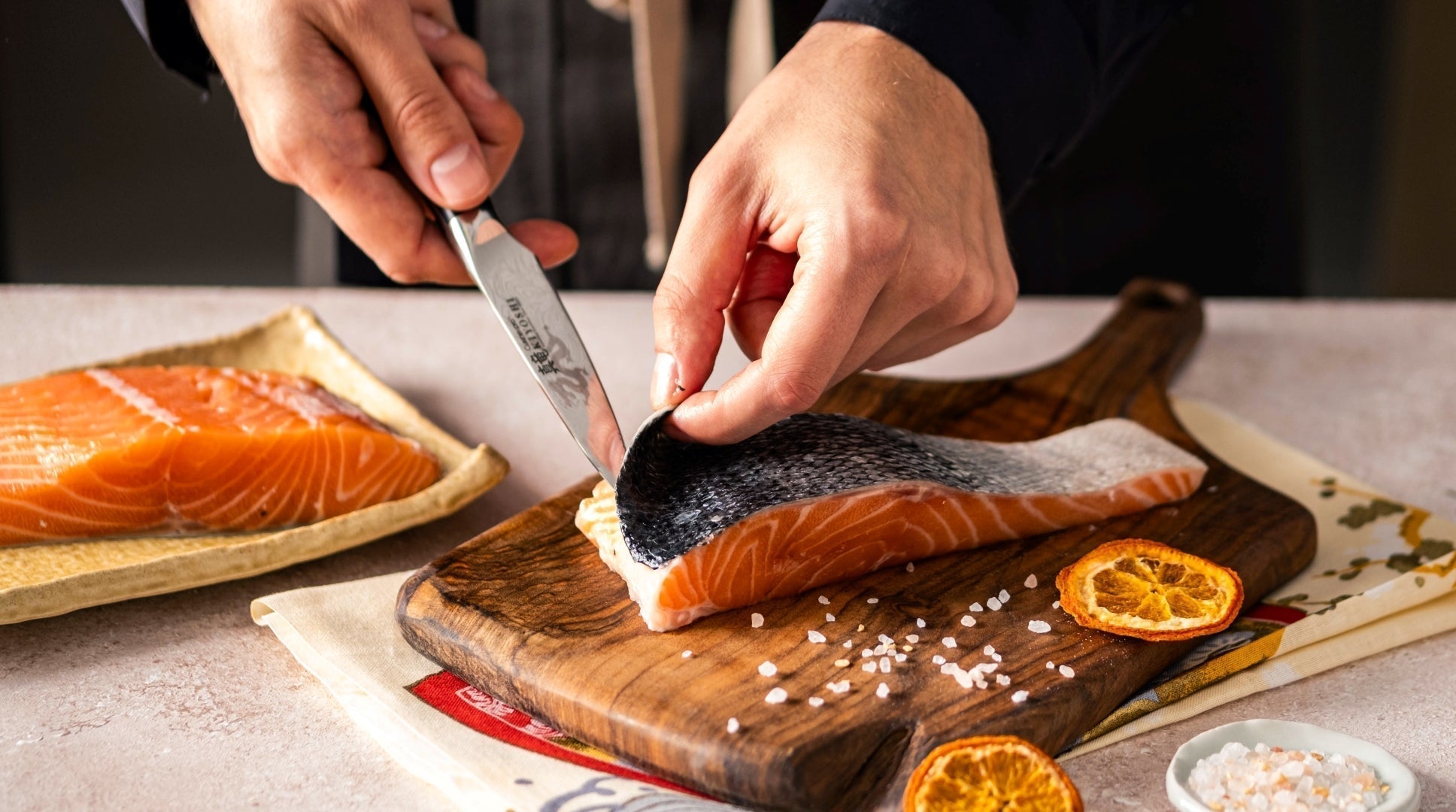
- Paring knife: Small blade for peeling, trimming, and delicate work.
- Santoku: Asian-style all-rounder, great for slicing and thin cuts.
- Serrated knife: Best for bread and soft-skinned produce.
- Utility knife: Mid-size for sandwiches and quick prep tasks.
- Boning knife: Narrow and flexible, for separating meat from bone.
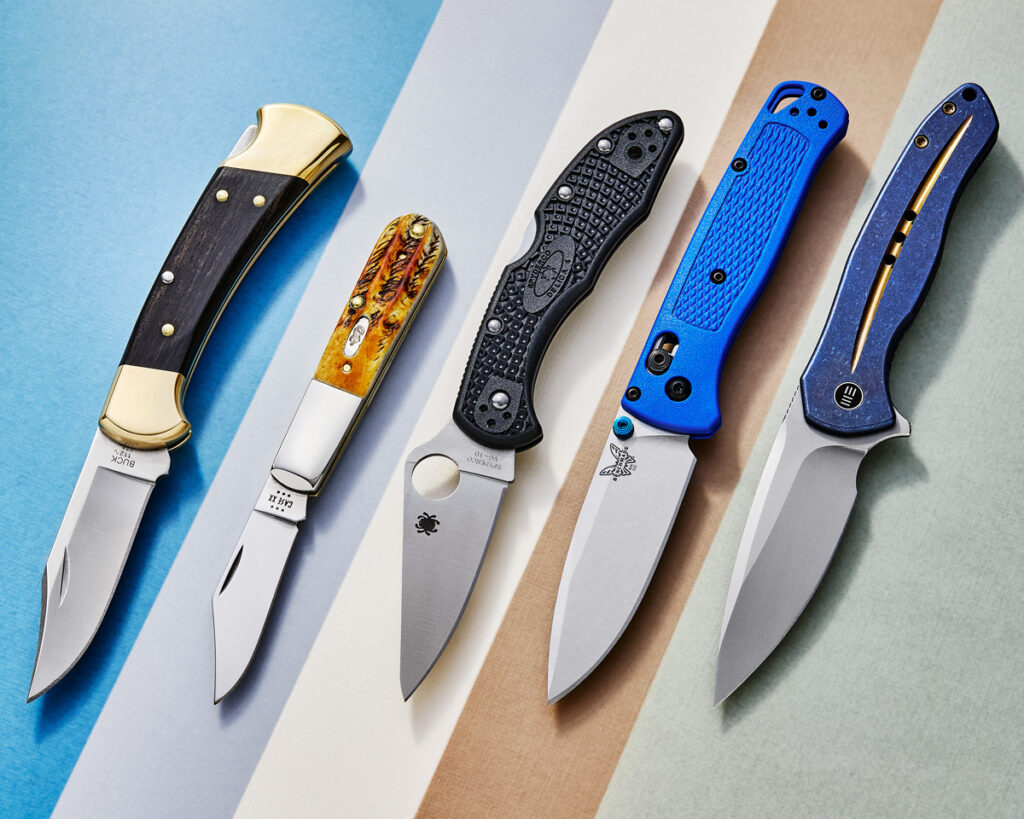
- Pocket knife: Everyday carry for small cutting tasks and outdoor use.
- Fixed-blade outdoor knife: Strong and reliable for camping, survival, and heavy use.
This knife buying guide emphasizes choosing the right type first. Pick the category that matches your daily tasks before debating steel or handle materials.

Blade materials explained
Blade material affects sharpness, edge retention, corrosion resistance, and ease of sharpening. This section explains common steels and what they mean for real use.
- Stainless steel: Resists rust and needs less maintenance. Good for home kitchens and humid environments.
- Carbon steel: Takes a very sharp edge and sharpens easily but can rust and patina. Favored by many chefs.
- High-carbon stainless: Blends edge retention with corrosion resistance. A balanced choice.
- Tool steels and powdered steels: Higher hardness and edge retention. Often costlier and harder to sharpen.
- Ceramic blades: Extremely sharp and rust-proof but brittle and hard to re-sharpen.
In my experience, mid-range high-carbon stainless steels are the best choice for most buyers. They balance performance and care. This knife buying guide recommends matching steel to your willingness to maintain the knife.
Handle materials and ergonomics
Comfort and grip matter for performance and safety. Handle choice affects balance, durability, and hygiene.
- Wood handles: Warm and attractive. Can require care to avoid swelling or cracking.
- Micarta and G10: Stable synthetic materials with strong grip and water resistance.
- Polymer and rubber: Durable and easy to clean; common on budget knives.
- Metal handles: Strong but can be slippery or cold in hand.
Try a knife in your hand when possible. A handle that fits your grip improves control and reduces fatigue. When buying online, read measurements and customer feedback closely. My early mistake was choosing a knife that looked great but didn’t fit my grip—learning to test ergonomics saved me money later.
Blade geometry, grinds, and edge angles
Blade shape and grind determine how a knife cuts. These details are central to a serious knife buying guide.
- Flat grind: Versatile and slices well, common on chef knives.
- Hollow grind: Thin edge for very precise slicing.
- Scandi grind: Great for outdoor knives and woodworking.
- Convex grind: Durable edge that holds up to heavy use.
Edge angle matters. Lower angles (15° per side) cut better but are less durable. Higher angles (20°–25°) add strength for tough tasks. Choose geometry based on use: delicate food prep favors thin edges, heavy-duty work needs stronger angles.

Size, weight, and balance
Size and weight influence speed and control. This knife buying guide helps you match blade length and heft to tasks.
- Kitchen knives: 6–10 inch chef knives are common. Choose 8 inches for versatility.
- Pocket knives: Blade length often under 3.5 inches due to laws and portability.
- Outdoor knives: 3–6 inches for fixed blades depending on camp tasks.
Balance point should sit near the bolster or where your finger rests for control. Heavier knives can power through dense food, but lighter knives are faster and easier on the wrist. I prefer a balanced 8-inch chef knife for daily cooking and a light 3.5-inch folder for carry.
Maintenance: sharpening, honing, and care
A knife is only as good as its maintenance. This knife buying guide covers simple care routines that pay off fast.
- Honing: Use a honing rod weekly to realign the edge and extend time between sharpenings.
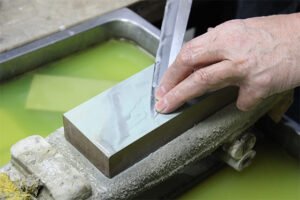
- Sharpening: Use a whetstone, guided system, or professional service when the edge dulls. Frequency depends on use but expect to sharpen a kitchen knife every few months.
- Cleaning: Hand wash and dry immediately. Avoid dishwashers.
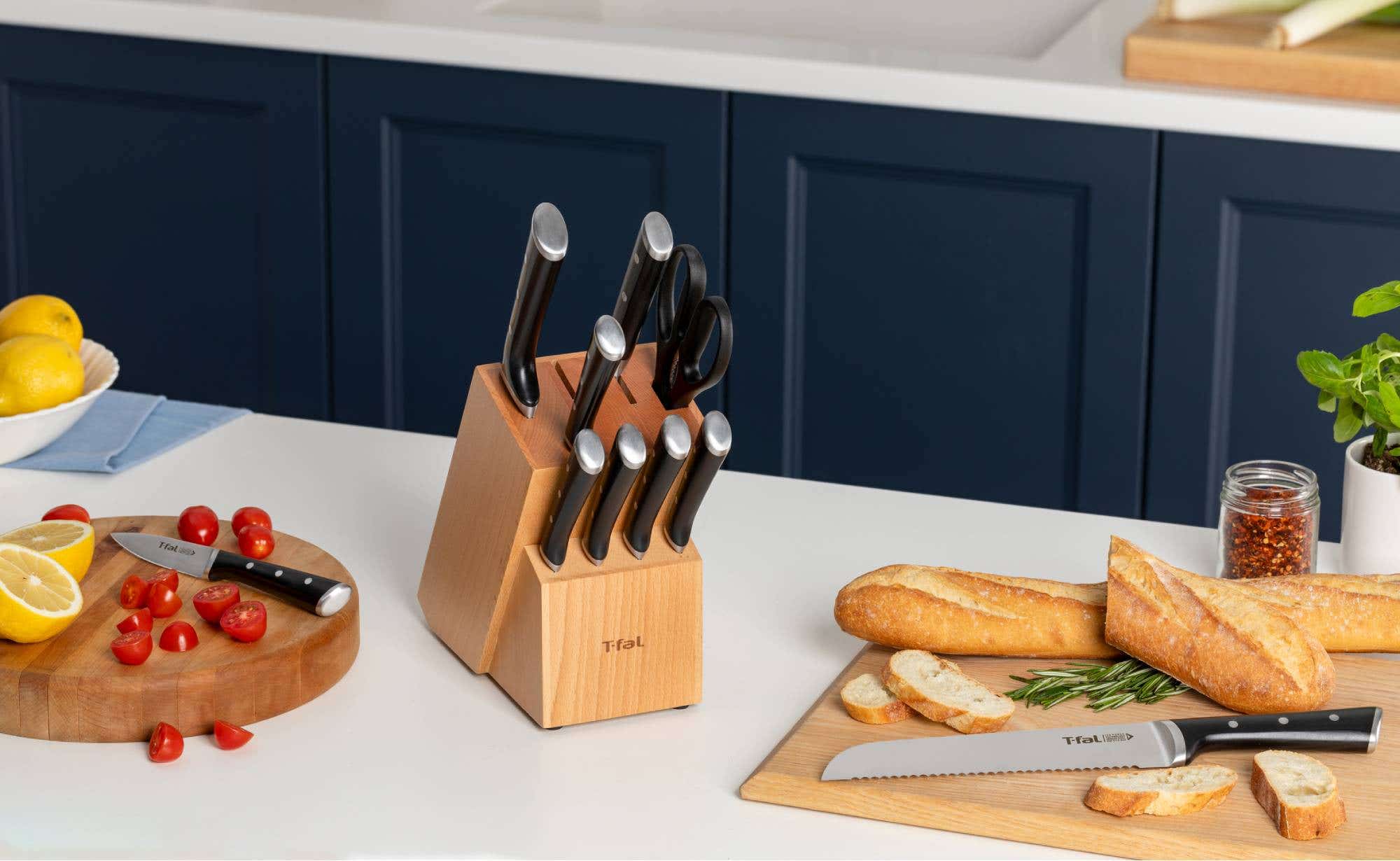
- Storage: Use a knife block, magnetic strip, or sheath to protect edges and hands.
I sharpened my knives poorly for years. Learning proper whetstone technique made a huge difference. If you don’t want to sharpen, choose stainless steels and plan for professional sharpening.
How to choose a knife: step-by-step knife buying guide
Follow these steps to pick the right knife without buyer’s remorse.
- Identify the main task you’ll use the knife for.
- Choose the type of knife that matches that task (see types section).
- Select blade material based on maintenance and performance needs.
- Test handle feel and balance when possible.
- Decide on edge angle and grind based on cutting style.
- Set a realistic budget and check warranty or return policies.
- Buy from a reputable retailer and read reviews from verified buyers.
Ask yourself if you will maintain the knife. If not, prioritize corrosion resistance and easy care. This knife buying guide steers buyers toward choices that fit their habits, not just the hype.

Quick PAA-style questions
How often should I sharpen a kitchen knife?
Sharpening frequency depends on use. Most home cooks sharpen every few months and hone weekly.
Is an expensive steel always better?
Not always. Higher-end steels hold edges longer but can be harder to sharpen and more expensive. Match steel to your use and sharpening skill.
Can one knife do everything?
A versatile chef knife covers most tasks, but specialty knives improve results for tasks like bread, boning, or filleting.
Budget, brands, and warranty
Your budget shapes choices. This knife buying guide helps allocate money where it matters most.
- Budget range: Under $50 for basic knives, $50–$150 for good mid-range knives, $150+ for premium and professional tools.
- Where to spend: Prioritize steel and balance over brand logo. A well-made mid-range blade often outperforms a cheap premium-branded knife.
- Warranty and returns: Look for generous return policies and lifetime warranties on manufacturing defects.
I recommend buying one higher-quality knife rather than several poor ones. A solid chef knife around $80–$150 will last years with good care.
Legal and safety considerations
Know local laws before carrying knives. Safety prevents accidents at home and on the road.
- Check local carry laws for blade length and locking mechanisms.
- Store knives safely away from children.
- Use proper cutting technique and cut on stable boards.
- Transport knives in protective sheaths or cases.
Being informed protects you legally and keeps your family safe. This knife buying guide stresses responsible ownership.
Frequently Asked Questions of knife buying guide
What is the best knife for beginners?
A well-balanced 8-inch chef knife in high-carbon stainless steel is ideal for most beginners. It covers many tasks and is easier to maintain.
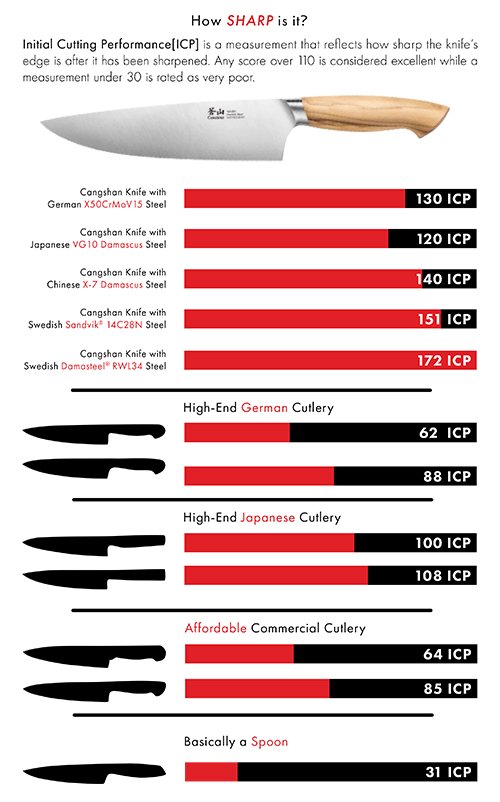
How do I know if a knife is sharp?
A sharp knife slices cleanly through paper or tomatoes with little pressure. If you must press hard or saw, it needs sharpening.
Should I buy a full-tang knife?
Full-tang construction adds strength and balance, especially for heavy tasks. It’s a good feature for durability but can raise cost.
Can I sharpen ceramic knives at home?
Ceramic knives require diamond abrasives and are harder to sharpen at home. Most users opt for professional sharpening for ceramic blades.
What is the safest way to store knives?
Store knives in a block, on a magnetic strip, or in sheaths to protect edges and hands. Avoid tossing knives in drawers.
Conclusion
This knife buying guide gives clear steps to match your needs, materials, and budget. Choose the right type first, then focus on steel, handle comfort, and maintenance. Start with one well-made knife that fits your hand and tasks, care for it properly, and learn basic sharpening skills.
Take action today: handle a few knives in person if you can, set a realistic budget, and pick the blade that fits your life. Leave a comment with your use case and I’ll recommend specific knives to match your needs.

Maliha Akter is a kitchen knife reviewer and food preparation specialist with over 6 years of experience testing Japanese kitchen knives and everyday cooking tools. She focuses on performance, safety, durability, and real-world usability to help home cooks choose the right knives for efficient and enjoyable cooking.
Expertise:Japanese Knives • Vegetable Knives • Product Reviews • Kitchen Efficiency • Knife Care